Posted by Altair Media on October 10, 2026 · Leave a Comment
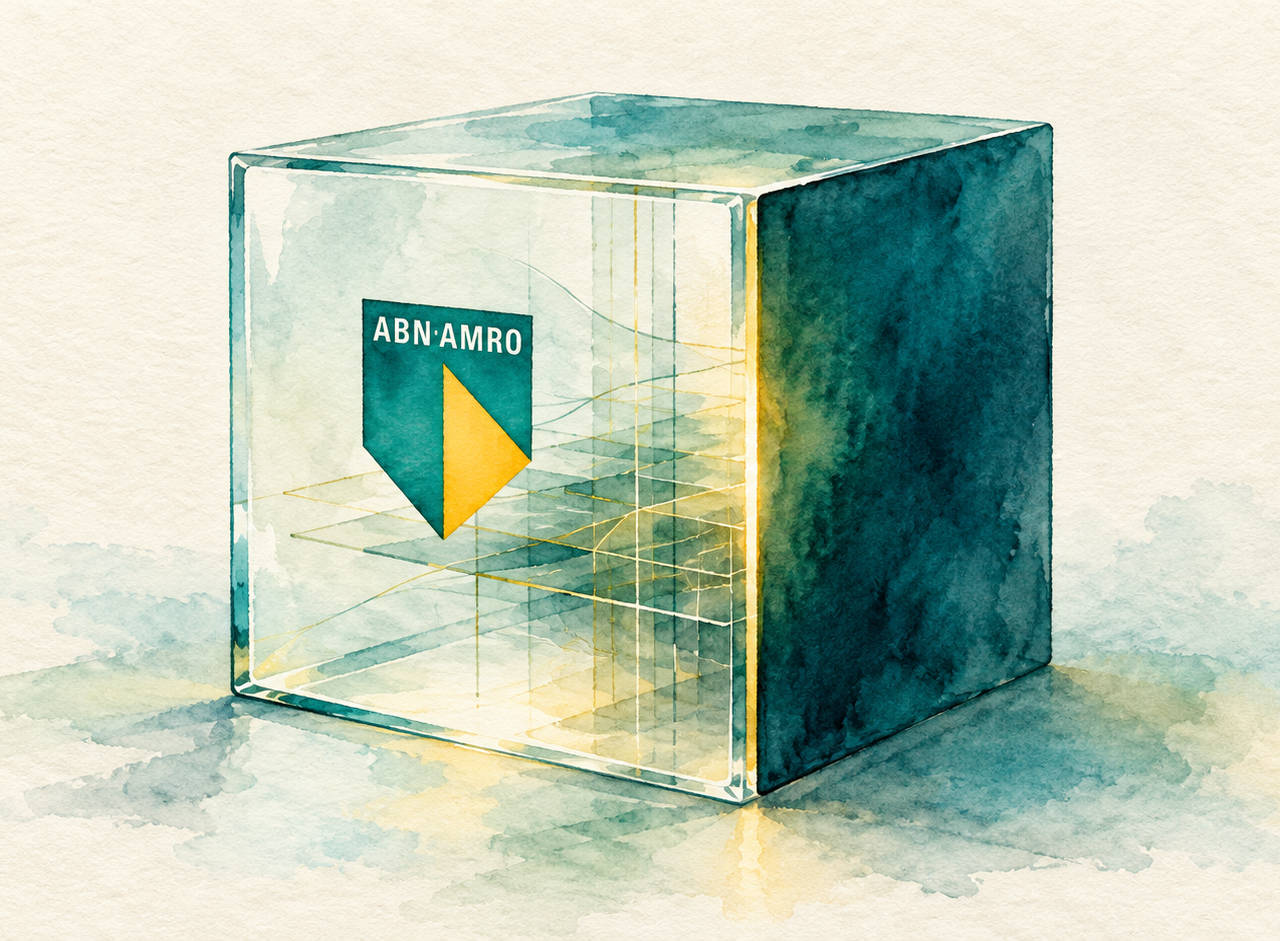
As the Dutch state reduces its stake, commercial ambition and automated banking put public responsibility to the test.
The Dutch state plans to almost halve its remaining stake in ABN AMRO. For investors, the move advances privatisation after a strong share-price recovery. For customers and businesses, it raises a different question: as ownership becomes more private and banking more automated, who ensures that commercial efficiency remains compatible with care, accountability and effective protection?
The sale changes the ownership balance. The harder test lies inside the bank: whether its decisions can be explained, challenged and corrected when they affect people’s money and access to financial services.
Read More
Category: Signal, Capital, Editorials & Opinions, Featured Headlines, Financial Governance, Financial Infrastructure, Governance, Infrastructure, Insights · Tags: ABN AMRO, Artificial Intelligence, Banking, Corporate Governance, Duty of Care, Financial Regulation, Privatisation, Public Accountability, Serie - Who Controls Digital Finance?
Posted by Altair Media on October 7, 2026 · Leave a Comment
Yasir Al-Rumayyan and the fund trying to build an economy beyond oil
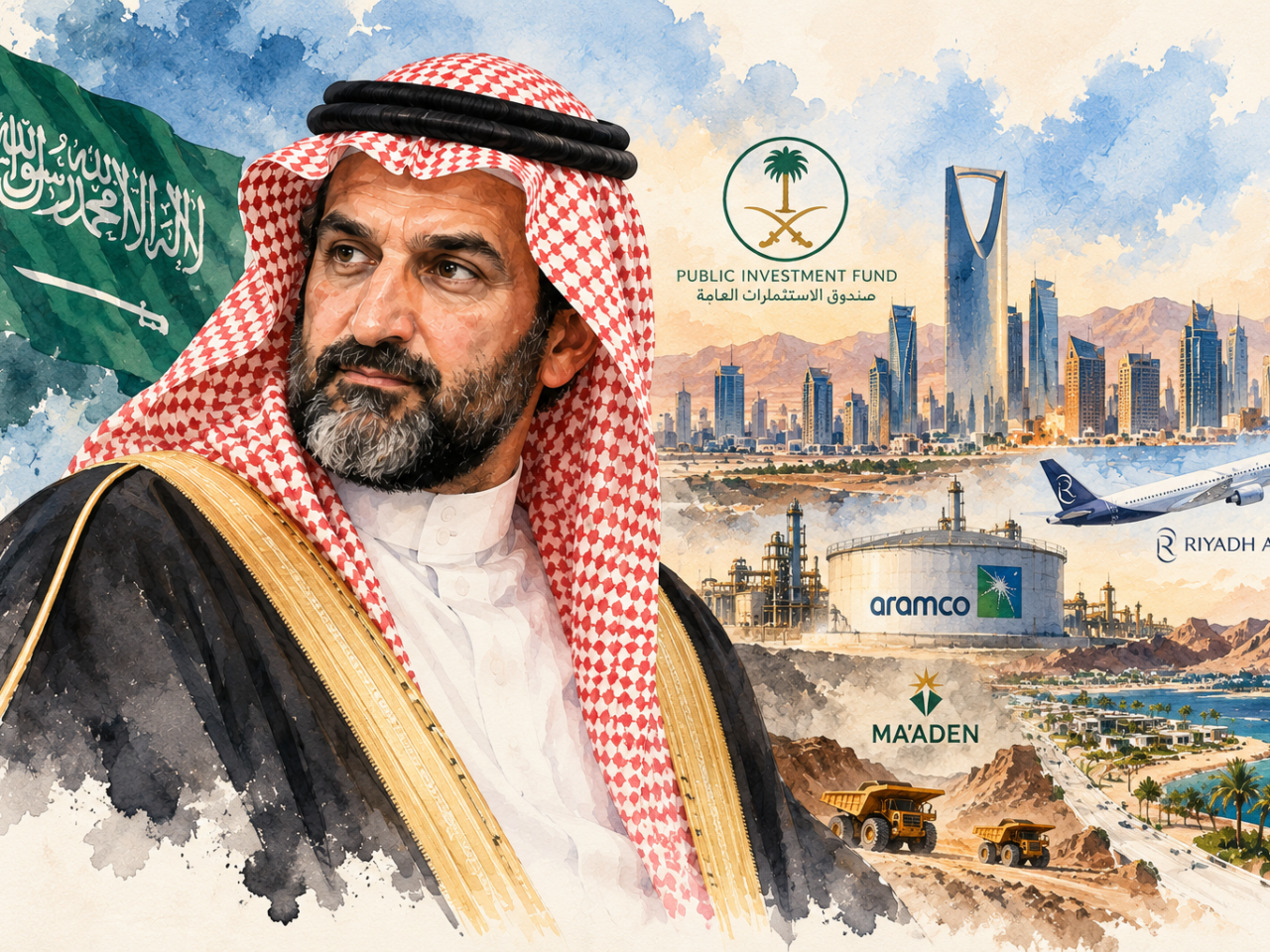
Yasir Al-Rumayyan does not simply manage one of the world’s largest investment portfolios. As Governor of Saudi Arabia’s Public Investment Fund (PIF), he helps turn the Kingdom’s economic ambitions into companies, infrastructure and entire new industries.
His position is powerful, but its institutional context matters. Crown Prince Mohammed bin Salman chairs PIF’s board and provides the overarching strategic direction. Al-Rumayyan is responsible for translating that mandate into investment decisions, partnerships and businesses capable of operating in the real economy. That makes him an important first figure in The New Architecture of Gulf Capital.
The sovereign investor is becoming a market developer.
PIF is not merely investing wealth accumulated from oil. It is attempting to create an economy in which new industries can eventually attract investment and grow without depending indefinitely on sovereign support.
From investor to developer
PIF now manages more than $900 billion, compared with around $150 billion in 2015. According to its latest annual report, the fund invested more than $199 billion in Saudi projects between 2021 and 2025. But the more revealing development is how its mission is changing.
Traditional sovereign wealth funds primarily invest national savings across financial markets. PIF also creates companies, finances infrastructure and supports industries that Saudi Arabia wants to develop domestically.
Its 2026–2030 strategy places greater emphasis on financial returns, investment efficiency and private-sector participation. Al-Rumayyan describes the objective as developing competitive domestic ecosystems capable of attracting global partners. That represents a significant evolution.
The first phase was about proving that sovereign capital could build at extraordinary speed. The next is about proving that what it built can stand.
The fund is moving beyond financing individual projects towards creating the businesses, infrastructure and commercial relationships that allow entire sectors to develop. The sovereign investor is becoming a market developer.
Where oil meets the next economy
Al-Rumayyan’s other responsibilities make that transition particularly interesting. He is Chairman of Saudi Aramco, mining group Ma’aden and Riyadh Air. These positions connect him to the Kingdom’s established sources of wealth and several industries intended to broaden its economic base. Aramco is central to that relationship.
The Saudi state has transferred portions of its Aramco shareholding to PIF and its subsidiaries, including an additional 8% in 2024. Those holdings give PIF-linked entities exposure to the company’s value and dividend distributions, strengthening the financial resources available for long-term investment.
Yet Aramco is also publicly listed, with obligations to shareholders beyond the state. Its investment needs, creditworthiness and dividend policy cannot simply be subordinated to every new national project.
That creates an important balancing act between maintaining the strength of the existing energy economy and financing its gradual diversification.
The logic resembles Mukesh Ambani’s Reliance model, but with a fundamental difference. Ambani uses established businesses to finance new industries within a conglomerate. Al-Rumayyan works within a sovereign investment system seeking to help develop the national market itself.
In both cases, the wealth generated by yesterday’s economy helps finance tomorrow’s industries.
Bringing private capital into the system
The next challenge is attracting other investors to participate.
PIF cannot remain the principal financier of every industry it helps establish. A successful economic transformation requires companies capable of attracting commercial investment, generating sustainable revenues and operating without permanent financial support. That explains the growing importance of partnerships.
The wealth generated by yesterday’s economy helps finance tomorrow’s industries.
In 2026, PIF announced an agreement with infrastructure investor I Squared Capital exploring up to $2 billion of investment in Saudi digital infrastructure and district cooling. A separate PIF-backed Brookfield initiative reached an initial close of approximately $2 billion.
These arrangements illustrate a changing approach. Rather than financing every asset independently, PIF can provide an initial investment, market access and local partnerships while international investors contribute capital and expertise.
For Al-Rumayyan, attracting investors therefore becomes as important as committing PIF’s own resources.
The ultimate objective is not simply to bring more money into Saudi Arabia. It is to create commercially viable opportunities that investors would eventually pursue without requiring PIF to lead every transaction.
From construction to performance
This model also concentrates considerable responsibility.
Sovereign capital can build infrastructure before private demand has fully developed. It can support new industries through long periods of uncertainty and coordinate investments that fragmented markets might struggle to finance. But the same concentration creates risks.
The sovereign developer succeeds when the economy it helped build gradually becomes capable of developing itself.”
Large projects can absorb substantial resources without producing sufficient returns. Ambitious development programmes can face delays, rising costs and changing demand. Saudi Arabia has already begun reassessing the scale and timing of some of its most expensive projects.
Against that background, PIF’s new emphasis on financial performance and investment efficiency is significant.
The challenge is no longer simply to demonstrate how much sovereign capital can build. It is to determine which investments can become commercially sustainable, which require restructuring and where private investors should assume a greater role.
For Al-Rumayyan, this changes the nature of success. The first phase was about proving that sovereign capital could build at extraordinary speed. The next is about proving that what it built can stand.
The sovereign developer
Al-Rumayyan’s importance lies less in the size of PIF’s portfolio than in his role connecting national strategy with financial execution. He helps turn political and economic ambitions into businesses, partnerships and infrastructure that must ultimately justify their investment.
That makes PIF both powerful and accountable to a difficult long-term test. Its success cannot be measured solely by the number of companies launched, the projects announced or the assets accumulated.
The more meaningful measure is whether those investments help create an economy in which private capital increasingly follows where sovereign capital once had to lead.
That is the defining paradox of Yasir Al-Rumayyan’s role.
The sovereign developer succeeds when the economy it helped build gradually becomes capable of developing itself.
This article is part of The New Architecture of Gulf Capital, an Altair Media series examining how sovereign wealth, energy and private enterprise are shaping the region’s post-oil economy.
Credit
Illustration: Altair Media / OpenAI
Caption
Yasir Al-Rumayyan, Governor of Saudi Arabia’s Public Investment Fund. His role connects sovereign capital, Aramco, mining, aviation and new industries — turning national strategy into investable businesses and infrastructure
Category: Perspective, Capital, Energy, Featured, Governance, Infrastructure, Insights, Strategy Governance · Tags: Gulf Capital, Industrial Strategy, Private Investment, Public Investment Fund, Saudi Arabia, Serie - The New Architecture of Gulf Capital, Sovereign Capital, Vision 2030, Yasir Al-Rumayyan
Posted by Altair Media on October 6, 2026 · Leave a Comment
Five questions for Europe’s photonics industry ahead of PIC Summit Europe 2026
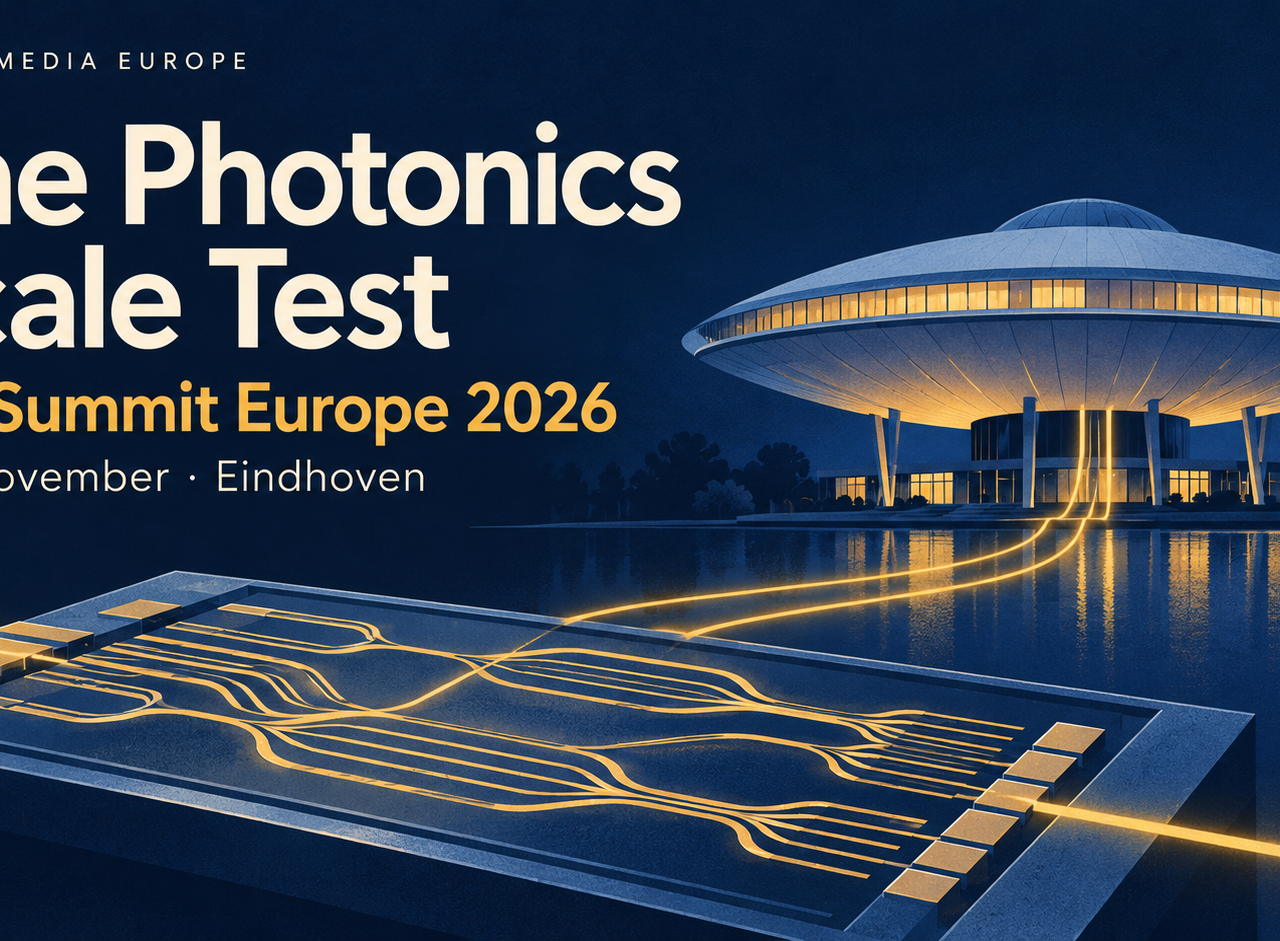
Integrated photonics is moving into a demanding phase: turning technical capabilities into products that customers can adopt, suppliers can deliver and investors can finance. Ahead of PIC Summit Europe in Eindhoven on 3–4 November 2026, the central question is how Europe will convert its expertise into reliable production, repeat orders and lasting industrial value.
The programme puts industrialisation, supply-chain readiness and customer requirements at the centre of the discussion. Altair will examine what those ambitions require in practice through five questions about delivery, adoption and risk.
🟦 When does a successful pilot become an industrial business?
Europe is investing in the transition. PIXEurope brings together 20 partners across 11 countries, with approximately €400 million in planned investment to develop photonic technologies and transfer processes towards industrial production. That is a substantial commitment to reducing technical barriers. It is not a measure of commercial sales.
Pilot infrastructure can establish whether a process is viable. A business must establish whether it can deliver repeatedly at a price that supports both customer adoption and its own survival.
Prototype pricing also needs to be separated from the cost of a qualified product at volume. PHIX identifies packaging, assembly and testing as significant cost factors, with automation and component choices shaping competitiveness.
The relevant evidence therefore changes as a technology matures: from a working prototype to qualified products, predictable delivery and repeat orders. Different applications will reach those stages at different speeds.
A pilot reduces uncertainty. An industrial business must learn to operate within what remains.
🟦 What if the chip works, but the product is not ready?
A photonic chip is part of a wider system. Packaging must provide protection, optical and electrical connections, and thermal management; integration determines how the component works with the rest of the product. PhotonDelta’s value-chain description makes those responsibilities explicit.
For a customer, the distinction matters. A component with strong technical performance can still be difficult to assemble, test, maintain or source reliably.
The commercial question is who takes responsibility across those interfaces. Does the customer receive a dependable product, or inherit the task of making several suppliers’ components work together?
That is where industrial coordination becomes tangible. Research, fabrication and assembly may each advance while the complete product remains costly to deliver.
The customer buys a working system. Every unresolved interface becomes part of its cost.
🟦 Why should a customer change what already works?
Technical superiority is an opening argument. Adoption requires a business case.
A modest improvement may not justify the disruption of switching. The case becomes stronger when an existing approach struggles to meet the customer’s requirements for bandwidth, energy use, size or precision—or when photonics enables a function the customer could not previously obtain.
For a prospective user, the calculation includes the purchase price, integration work, qualification, maintenance and the risk of changing an established system. A claimed gain in speed or energy efficiency must survive that calculation. Where energy savings are central, the meaningful comparison is the performance of the complete system under relevant operating conditions.
This creates a tension for suppliers. They need customers to validate their products; customers want evidence before committing engineering time and money.
The useful questions in Eindhoven are therefore specific: what problem is being solved, against which alternative, and with what demonstrated benefit?
A promising application identifies an opportunity. A purchasing decision reveals whether the proposed solution is worth adopting.
🟦 Who carries the risk before the orders become predictable?
PhotonDelta reports €152 million in public and private investment across its ecosystem in 2025. That indicates substantial funding activity. It does not tell us how much commercial demand is secure, or whether each company has the funding required for its next production stage.
For a company preparing to expand, the difficult interval may lie between customer interest and dependable revenue. Equipment, staff, testing and inventory require money before the resulting products are paid for.
An investor may seek firmer orders. A customer may seek evidence that production can scale. The supplier has to satisfy both.
The question is which combination of equity, public support, strategic investment and customer commitments can bridge that interval—and what milestones justify each commitment.
Someone must finance the capacity before dependable demand can pay for it.
🟦 Does European technology also mean European control?
European location is one part of the answer. The harder test is whether companies can retain valuable capabilities, serve global customers and remain credible suppliers as their markets develop.
PIXEurope’s stated objectives include transferring technologies to European manufacturers, increasing production capacity and strengthening supply chains. Those are practical ambitions against which progress can eventually be assessed. cordis.europa.eu
For Altair, the questions follow from that: which capabilities remain accessible in Europe, who controls critical production decisions, and where does value accumulate when the product reaches the customer?
International partnerships can help build scale. Their industrial significance depends on the capabilities they strengthen and the dependencies they create.
European strength becomes commercially meaningful when customers can rely on it and European businesses can sustain it.
Signal
PIC Summit Europe offers a moment to examine the connection between technical progress and industrial performance. The evidence to look for is concrete: products customers can qualify, suppliers that can deliver, and financing linked to credible milestones. Europe’s next photonics chapter will be shaped by how those commitments come together.
This article opens Photonics at Scale, Altair Media Europe’s four-part Featured Stories series around PIC Summit Europe 2026, examining the factories, customers and capital behind industrial scale.
Credit
AI-generated editorial illustration created with OpenAI for Altair Media Europe.
Caption
A stylised photonic chip connects to Eindhoven’s Evoluon, illustrating the production, customer and financing challenges examined in The Photonics Scale Test, ahead of PIC Summit Europe, 3–4 November 2026.
Category: Signal, Capital, Digital Governance, Digital Infrastructure, European Governance, Featured, Financial Governance, Governance, Infrastructure, Insights, Photonics, Strategy Governance · Tags: Customer Adoption, European Industry, Industrial Scale-up, innovation finance, Integrated Photonics, Photonic Packaging, PIC Summit Europe 2026, Serie - Photonics at Scale, technological sovereignty
Posted by Altair Media on October 6, 2026 · Leave a Comment
What more research spending can — and cannot — deliver
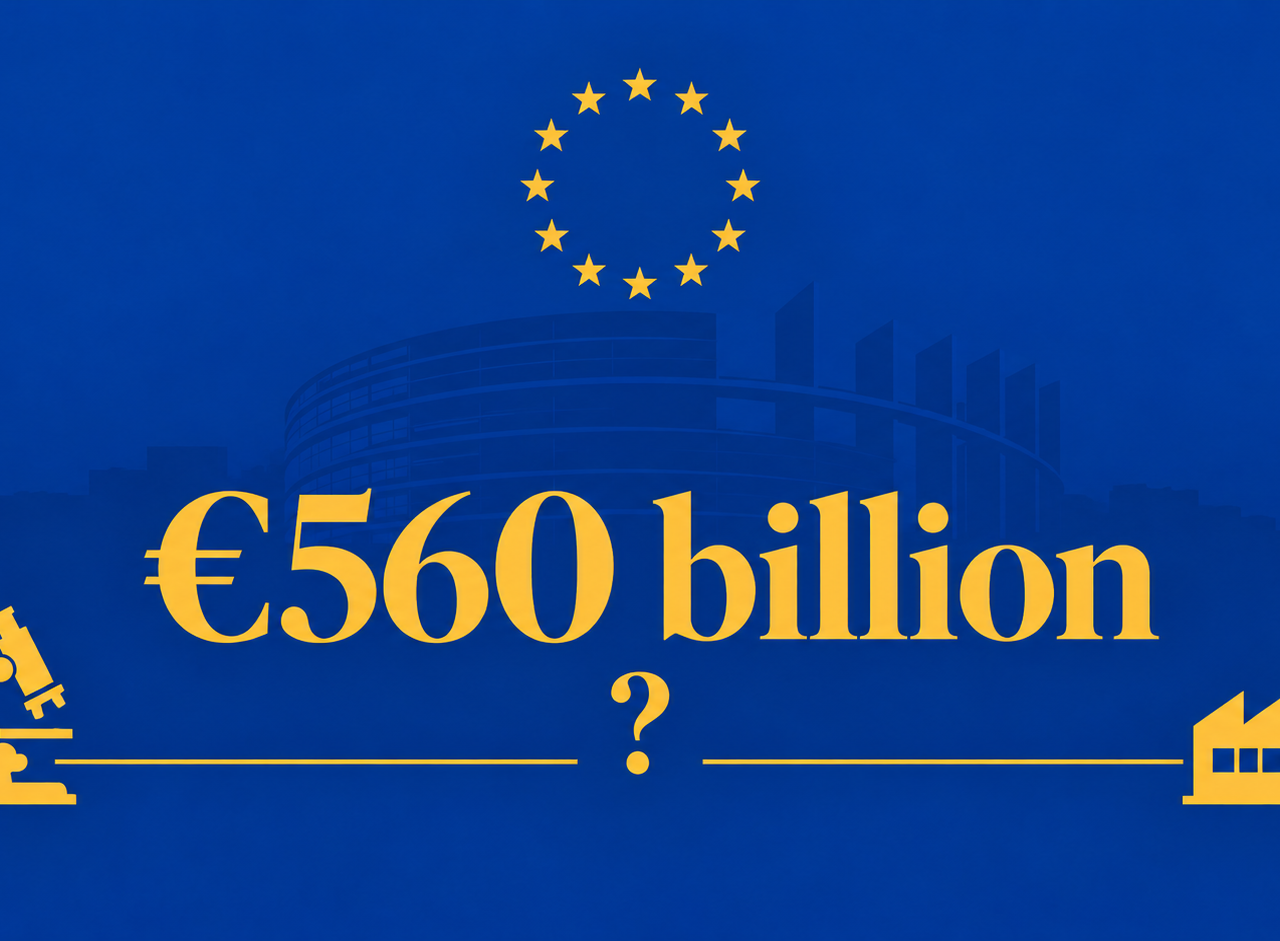
Europe needs roughly €560 billion in additional research and development investment to reach its 2030 spending target, according to a new European Commission report. The figure captures the scale of financial effort. It leaves a harder question open: how will greater research spending translate into stronger European industry, wider technological adoption and lasting economic value?
Published on 1 October 2026, the Science, Research and Innovation Performance of the EU report places investment, fragmentation and scale at the centre of Europe’s innovation challenge. It reinforces a concern raised by the Draghi report: promising innovation still faces barriers to commercialisation and growth.
Read More
Category: Signal, Capital, Energy, European Governance, Featured Headlines, Financial Infrastructure, Governance, Infrastructure, Photonics, Telecom · Tags: Capital Allocation, Deep Tech, European Innovation, industrial policy, Photonics, Public Procurement, Research and Development, Scaleup Finance, Serie - From European Science to European Industry
Posted by Altair Media on October 6, 2026 · Leave a Comment

Connecting banks, pension capital, public lenders and equity markets where industrial finance breaks down
Europe’s financing gap becomes most visible when technological progress must become industrial scale. Capital requirements rise before production generates reliable cash flow. Equity investors must commit larger sums; lenders need a credible route to repayment.
ECB analysis published in 2026 identifies precisely this weakness: insufficient later-stage funding, a narrow institutional investor base and limited cross-border investment within the EU.[1]
Euronext’s IPOready programme shows the businesses seeking a route forward. Its 2026 cohort included more than 160 companies with €29 billion in combined annual revenue.[2] Preparing them for public markets addresses one part of the problem. Financing them on workable terms addresses another.
The issue is whether Europe’s separate financial institutions can share the work—and the risks—of industrial expansion.
Read More
Category: Financial Infrastructure, Capital, Featured Headlines, Financial Governance, Governance, Infrastructure, Insights, Photonics · Tags: capital markets, EIB, EIF, Euronext, European Banking, Industrial Finance, industrial policy, pension funds, Serie - Can Europe’s Banks Build an Industrial Investment Platform?
