Wednesday, October 7, 2026
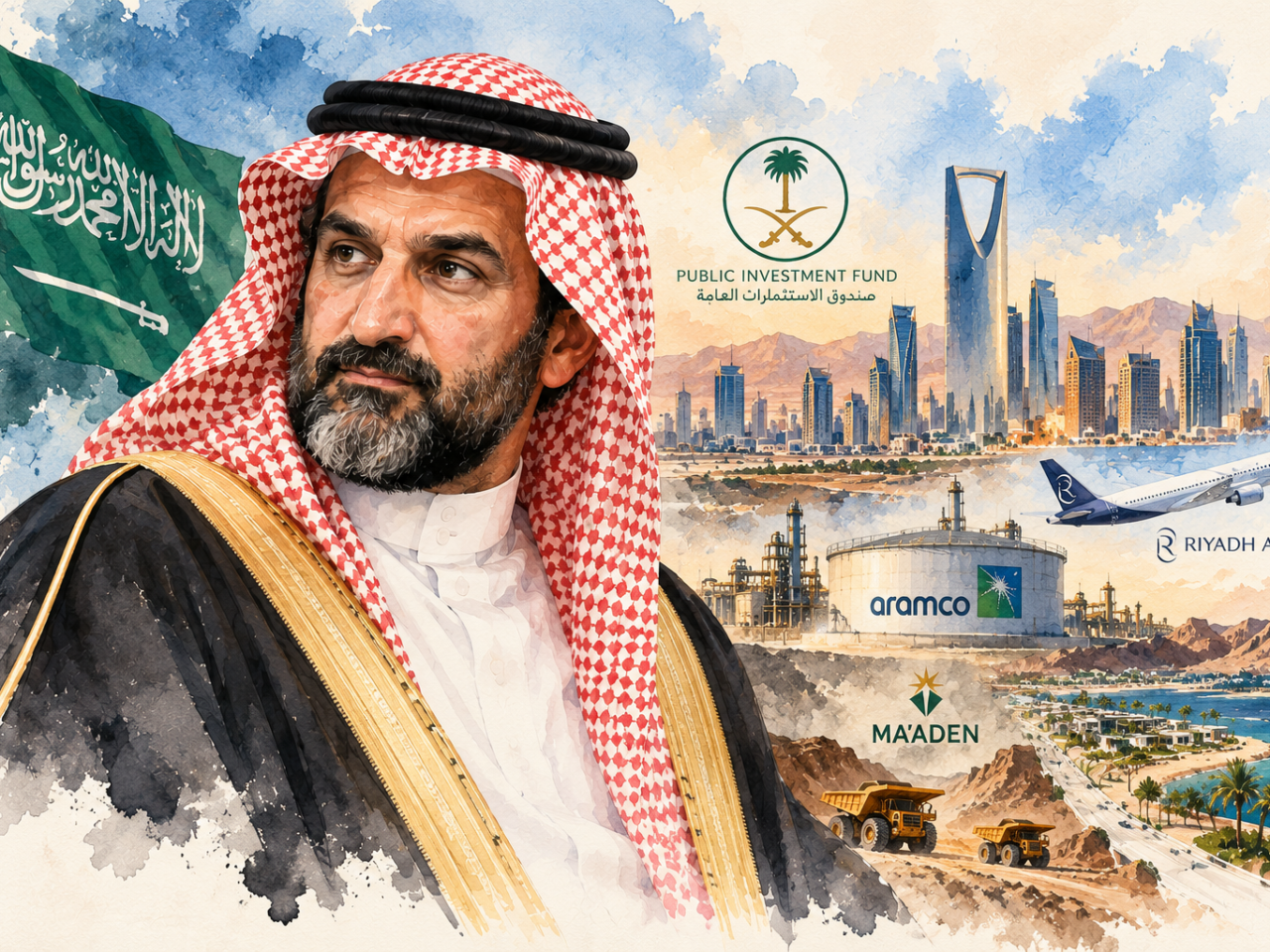
Yasir Al-Rumayyan sits at the centre of Saudi Arabia’s effort to turn sovereign wealth into new industries, infrastructure and investable markets. The real test is not how much PIF can build, but whether private capital eventually follows.
Read More
Tuesday, October 6, 2026
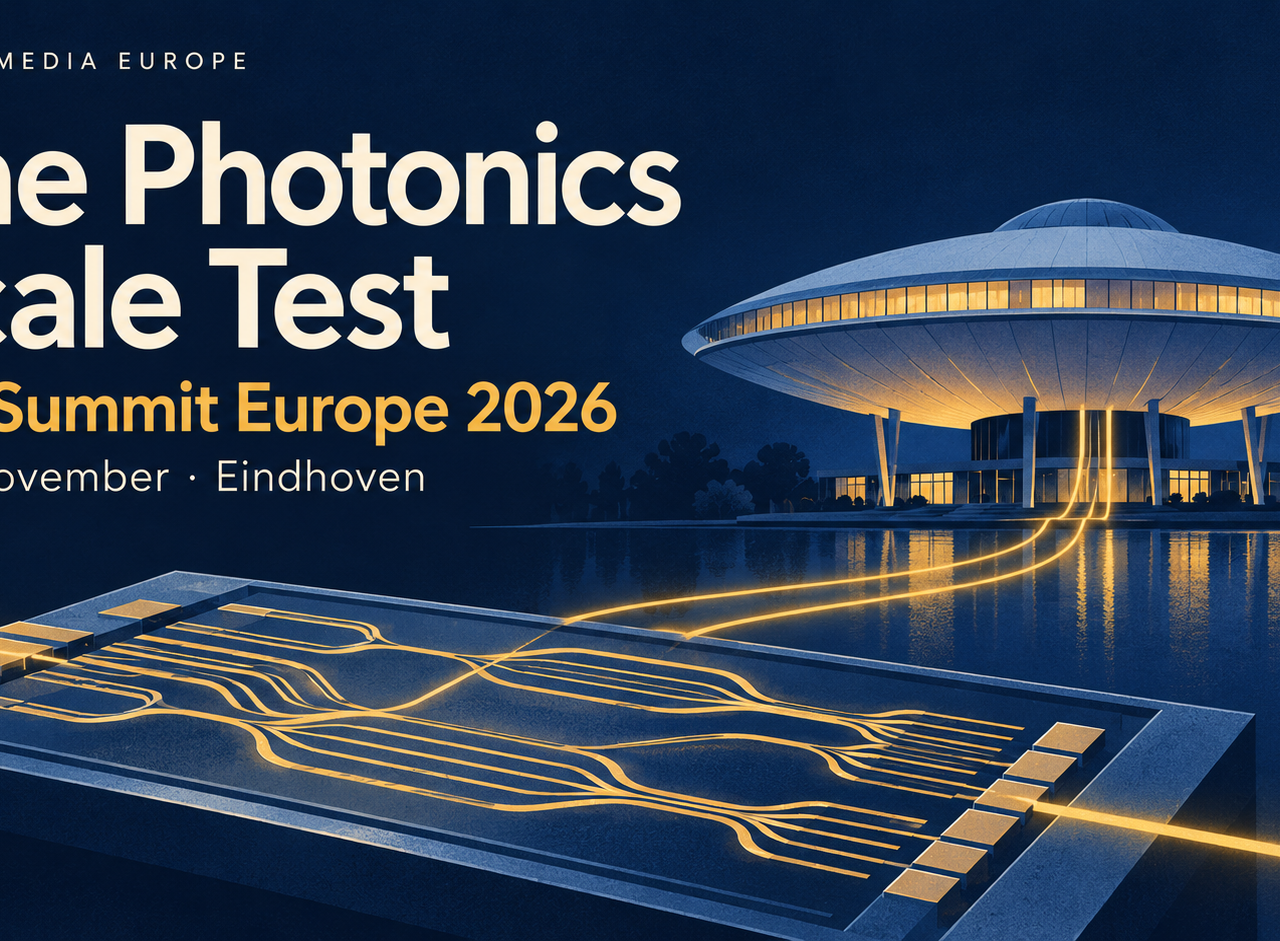
A working photonic chip is only part of the industrial challenge. Ahead of PIC Summit Europe 2026, Altair Media Europe examines five questions about reliable production, customer adoption, financing and European control—and the evidence needed to turn technical progress into lasting commercial value.
Read More
Monday, October 5, 2026
Europe wants stronger networks, but more traffic does not automatically mean better returns. Operators need a business model that earns from the capacity, reliability and certainty they deliver. What should large users pay for—and what can Brussels and operators themselves change?
Read More
Saturday, October 3, 2026
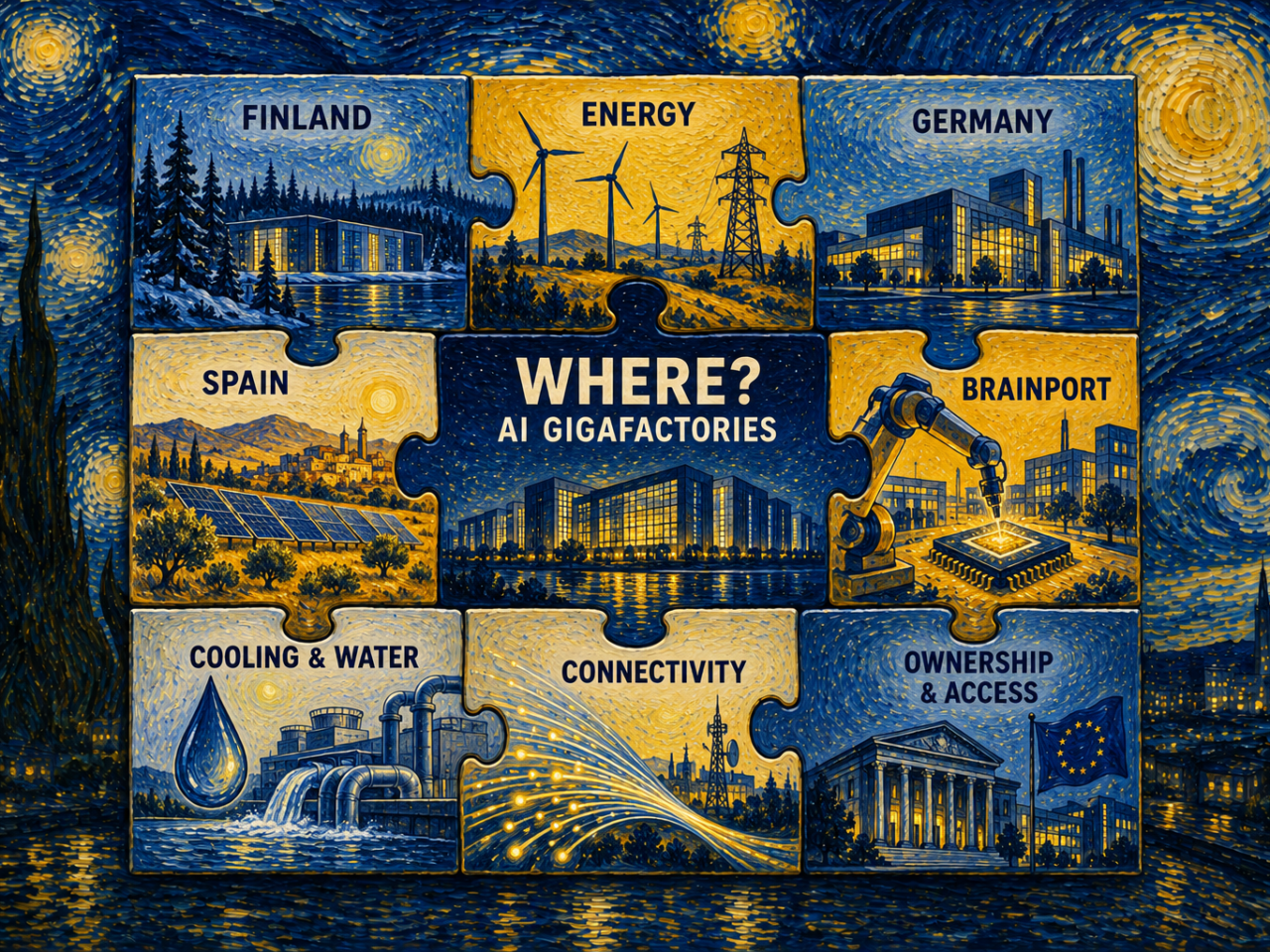
Europe’s AI Gigafactories will be shaped by electricity, cooling, connectivity and industrial demand. Finland, Spain, Germany and Brainport illustrate competing priorities — and a deeper question: who will control the infrastructure and secure lasting access for European users?
Read More
Sunday, September 27, 2026
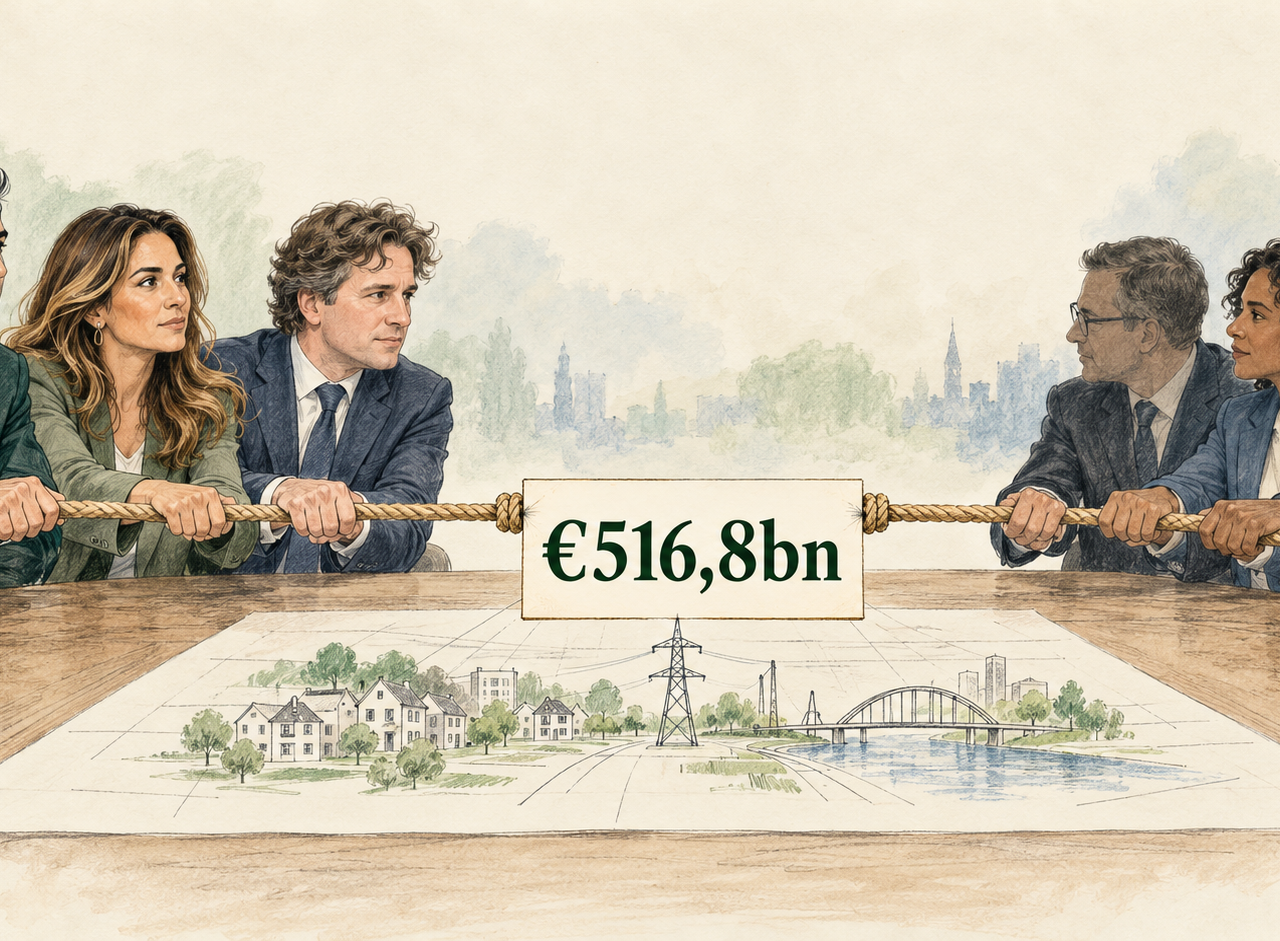
The Dutch budget talks are moving, but an agreement requires more than exchanged concessions. This Signal asks whether coalition and opposition can protect their mandates, share responsibility for the whole budget and make choices that endure beyond the next vote.
Read More
Saturday, September 26, 2026

A minority government needs more than enough votes to pass a budget. This briefing sets out five ways the Netherlands could build a durable agreement: shared evidence, meaningful opposition input, time-bound reforms, deliverable investments and a clear European strategy.
Read More
Friday, September 25, 2026

The Netherlands’ 2027 budget promises investment in the future while a minority government negotiates support in the present. As reforms are delayed and spending rises, the central question is who will ultimately pay for the choices postponed today.
Read More
Thursday, September 24, 2026
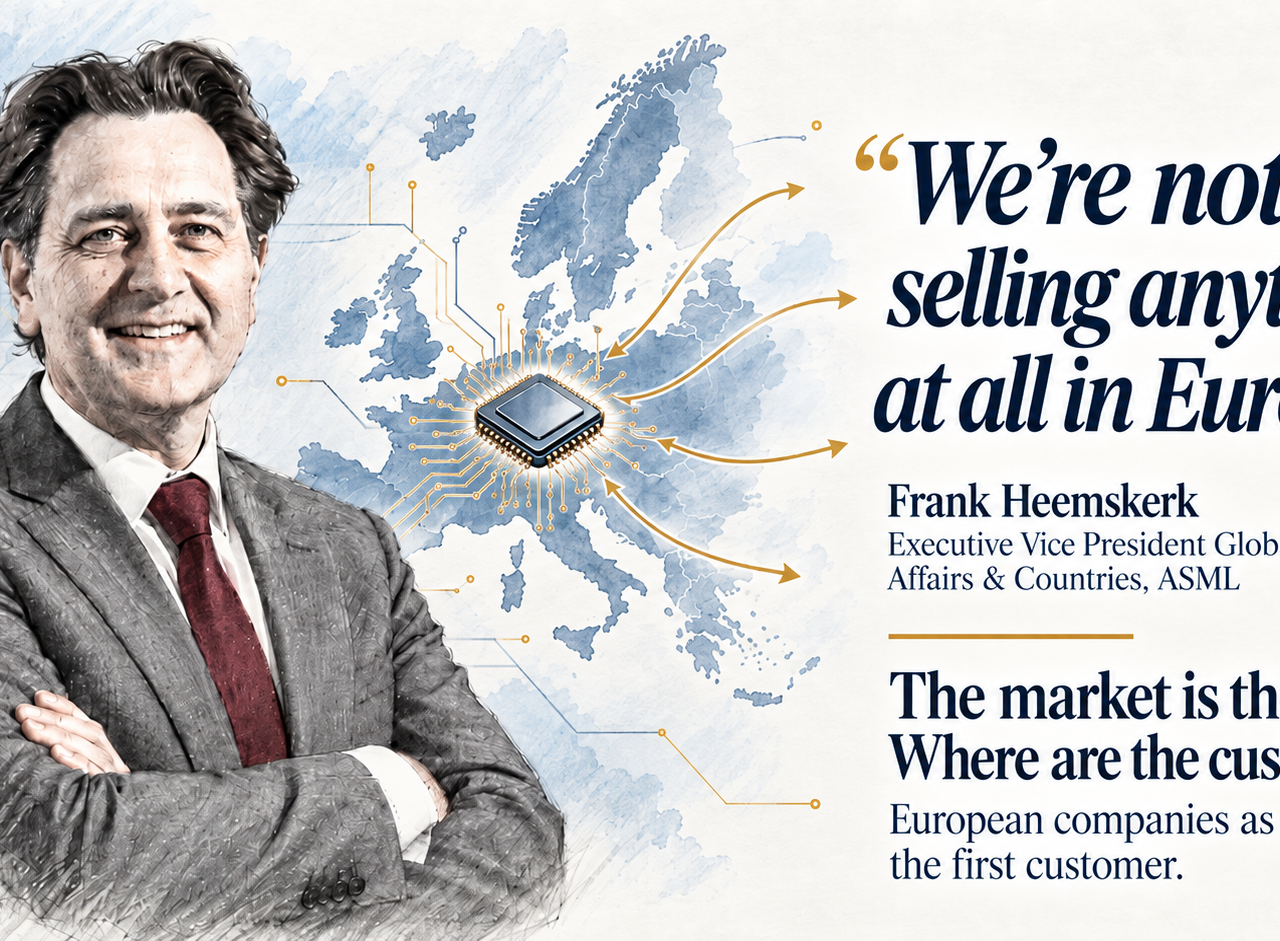
ASML sells virtually no chipmaking machines in Europe. The demand exists, but remains fragmented across industries. Europe’s semiconductor challenge may therefore be less about building fabs than about turning its own companies into coordinated anchor customers.
Read More
Saturday, September 19, 2026
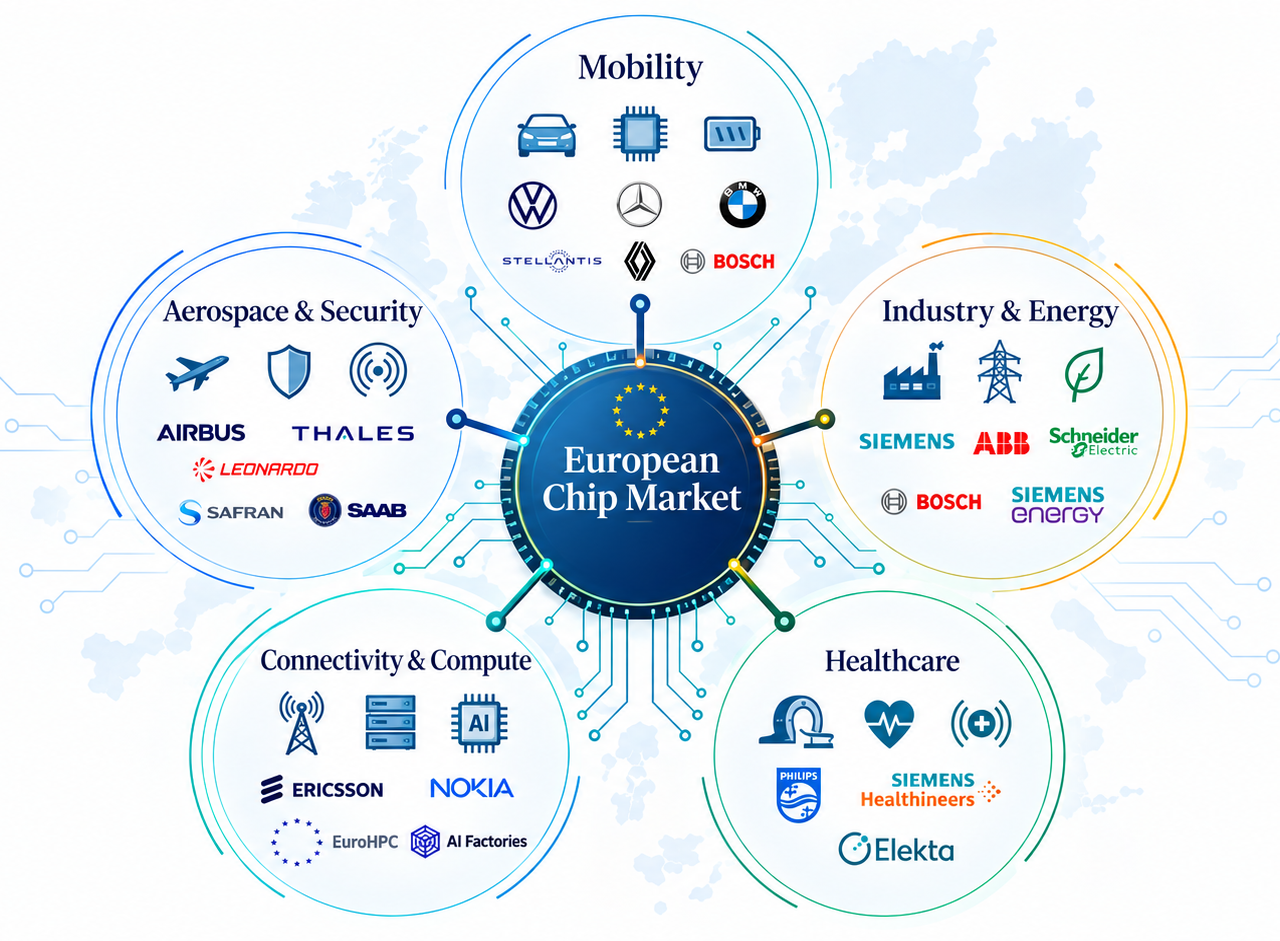
Europe already possesses many of the companies, technologies and industrial sectors needed to sustain a semiconductor market. The challenge is no longer only building fabs, but connecting demand across mobility, energy, healthcare, telecom, aerospace and AI infrastructure.
Read More
Wednesday, September 16, 2026
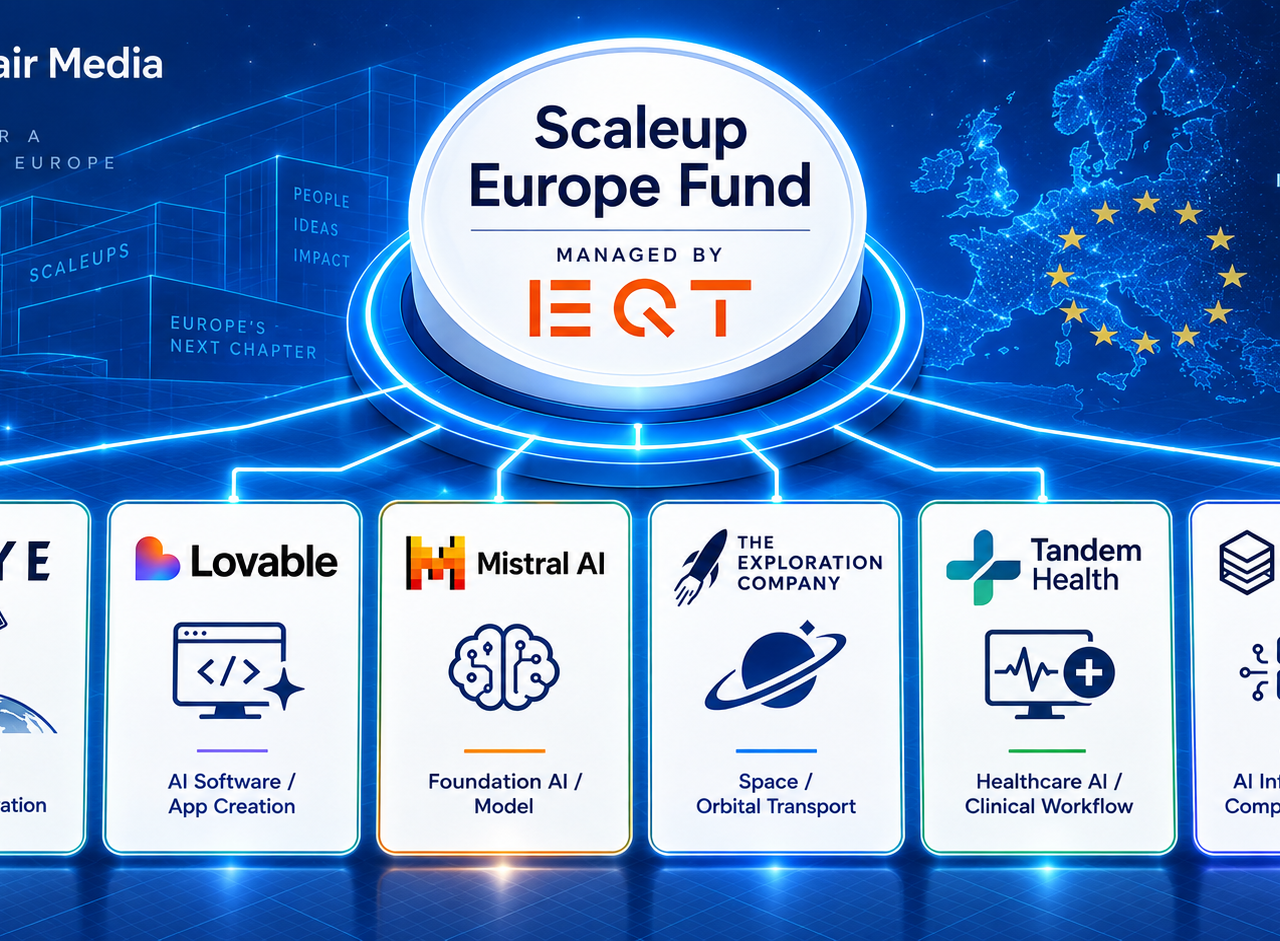
Six investments in, Europe’s Scaleup Europe Fund is moving from institutional design to market execution. The next test is harder: whether its capital can mobilise markets, attract institutional investors and keep strategic European companies anchored as they scale.
Read More

 Available here: