Altair Media
Exploring the systems shaping Europe’s future
-

Beyond the Stadium
Sunday, October 25, 2026
Switzerland’s proposed 2038 Winter Olympics raise questions far beyond sport. Through four reflections on governance, sovereignty, communication and institutional legacy, Altair Media explores why the ability to coordinate existing capabilities may become one of the defining strengths of modern democracies.
-
The Energy Balance Sheet
Wednesday, October 21, 2026
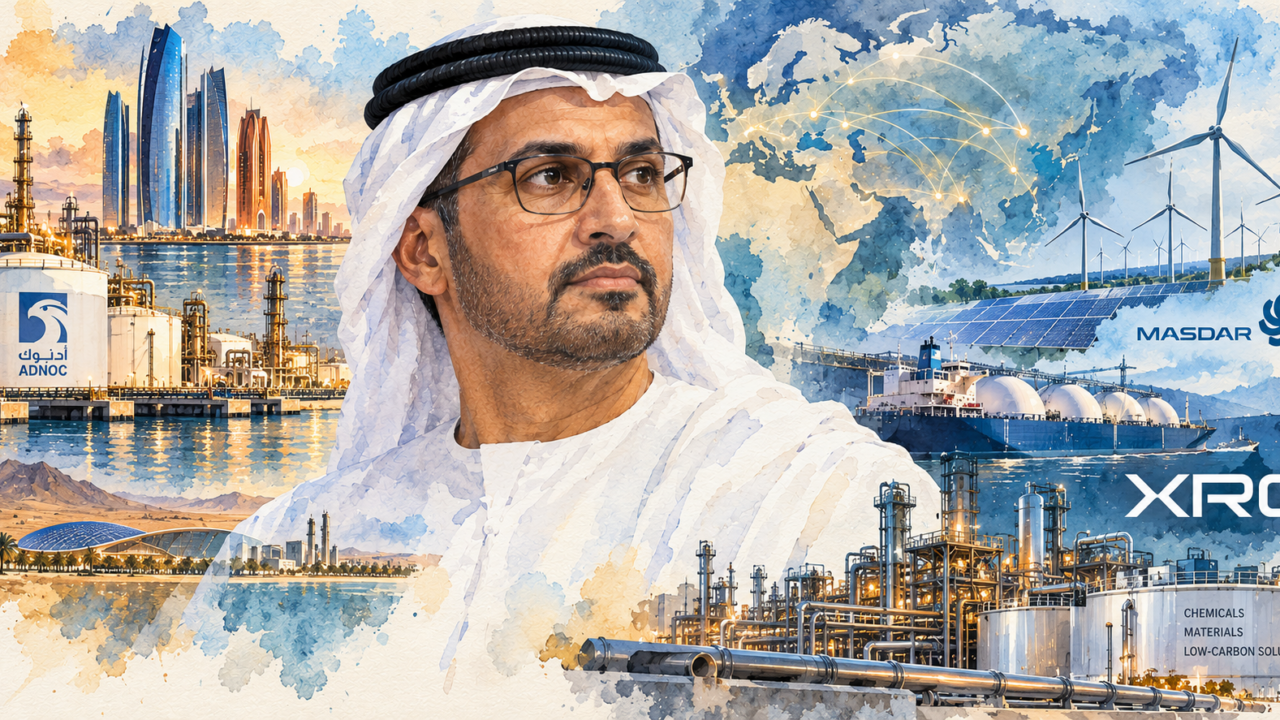
Sultan Al Jaber operates across hydrocarbons, renewables and international energy investment. Through ADNOC, Masdar and XRG, he is helping build an energy system in which the cash flows of today’s economy are increasingly used to finance the infrastructure, materials and technologies of the next.
-

Who Pays for Taxing Real Gains?
Tuesday, October 20, 2026
The Netherlands wants to tax more investment gains when they are realised, but that shift can delay revenue. As Parliament moves to protect modest savers, the box 3 debate turns to a harder question: which measures can credibly fund the reform?
-
Who Finances the First Factory?
Monday, October 19, 2026
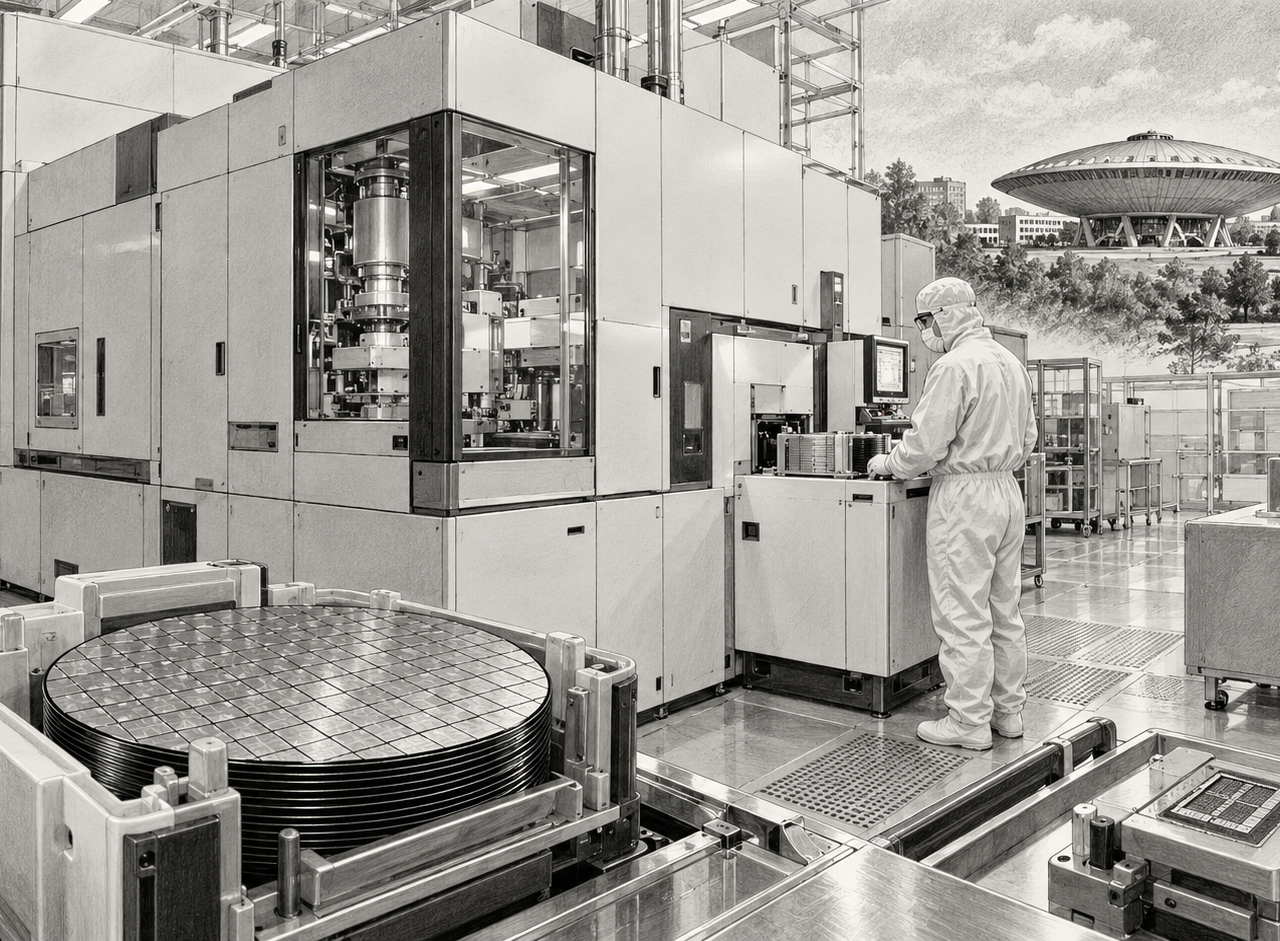
A working chip still needs a financeable manufacturing business. Using XIVER’s expansion as a case, this Altair Signal examines who carries the costs and risks between pilot production and reliable commercial delivery — and why equipment finance alone may leave the cash gap unresolved.
-

Europe Has More Stories to Tell
Sunday, October 18, 2026
Europe has more stories to tell. Through experimental writing, Altair Media explores the connections between culture, entrepreneurship, technology and capital — and introduces a new briefing for readers curious about the Europe taking shape around them.
-
The Sovereign Bridge
Friday, October 16, 2026
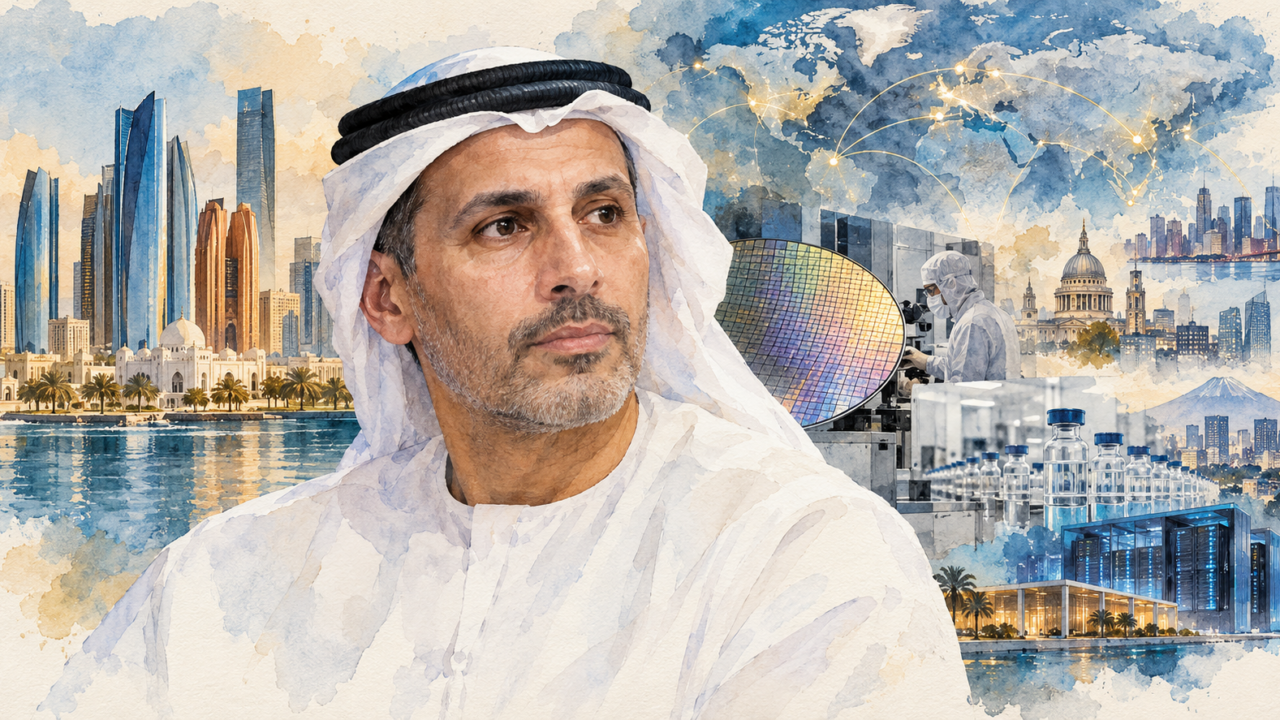
Khaldoon Al Mubarak has spent more than two decades turning Abu Dhabi’s sovereign capital into a bridge to global markets, technology and expertise. The deeper question is whether those relationships can become lasting capabilities at home — rather than remaining dependent on the capital that created them.
-
When the Digital Layer Stops
Friday, October 16, 2026
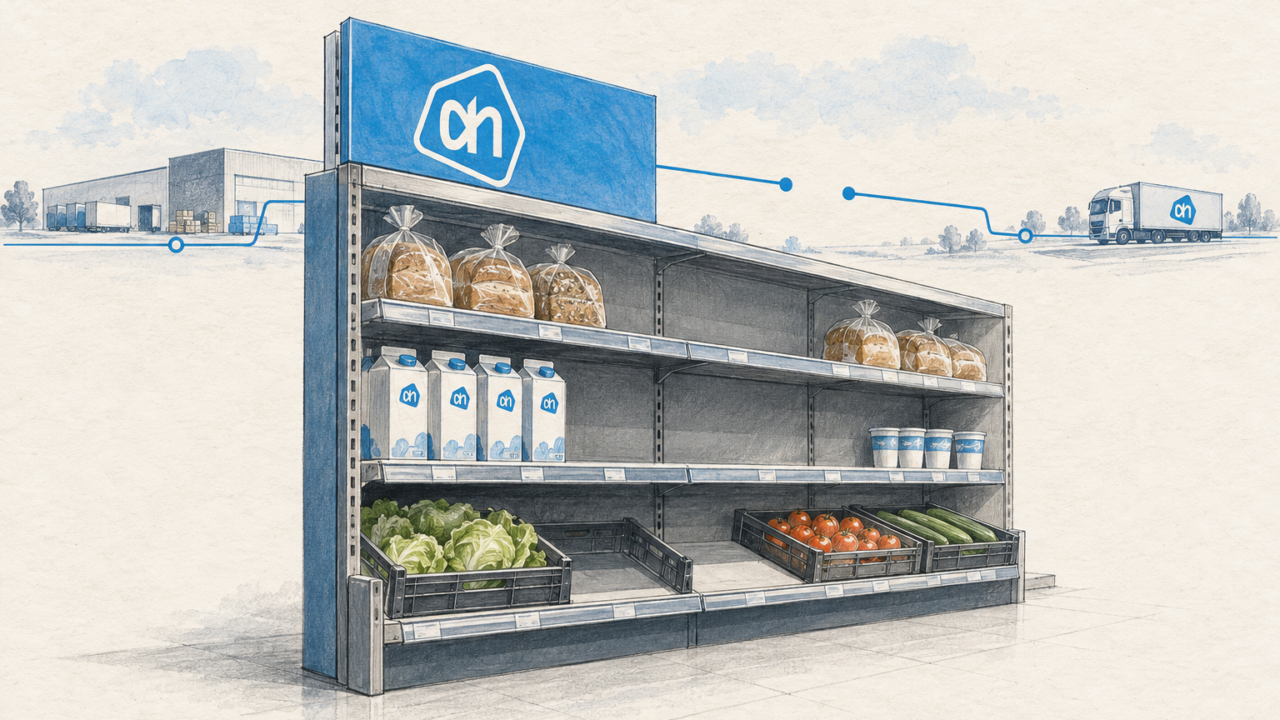
Albert Heijn’s cybersecurity incident exposed the gap between physical capacity and digital control. Six strategic questions examine what essential services can safely keep delivering when systems are disconnected — and why resilience requires boardroom decisions on funding, operational independence and tested fallback capacity.
-

Europe’s Innovation Layer
Sunday, October 11, 2026
Europe’s energy future depends on turning scientific breakthroughs into reliable industrial capabilities. Strategic Briefing IV explores how research teams, start-ups and scale-ups contribute to that transition—and why demonstration projects, first customers and deployment finance determine which innovations become part of Europe’s energy architecture.
-
Europe’s Power to Decide
Friday, October 9, 2026
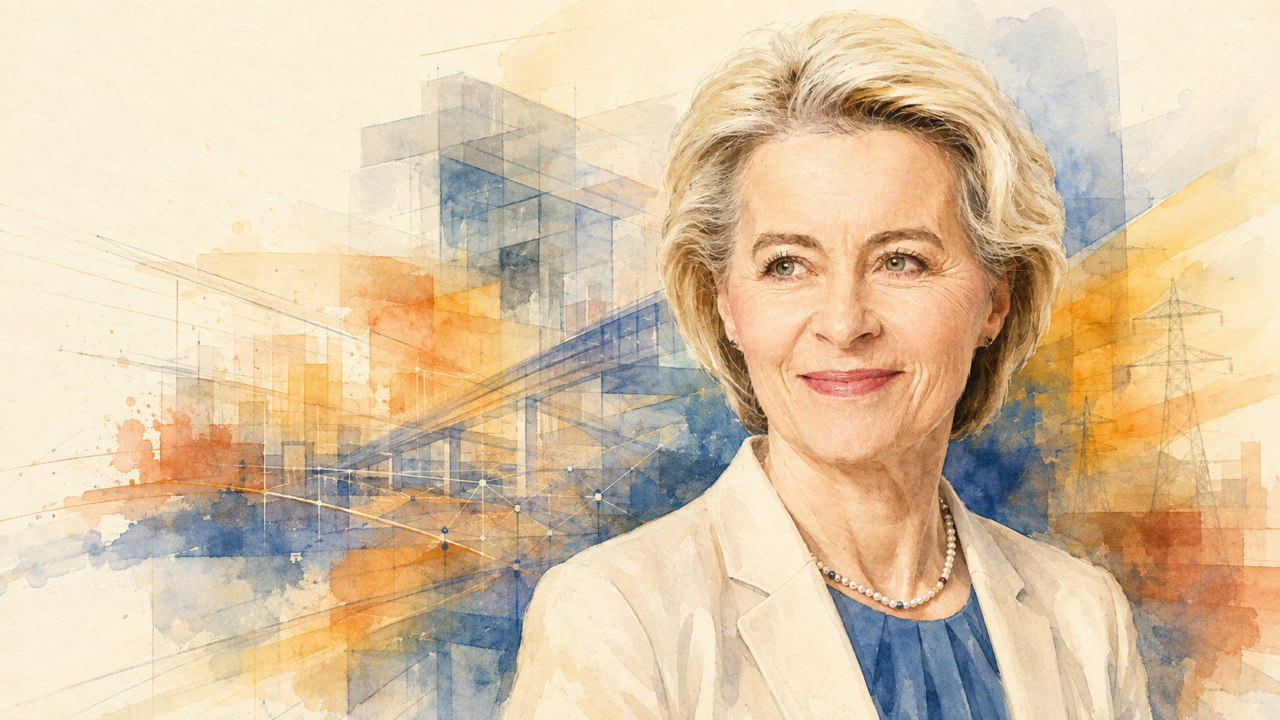
As Europe prepares for enlargement, the debate over national vetoes raises deeper questions about power, sovereignty and democratic consent. A four-part series exploring how a larger Union can act effectively while retaining the trust of its members and citizens.
-
The Sovereign Developer
Wednesday, October 7, 2026
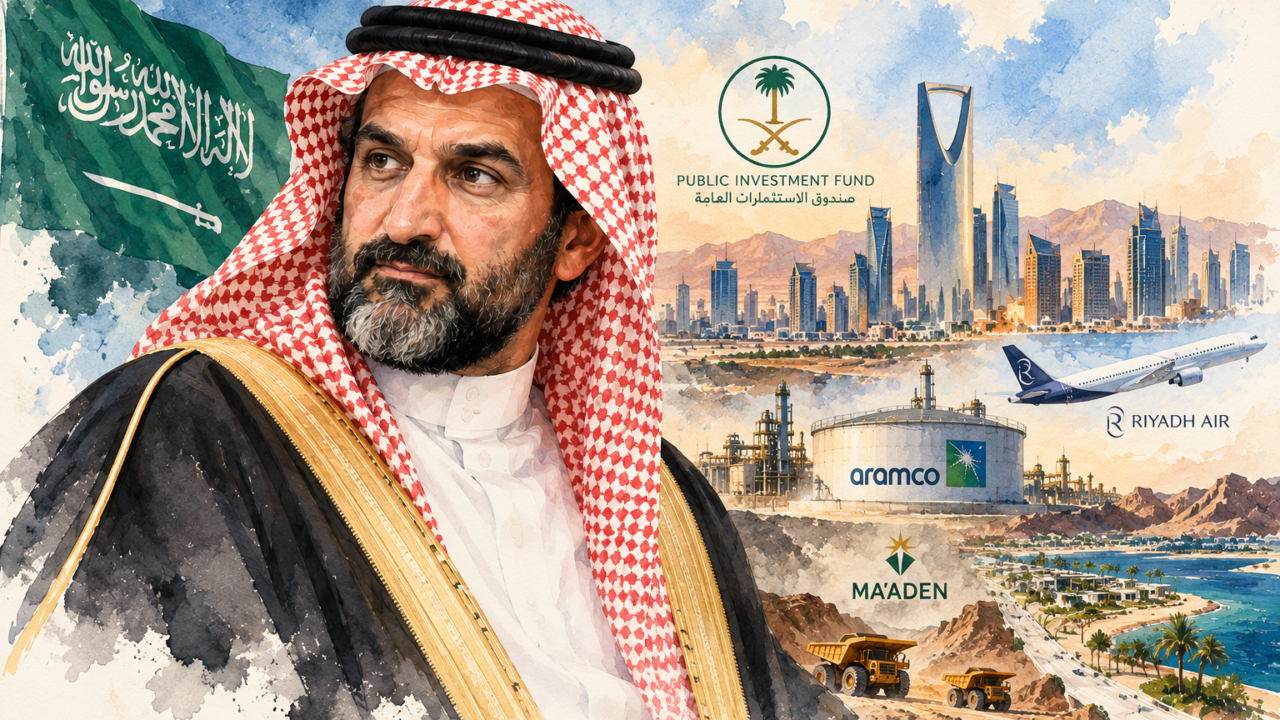
Yasir Al-Rumayyan sits at the centre of Saudi Arabia’s effort to turn sovereign wealth into new industries, infrastructure and investable markets. The real test is not how much PIF can build, but whether private capital eventually follows.