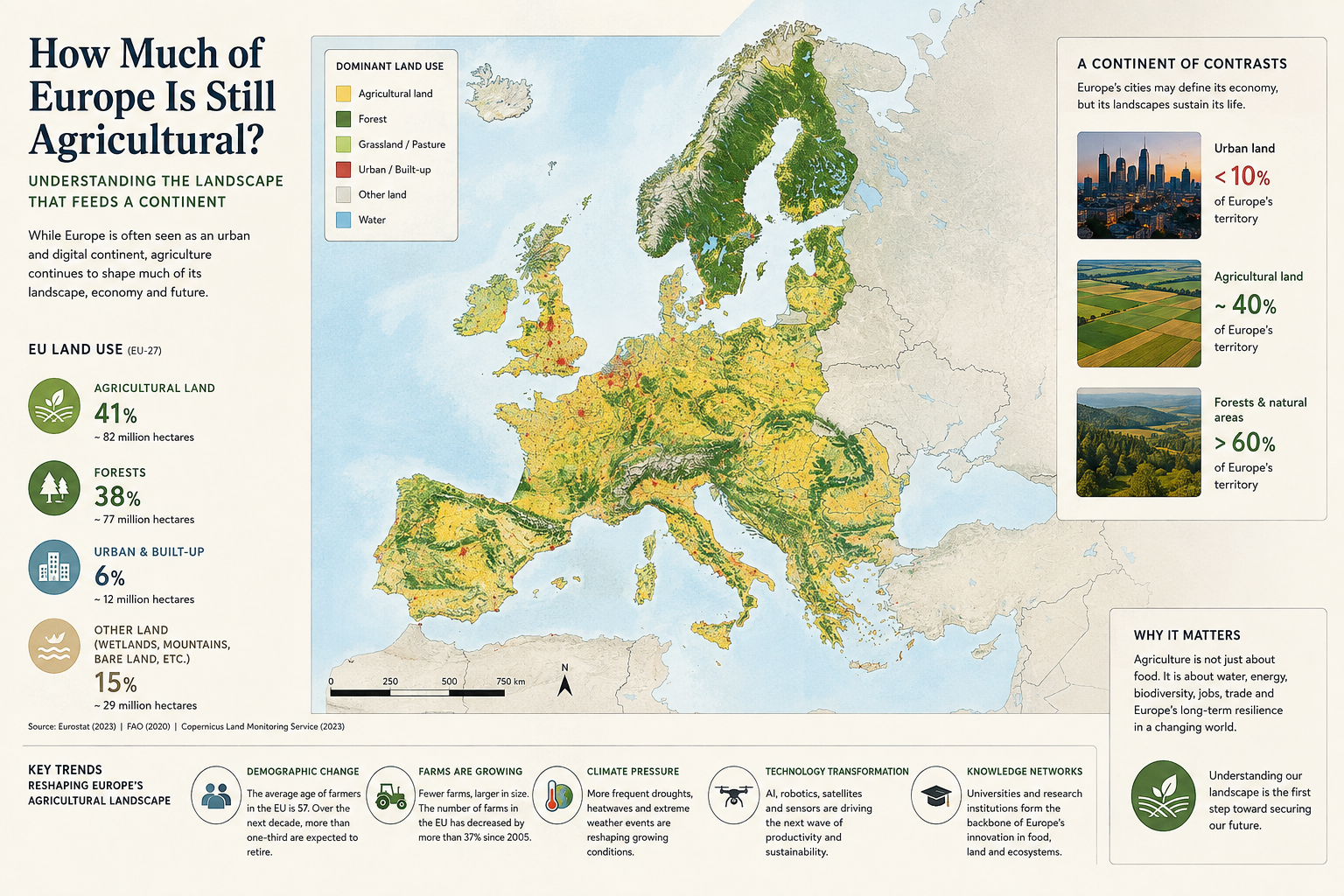
Europe’s agricultural landscape still shapes the continent far more than many people realise. This opening Perspective explores how land, technology, science and demographic change are transforming one of Europe’s largest and most essential systems: its food landscape.
Health & Wellbeing
Health and wellbeing underpin the resilience, productivity and long-term stability of modern societies.

Most people think of loneliness as a personal problem. Yet organisations such as Mental Health Europe and the European Public Health Alliance increasingly see it as a broader societal challenge. As Europe becomes more digital and interconnected, questions about social connection, wellbeing and community are moving higher on the policy agenda.
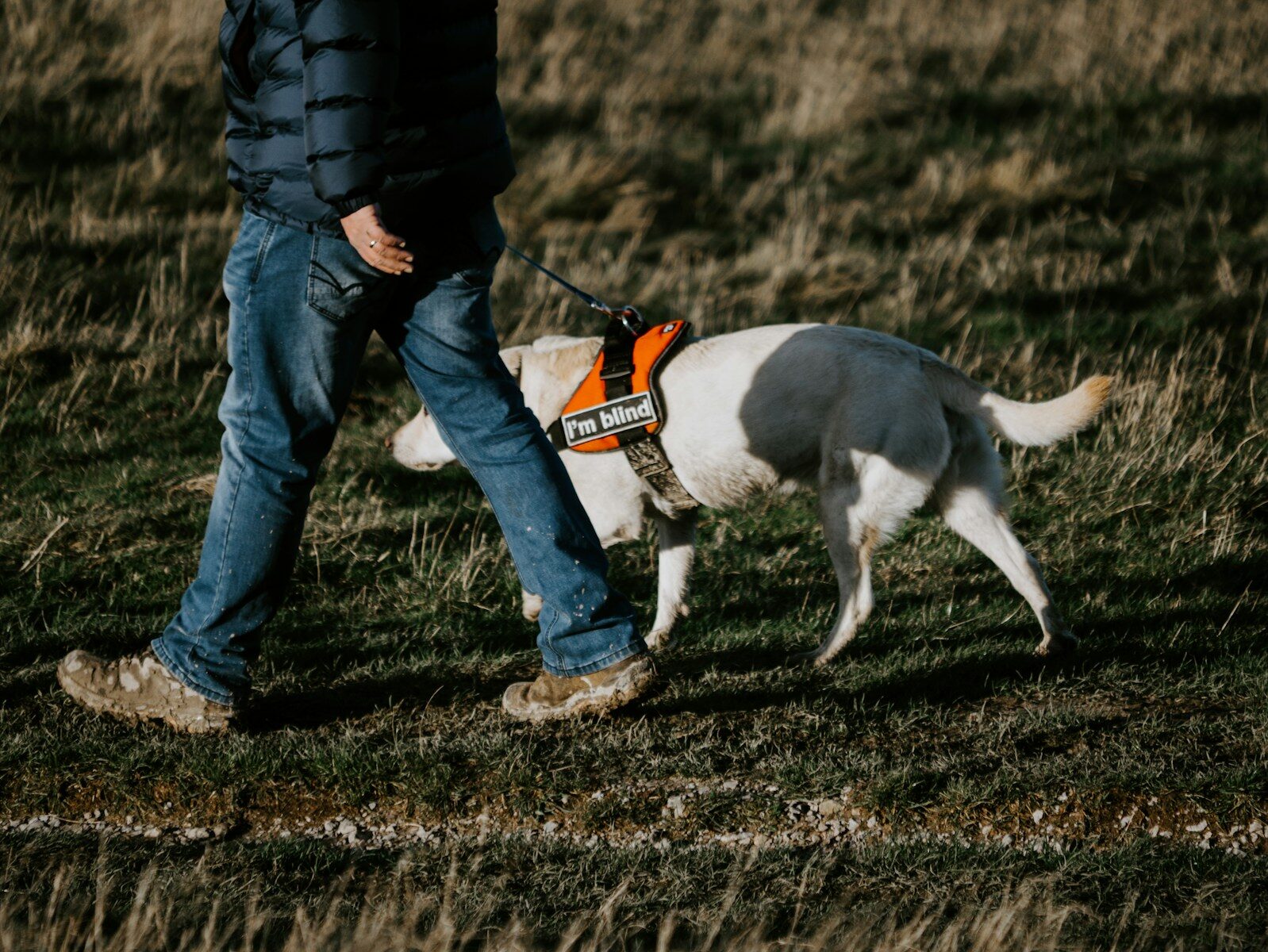
At MWC 2026, the promise of frictionless technology masks a deeper failure: systems designed for speed, not usability. Inclusive design reveals a critical truth—innovation succeeds not when it impresses, but when it enables real human autonomy.

Inclusive design is often reduced to accessibility and compliance. Yet in an age of AI-mediated systems, design determines whether citizens retain agency or are silently processed. Inclusion is no longer ethical decoration — it is Europe’s social infrastructure.

The MedTech landscape in 2026 is defined not just by innovation, but by how technology earns trust. As AI, robotics and data-driven care accelerate, the real differentiator is no longer what technology can do — but how human it feels. The Big Five—Philips, GE HealthCare, Medtronic, J&J MedTech and Siemens Healthineers—each navigate this tension differently.

Healthcare is becoming increasingly electronic. From wearable sensors and smart patches to remote diagnostics and continuous monitoring, digital technologies now sit directly on the human body — sometimes even inside it. These innovations promise earlier detection, better outcomes and more personalised care. Yet beneath this progress lies a growing contradiction.
