Tuesday, October 6, 2026

Can Europe turn photonics expertise into industrial scale? Around PIC Summit Europe 2026, Altair Media Europe explores the production capacity, customer demand and financing needed to move integrated photonics from technological promise to reliable commercial deployment.
Read More
Tuesday, October 6, 2026
Europe’s €560 billion R&D investment challenge raises a question beyond spending: how does scientific strength become industrial capability? This Altair Signal examines the gap between research targets, private investment and production — and why customers matter alongside capital.
Read More
Tuesday, October 6, 2026
Europe’s scientific strength does not automatically become industrial strength. In this four-part series, Altair Media Europe explores who finances the journey from breakthrough research to production and practical use — and how public funding, banks and institutional investors can connect.
Read More
Monday, September 28, 2026
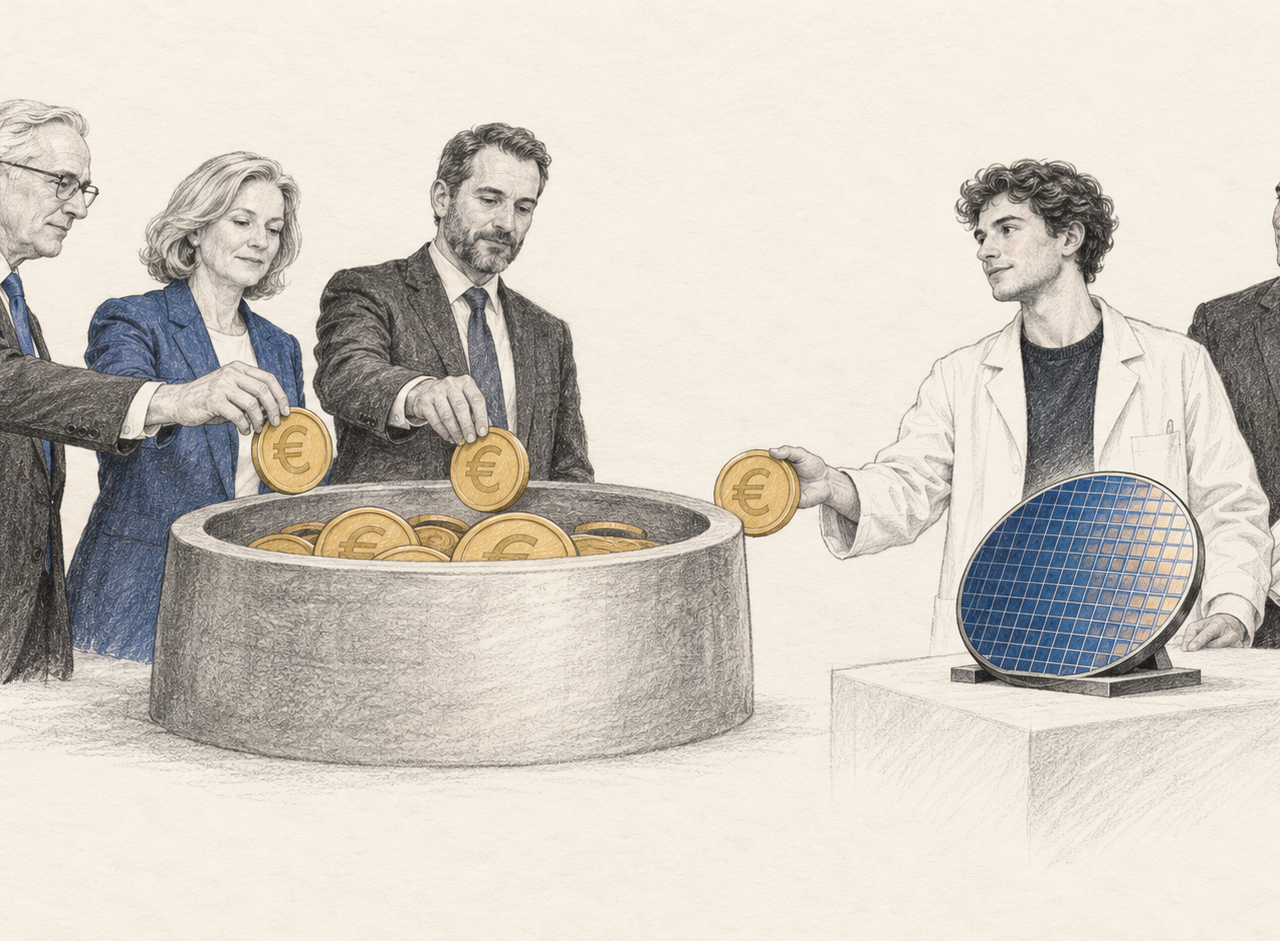
ABP’s €250 million commitment adds Dutch pension capital to the Scaleup Europe Fund. As EQT raises money and invests alongside companies such as Samsung, the distinction between financing the fund and joining individual rounds becomes strategically important.
Read More
Wednesday, September 16, 2026
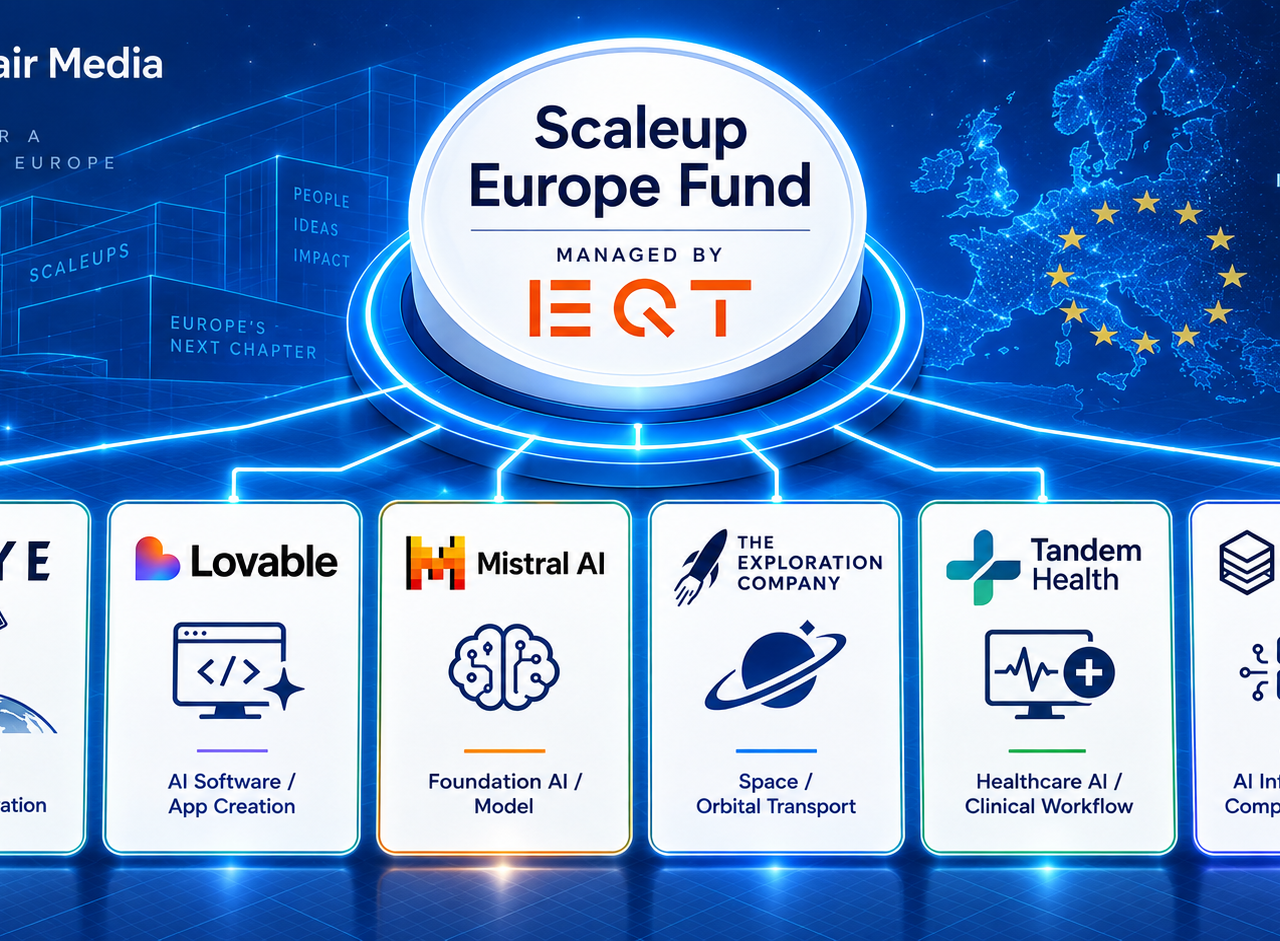
Six investments in, Europe’s Scaleup Europe Fund is moving from institutional design to market execution. The next test is harder: whether its capital can mobilise markets, attract institutional investors and keep strategic European companies anchored as they scale.
Read More
Friday, September 11, 2026

Europe’s deep-tech challenge is no longer only about creating start-ups. It is increasingly about building a financial flywheel in which public capital de-risks early growth, private investors follow, and successful scale-ups generate the returns needed to finance the next generation.
Read More
Wednesday, September 2, 2026

Michiel Scheffer wants Europe to do more than finance scientific discovery. His vision for the European Innovation Council connects research, patient capital, industrial demand and strategic procurement—turning breakthrough technologies into companies, production capacity and European power.
Read More
Monday, August 10, 2026

ICEYE’s €1 billion funding round signals a new phase in Europe’s industrial ambitions. Europe is learning to finance strategic companies at scale. The next test is whether its investors and stock exchanges are ready to grow with them.
Read More
Friday, July 31, 2026

Europe’s strength may not lie in replicating Silicon Valley, but in connecting its specialised innovation ecosystems. From Brainport and Dresden to Paris-Saclay and the Baltic States, Europe’s future competitiveness increasingly depends on collaboration across complementary centres of scientific and industrial excellence.
Read More
Monday, July 27, 2026

A German quantum breakthrough and one deceptively simple question reveal a much larger story. As quantum computing moves beyond the laboratory, Europe’s invisible strengths in photonics and system integration may become the foundations of its next technological infrastructure.
Read More

 Available here: