Tuesday, October 6, 2026
Europe’s €560 billion R&D investment challenge raises a question beyond spending: how does scientific strength become industrial capability? This Altair Signal examines the gap between research targets, private investment and production — and why customers matter alongside capital.
Read More
Tuesday, October 6, 2026

Europe’s banks, pension funds and public institutions already invest together. The challenge is making that cooperation support larger industrial investments, realistic funding rounds and credible IPOs—with clear commitments about who provides capital, who carries risk and what happens when financing plans change.
Read More
Monday, September 28, 2026
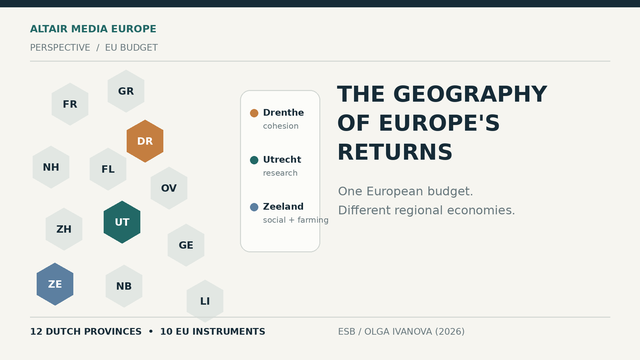
EU funding does more than return money to member states. A study of Dutch provinces shows how research, cohesion and agricultural funds shape different regional economies—and why Europe’s next budget must consider where growth takes place.
Read More
Monday, September 28, 2026
ABP’s €250 million commitment adds Dutch pension capital to the Scaleup Europe Fund. As EQT raises money and invests alongside companies such as Samsung, the distinction between financing the fund and joining individual rounds becomes strategically important.
Read More
Sunday, September 27, 2026
The Dutch budget talks are moving, but an agreement requires more than exchanged concessions. This Signal asks whether coalition and opposition can protect their mandates, share responsibility for the whole budget and make choices that endure beyond the next vote.
Read More
Friday, September 25, 2026

The Netherlands’ 2027 budget promises investment in the future while a minority government negotiates support in the present. As reforms are delayed and spending rises, the central question is who will ultimately pay for the choices postponed today.
Read More
Thursday, September 24, 2026
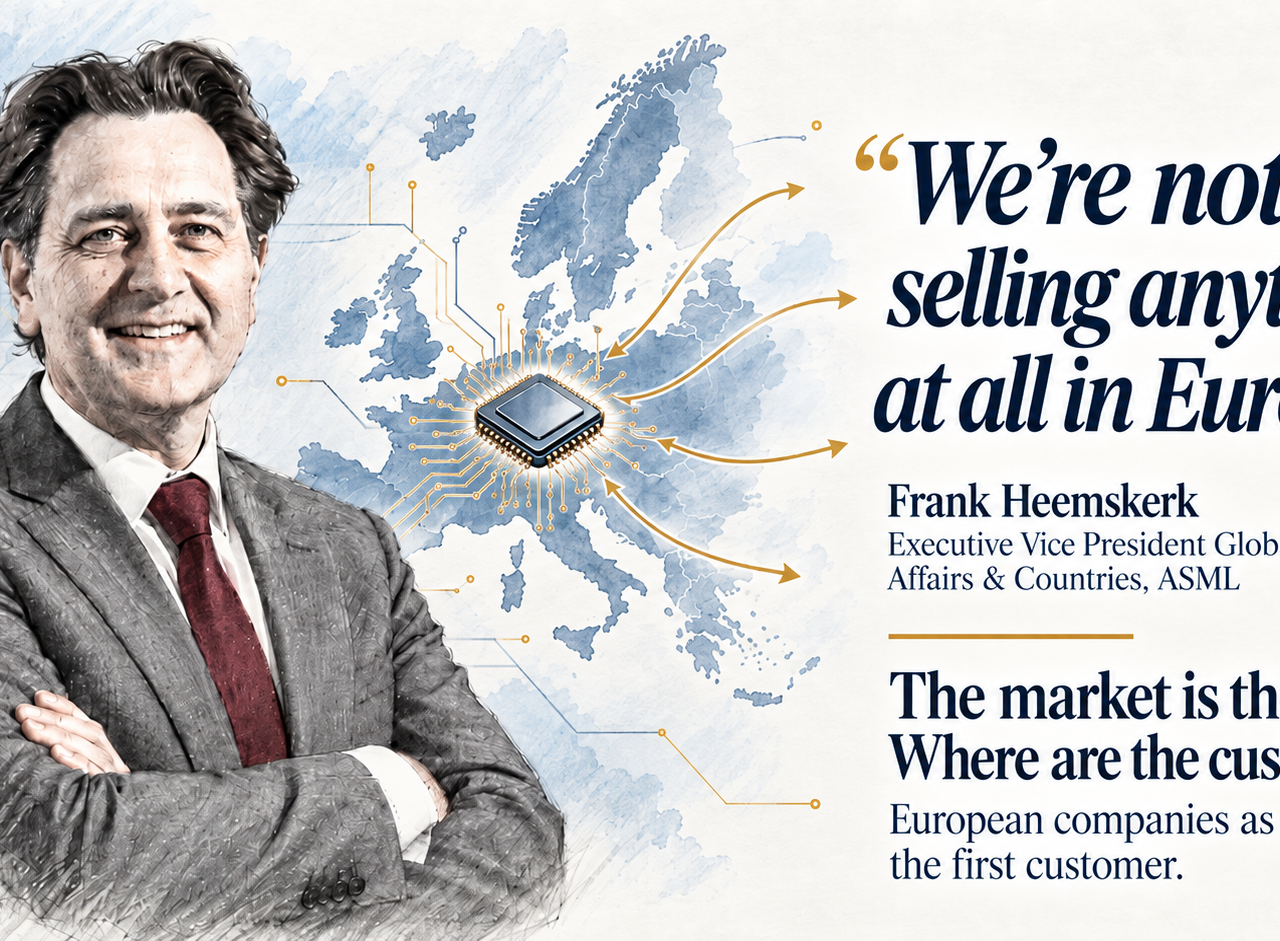
ASML sells virtually no chipmaking machines in Europe. The demand exists, but remains fragmented across industries. Europe’s semiconductor challenge may therefore be less about building fabs than about turning its own companies into coordinated anchor customers.
Read More
Wednesday, September 23, 2026

Europe already has the money and public institutions needed to support new factories, energy networks and battery plants. The challenge is getting them to work together so private investors can join promising projects before every risk has disappeared.
Read More
Wednesday, September 16, 2026

Europe’s Scaleup Fund is beginning to do more than finance individual companies. With six investments completed and more than 100 firms in the pipeline, it may be creating the late-stage capital layer Europe has long lacked.
Read More
Wednesday, September 16, 2026
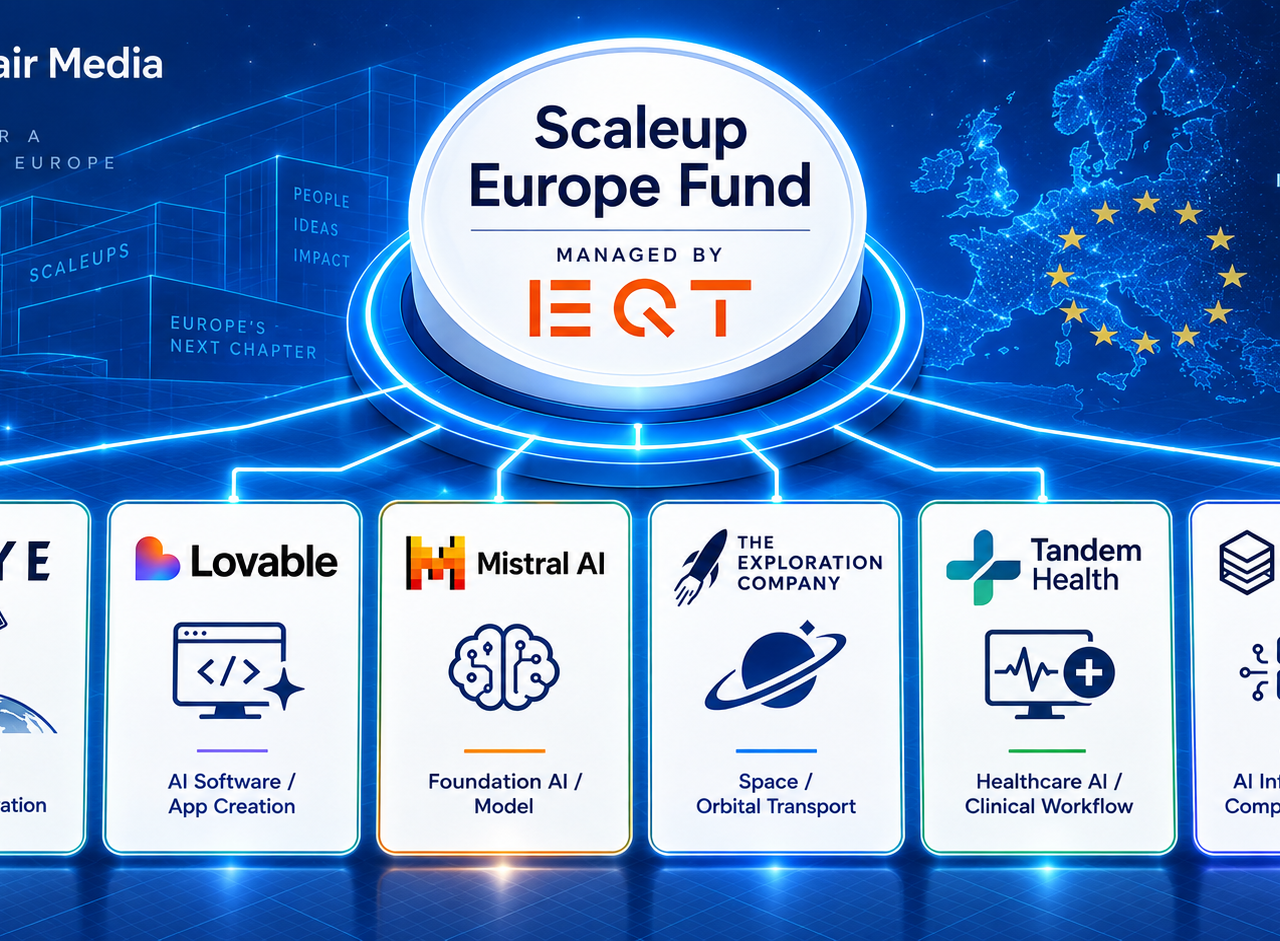
Six investments in, Europe’s Scaleup Europe Fund is moving from institutional design to market execution. The next test is harder: whether its capital can mobilise markets, attract institutional investors and keep strategic European companies anchored as they scale.
Read More

 Available here: