Thursday, August 6, 2026
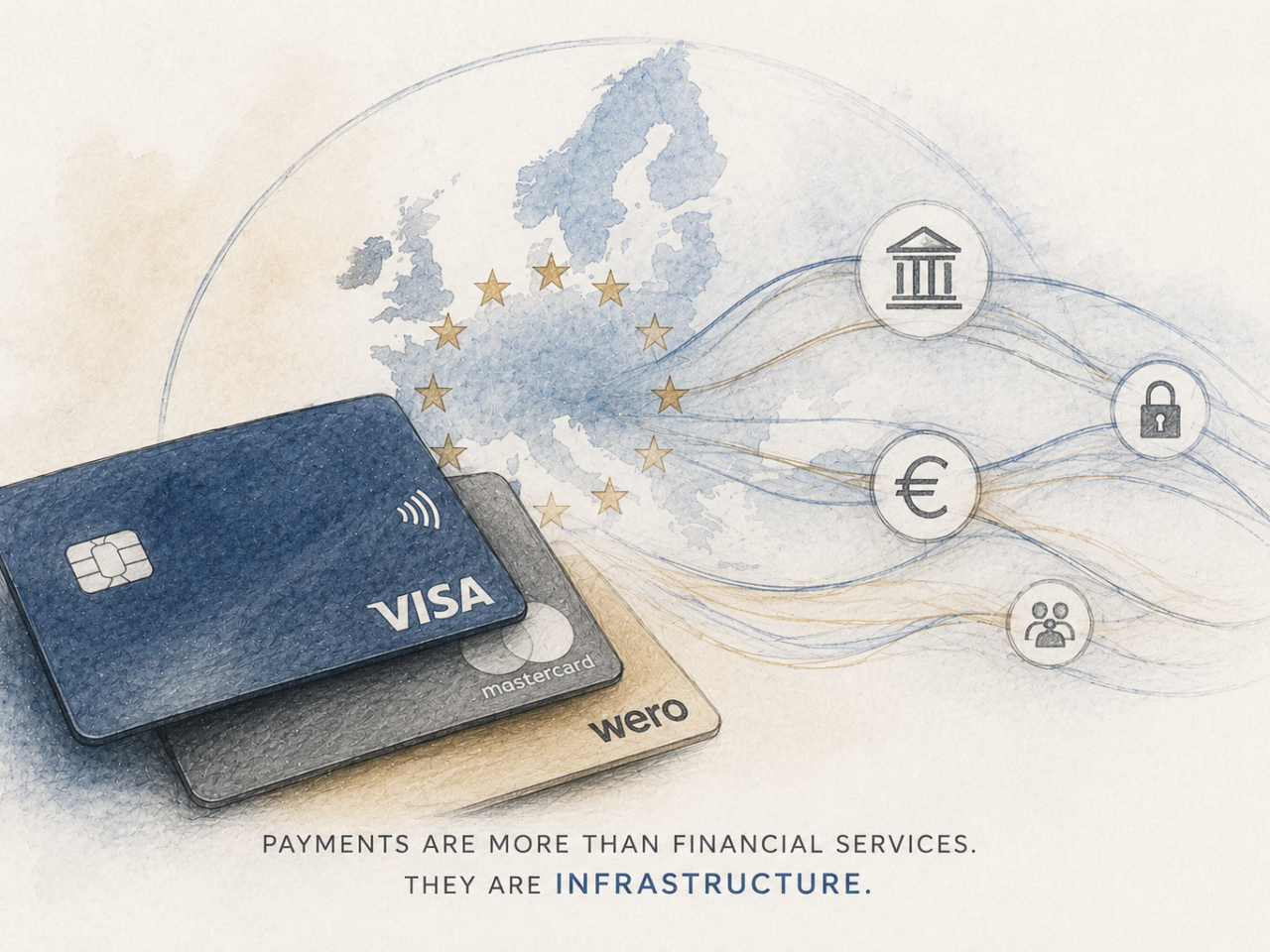
Every digital payment depends on far more than a card or smartphone. Behind each transaction lies an invisible network of payment rails, banks and public institutions that increasingly forms part of Europe’s strategic infrastructure and its broader economic resilience.
Read More
Thursday, August 6, 2026

Europe’s agricultural landscape still shapes the continent far more than many people realise. This opening Perspective explores how land, technology, science and demographic change are transforming one of Europe’s largest and most essential systems: its food landscape.
Read More
Tuesday, August 4, 2026

Europe’s AI ambitions will not be realised by policy announcements alone. Behind every proposed AI Gigafactory lies a vast industrial ecosystem in which energy, semiconductors, connectivity, capital and talent must be coordinated into a single infrastructure.
Read More
Monday, August 3, 2026
Europe’s AI Gigafactories are about far more than computing power. They represent a new generation of strategic infrastructure where energy, semiconductors, photonics, connectivity and industrial ecosystems determine whether Europe’s AI ambitions can become reality.
Read More
Monday, August 3, 2026
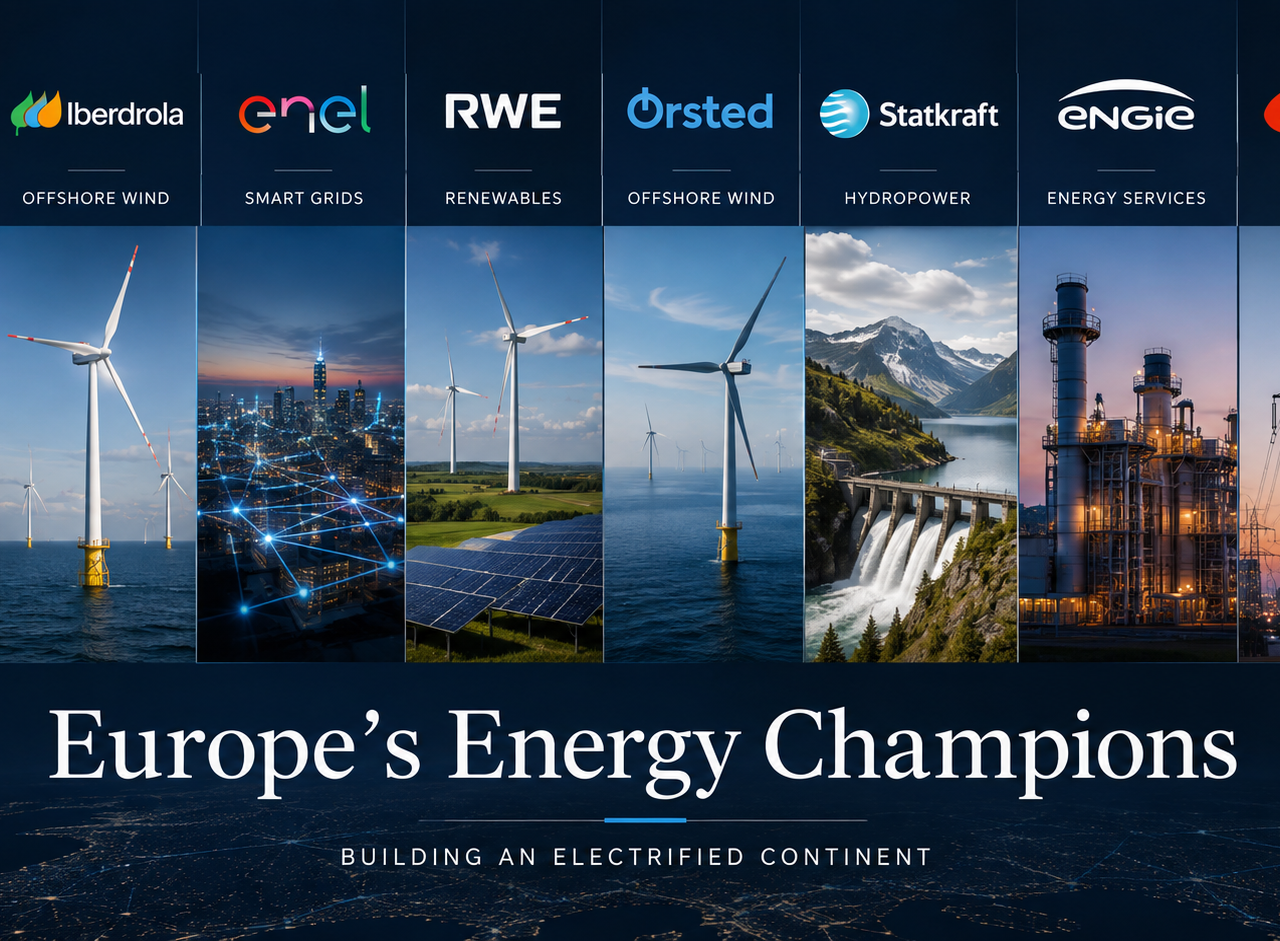
Europe’s energy transition is being shaped not only by technology, but by the organisations capable of financing, building and operating critical infrastructure. As electrification accelerates, Europe’s leading utilities are emerging as key architects of the continent’s increasingly interconnected energy system.
Read More
Sunday, August 2, 2026
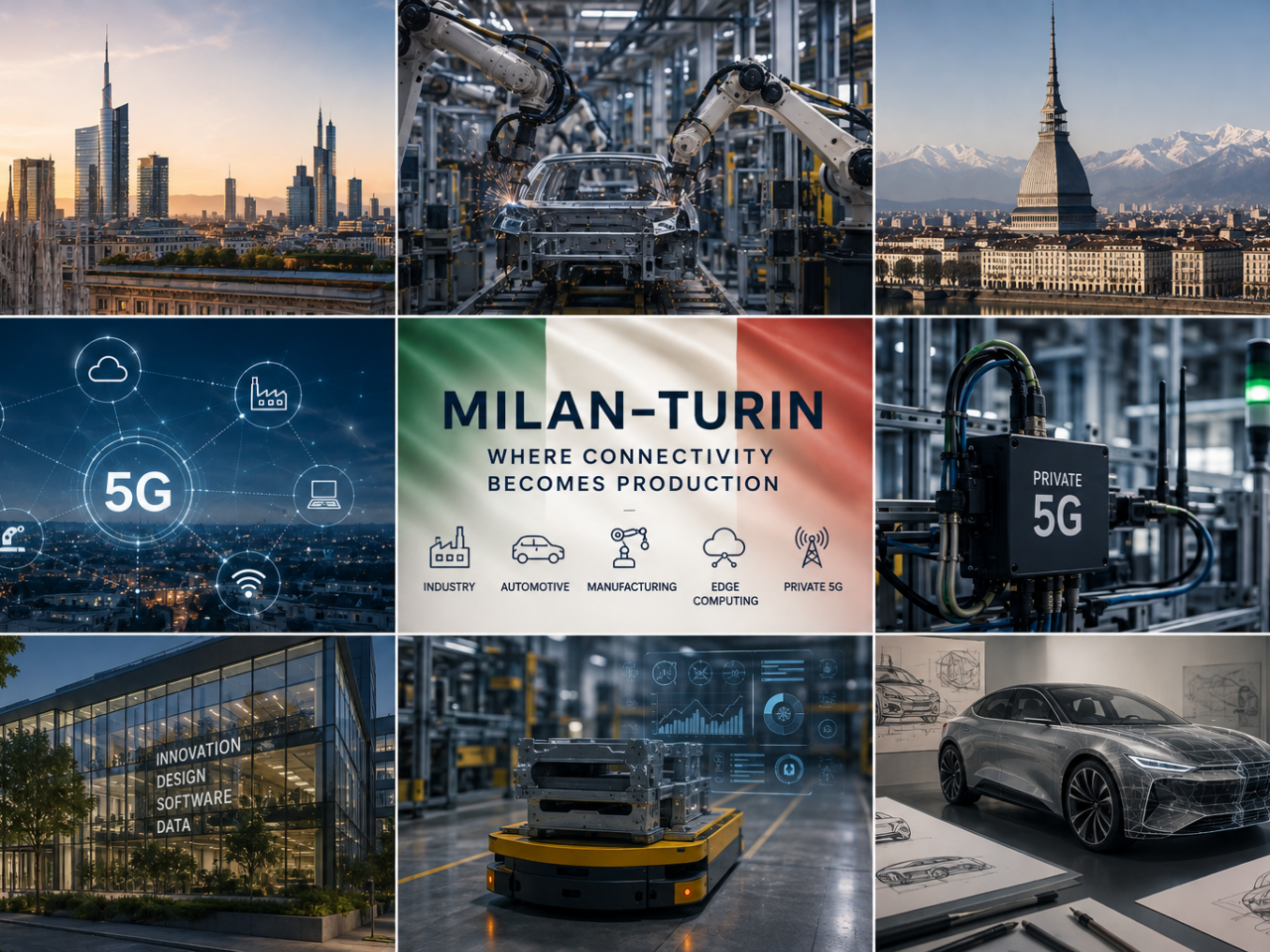
Northern Italy demonstrates how connectivity becomes production. Across the Milan–Turin corridor, private 5G, edge computing, artificial intelligence and advanced manufacturing converge to transform factories into intelligent production environments—where Europe’s digital infrastructure ultimately creates physical value.
Read More
Friday, July 31, 2026

Europe’s strength may not lie in replicating Silicon Valley, but in connecting its specialised innovation ecosystems. From Brainport and Dresden to Paris-Saclay and the Baltic States, Europe’s future competitiveness increasingly depends on collaboration across complementary centres of scientific and industrial excellence.
Read More
Thursday, July 30, 2026
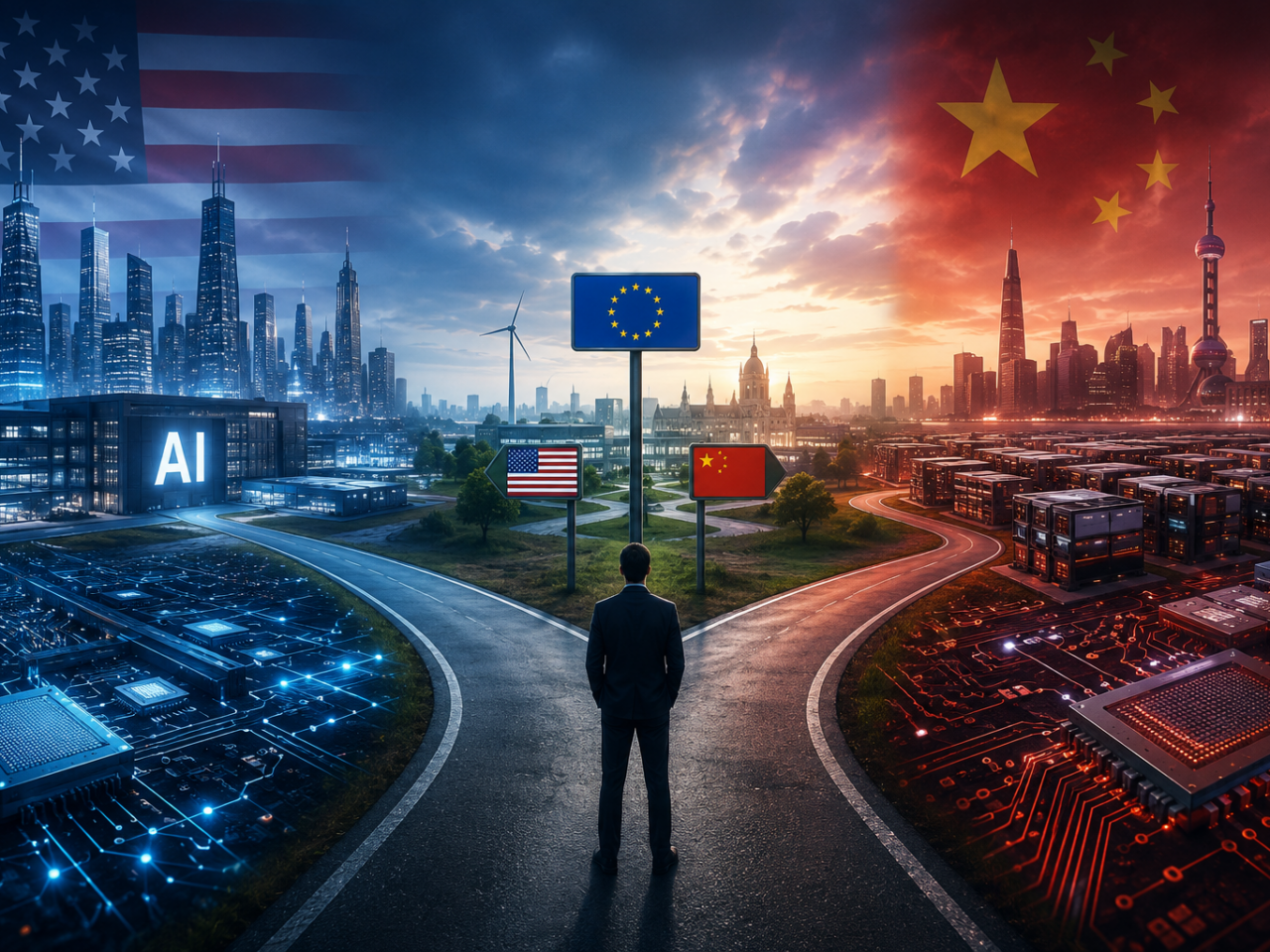
Meta is investing hundreds of billions in AI infrastructure. China is making artificial intelligence increasingly affordable. As these two strategies collide, Europe may face its greatest technological challenge yet: can digital sovereignty survive the economics of everyday choice?
Read More
Monday, July 27, 2026

A German quantum breakthrough and one deceptively simple question reveal a much larger story. As quantum computing moves beyond the laboratory, Europe’s invisible strengths in photonics and system integration may become the foundations of its next technological infrastructure.
Read More
Monday, July 27, 2026

As semiconductor manufacturing approaches its physical limits, photonics is becoming an essential enabling technology. From ultrafast lasers in Lithuania to advanced optical materials and photonic integration in Latvia, the Baltic States are quietly strengthening the global semiconductor supply chain.
Read More

 Available here: