Saturday, July 25, 2026

Europe’s semiconductor ambitions extend far beyond fabrication plants. Across Estonia, Latvia and Lithuania, specialised expertise in photonics, optics, advanced materials and semiconductor technologies is quietly strengthening the invisible foundations upon which Europe’s next generation of chips depends.
Read More
Friday, July 24, 2026
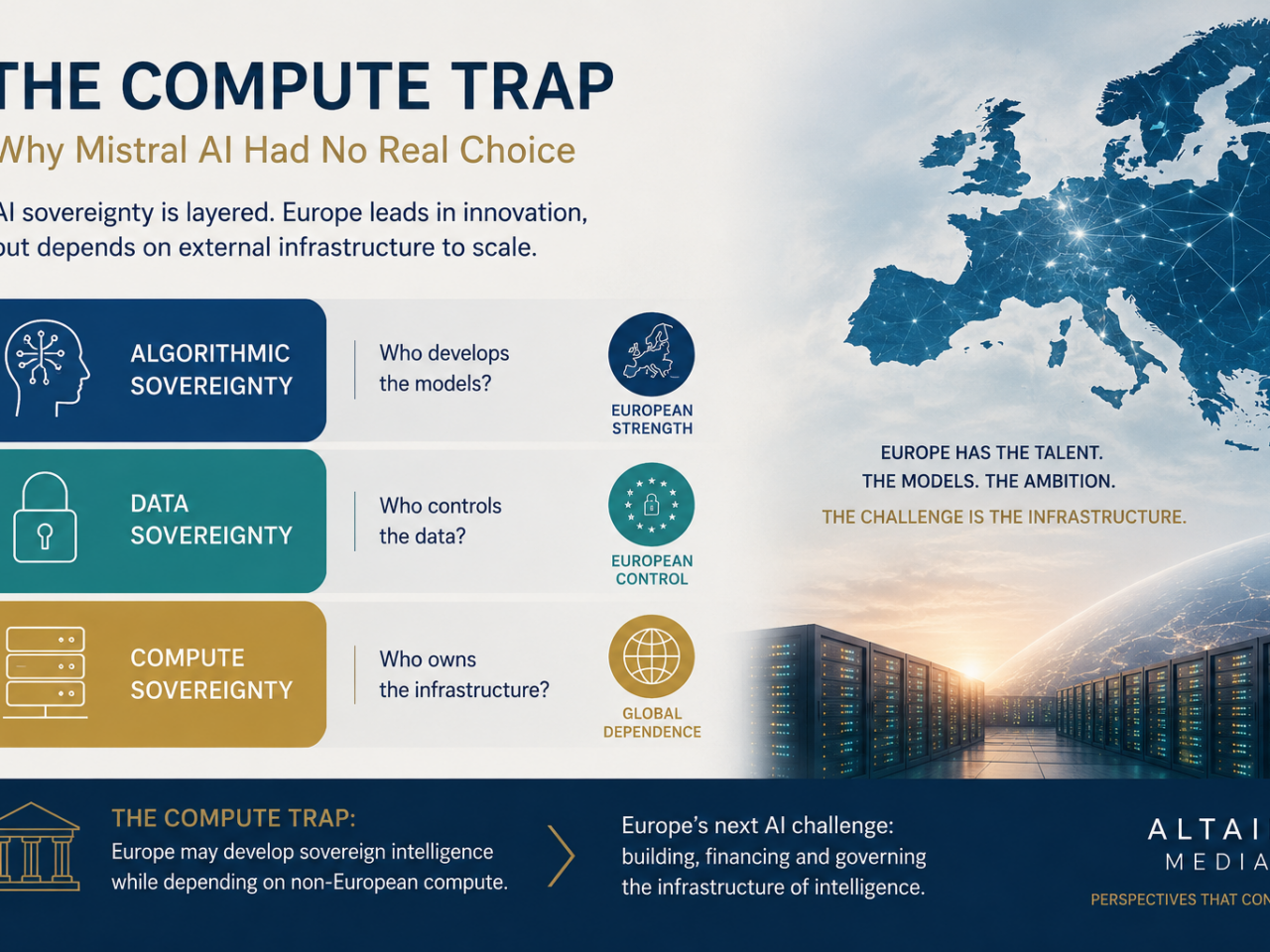
Europe’s AI sovereignty debate is entering a new phase. Beyond algorithms and data, a third layer is emerging: compute. As frontier AI becomes increasingly dependent on hyperscale infrastructure, Europe’s next strategic challenge may be building—and financing—the infrastructure on which its own intelligence ultimately relies.
Read More
Friday, July 24, 2026

Airbus represents far more than an aerospace company. It embodies decades of accumulated industrial capability, engineering expertise and institutional cooperation, raising a broader question: which strategic capabilities can Europe no longer afford to lose?
Read More
Thursday, July 23, 2026

Lithuania has emerged as one of Europe’s most dynamic industrial economies. By combining advanced manufacturing, photonics, life sciences and defence innovation, the country demonstrates how industrial capability is becoming an essential foundation for European competitiveness, resilience and strategic autonomy.
Read More
Thursday, July 23, 2026
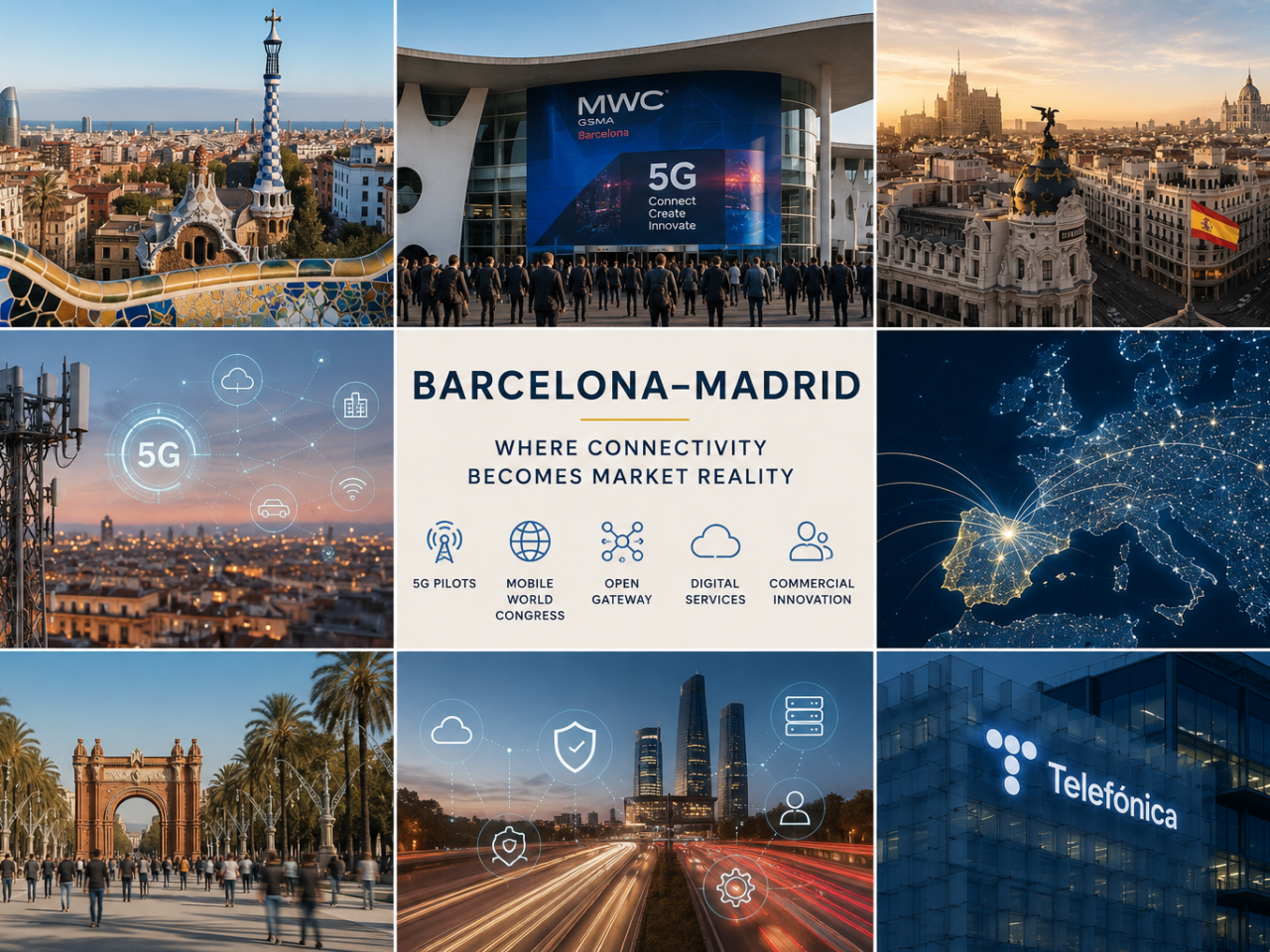
Barcelona and Madrid illustrate an often-overlooked stage of Europe’s innovation ecosystem. Beyond research and engineering, they demonstrate how connectivity, programmable networks and digital services are transformed into market-ready applications—bridging the gap between technological capability and societal adoption.
Read More
Wednesday, July 22, 2026

Europe has long excelled at generating innovation. The next challenge is ensuring that Europe’s most promising companies can also scale, remain anchored and create long-term value through a stronger architecture of patient growth capital.
Read More
Monday, July 20, 2026

Europe possesses abundant capital, yet where that capital flows increasingly determines its competitiveness. Capital markets are more than financial institutions—they are the mechanisms through which societies transform savings into innovation, infrastructure and long-term economic resilience.
Read More
Monday, July 20, 2026

Europe’s future competitiveness may depend less on creating platform giants than on connecting its industrial strengths. As America, China and Europe pursue different economic models, coordination itself may be emerging as one of the most important strategic capabilities of the twenty-first century.
Read More
Monday, July 20, 2026

Europe’s ambition to become the world’s first electro-powered continent marks an important strategic shift. Yet electrification is not the final destination. It is the beginning of a far more complex challenge: designing the infrastructure, intelligence and institutions that allow an interconnected energy system to function.
Read More
Saturday, July 18, 2026

Latvia is redefining its role within Europe’s strategic landscape. Through transport corridors, digital connectivity, energy integration and resilient infrastructure, the country demonstrates that economic influence increasingly depends not on size, but on the ability to connect people, markets and critical systems.
Read More

 Available here:
