Saturday, June 20, 2026

Europe’s future may depend less on scale and more on capabilities that the rest of the world cannot easily replicate. Through the lens of ASML, this concluding essay explores how technological sovereignty, ecosystem resilience and strategic indispensability may shape Europe’s economic future.
Read More
Wednesday, June 17, 2026

Europe’s semiconductor ambitions are often measured in factories and production capacity. Yet growing cooperation between imec, CEA-Leti and VTT raises a different question: Is Europe quietly building something far more difficult to replicate—a research infrastructure for the AI age?
Read More
Saturday, June 13, 2026

Behind ASML lies a broader European ecosystem stretching from Eindhoven and Leuven to Dresden and Grenoble. Understanding the future of ASML may therefore require understanding the networks of expertise, research and industrial collaboration that surround it.
Read More
Thursday, June 11, 2026

While much of Europe embraced market liberalisation, France maintained a stronger belief in the strategic role of the state. Today, as debates over industrial policy, energy security and technological sovereignty return, France’s economic model appears more relevant than it has in decades.
Read More
Thursday, June 11, 2026

Luxembourg is one of Europe’s smallest countries, yet its influence extends far beyond its borders. Through finance, international institutions, satellite communications and strategic specialisation, the country demonstrates how expertise and indispensability can create influence beyond scale.
Read More
Sunday, June 7, 2026
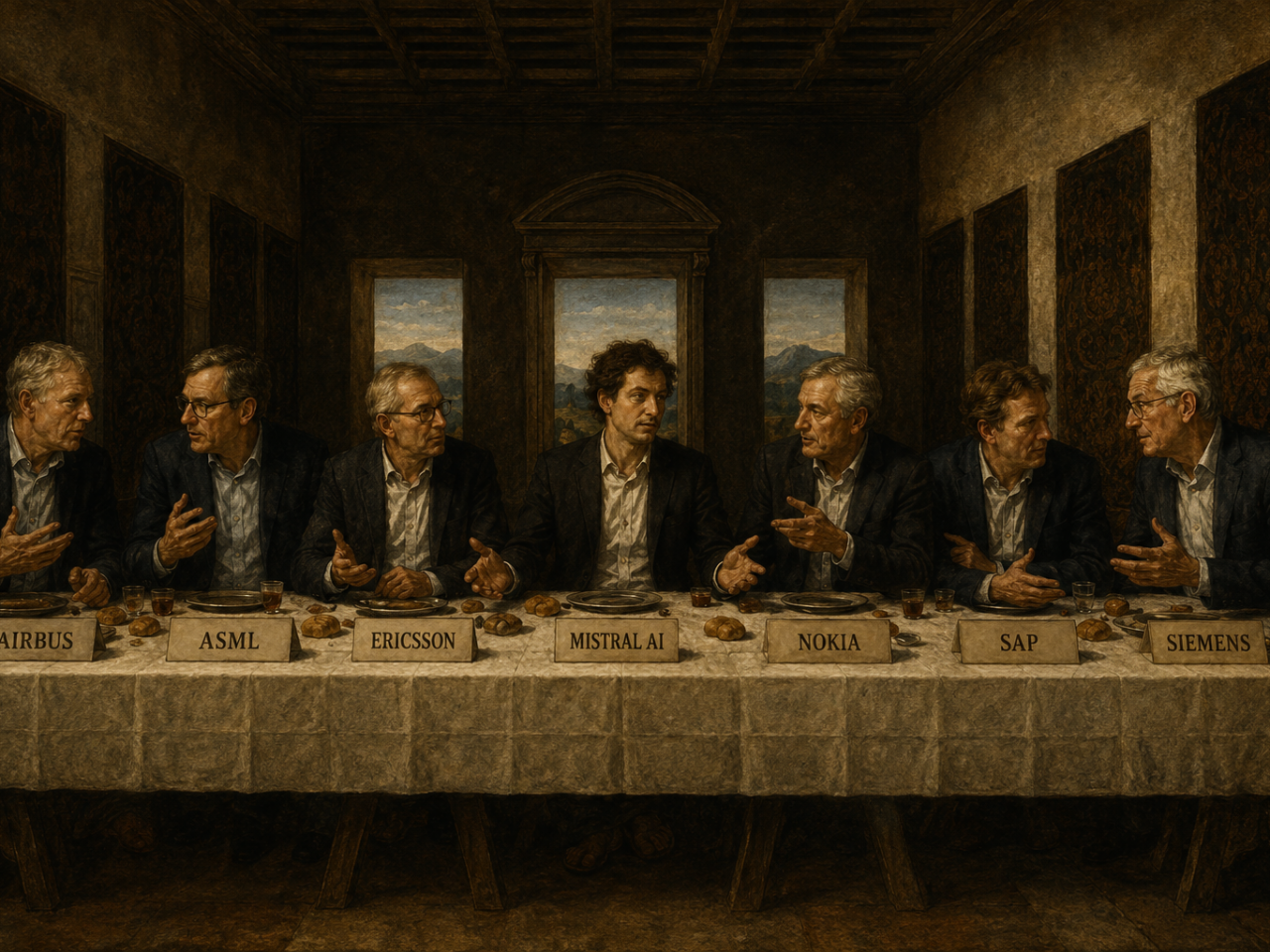
When seven European technology leaders issued a joint call for action, much of the discussion focused on regulation. Yet the significance of the coalition may lie elsewhere. By bringing together companies from semiconductors, telecommunications, industrial systems, software, artificial intelligence and aerospace, the statement reveals a broader shift in European thinking: from individual sectors toward interconnected technology ecosystems.
Read More
Saturday, June 6, 2026
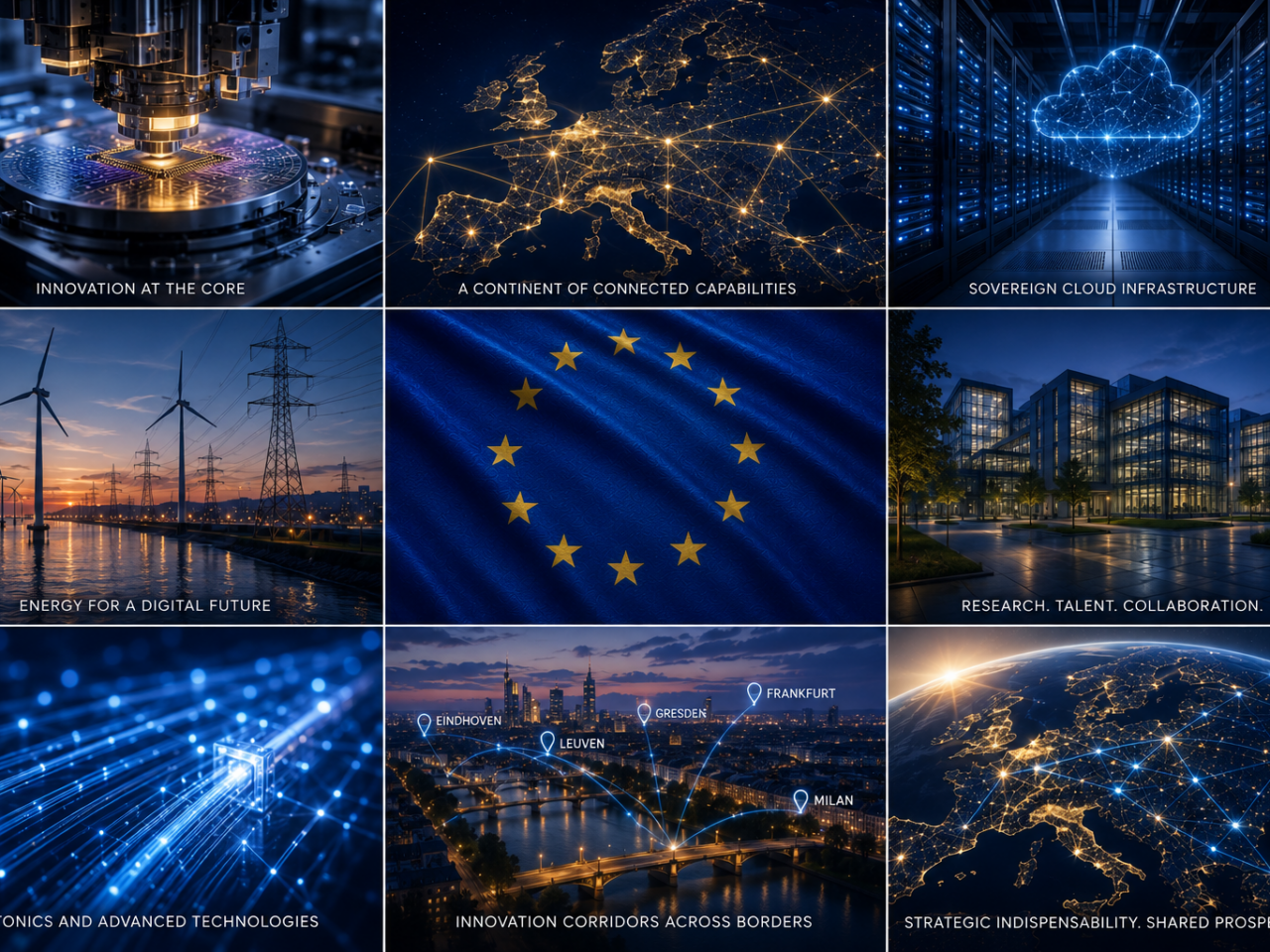
Europe’s technological future may depend less on national champions and more on networks of specialised ecosystems. From semiconductors and cloud infrastructure to energy systems and research clusters, competitiveness increasingly emerges from the connections between Europe’s most important capabilities.
Read More
Saturday, June 6, 2026

Artificial intelligence may be built with software, but it runs on electricity. As Europe expands its ambitions in AI, cloud computing and technological sovereignty, energy infrastructure is emerging as one of the most critical foundations of future competitiveness and resilience.
Read More
Thursday, June 4, 2026

Austria occupies a unique position within Central Europe. Through infrastructure, finance, engineering and regional connectivity, the country functions as a critical coordination hub linking Western Europe with the industrial economies of Central and South-Eastern Europe.
Read More
Wednesday, June 3, 2026
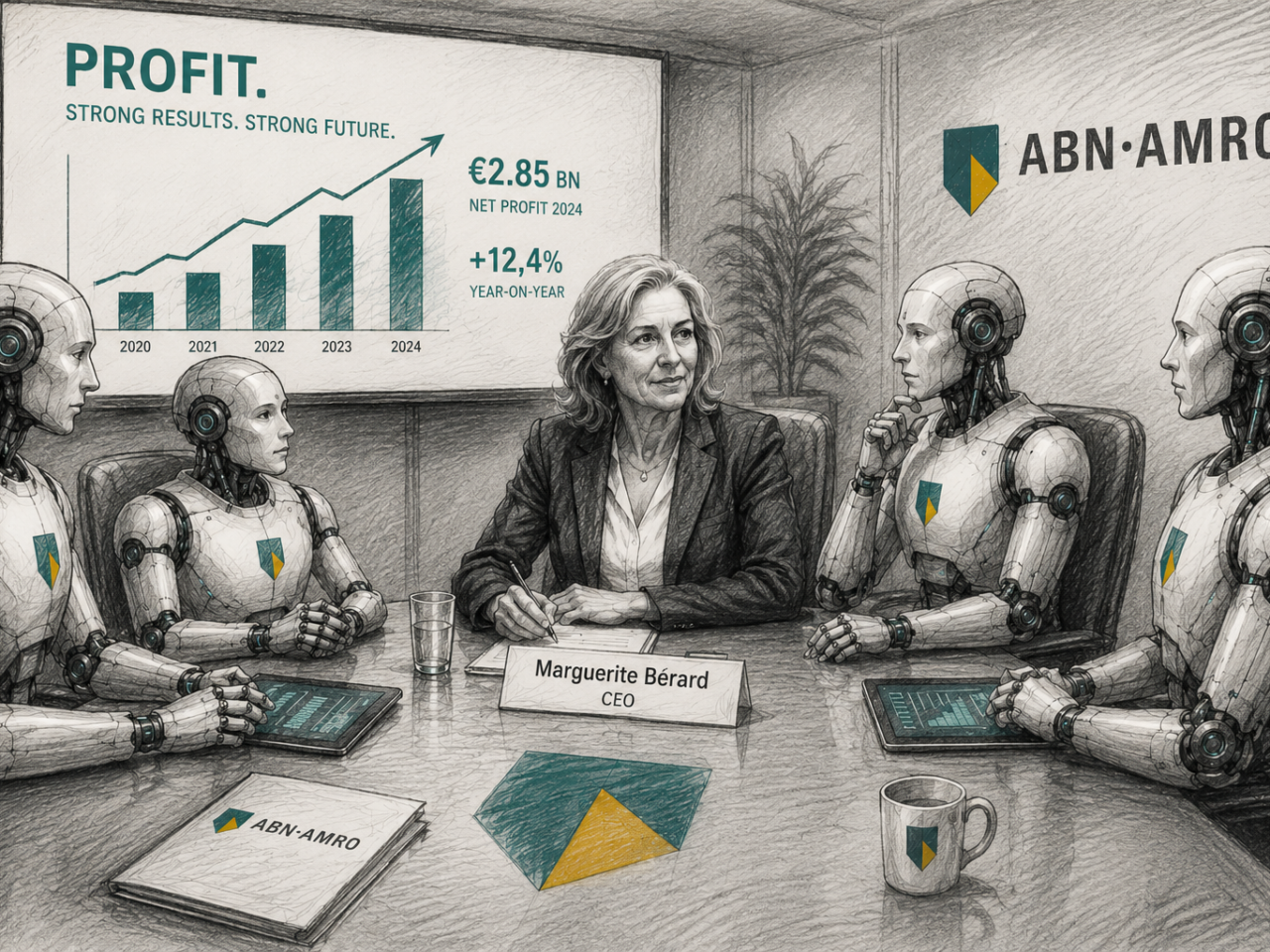
ABN AMRO proudly reports that 85 percent of its employees now use artificial intelligence in their daily work. For investors, this signals efficiency and progress. For society, it raises a more difficult question: as banks become increasingly automated and opaque, who remains responsible for transparency, accountability and the human beings behind the data?
Read More

 Available here:
