Thursday, August 6, 2026
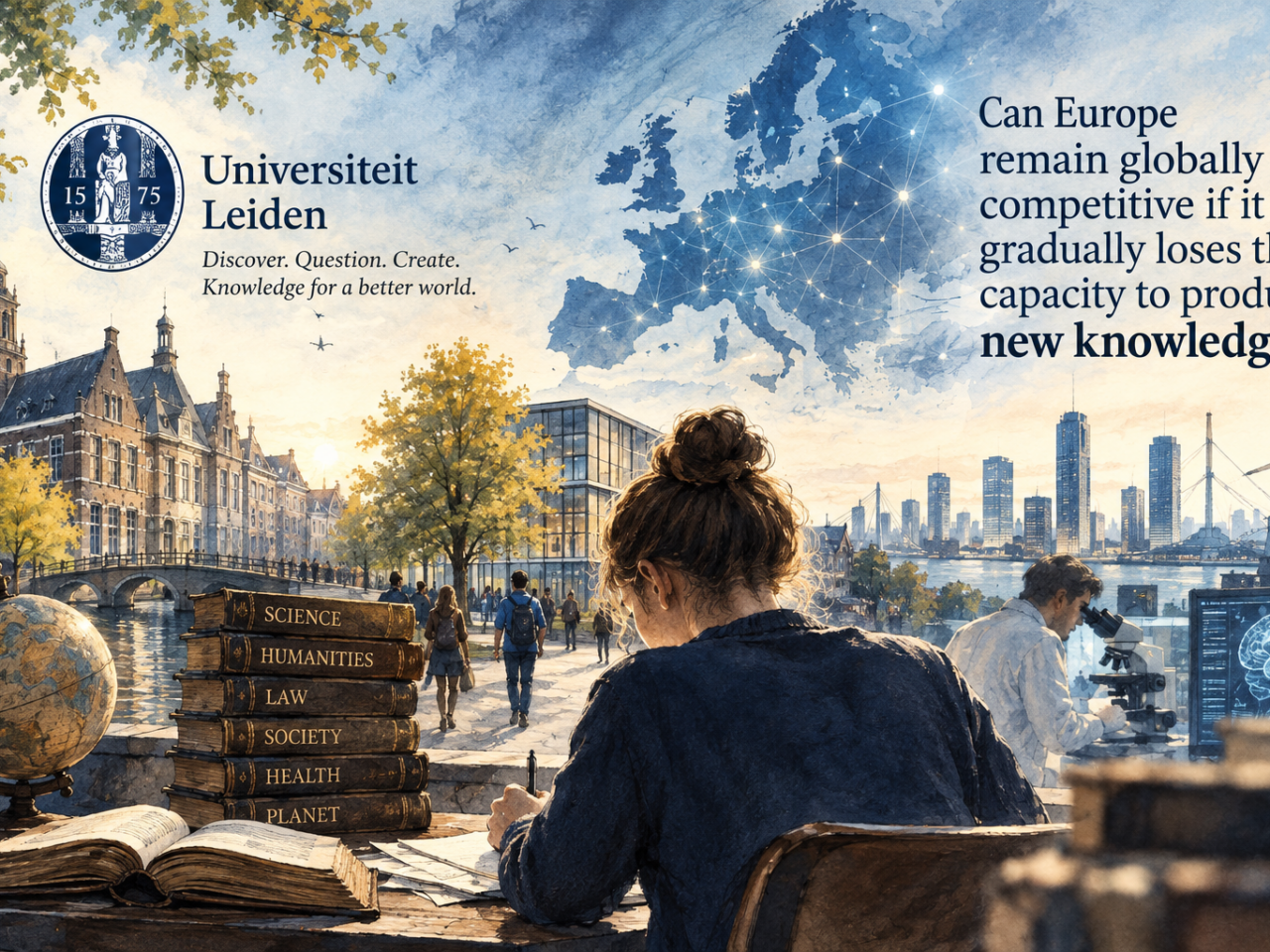
Leiden University demonstrates that the future of Europe depends not only on applying knowledge, but on continually creating it. As artificial intelligence transforms access to information, the production of reliable new knowledge may become one of Europe’s most strategic capabilities.
Read More
Thursday, August 6, 2026
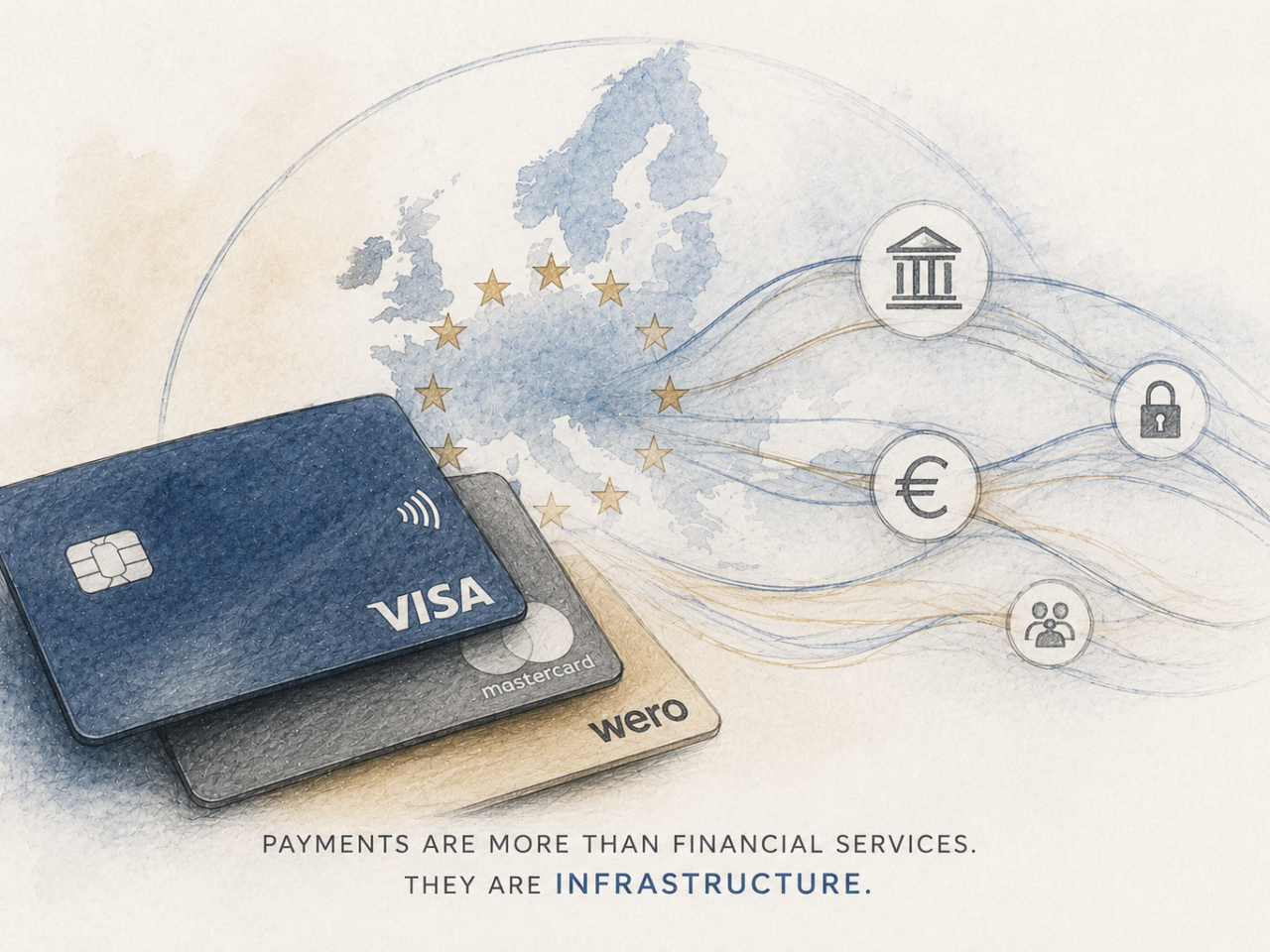
Every digital payment depends on far more than a card or smartphone. Behind each transaction lies an invisible network of payment rails, banks and public institutions that increasingly forms part of Europe’s strategic infrastructure and its broader economic resilience.
Read More
Thursday, August 6, 2026

Europe’s agricultural landscape still shapes the continent far more than many people realise. This opening Perspective explores how land, technology, science and demographic change are transforming one of Europe’s largest and most essential systems: its food landscape.
Read More
Wednesday, August 5, 2026
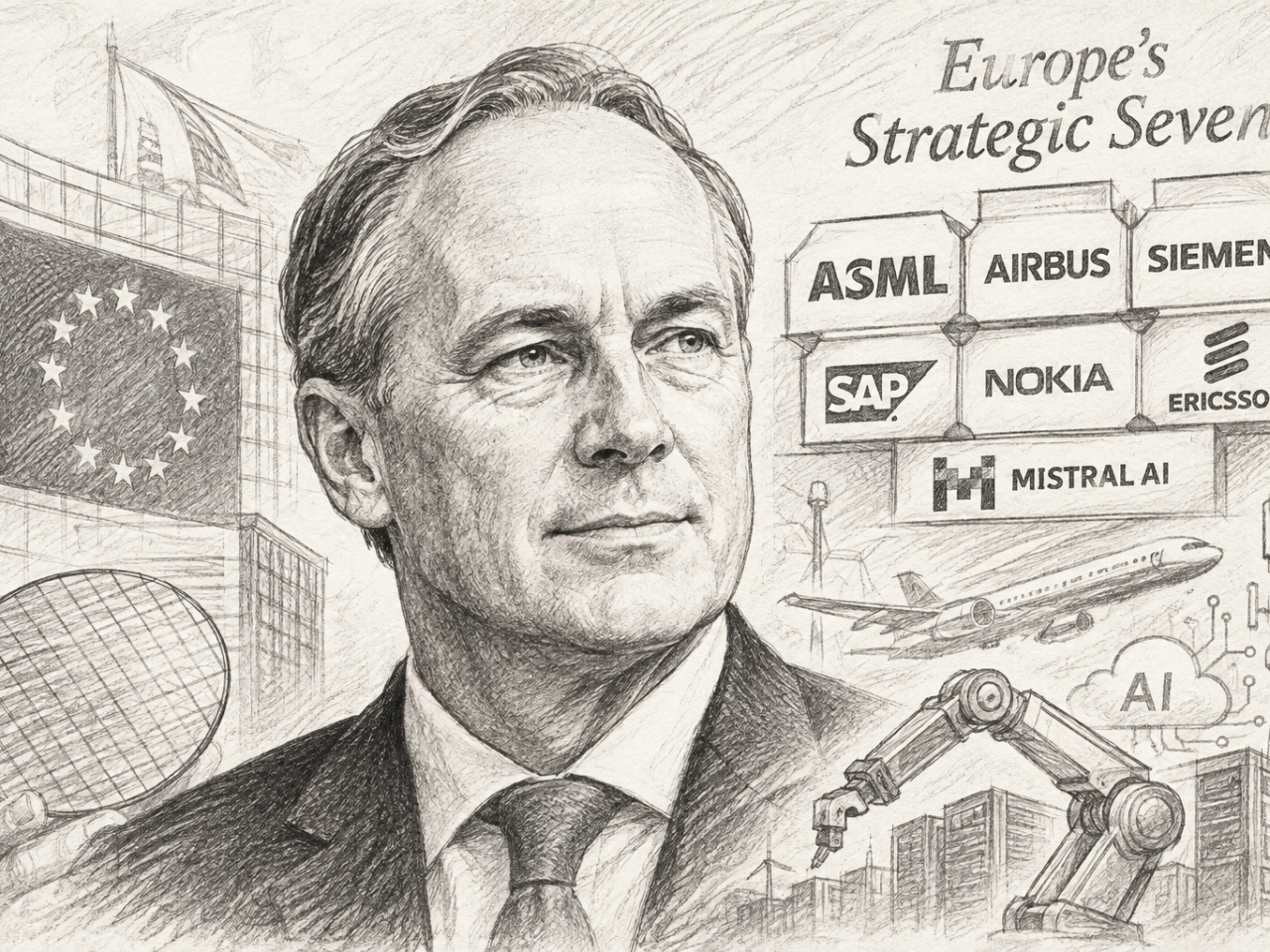
As Europe seeks technological sovereignty, the Strategic Seven represent more than a coalition of leading companies. They reflect a broader institutional shift—from regulating markets to helping shape the industrial capabilities that will define Europe’s future competitiveness.
Read More
Wednesday, August 5, 2026
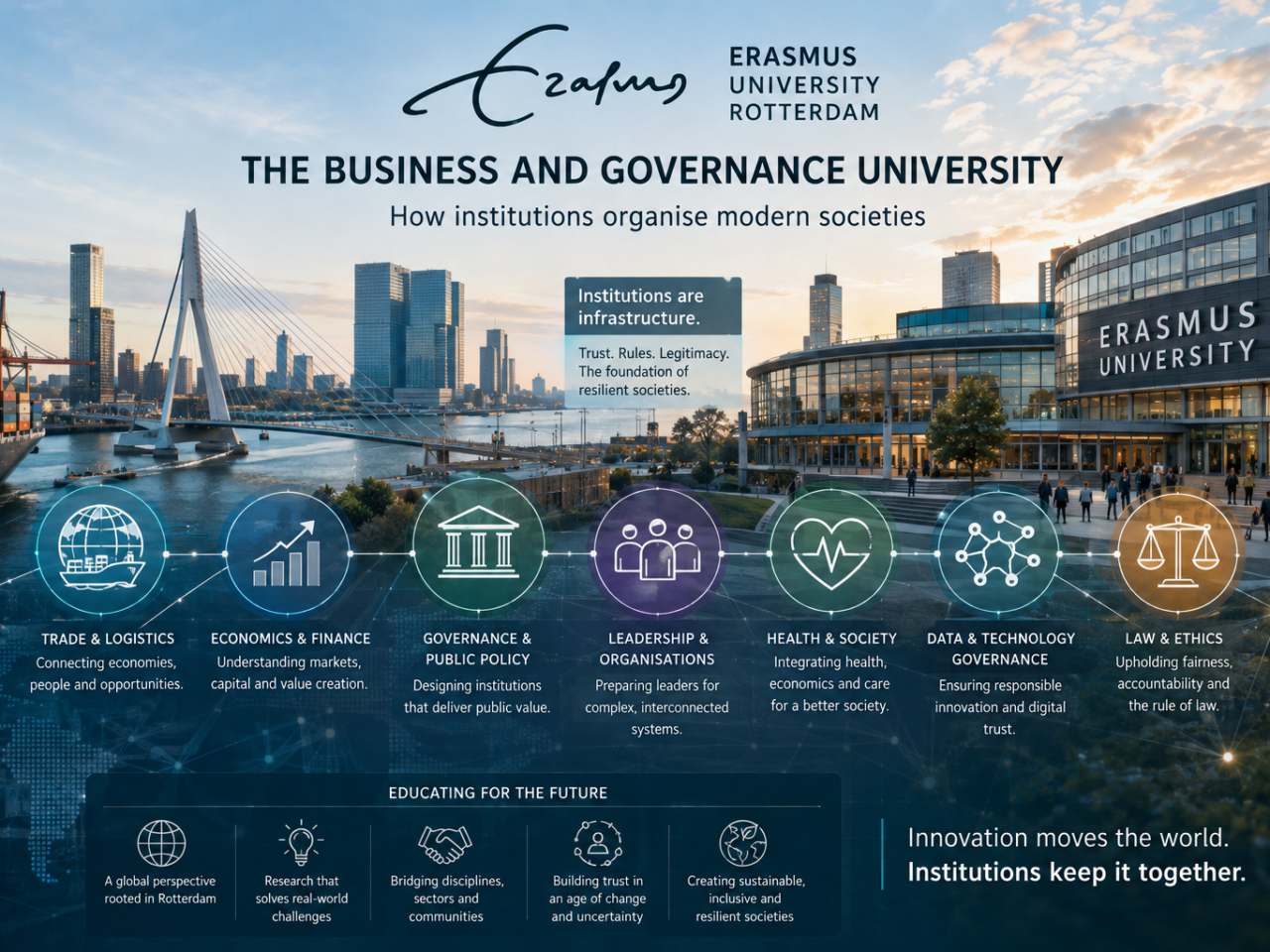
Technological innovation alone does not create resilient societies. Erasmus University Rotterdam explores how governance, economics, healthcare and public institutions together provide the institutional capacity that enables modern societies to function.
Read More
Tuesday, August 4, 2026

Europe’s AI ambitions will not be realised by policy announcements alone. Behind every proposed AI Gigafactory lies a vast industrial ecosystem in which energy, semiconductors, connectivity, capital and talent must be coordinated into a single infrastructure.
Read More
Tuesday, August 4, 2026

Europe’s Food System explores how agriculture, science, technology, industry and society increasingly shape one another. Through a series of in-depth Perspectives, Altair Media examines the organisations, innovations and ideas shaping the future of food across Europe.
Read More
Monday, August 3, 2026
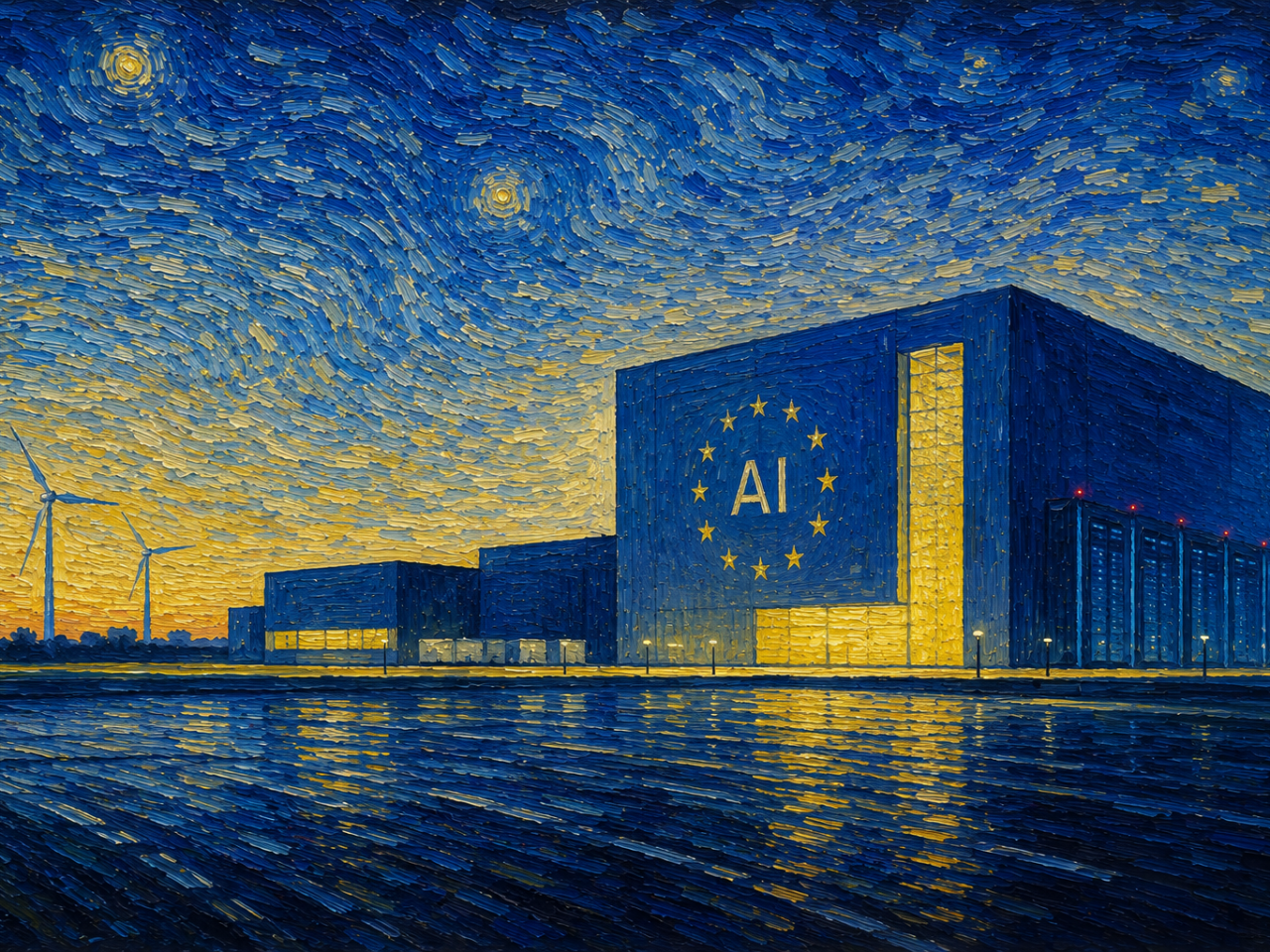
Europe’s AI Gigafactories are about far more than computing power. They represent a new generation of strategic infrastructure where energy, semiconductors, photonics, connectivity and industrial ecosystems determine whether Europe’s AI ambitions can become reality.
Read More
Monday, August 3, 2026

Wageningen University & Research has evolved far beyond agriculture. By integrating biology, artificial intelligence, robotics and environmental science, it is helping shape the resilient food systems upon which Europe’s future health, security and sustainability increasingly depend.
Read More
Monday, August 3, 2026
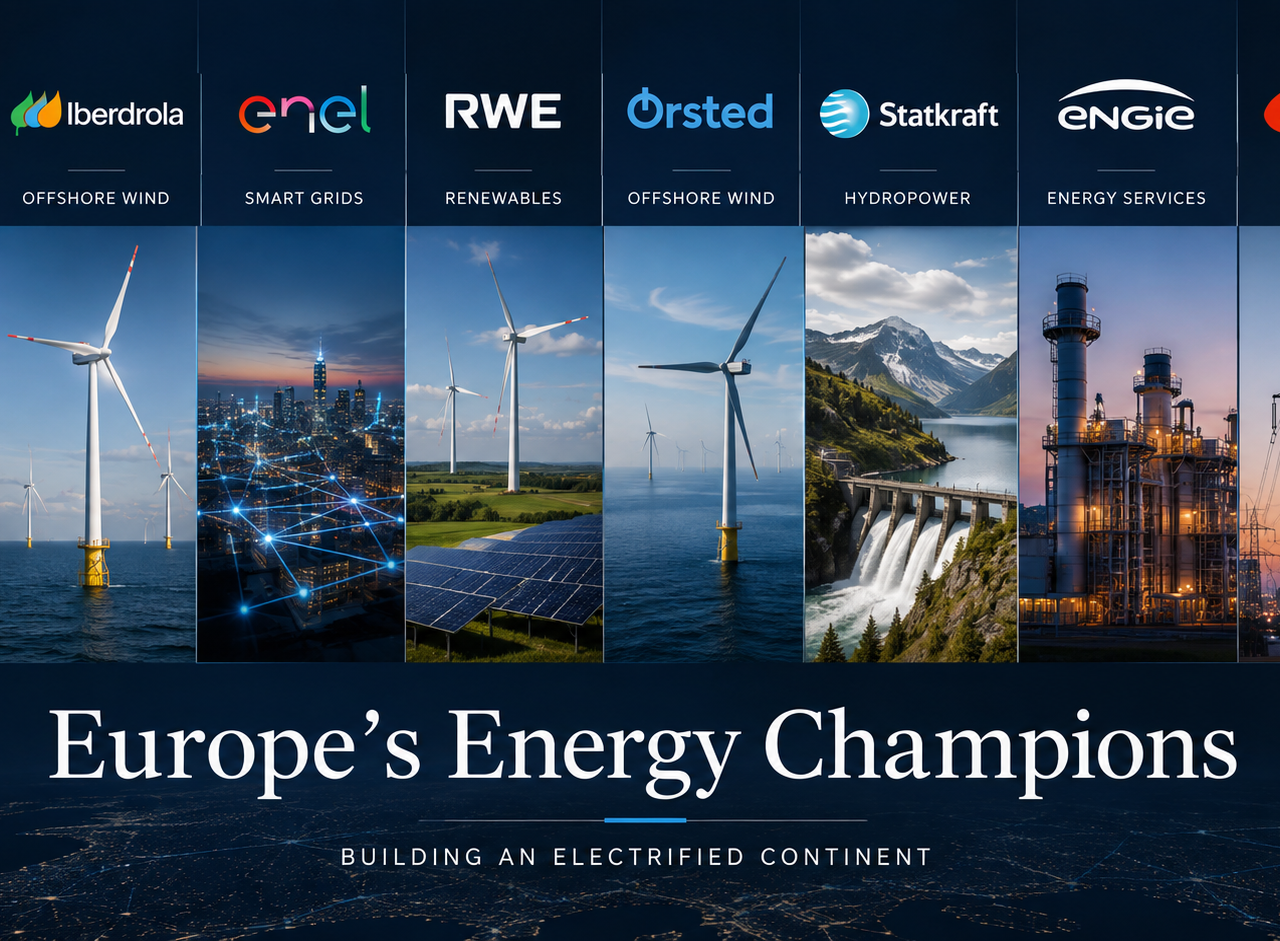
Europe’s energy transition is being shaped not only by technology, but by the organisations capable of financing, building and operating critical infrastructure. As electrification accelerates, Europe’s leading utilities are emerging as key architects of the continent’s increasingly interconnected energy system.
Read More

 Available here: