What If Computing Is Not About Computing?
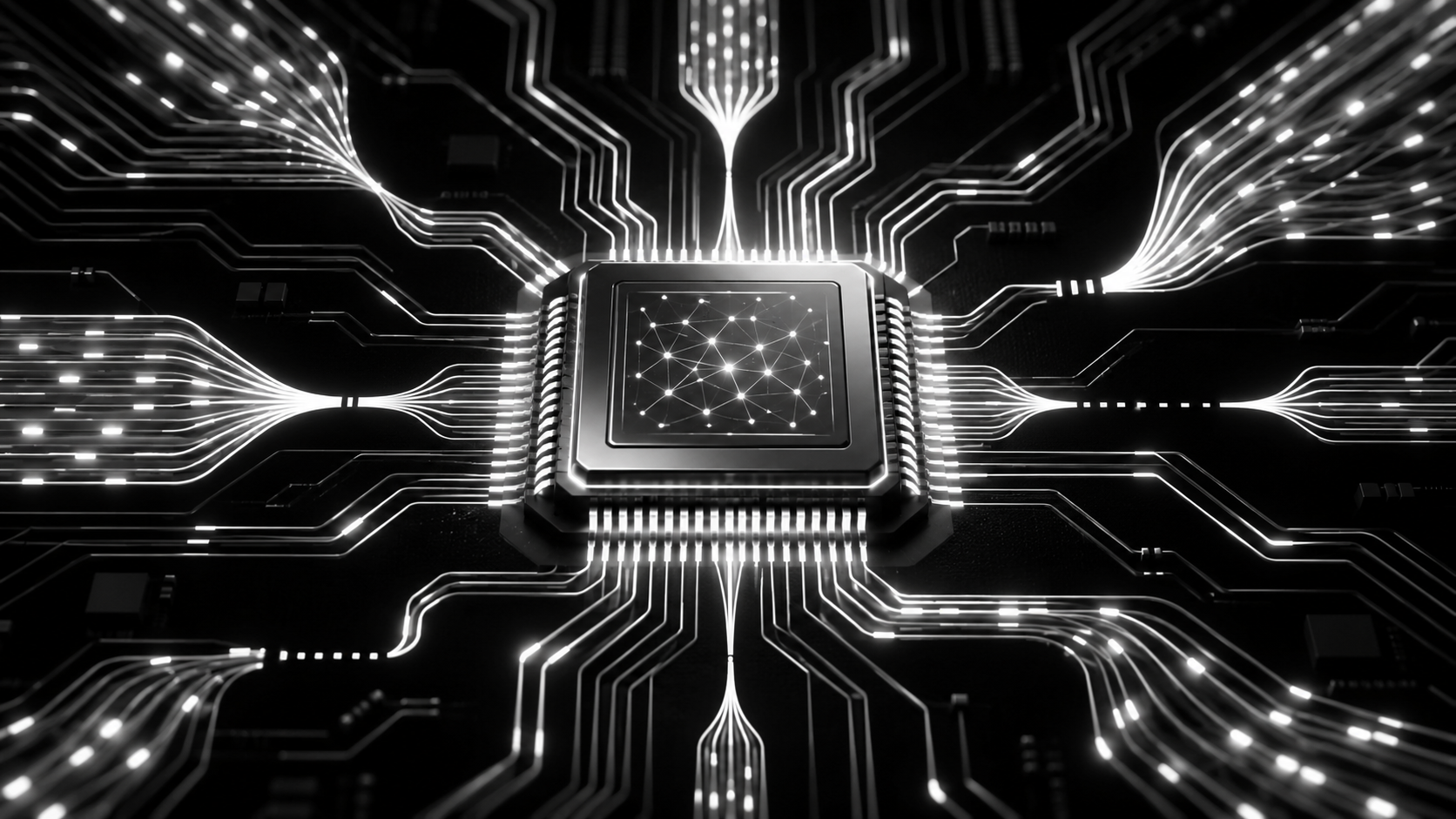
The future of artificial intelligence may depend as much on moving information as on processing it
Modern computers can perform extraordinary numbers of calculations. But before a processor can calculate, it needs information. That information must be retrieved from memory, transferred between components and often stored again.
What if moving information becomes a greater challenge than calculating with it?
Why does moving data matter?
Artificial intelligence depends on enormous amounts of numerical information. Processors constantly exchange data with memory and other components. These movements take time and consume energy.
A faster processor does not automatically solve the problem. If information cannot reach it quickly enough, some of its computing power remains unused.
The challenge is therefore not simply to make chips faster, but to make entire computing systems work more efficiently.
Could light change the architecture?
Electronic circuits have transformed computing. But moving increasing amounts of information through electrical connections presents physical and engineering challenges.
Light offers another possibility.
Optical connections already transport enormous amounts of information across communication networks. They are also becoming increasingly important within advanced computing infrastructure.
Could bringing light closer to processors help information move more efficiently?
The opportunity is not to replace electronics entirely, but to combine electronic computing with optical communication—and potentially optical computation.
Beyond the processor
This broader perspective is explored in the revised second edition of The Age of Light.
The book examines why the future of computing depends not only on algorithms and processors, but also on memory, communication and the physical systems connecting them.
Perhaps the next breakthrough in artificial intelligence will depend not simply on how fast computers calculate, but on how efficiently information can reach them.
This article is part of The Age of Light — Rethinking Intelligence, a five-part Altair Media series accompanying the revised second edition of The Age of Light: Intelligence, Physics and the Future of Computing.
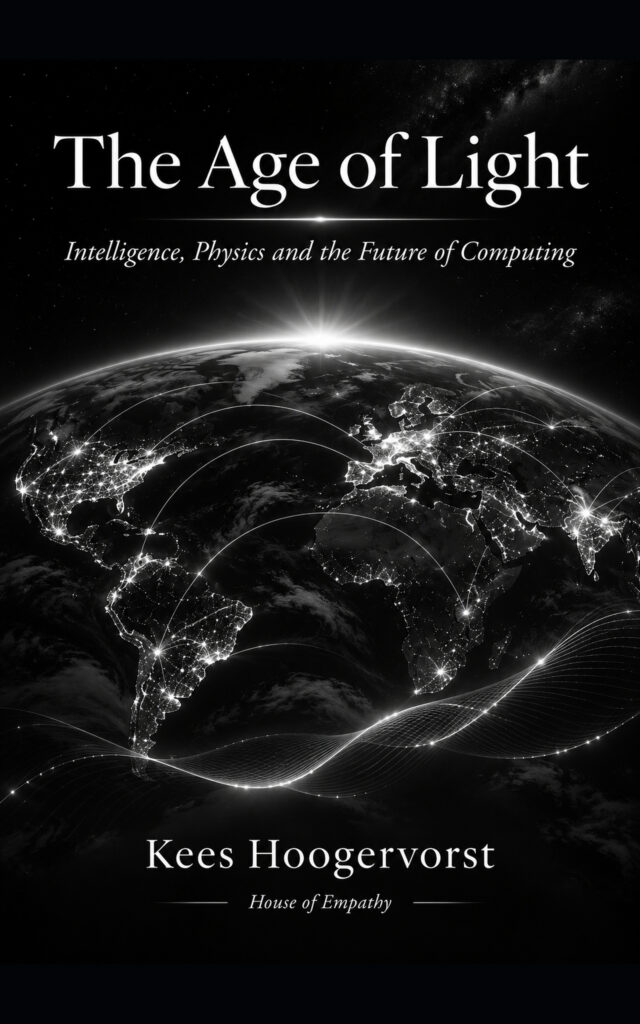
The Age of Light — Second Edition
What new possibilities emerge when the same mathematics is brought to life through electrons and photons?
For curious readers, physicists, AI researchers and technology professionals, The Age of Light explores how mathematics and physics come together to shape computation—and how alternative physical approaches could influence the future of artificial intelligence.
Available on Amazon
Kindle eBook — US $7.99; VK • DE • FR • ES • IT • NL • JP • BR • CA • MX • AU • IN
Paperback — US $16.99; VK • DE • FR • ES • IT • NL • PL • SE • BE • IE • JP • CA • AU
Hardcover — US $24.99; VK • DE • FR • ES • IT • NL • PL • SE • BE • IE
Prices shown for Amazon.com. Local prices may vary.
Image credit
Illustration: AI-generated artwork created with OpenAI for Altair Media Europe.
Image caption
A powerful processor surrounded by streams of information. As computing performance advances, moving data efficiently between processors, memory and other components becomes an increasingly important challenge.
