Thursday, November 12, 2026
Modern AI processors can perform extraordinary numbers of calculations. But what happens when information cannot reach them fast enough? The third article in *The Age of Light — Rethinking Intelligence* explores why moving data, rather than processing it, may become one of computing’s greatest challenges—and how light could offer new possibilities.
Read More
Wednesday, November 11, 2026
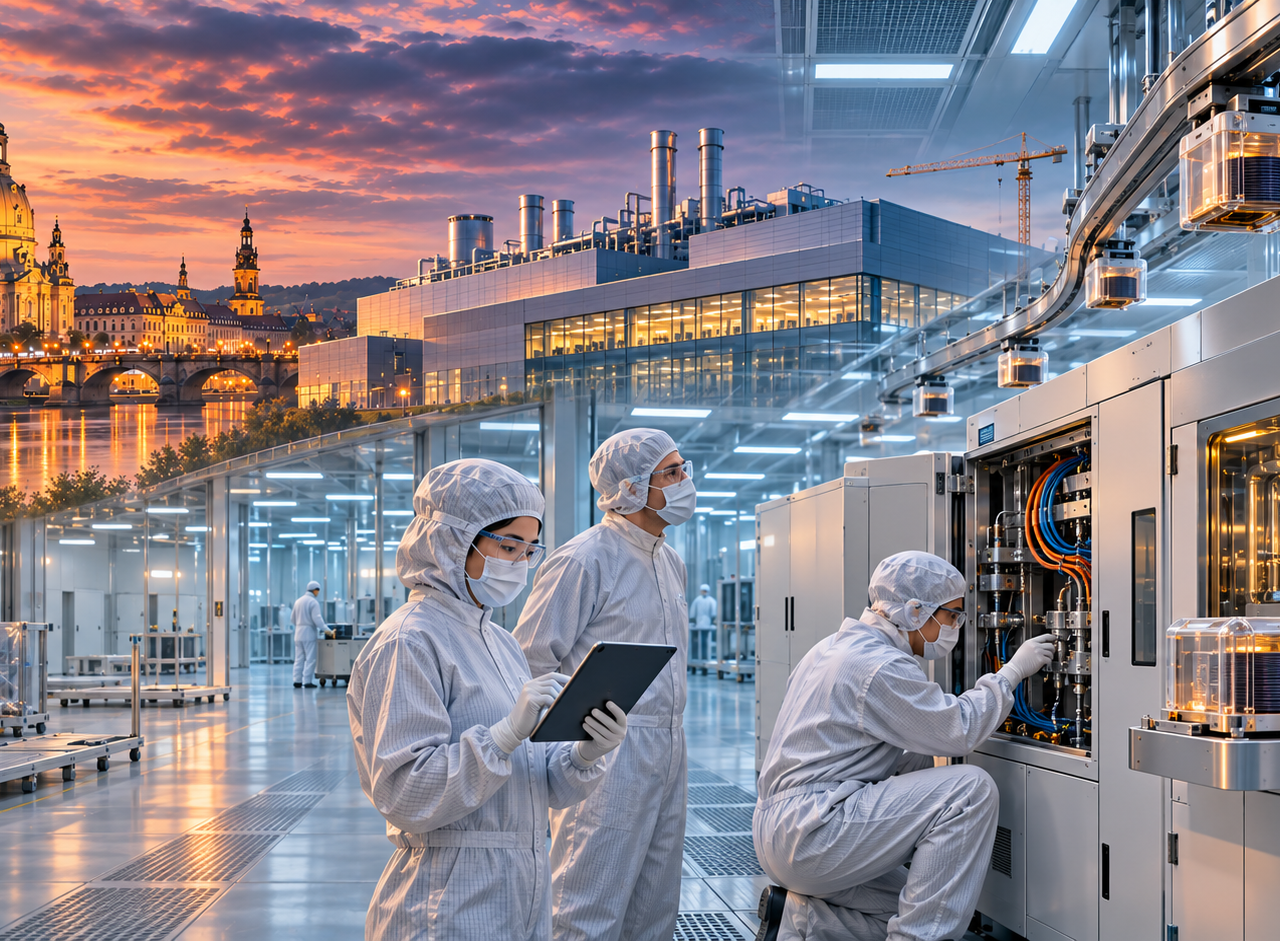
ESMC is preparing its Dresden factory for machine installation in 2027. Can the planned investment of more than €10 billion deliver reliable chips at a competitive cost—and give smaller European customers access to production?
Read More
Wednesday, November 11, 2026
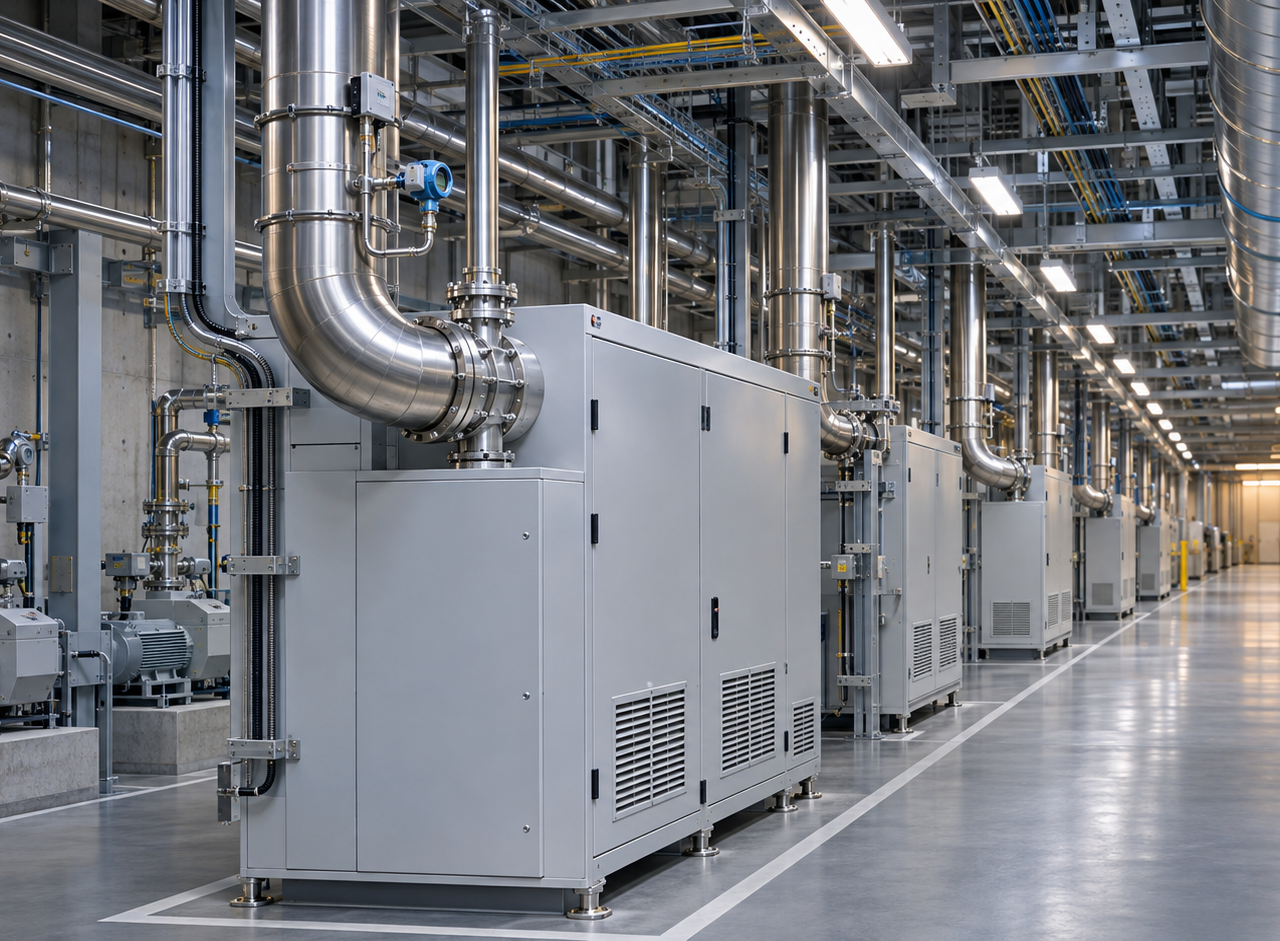
CEA-Leti and ISRL have launched SubFAB Labs to study what chip manufacturing releases into exhaust gases and wastewater. The Grenoble pilot line will help suppliers test sensors and treatment systems under conditions that resemble industrial production.
Read More
Monday, November 9, 2026

Early pilots with Mistral helped ASML identify certain machine faults more than 70% faster while matching engineers’ accuracy. The next test for Europe’s industrial AI is commercial: can another manufacturer use the same approach on different equipment without paying for a bespoke engineering project?
Read More
Sunday, November 8, 2026

GlobalFoundries is investing €1.1 billion to expand chip production in Dresden. The project strengthens Silicon Saxony’s manufacturing base—but who will use the extra capacity, what makes European production competitive, and what should Europe receive for its public support?
Read More
Saturday, November 7, 2026
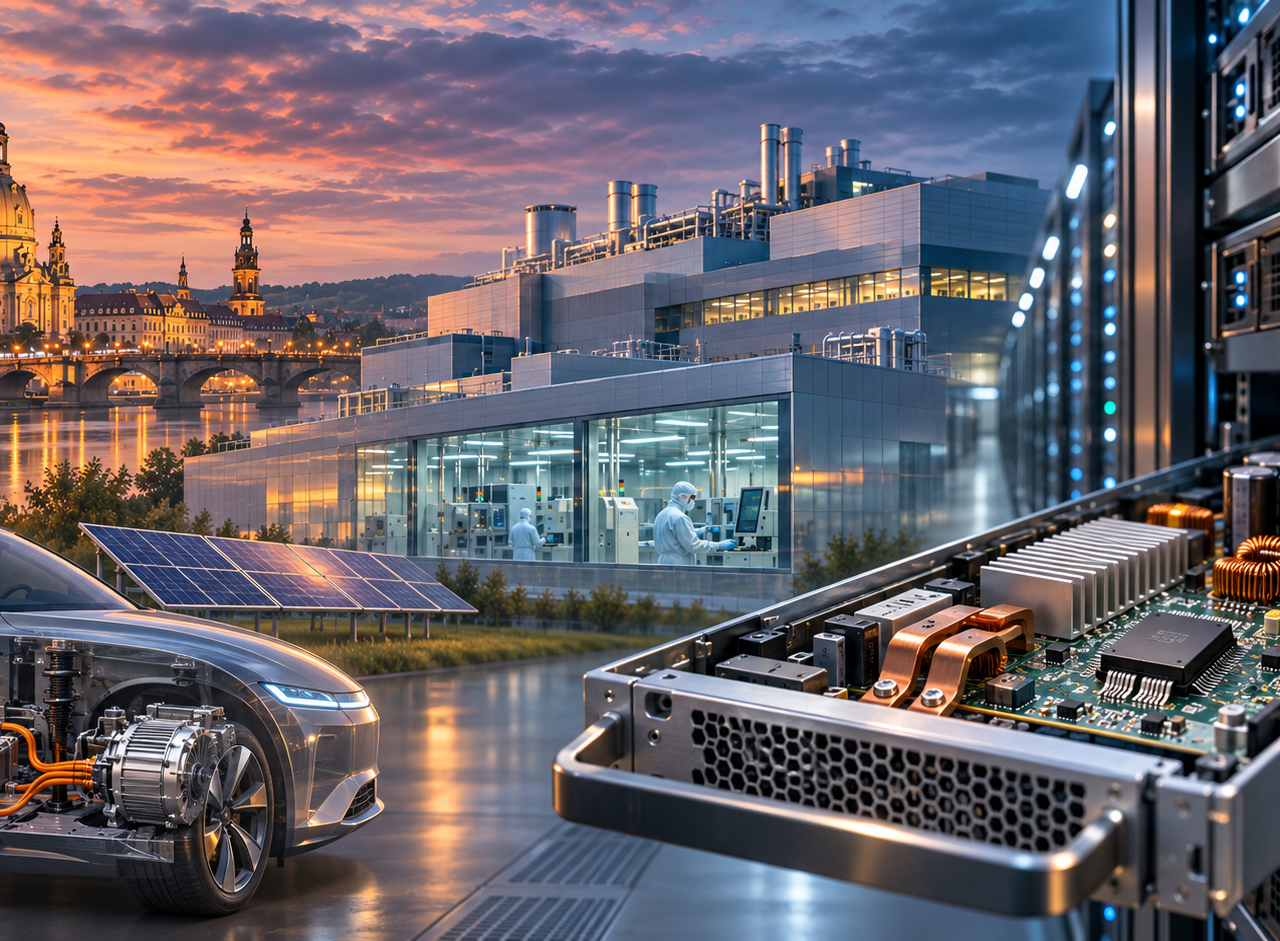
Infineon’s €5 billion Dresden factory expands Europe’s capacity to make chips that control electricity in AI data centres, electric vehicles and energy systems. Can equipment makers turn better power conversion into products customers buy in volume?
Read More
Saturday, November 7, 2026
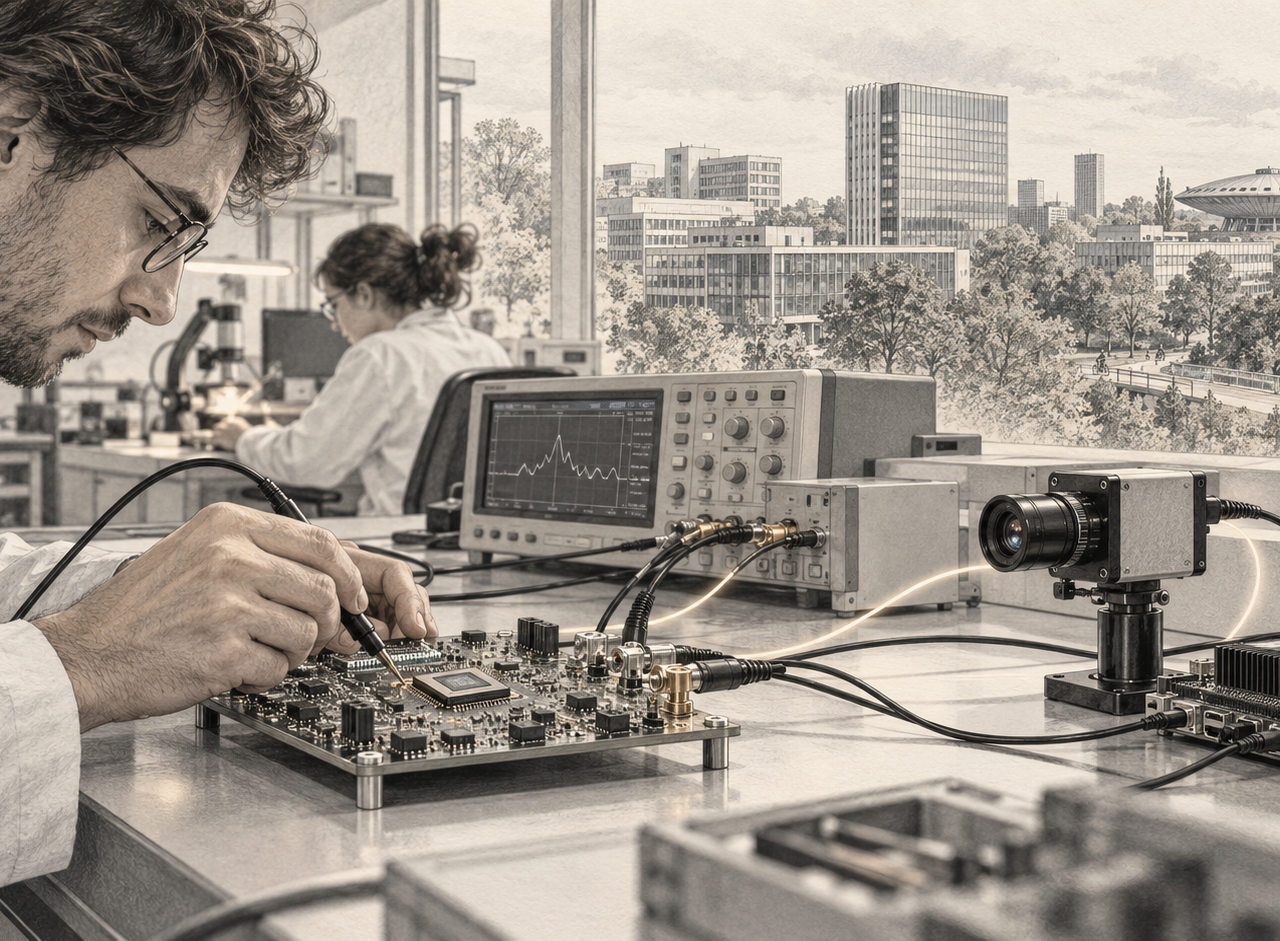
Researchers in a TU Eindhoven-led European project have tested chips designed to bring AI processing closer to the user. With working prototypes and industrial partners involved, the next question is how the technology will find its way into commercial products.
Read More
Friday, November 6, 2026

Artificial intelligence relies on mathematics, but the same calculations can be performed through different physical processes. What changes when light, rather than electronic circuits, helps process information? ‘The Age of Light’ explores how mathematics and physics together could open new possibilities for computing.
Read More
Friday, November 6, 2026

Amsterdam-based EpoQ has won PhotonDelta’s photonics contest for its plan to develop a compact atomic clock. The award provides technological services to help shrink precision timekeeping equipment for potential use in satellites, navigation and scientific instruments. A working prototype and first customers remain the next milestones.
Read More
Thursday, November 5, 2026
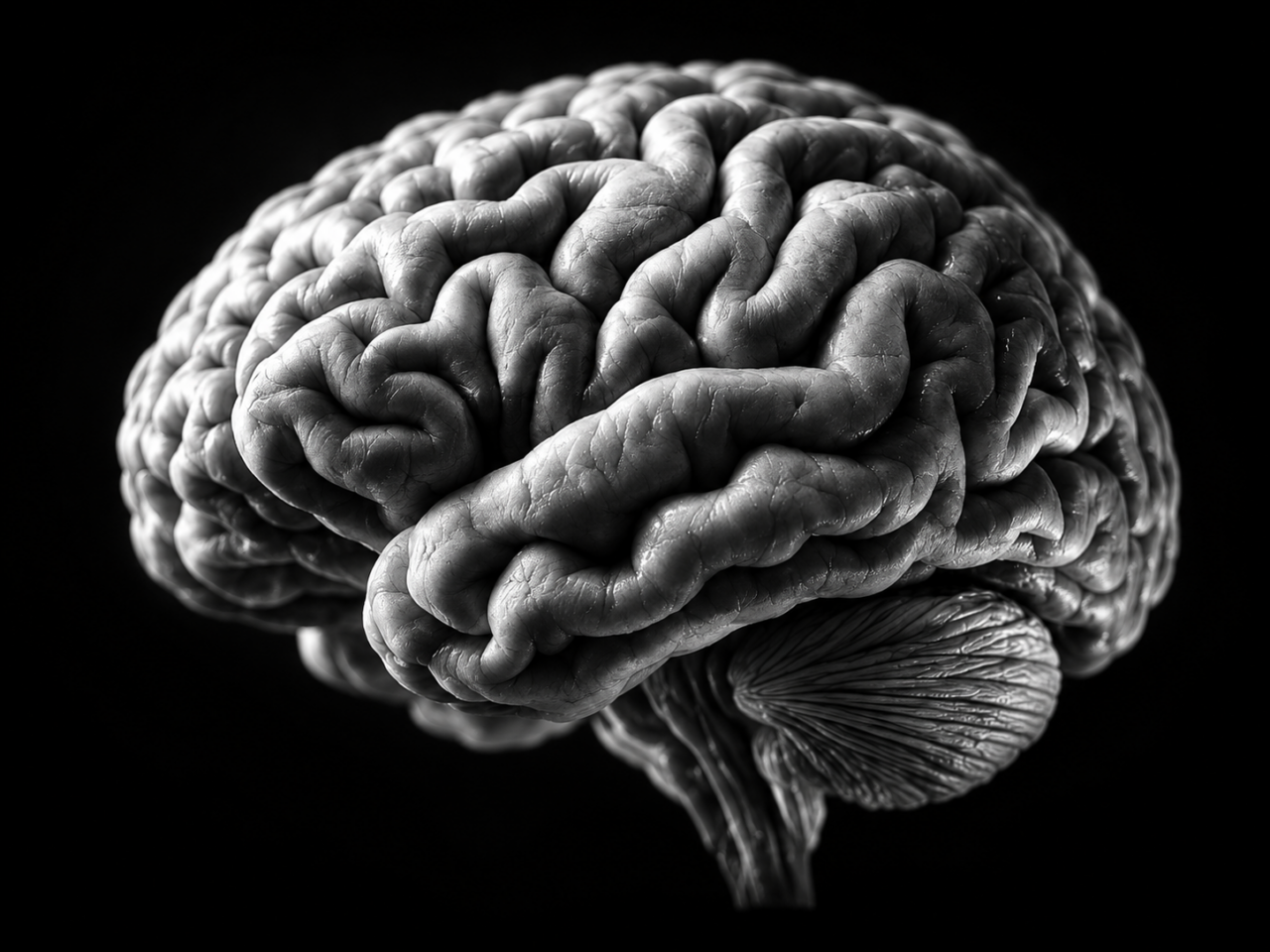
For decades, the human brain has shaped how we understand artificial intelligence. The comparison has been remarkably useful, but could it now be limiting our perspective? The revised second edition of ‘The Age of Light’ invites readers to reconsider intelligence through its physical foundations.
Read More

 Available here:
