Monday, July 20, 2026
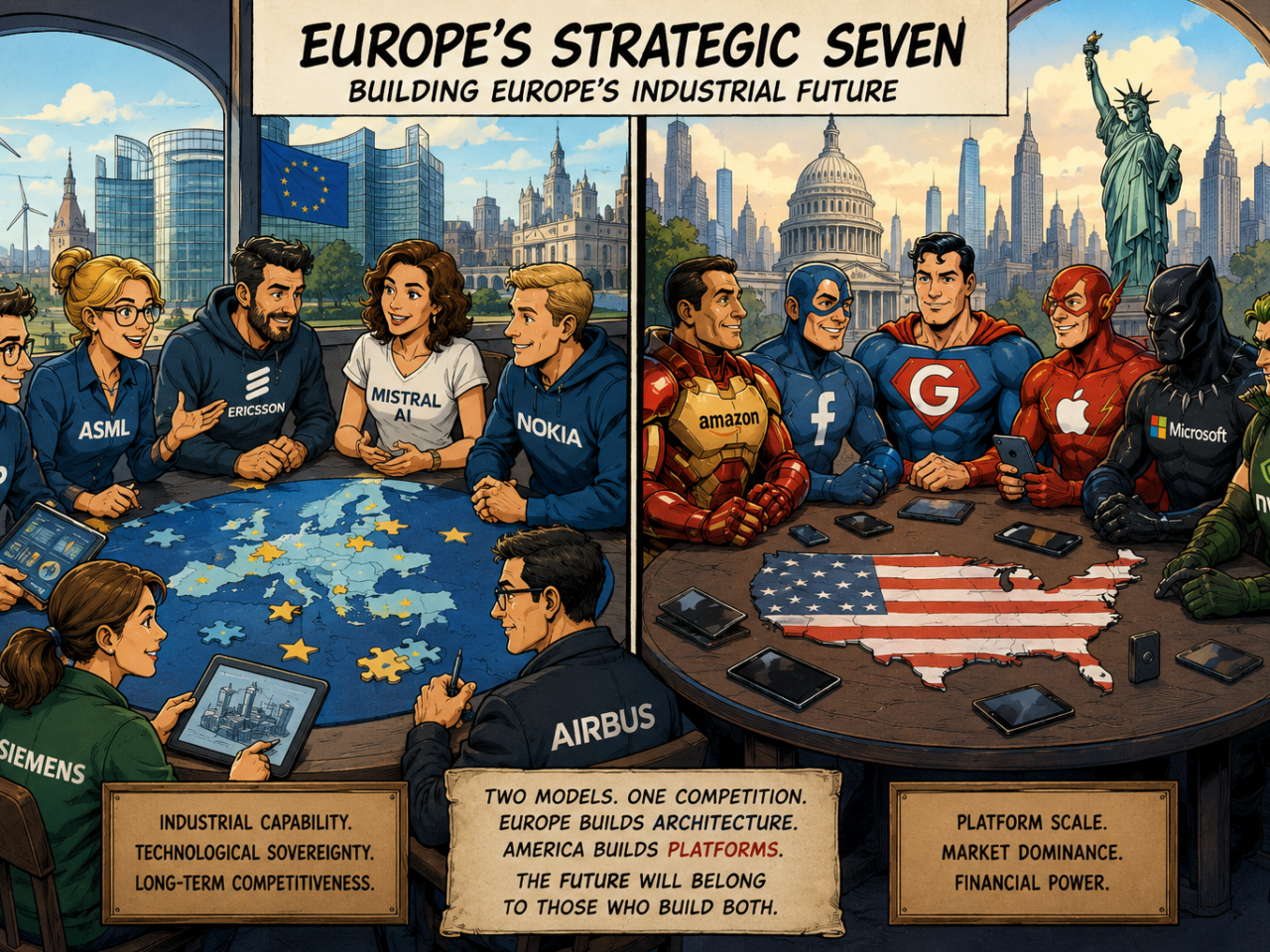
Europe’s future competitiveness may depend less on creating platform giants than on connecting its industrial strengths. As America, China and Europe pursue different economic models, coordination itself may be emerging as one of the most important strategic capabilities of the twenty-first century.
Read More
Monday, July 20, 2026
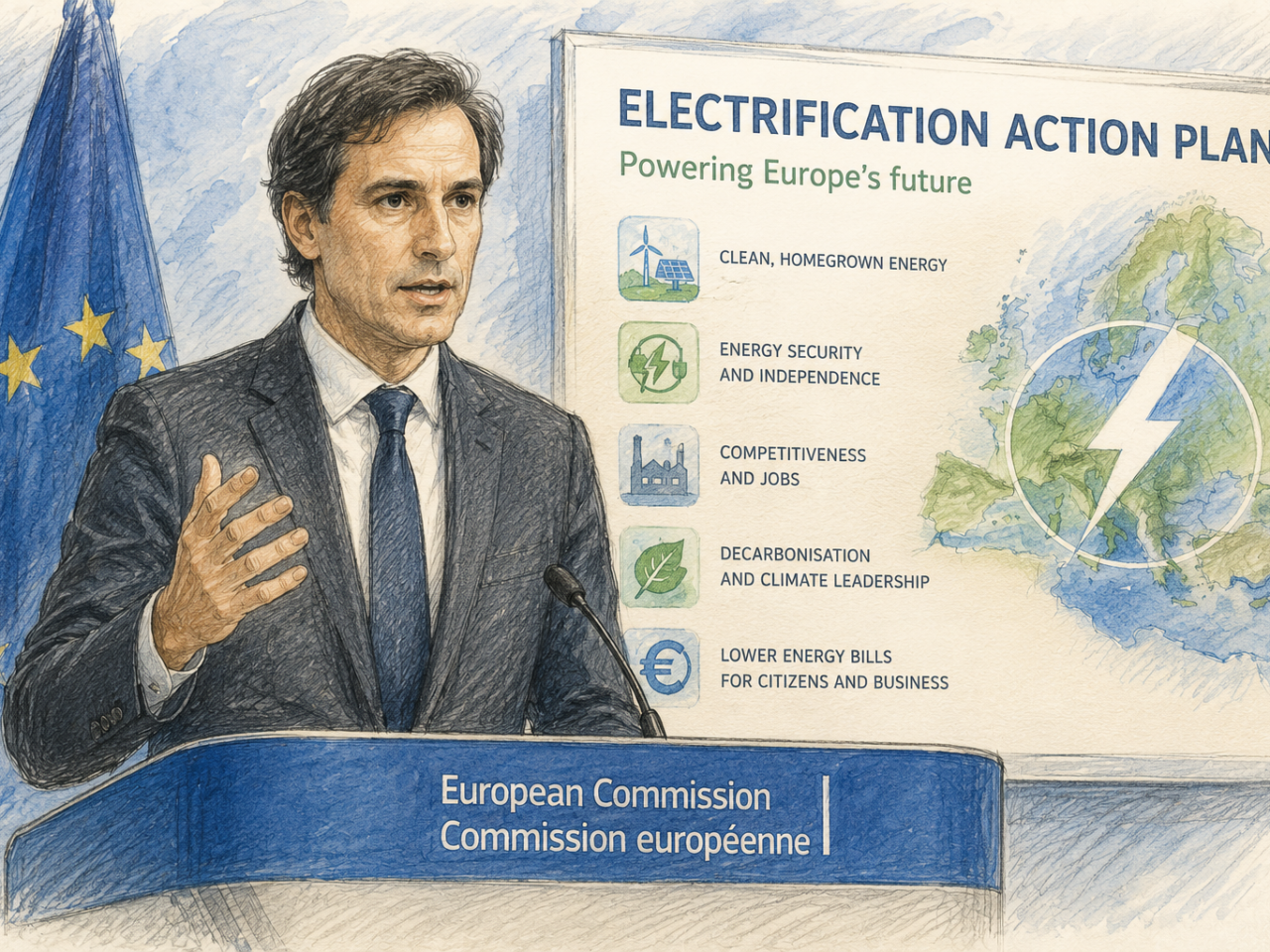
Europe’s ambition to become the world’s first electro-powered continent marks an important strategic shift. Yet electrification is not the final destination. It is the beginning of a far more complex challenge: designing the infrastructure, intelligence and institutions that allow an interconnected energy system to function.
Read More
Sunday, July 19, 2026
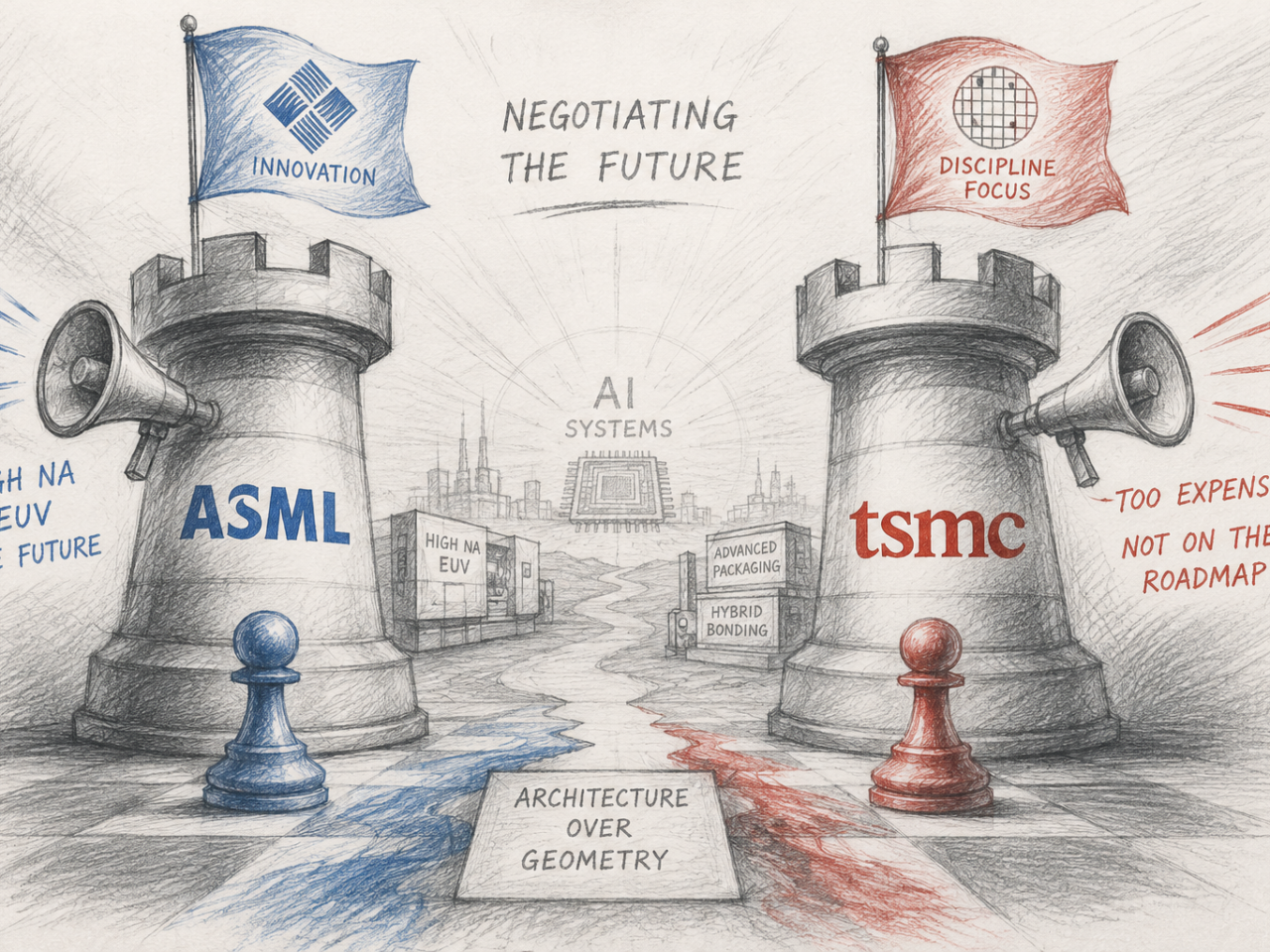
The public exchange between ASML and TSMC is about far more than the cost of High NA lithography. It signals a broader shift in semiconductor strategy, where competitive advantage increasingly depends on architecture, industrial coordination and the orchestration of technological ecosystems.
Read More
Sunday, July 19, 2026
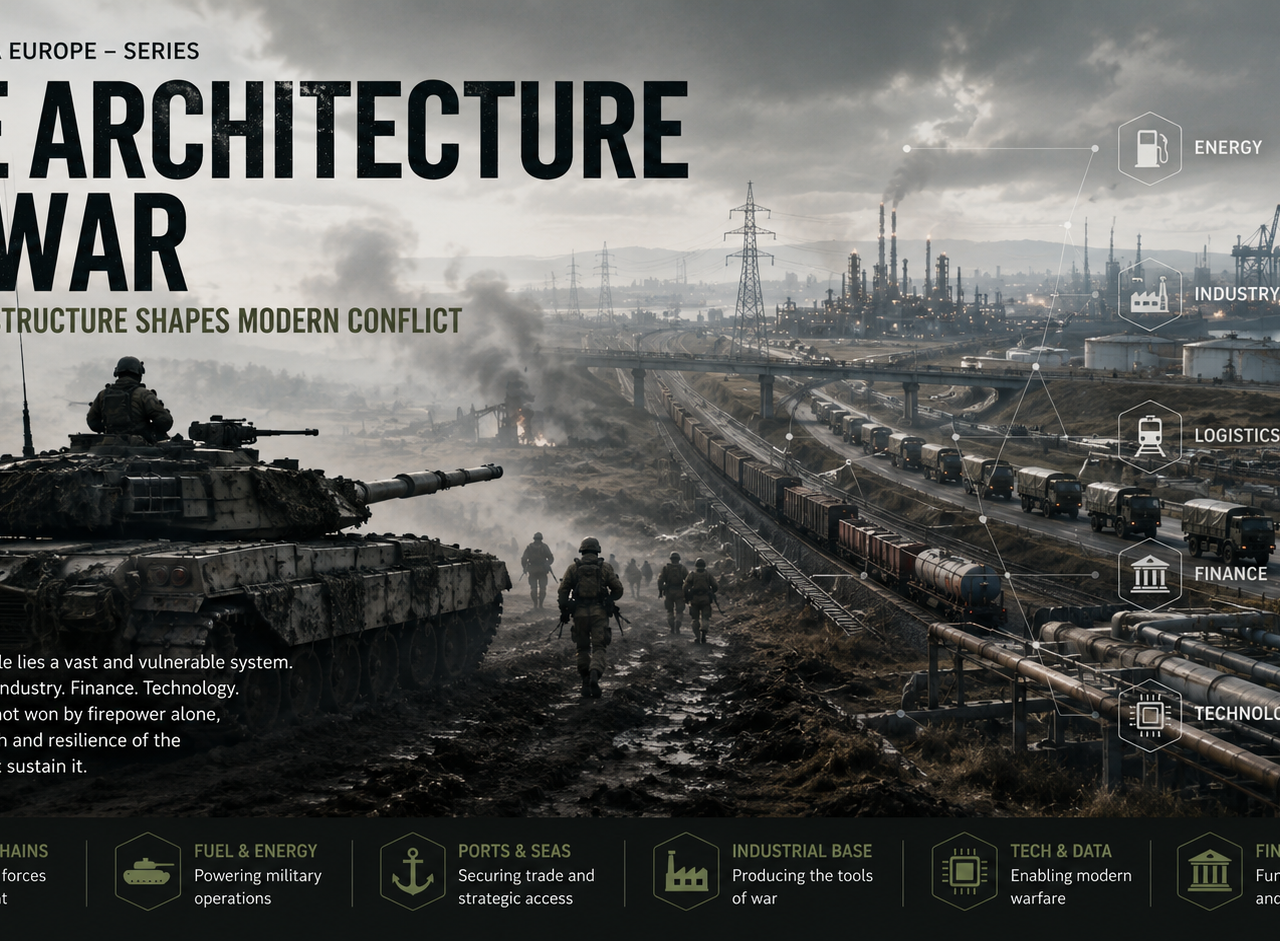
Wars are often judged by battles and weapons. Yet behind every front line lies a vast network of logistics, energy, industry, finance and technology. The Architecture of War explores the hidden infrastructure that increasingly determines how modern conflicts are fought—and sustained.
Read More
Saturday, July 18, 2026
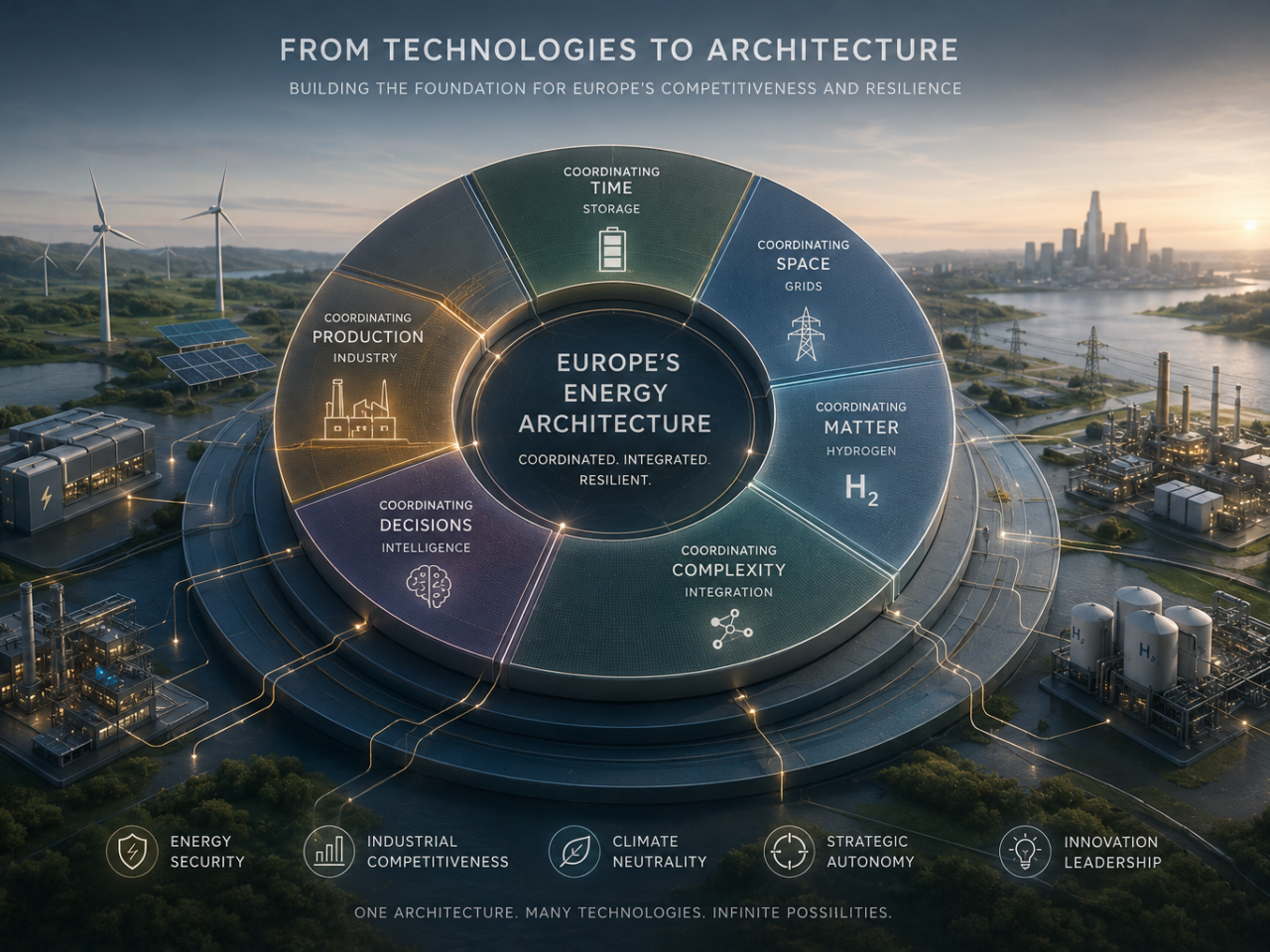
Europe’s energy transition is evolving beyond individual technologies. Storage, grids, hydrogen, digital systems and industrial transformation are converging into an integrated energy architecture in which infrastructure, intelligence and institutions increasingly function as one coordinated system.
Read More
Friday, July 17, 2026
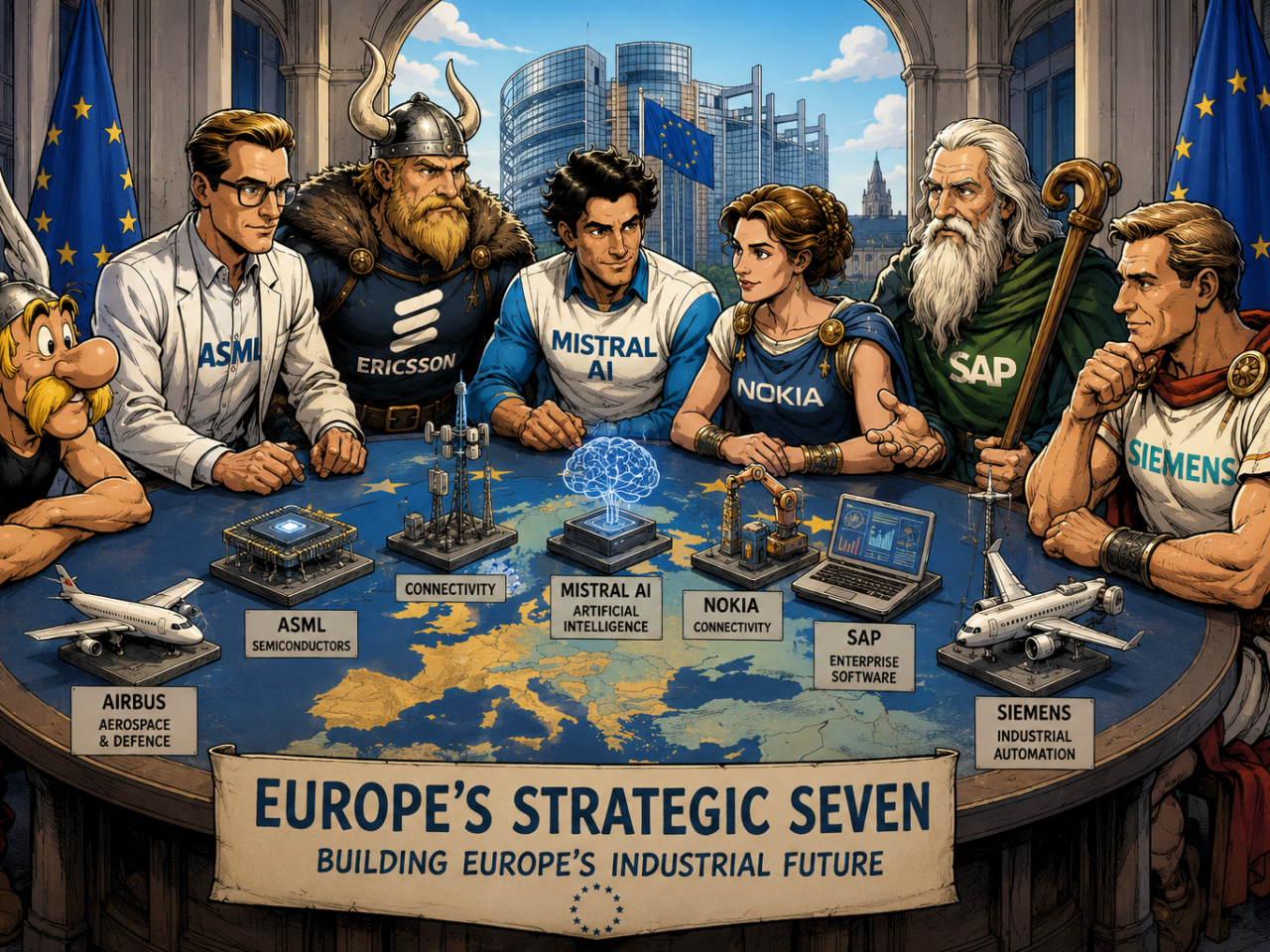
As Europe searches for a new model of competitiveness, seven technology companies are increasingly shaping the conversation. More than corporate leaders, they represent an emerging industrial architecture built around coordination, strategic technologies and Europe’s long-term economic resilience.
Read More
Friday, July 3, 2026
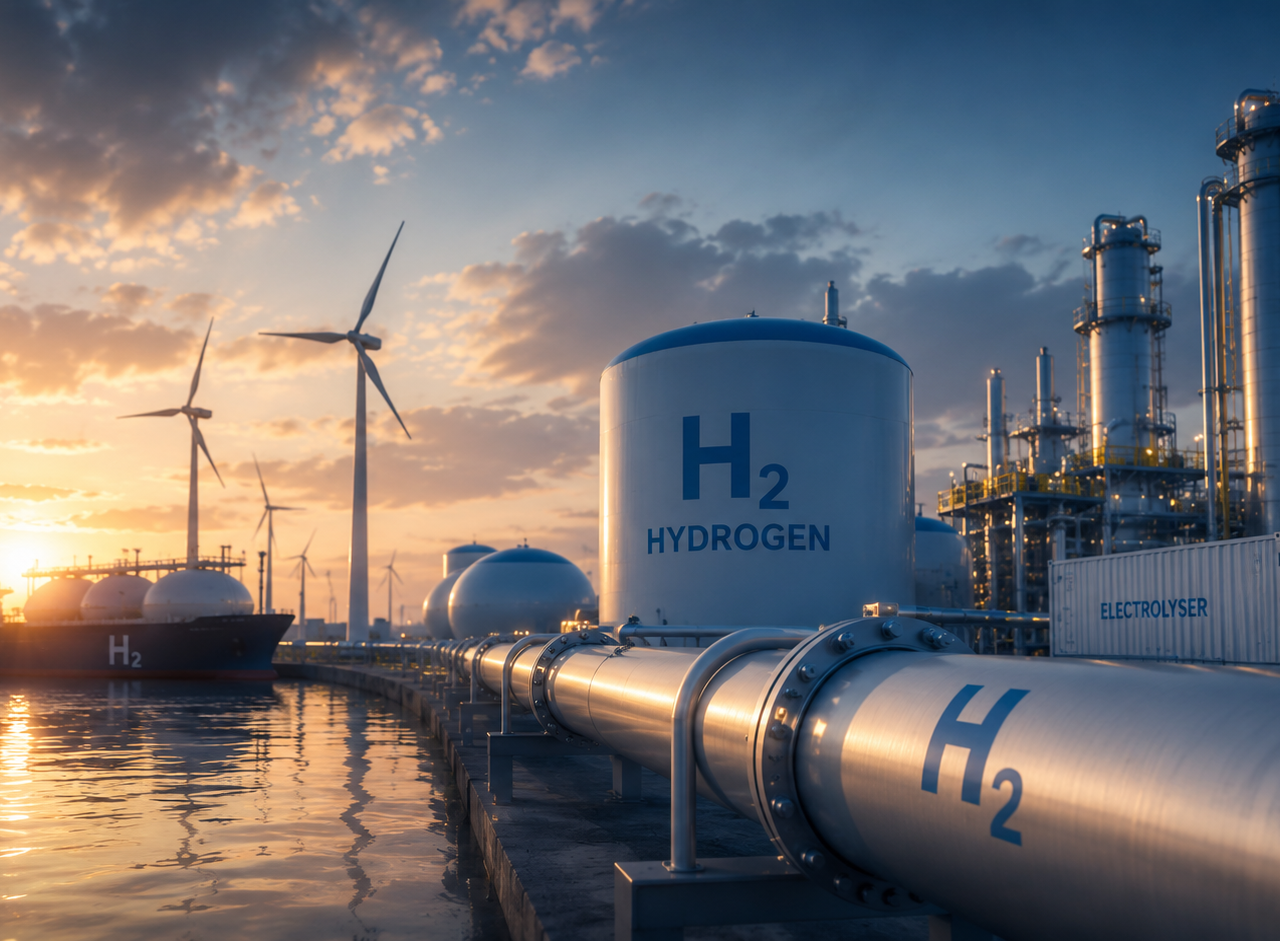
Hydrogen is often presented as an energy technology. Yet its deeper significance may lie elsewhere. As Europe seeks to decarbonise industry, transport and chemistry, hydrogen is emerging as a mechanism for storing, transporting and coordinating matter itself.
Read More
Saturday, June 13, 2026

Europe’s challenge is no longer simply competing with foreign companies. It is increasingly competing with state-backed industrial ecosystems. As strategic industries shift from products to infrastructure, Europe faces difficult questions about resilience, sovereignty and the future of open markets.
Read More
Thursday, June 11, 2026

While much of Europe embraced market liberalisation, France maintained a stronger belief in the strategic role of the state. Today, as debates over industrial policy, energy security and technological sovereignty return, France’s economic model appears more relevant than it has in decades.
Read More
Sunday, June 7, 2026
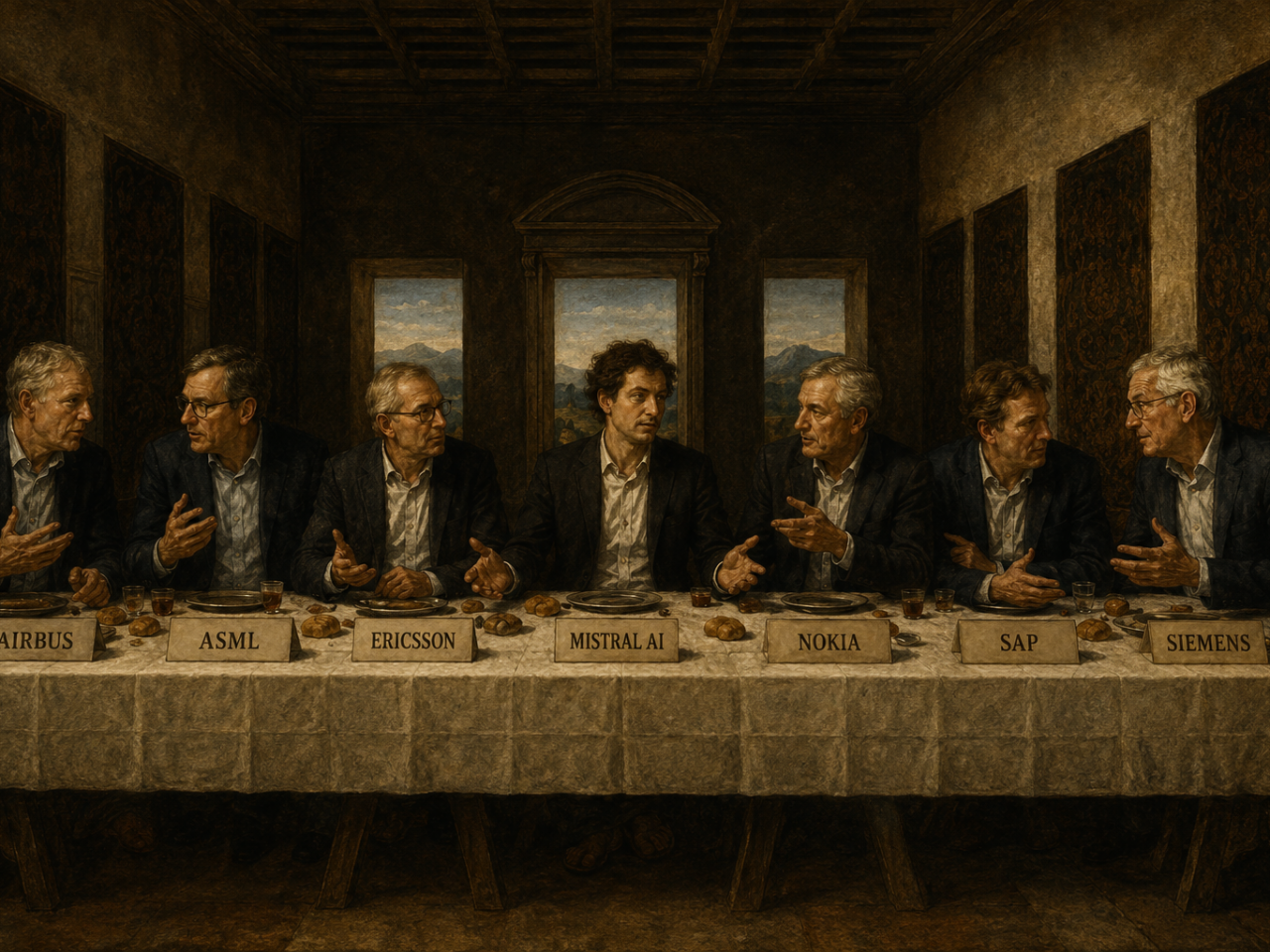
When seven European technology leaders issued a joint call for action, much of the discussion focused on regulation. Yet the significance of the coalition may lie elsewhere. By bringing together companies from semiconductors, telecommunications, industrial systems, software, artificial intelligence and aerospace, the statement reveals a broader shift in European thinking: from individual sectors toward interconnected technology ecosystems.
Read More

 Available here:
