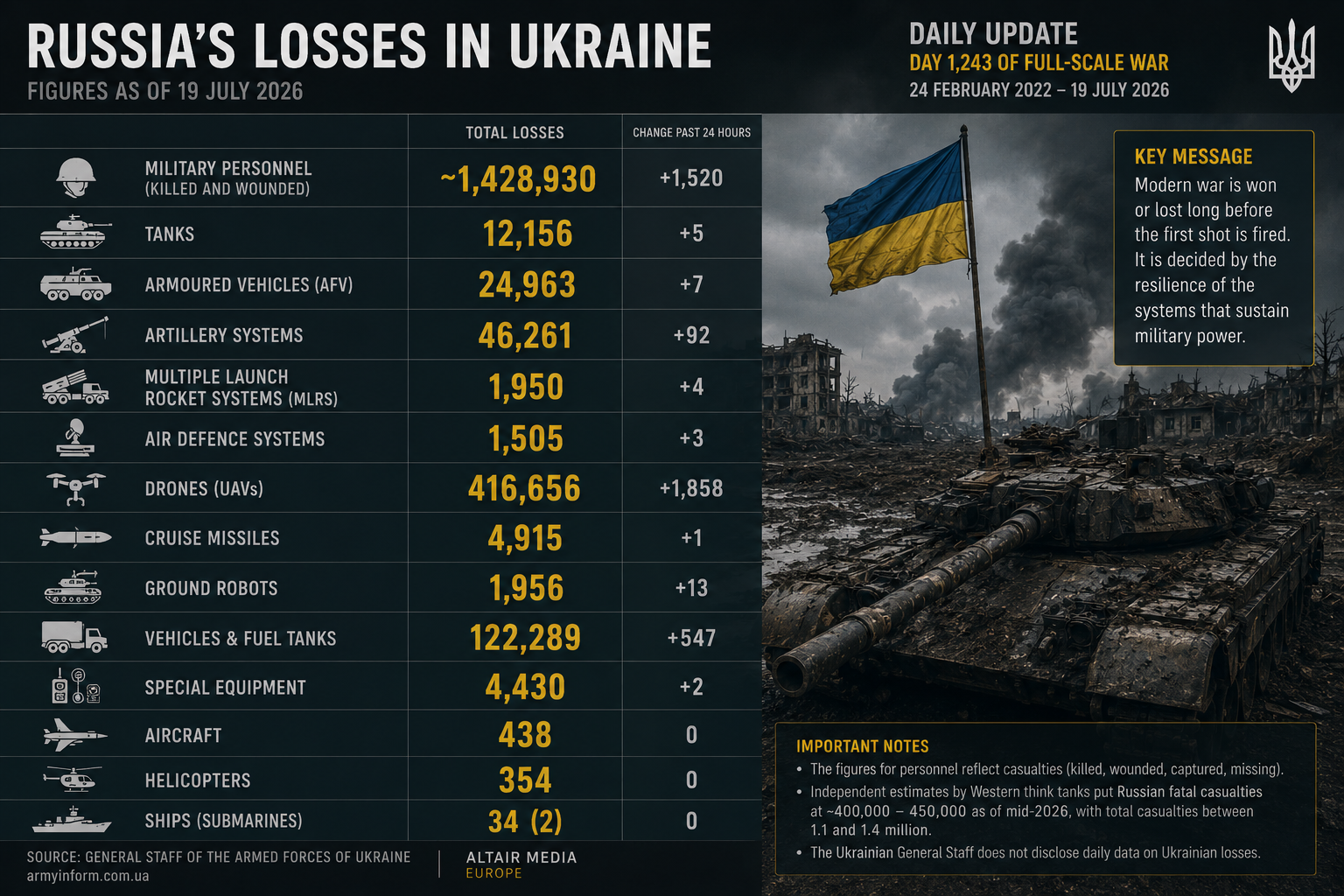
The war in Ukraine is revealing that modern military power depends on far more than soldiers and weapons. Behind every battlefield lies an ecosystem of logistics, energy, industry and digital infrastructure that increasingly determines how conflicts are sustained—and ultimately decided.
The Architecture of War
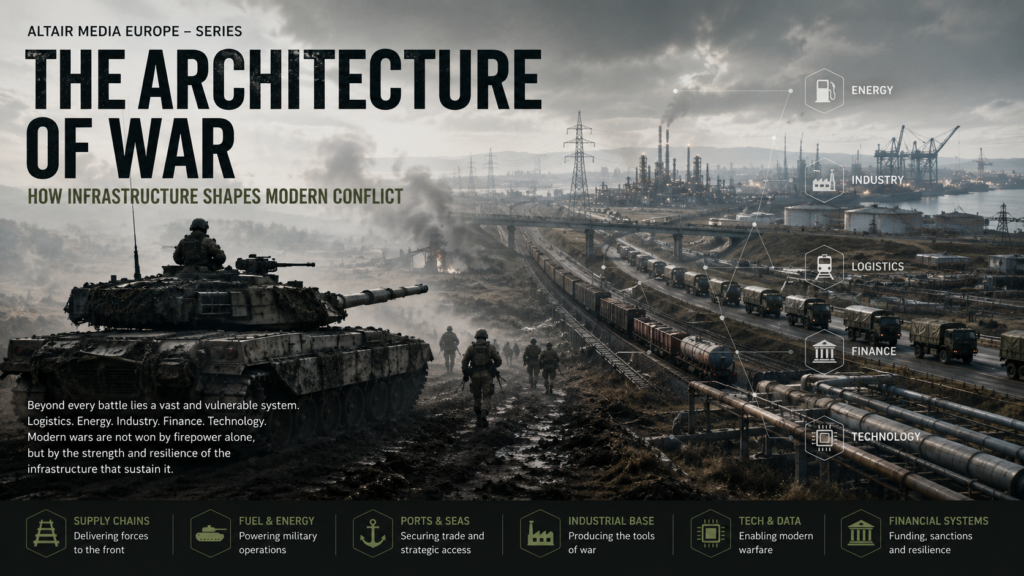
How Infrastructure Shapes Modern Conflict
Wars are often remembered through battles, military leaders and decisive offensives. Yet behind every battlefield lies a far larger system of logistics, energy, industry, finance and technology that determines whether military power can be sustained over time. Increasingly, modern conflicts are shaped as much by infrastructure as by firepower.
The Architecture of War explores the hidden systems that underpin contemporary warfare. From supply chains and railways to energy networks, industrial production, financial systems and strategic partnerships, this series examines how nations build, sustain and project power. Looking beyond the front lines, it reveals that the outcome of modern conflict is often determined by the strength, resilience and coordination of the systems that make war possible.
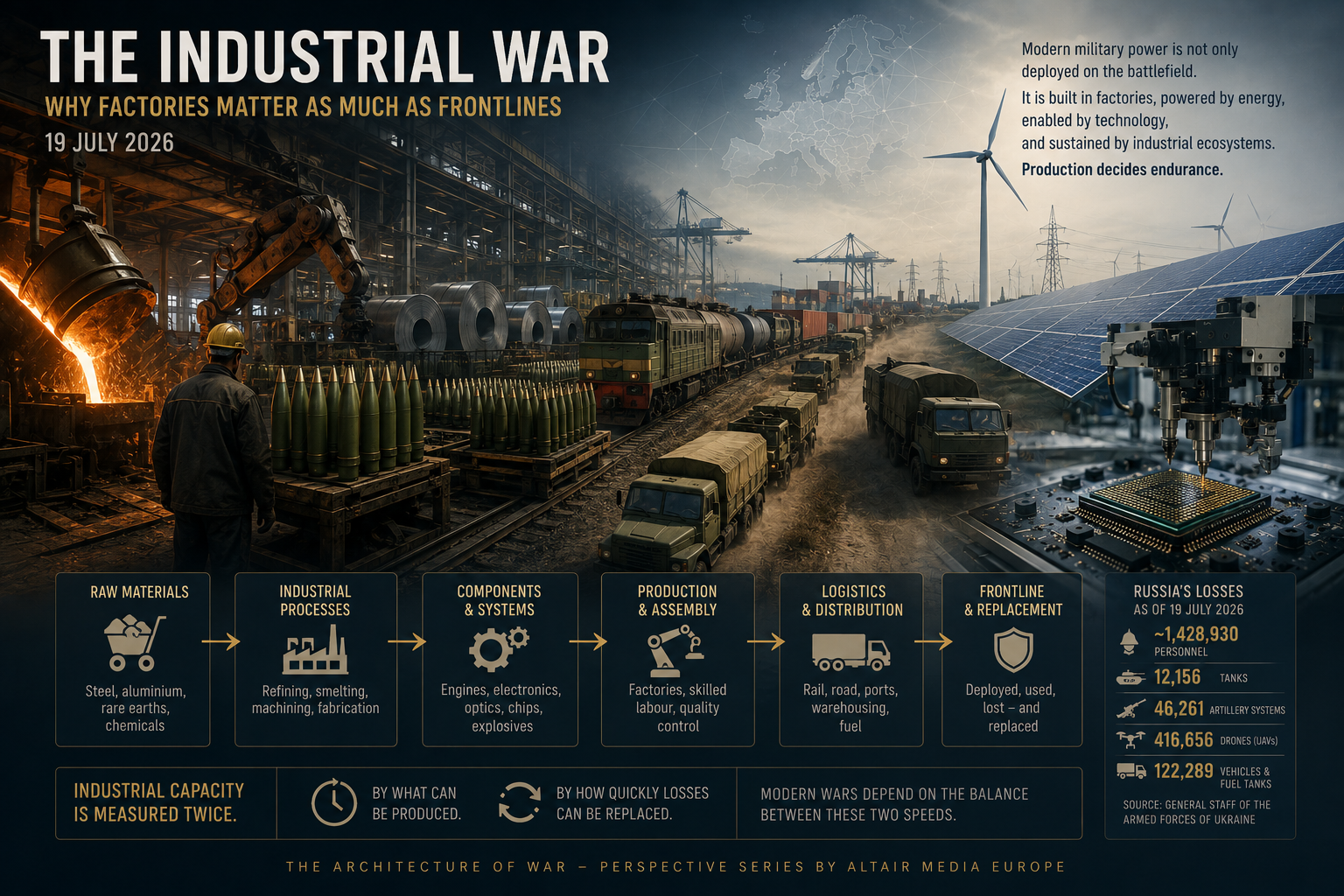
Modern wars are no longer sustained by military force alone. Behind every battlefield lies an industrial ecosystem of factories, energy, raw materials, semiconductors and skilled labour. The Industrial War explores why production capacity has become a defining element of strategic resilience.
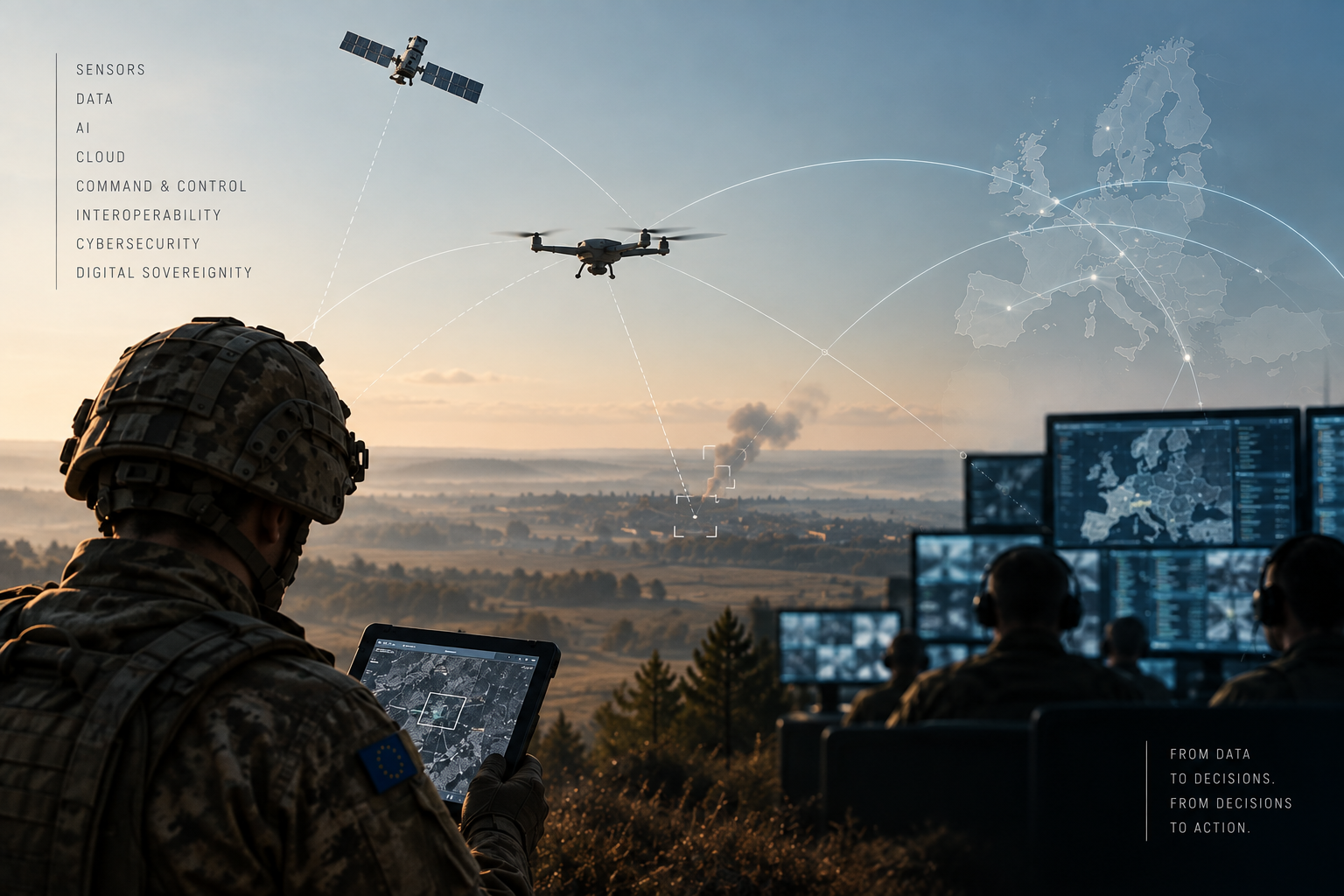
Modern warfare increasingly depends on an invisible digital layer connecting sensors, drones, cloud infrastructure, artificial intelligence and command systems. The Digital Battlefield examines why control over software, data and interoperability is becoming a fundamental question of European military sovereignty.
Credit
Altair Media Europe | AI-generated visual illustration
Caption
A tank dominates the foreground, symbolising the visible face of war. Behind it, railways, ports, pipelines and industrial infrastructure reveal the hidden systems that sustain military power. The Architecture of War explores how logistics, energy, industry and technology increasingly shape the outcome of modern conflict.
