
Europe’s fruit industry does more than preserve the harvest. It transforms biological variation into industrial reliability, using agronomy, processing, energy, logistics and ingredient technology to make seasonal fruit available in predictable forms throughout the year.
Physical Infrastructure
The built environment that underpins economic activity — from cities and industrial facilities to transport corridors and the assets that sustain modern societies.
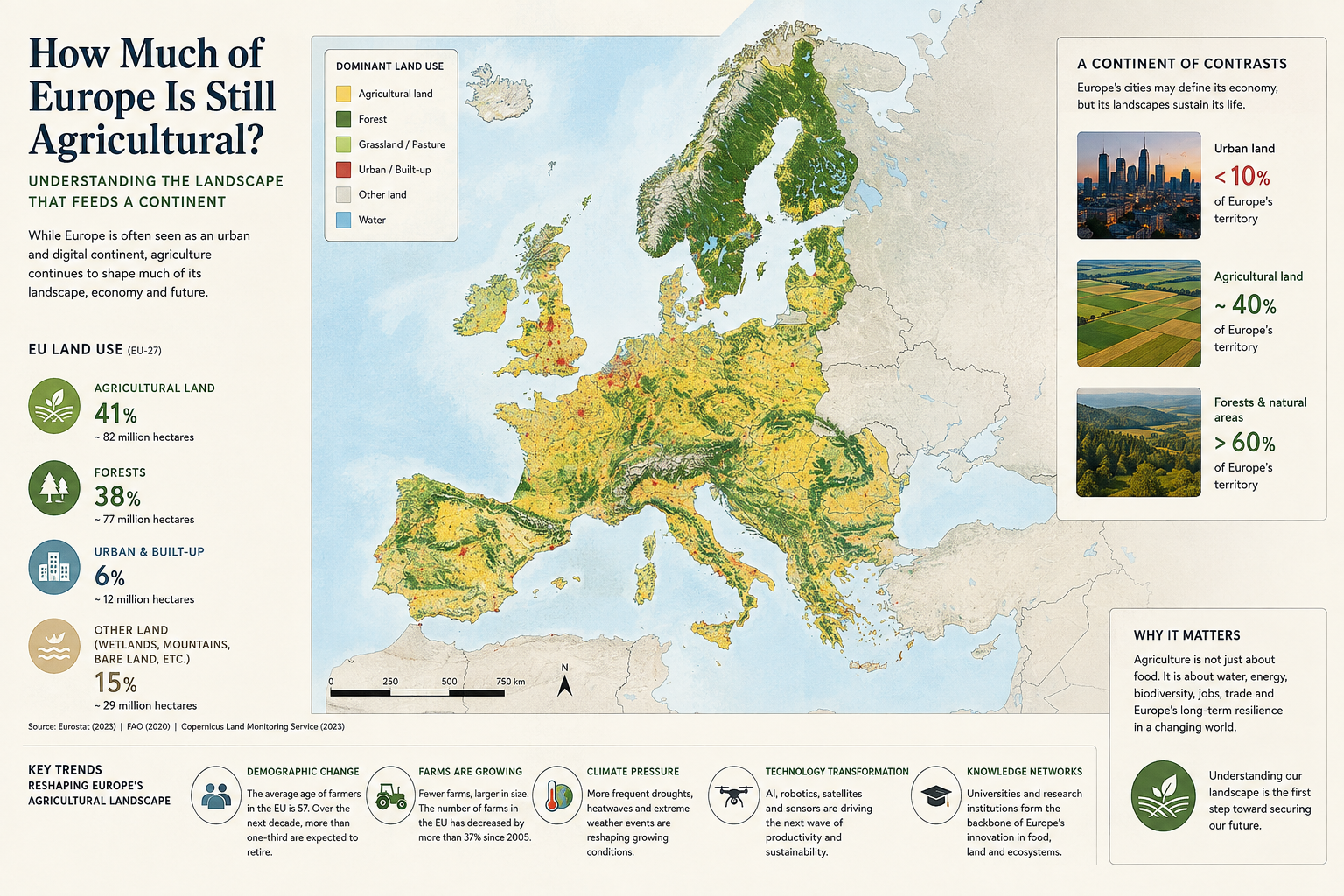
Europe’s agricultural landscape still shapes the continent far more than many people realise. This opening Perspective explores how land, technology, science and demographic change are transforming one of Europe’s largest and most essential systems: its food landscape.
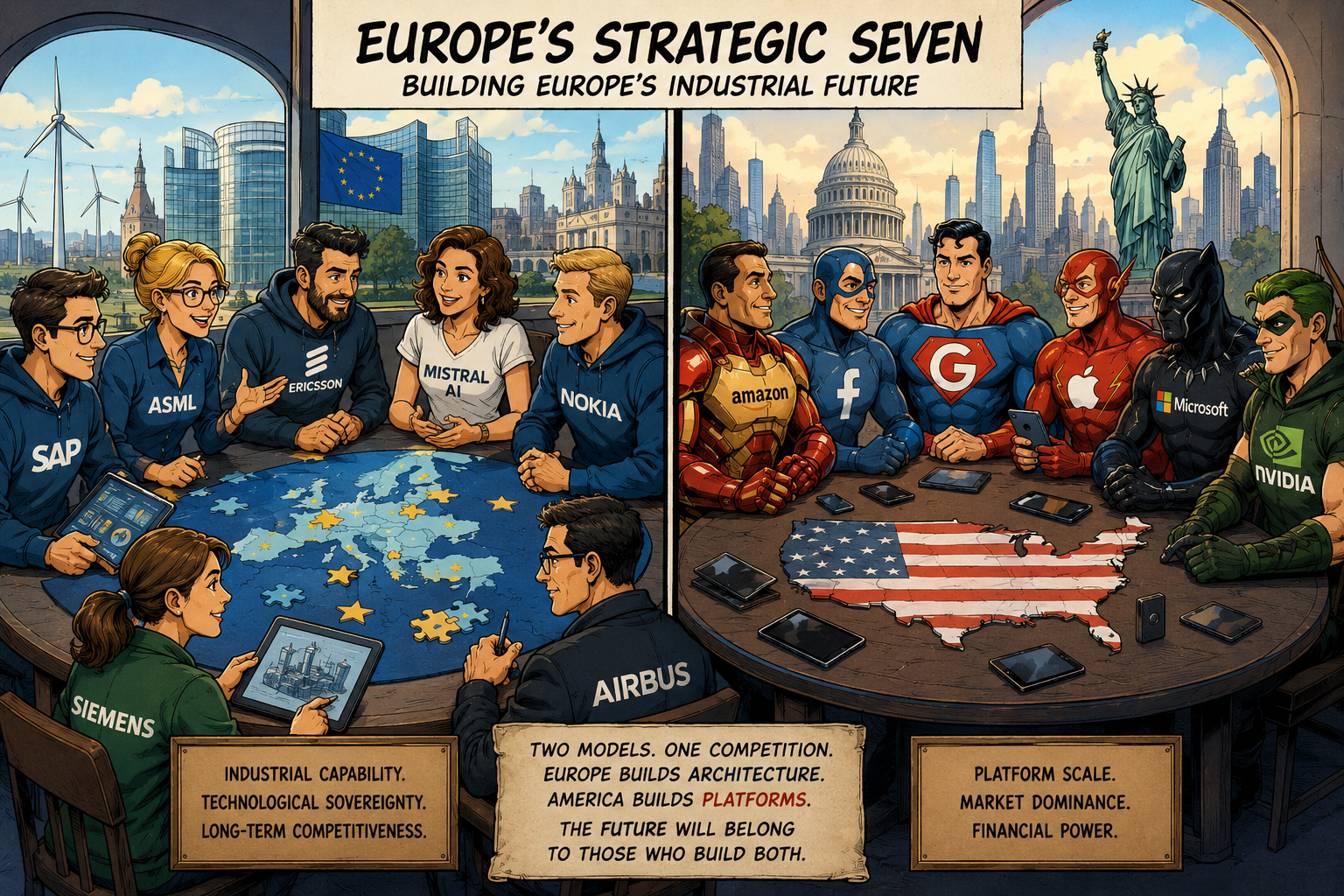
Europe’s future competitiveness may depend less on creating platform giants than on connecting its industrial strengths. As America, China and Europe pursue different economic models, coordination itself may be emerging as one of the most important strategic capabilities of the twenty-first century.
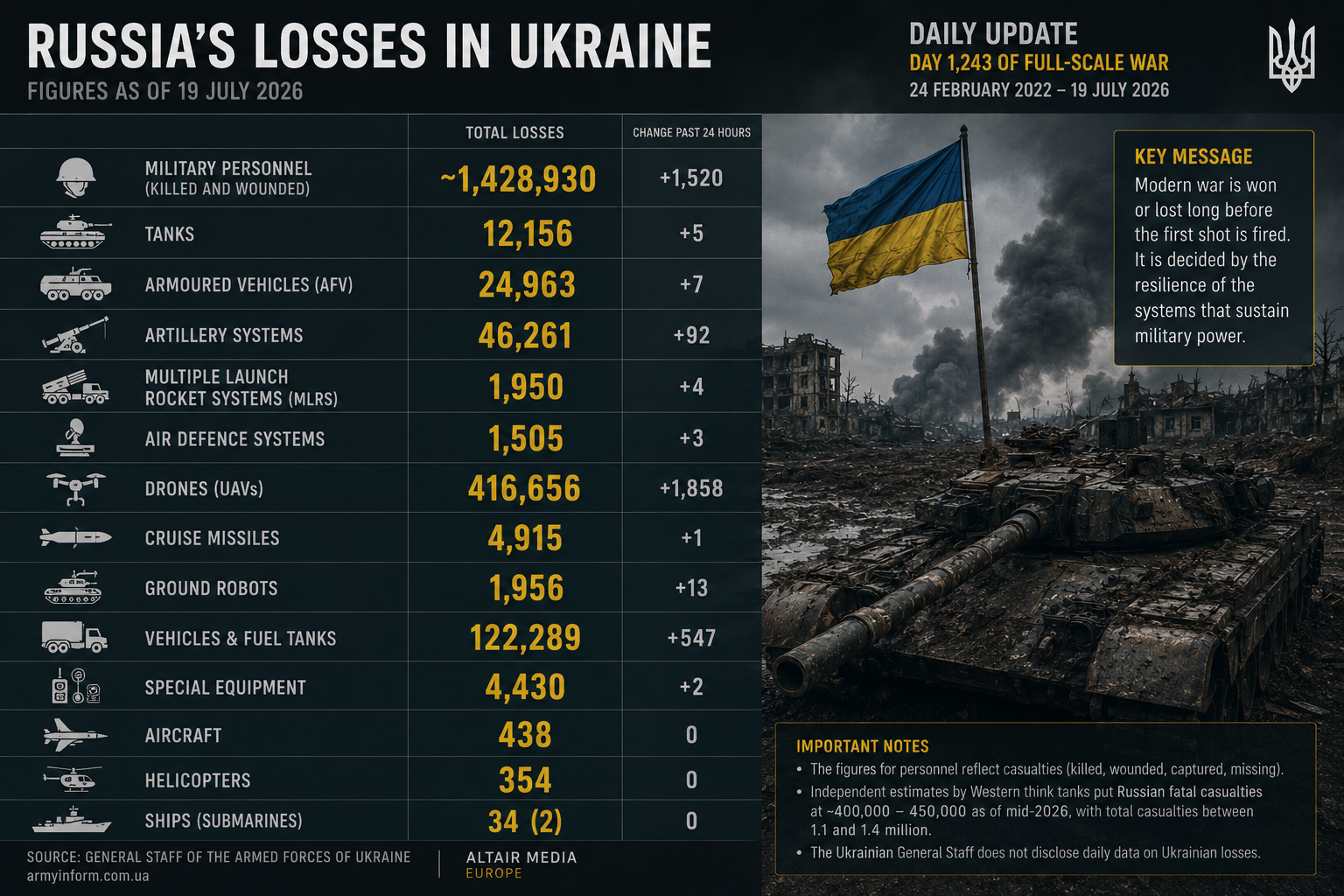
The war in Ukraine is revealing that modern military power depends on far more than soldiers and weapons. Behind every battlefield lies an ecosystem of logistics, energy, industry and digital infrastructure that increasingly determines how conflicts are sustained—and ultimately decided.
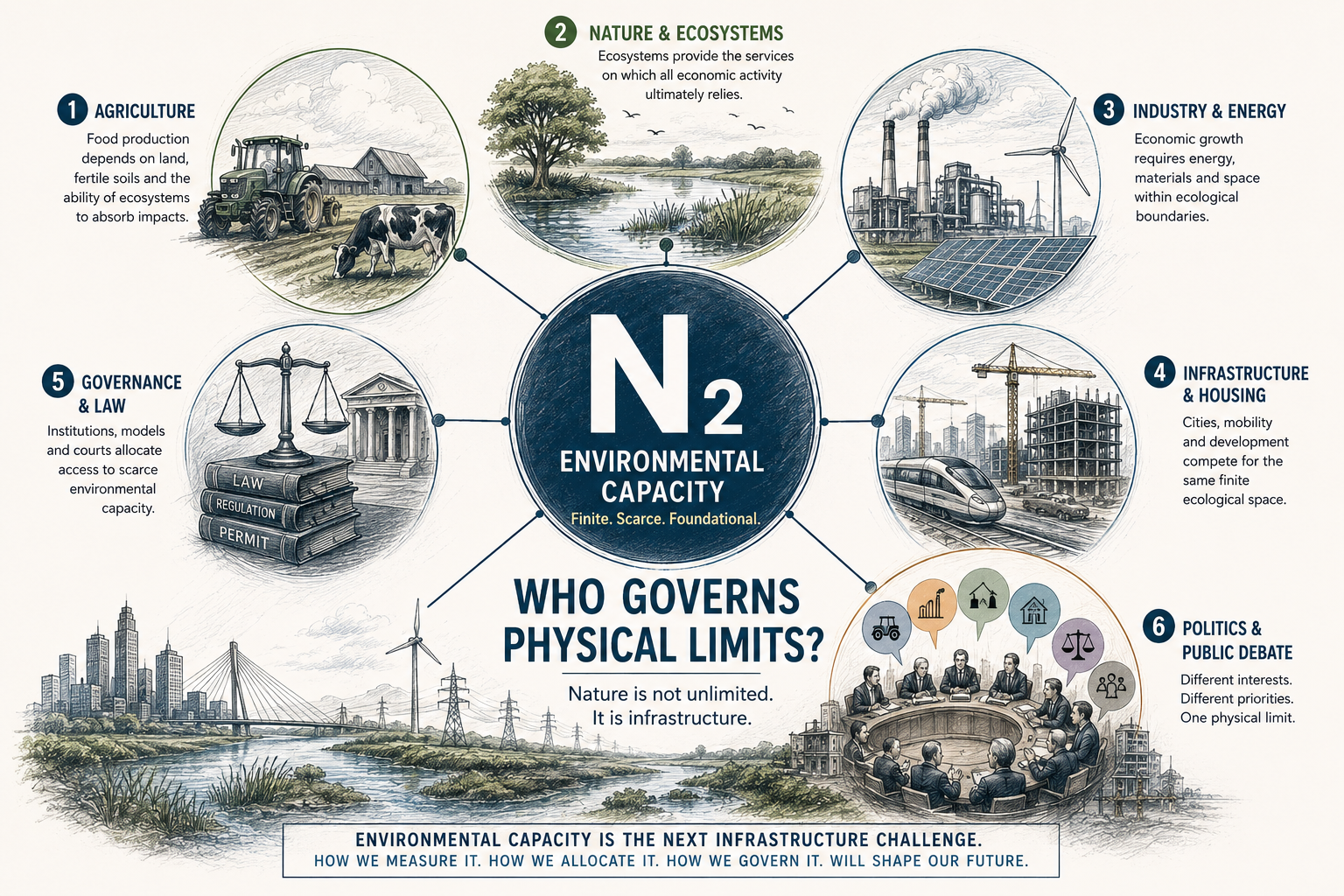
Environmental capacity is increasingly becoming a form of infrastructure. As ecological systems shape housing, industry, energy and mobility, societies face a new challenge: not merely reducing emissions, but governing the physical limits upon which modern economies depend.
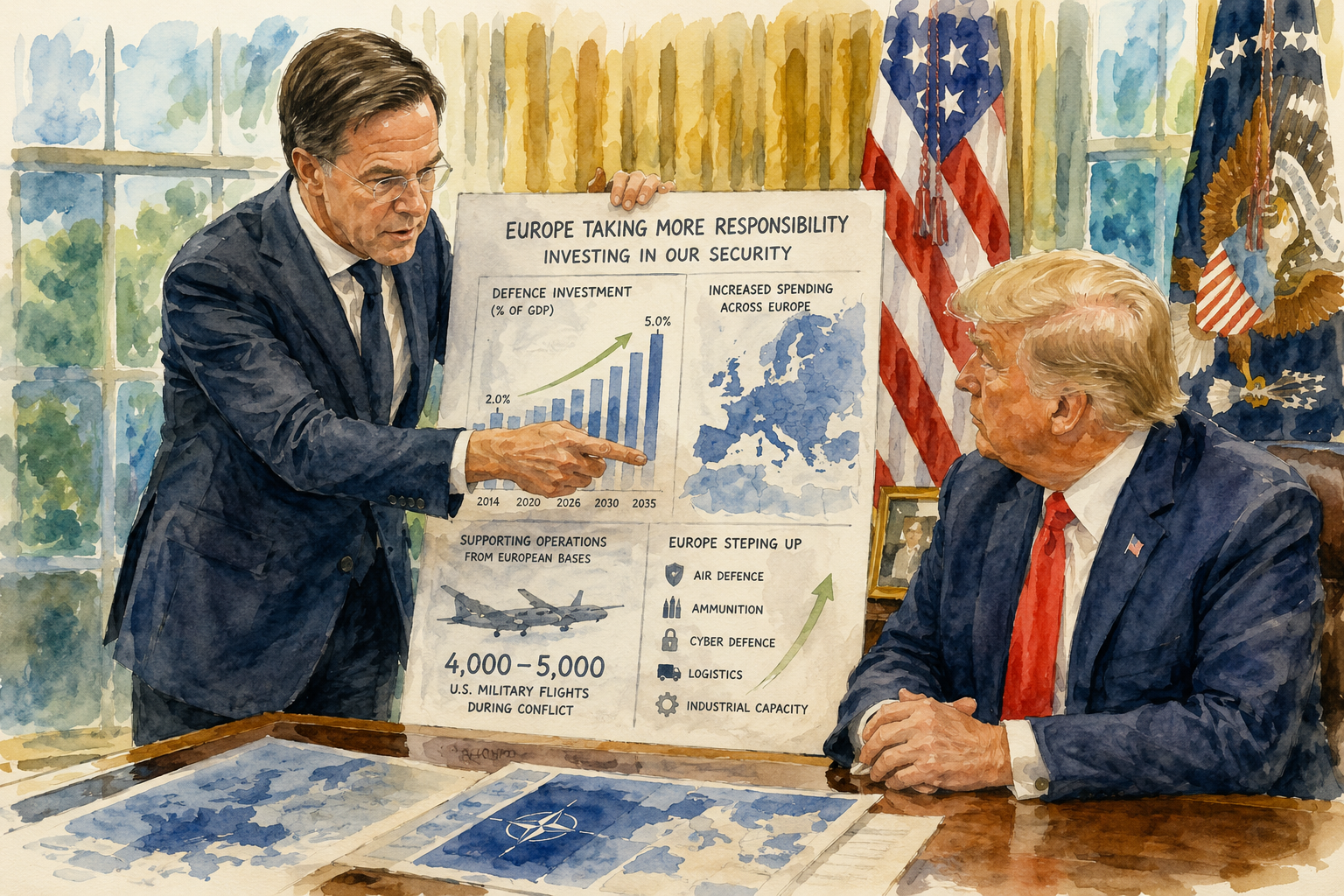
The future of NATO may no longer be determined solely by military strategy or defence spending. As Europe assumes greater responsibility for its own security, industrial capacity, technological capability and strategic production are becoming essential pillars of collective defence. Is NATO evolving into an alliance of collective capability?

Europe’s challenge is no longer simply competing with foreign companies. It is increasingly competing with state-backed industrial ecosystems. As strategic industries shift from products to infrastructure, Europe faces difficult questions about resilience, sovereignty and the future of open markets.
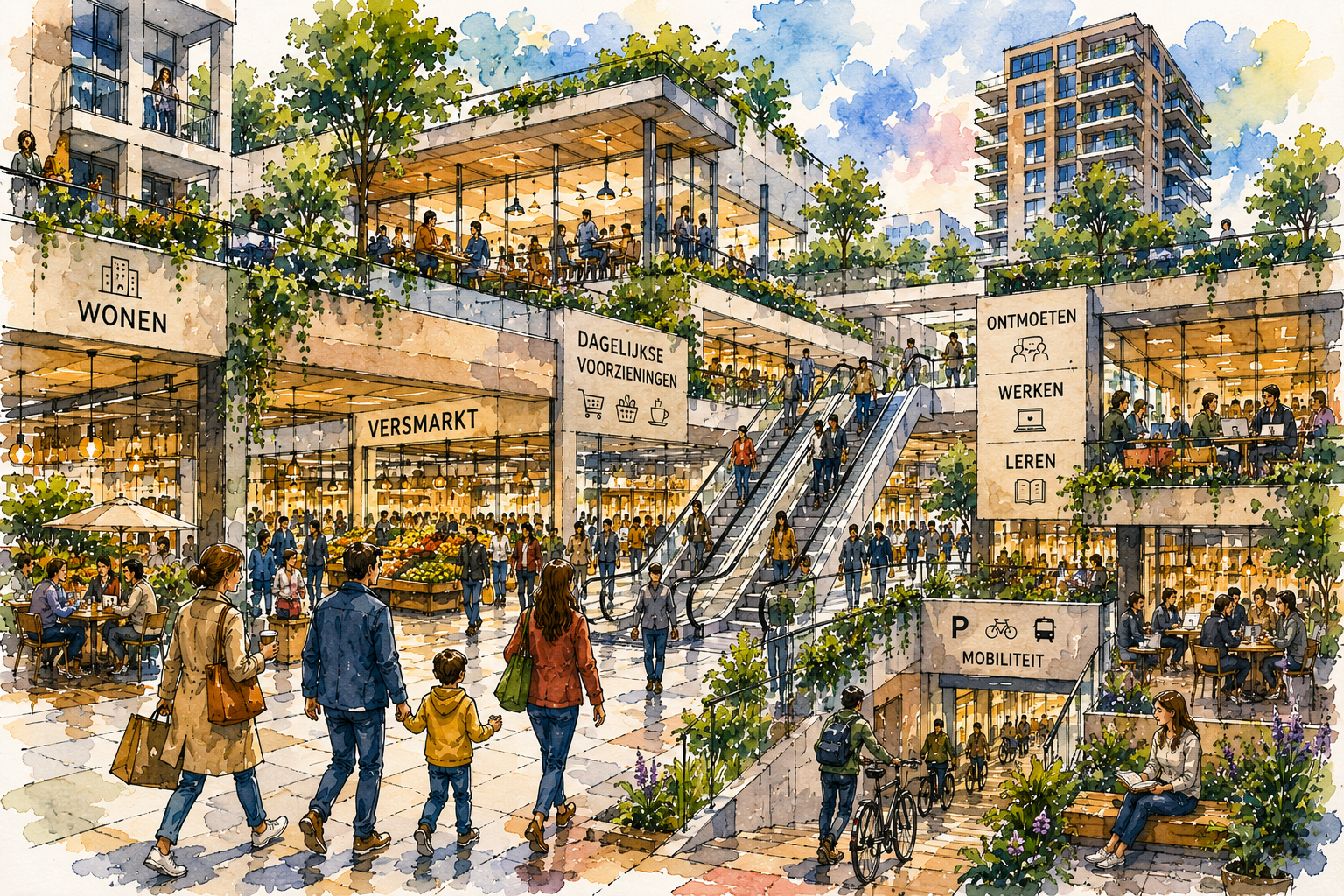
As e-commerce reshapes consumer behaviour, shopping centres are evolving into something far larger than retail alone. Across Europe, housing, hospitality, public space and daily services are increasingly converging into compact urban ecosystems where people live, work, meet and belong.

Artificial intelligence is often discussed as a software revolution. Increasingly, however, AI is revealing itself as something much larger: an industrial system built upon energy, semiconductors, infrastructure and global supply chains. As intelligence scales, the real competition may shift from algorithms toward the ecosystems capable of sustaining them.
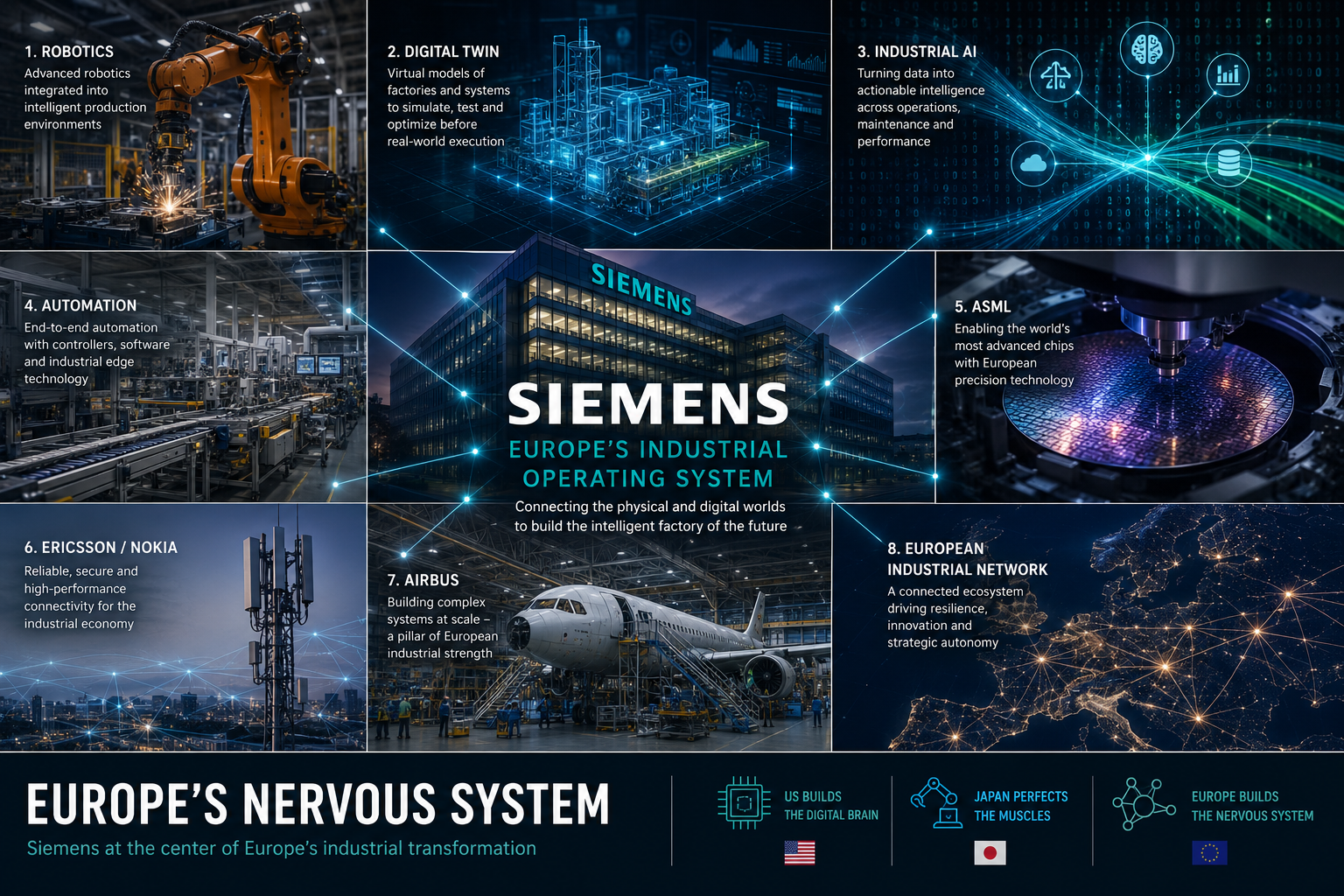
While the United States develops the digital brain of AI and Japan perfects the mechanical muscles of robotics, Europe may be building something different: the industrial nervous system. Siemens increasingly sits at the center of that transformation.
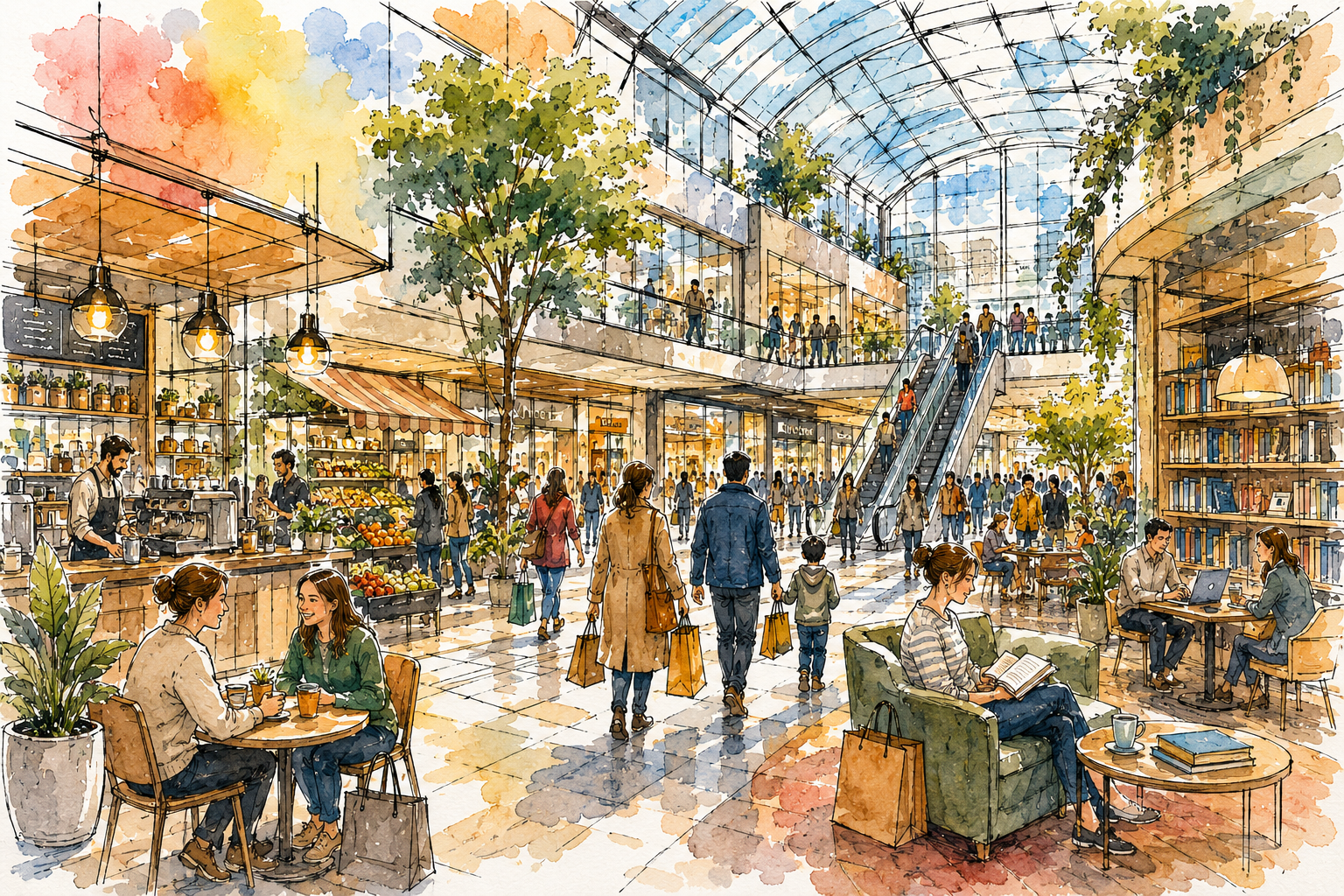
As e-commerce optimized retail around speed and efficiency, physical shopping centres began transforming into something else entirely: social environments where experience, presence and urban life increasingly matter as much as consumption itself.

Across Europe’s innovation regions, housing is emerging as a structural constraint on economic growth. The expansion of student housing in Eindhoven illustrates how cities increasingly treat housing as critical infrastructure supporting talent, universities and the long-term competitiveness of the knowledge economy.
