Who Will Lead Europe’s Next Big Tech Rounds?

The EIB’s plan to expand Europe’s pool of growth investors.
The European Investment Bank Group, seven EU countries and a group of institutional investors announced more than €10 billion in commitments and investment intentions on 9 November 2026. They want European technology companies to raise larger equity rounds and expand globally from Europe. The plan relies on European fund managers being able to lead more of those rounds.
The announcement brings together money committed to a fund and money investors intend to deploy across the wider market. Each follows a different route to the companies that need it.
Read MoreTwo Candidates for the ECB. How Would They Respond to the Next Crisis?

The candidates to succeed Christine Lagarde offer clues about how the ECB would handle a bond sell-off and keep banks funded.
France’s ten-year government bond yield crossed 5 per cent in October as investors demanded a higher premium to hold French debt than German debt. The widening gap brings into focus a question for Christine Lagarde’s successor. When does a rise in one country’s borrowing costs become a problem for the central bank of the entire euro area?
The Netherlands has nominated Klaas Knot, the former president of De Nederlandsche Bank. Spain has put forward Pablo Hernández de Cos, the former governor of Banco de España and now general manager of the Bank for International Settlements. The Eurogroup discussed both candidacies on 9 November. Lagarde is due to step down on 7 February 2027.
Read MoreWho Is Connecting Europe’s Industrial AI?

ASML’s work with Mistral shows what happens when an AI company meets a real engineering problem. The next test is whether that know-how can serve other manufacturers.
ASML says early pilots with Mistral identified certain subsystem errors more than 70% faster while matching engineers’ accuracy. The result concerns a specific diagnostic task. It gives Europe’s Strategic Seven a concrete starting point: when industrial knowledge and AI come together inside one company, what can be carried into the next factory?
Part four of Building Europe’s Industrial AI. After Erlangen, the question is how individual partnerships can become an offering that other manufacturers can adopt.
Read MoreSociety & Culture
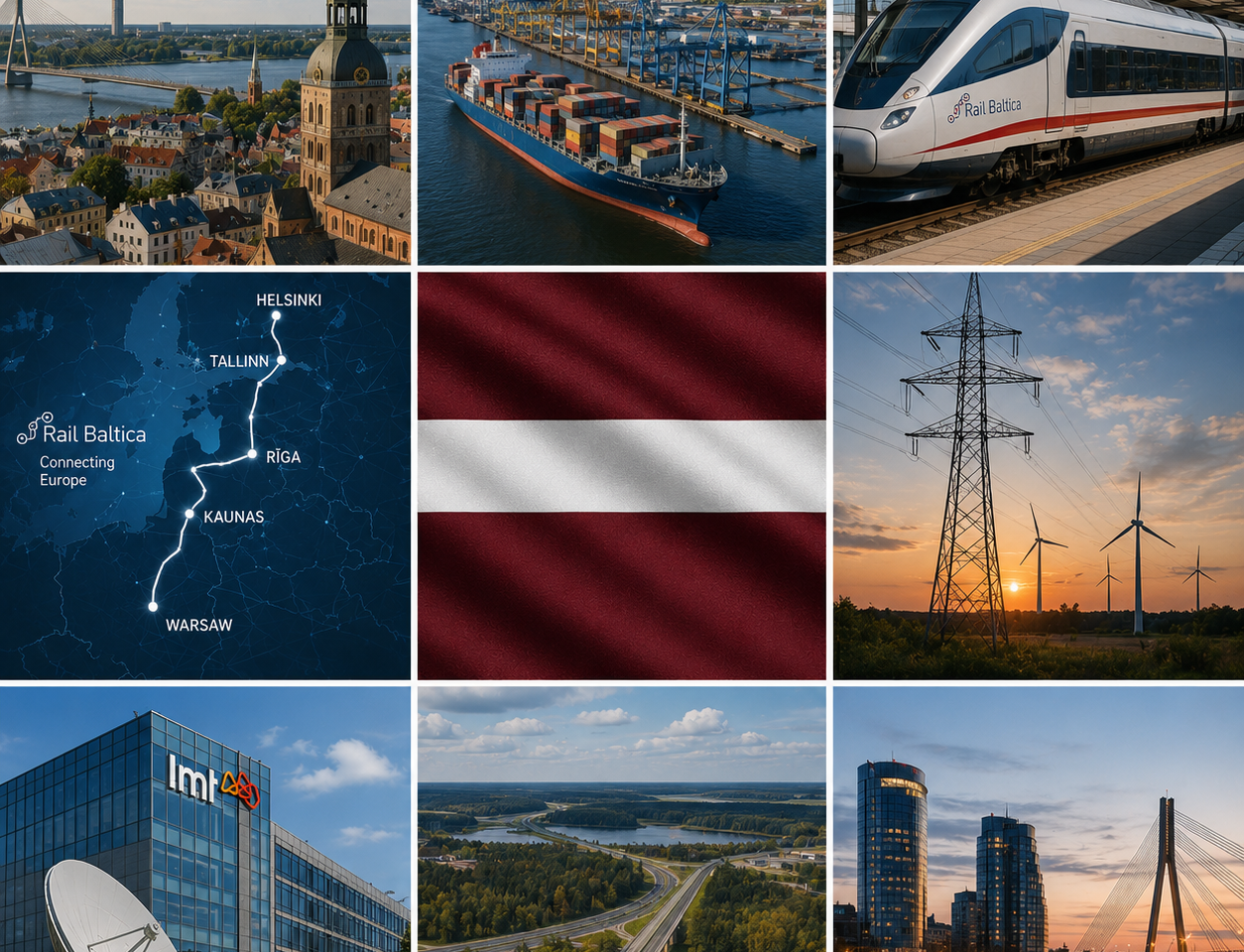
Latvia — Europe’s Strategic Connector
Saturday, July 18, 2026
Latvia is redefining its role within Europe’s strategic landscape. Through transport corridors, digital connectivity, energy integration and resilient infrastructure, the country demonstrates that economic influence increasingly depends not on size, but on the ability to connect people, markets and critical systems.

Where Have Human Rights Gone?
Friday, July 17, 2026
The language of international politics is changing. As security, resilience, technological sovereignty and geopolitical competition dominate public debate, this Signal explores where human rights fit within the evolving architecture of the twenty-first century.
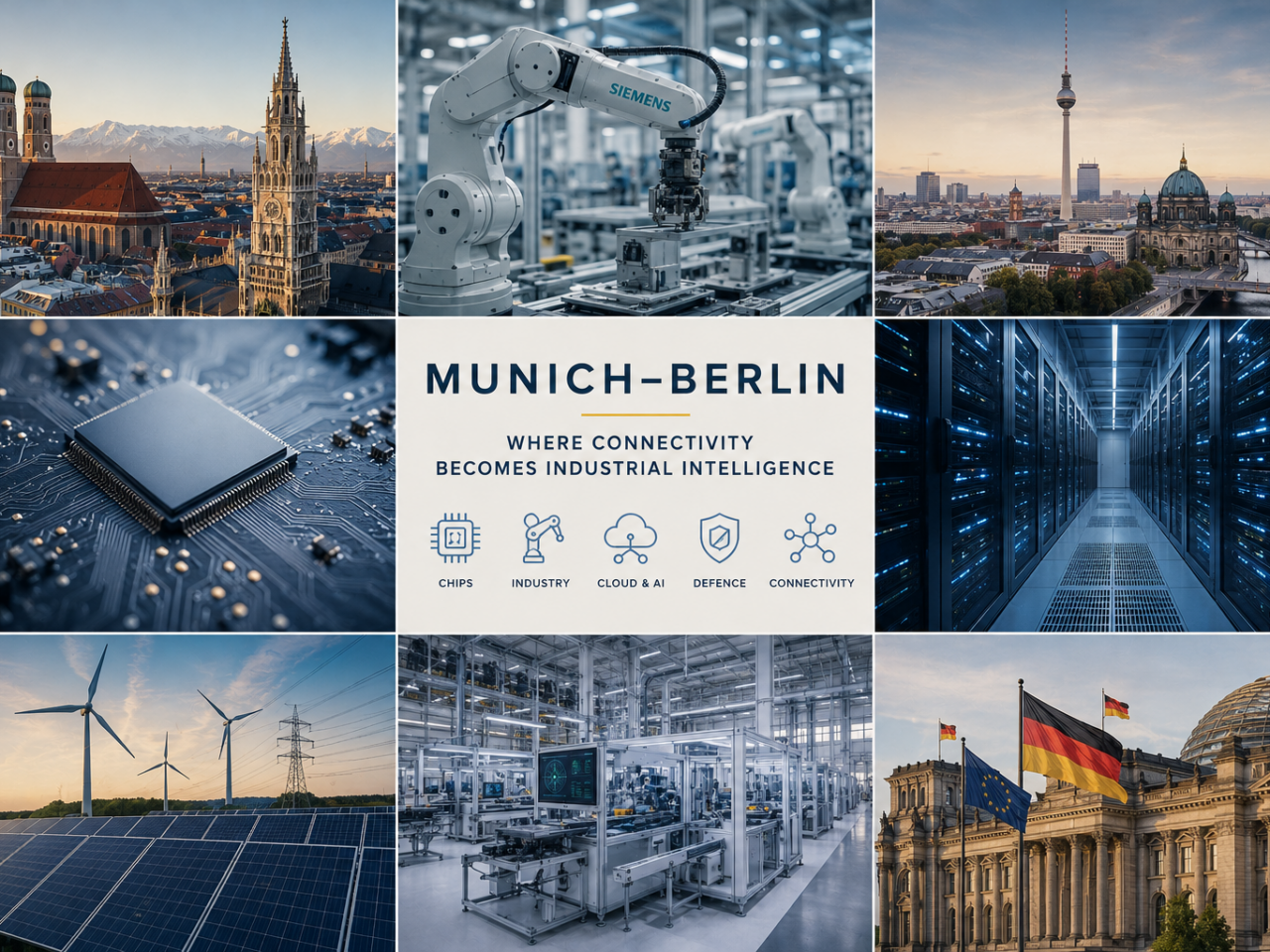
Munich–Berlin — Where Connectivity Becomes Industrial Intelligence
Thursday, July 16, 2026
The Munich–Berlin corridor demonstrates how engineering, software, artificial intelligence and industrial infrastructure are converging into a new model of industrial intelligence. Future competitiveness will depend not on individual technologies, but on Europe’s ability to integrate them into one connected technological architecture.
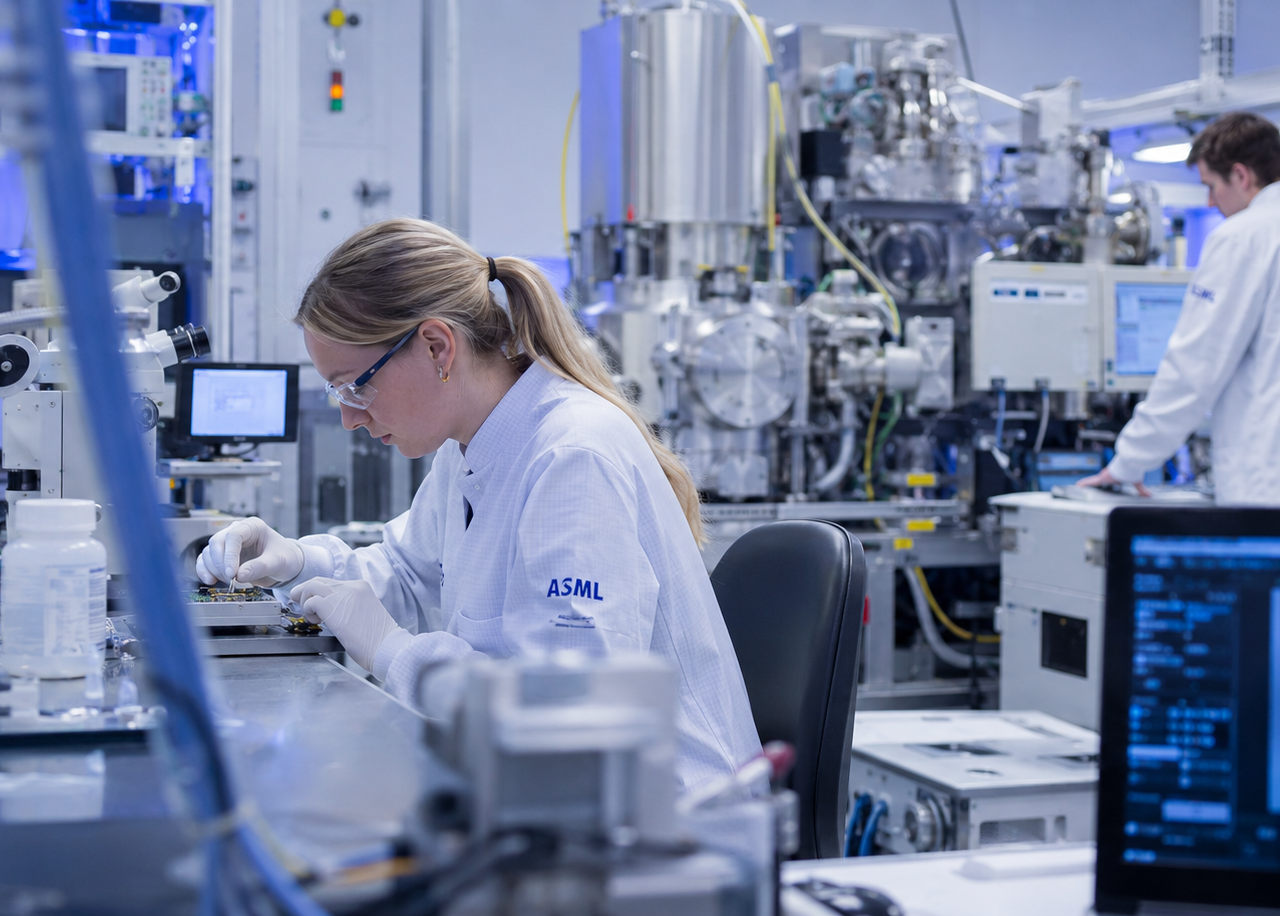
The Technical Talent Paradox
Tuesday, July 14, 2026
The Netherlands is expanding its ambitions in semiconductors, energy, artificial intelligence and advanced manufacturing. Yet the technical talent required to build and maintain these systems is not growing at the same pace.
