Could Montenegro Become the EU’s 28th Member?
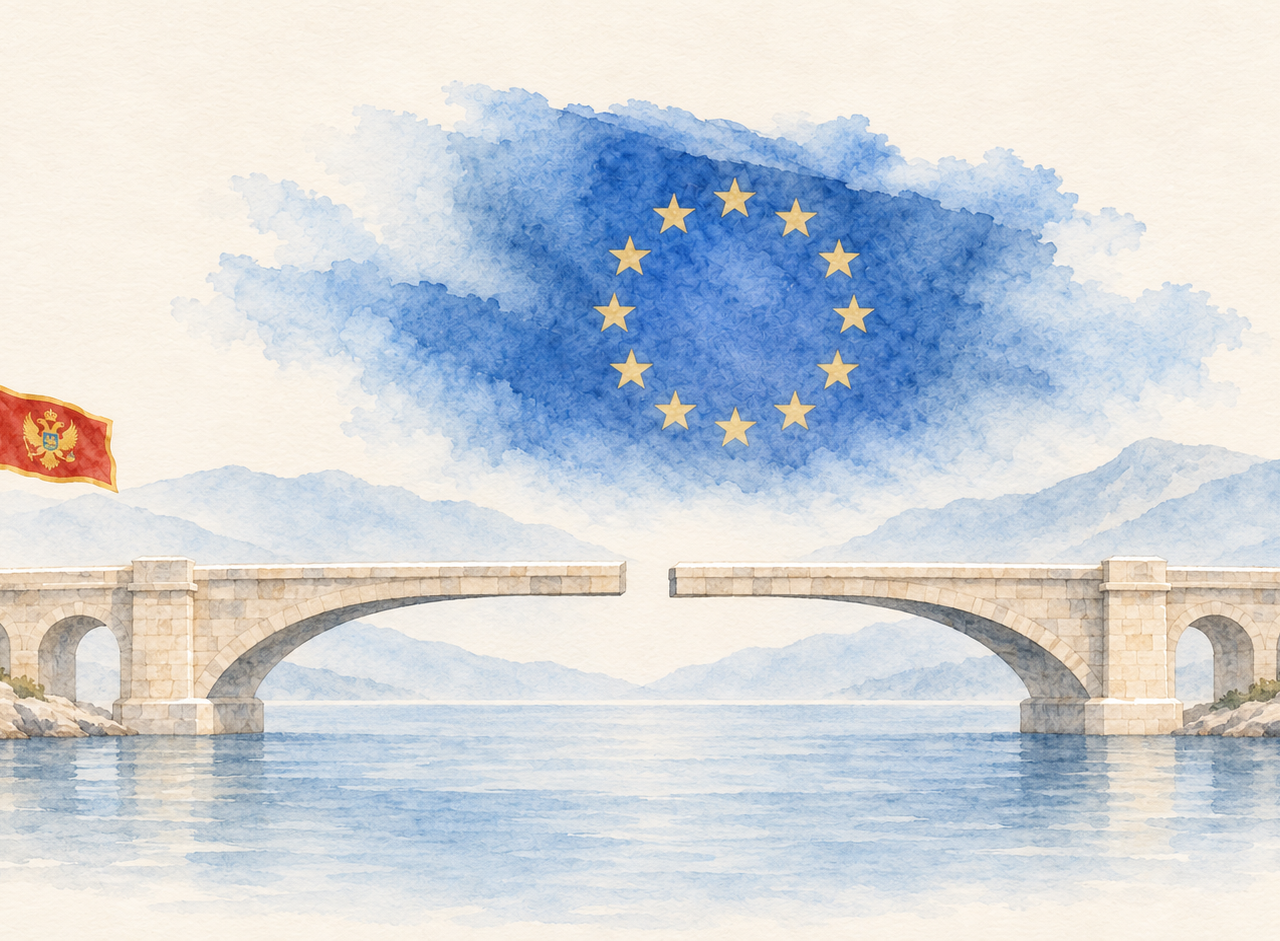
The Commission sees a path to a treaty signature in June 2027. Membership will test how well both sides have prepared.
Montenegro wants to join the European Union in 2028. The European Commission has set out two steps that could bring that goal closer: concluding negotiations as early as December 2026 and signing an accession treaty in June 2027. Both dates are indicative.
The timetable gives the EU decisions of its own to make. How would Montenegro enter the European budget? How would it be represented in the institutions? And what safeguards would apply once it becomes a member?
Read MoreEIC 2027 — Who Becomes the First Customer?

Europe’s next industrial champions need customers prepared to put new technologies to work
A breakthrough technology can secure grants, validate prototypes and attract investors, yet stall at a commercial threshold: who will deploy it in an operating factory, energy system or computing infrastructure?
Adopted on 5 November 2026, the European Innovation Council’s 2027 Work Programme includes targeted measures to help innovative companies win their first customers, including through public procurement.
EIC Board President Michiel Scheffer has identified weak European demand for innovation as a critical obstacle to scaling, alongside financing and regulatory conditions.
Six questions examine what turns technological promise into a purchasing decision.
Read MoreWho Finances Europe’s Industrial Scaleup?
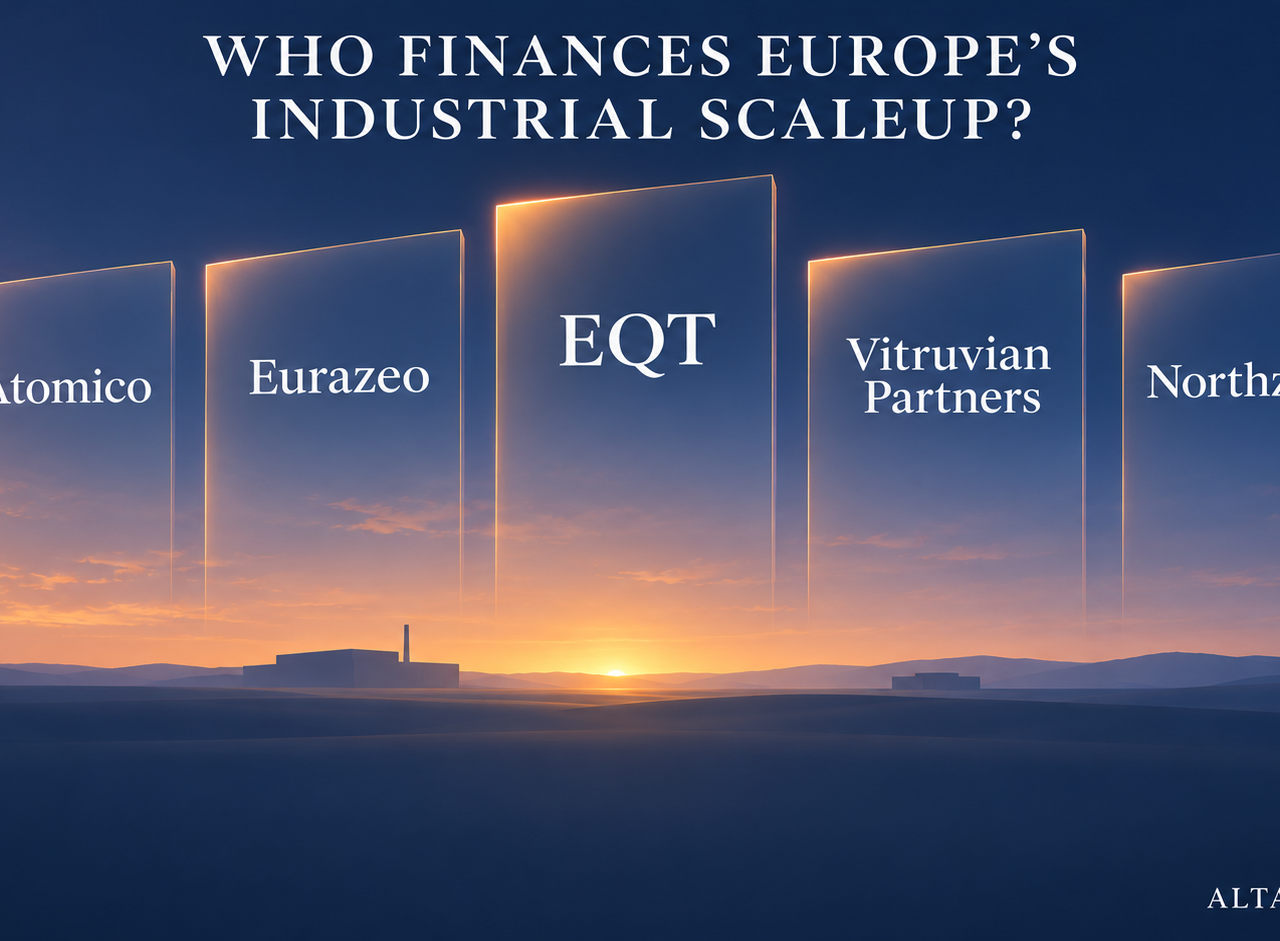
Five investors, different mandates, a shared financing challenge.
EQT’s appointment to manage the Scaleup Europe Fund settled who would lead the vehicle. Europe’s industrial financing challenge remains broader. Atomico, Eurazeo, Vitruvian Partners and Northzone bring different investment capabilities, and some already invest alongside the fund. The next test is how these investors can help promising technologies reach commercial scale while building lasting European capacity.
Six questions connect the original candidates’ investment approaches with the practical requirements of industrial expansion: capital, customers, production capacity and time.
Read MoreSociety & Culture
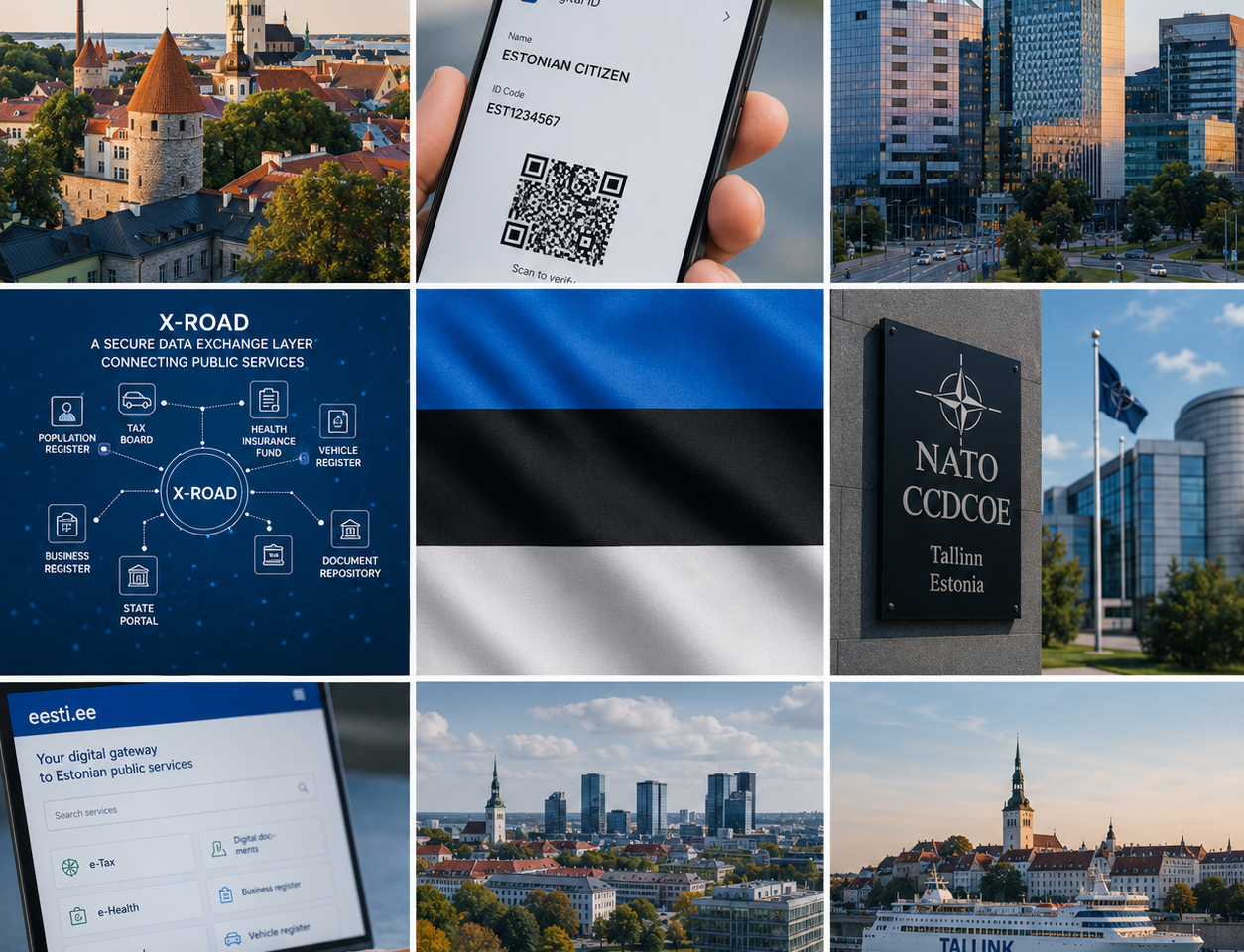
Estonia — Europe’s Digital Pioneer
Monday, July 13, 2026
Following the restoration of independence in 1991, Estonia chose to rebuild its institutions around digital infrastructure rather than bureaucracy. Today, the country demonstrates how trust, cybersecurity and digital governance have become strategic assets for both economic competitiveness and national resilience.

LAG Spiel und Theater Niedersachsen and Building Society Through Culture
Sunday, July 12, 2026
Creative organisations do more than produce performances. They create spaces where young people learn to collaborate, express themselves and participate in society. Through the example of LAG Spiel und Theater Niedersachsen, this article explores how culture strengthens communities and contributes to Europe’s social fabric.

La Nave del Duende — When Expression Becomes Language
Sunday, July 5, 2026
La Nave del Duende illustrates how movement, theatre and embodied expression can support emotional development. Before feelings can be explained, they may first need to be experienced, explored and shared within a creative and collective environment.

The Examination Society
Friday, July 3, 2026
Examinations are among the most trusted institutions of modern society. Yet as technology transforms economies and labour markets, an uncomfortable question emerges: are we still measuring the capabilities future societies will actually need?
