GlobalFoundries Expands Dresden With €1.1 Billion Investment

The expansion strengthens Silicon Saxony’s manufacturing base. Its European significance will depend on customers, competitiveness and what public support delivers.
GlobalFoundries is investing €1.1 billion to expand its chip factory in Dresden, at the heart of Silicon Saxony. Additional manufacturing capacity is scheduled for the end of 2028. On 9 October, the company marked a construction milestone and announced separate plans for a new technology aimed at intelligent machines.
For Europe, this is a concrete industrial investment. But building more capacity leaves important questions open: who will use it, why will they choose Dresden and what will Europe gain from helping to finance it?
Read MoreAltair News — An Old Idea for a Changing Media World

As Altair Media approaches 400,000 people reached on LinkedIn and nearly 100,000 website visitors, we are introducing something surprisingly traditional: a free newsletter. Not because we want to publish more, but because we want to explore a different relationship with our readers.
Starting a newsletter in 2026 feels almost old-fashioned.
At a time when artificial intelligence is transforming the production and distribution of information, algorithms determine what we see and digital platforms are constantly reinventing themselves, Altair Media has decided to do something remarkably simple.
Send readers an email.
We have called it Altair News.
Yet behind this seemingly modest decision lies a question that has accompanied the development of Altair Media for some time: how do you build an innovative, independent media organisation without becoming trapped by the conventions of traditional publishing?
The answer may not lie in abandoning familiar formats, but in discovering what they can still offer.
Read MoreInfineon’s €5 Billion Dresden Fab and the Demand for Power Chips
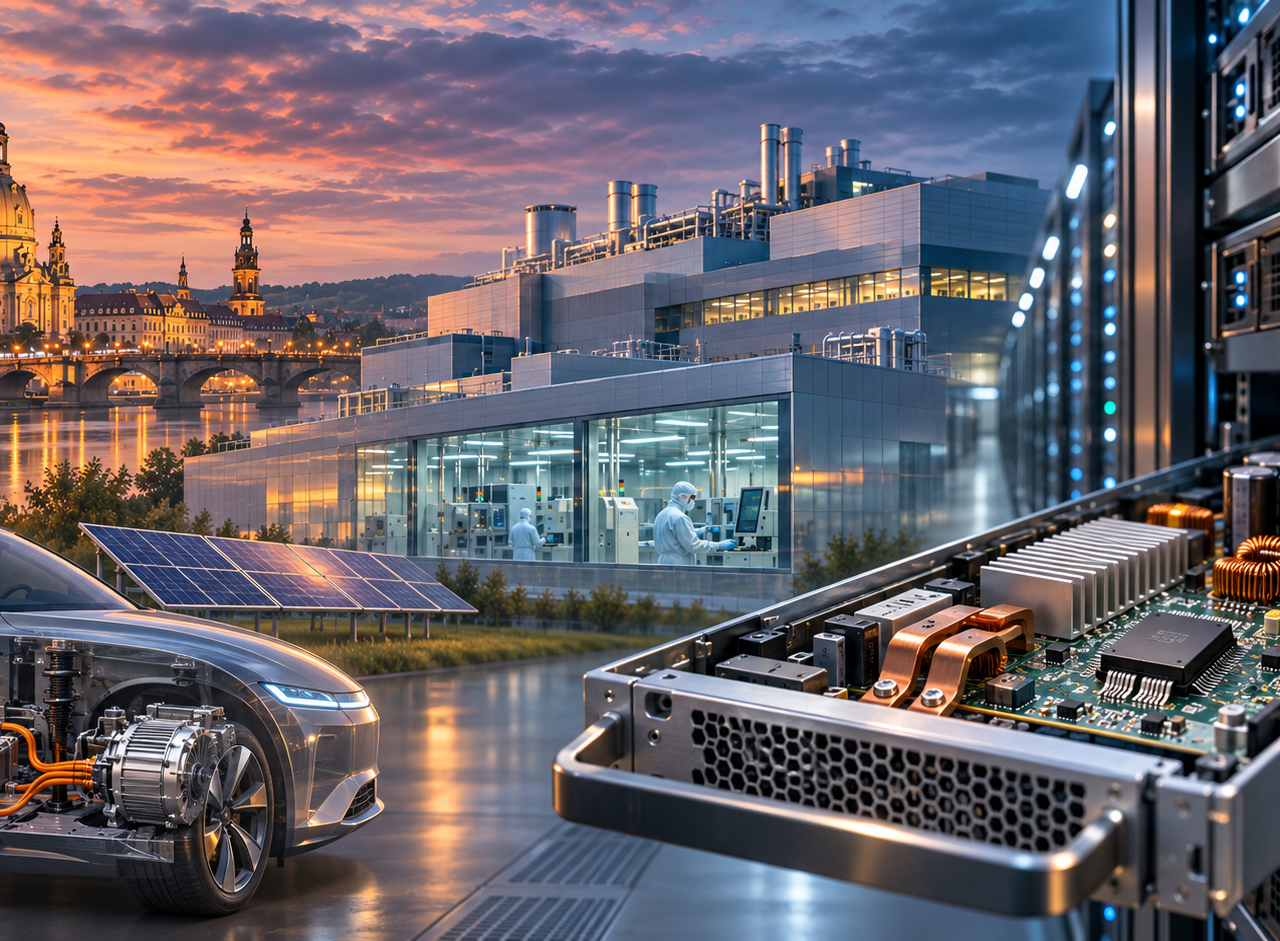
AI data centres, electric vehicles and energy systems all need chips that control electricity. Their demand will shape the pace of production in Silicon Saxony.
Infineon opened its €5 billion Smart Power Fab in Dresden on 2 July 2026. On 5 November, the company and South Korea’s SOLUM announced plans to deepen their cooperation on power supplies for AI data centres.
The journey from a chip factory to a server rack runs through a power supply that has to be designed, tested and sold. Electric vehicles and solar inverters pose the same commercial challenge. How quickly can customers put Dresden’s new capacity to work?
Read MoreSociety & Culture

What Is Education Actually For?
Thursday, July 2, 2026
Education is often viewed as a pathway to personal opportunity. Yet education also shapes the knowledge, skills and capabilities that determine how societies innovate, adapt and prepare for the future.
Greenland and the Return of Geography
Tuesday, June 30, 2026
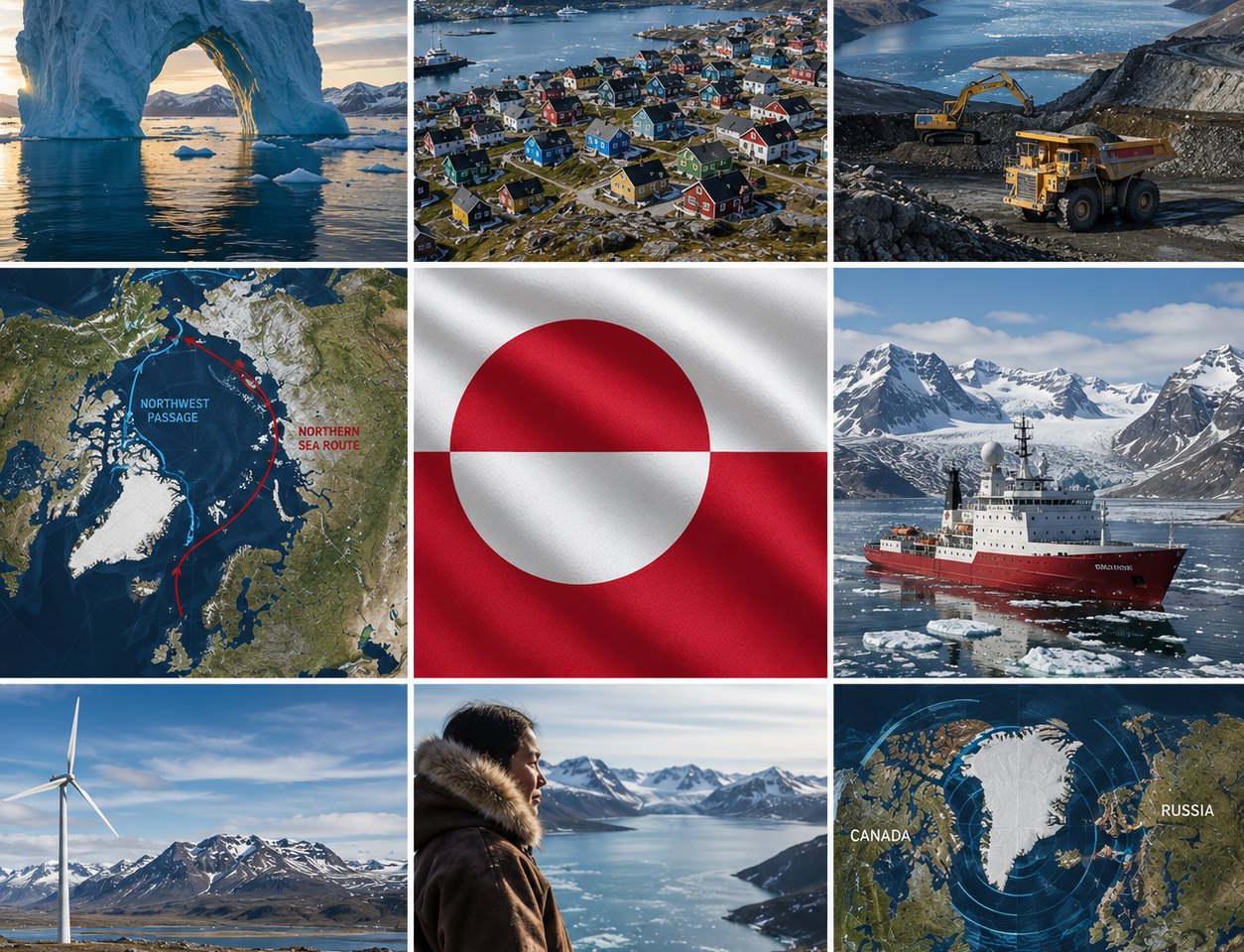
Greenland is increasingly moving from the margins of the global economy toward its strategic centre. As climate change reshapes the Arctic and demand for critical minerals grows, the island illustrates how geography, once thought to be diminishing in importance, is becoming a defining factor of the twenty-first century.
Theater Strahl and the Search for Identity
Sunday, June 28, 2026
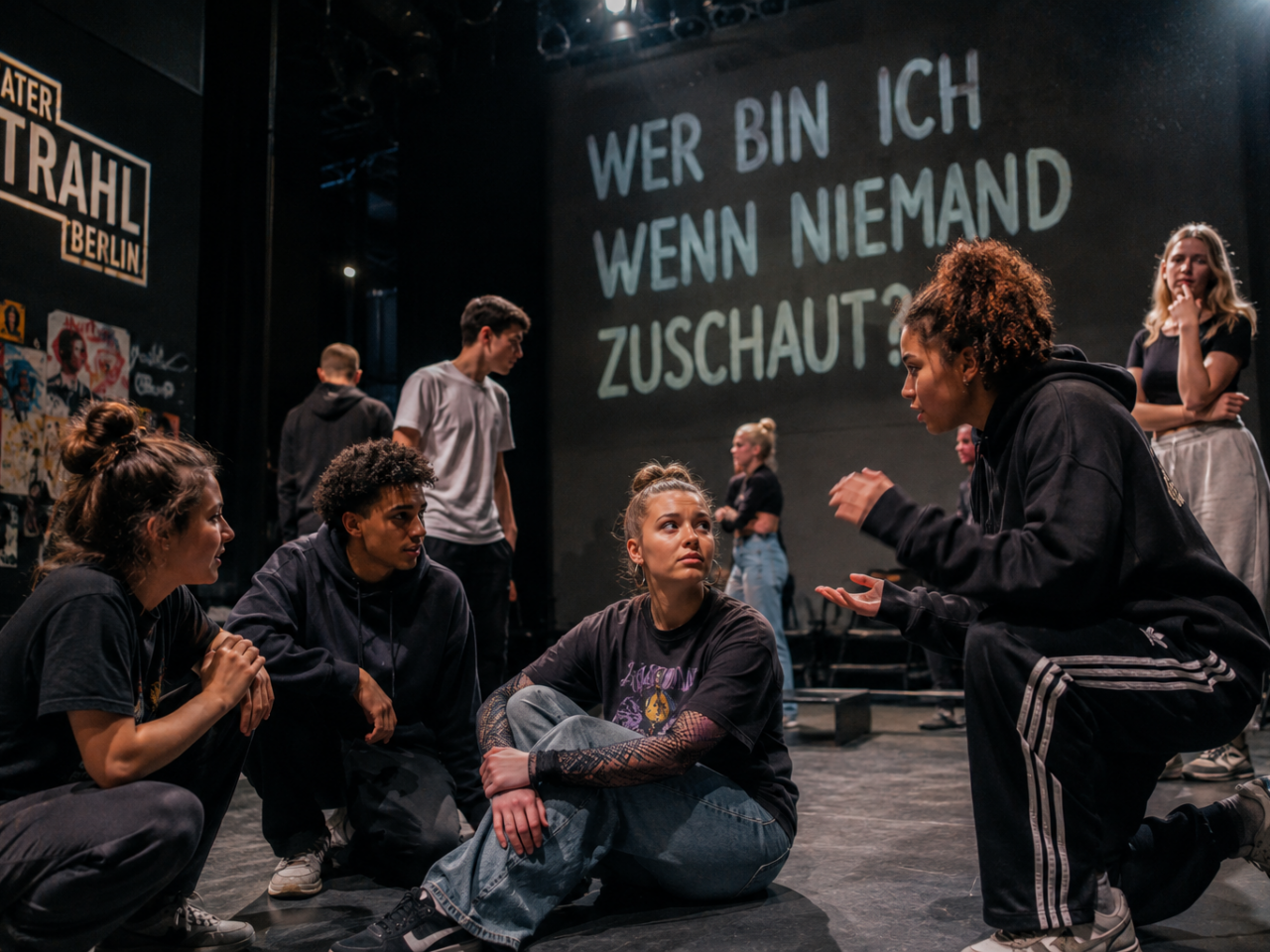
Berlin’s Theater Strahl illustrates how theatre can function as social infrastructure, creating spaces where young people explore identity, belonging and participation within an increasingly complex and interconnected Europe.

Iceland and the Advantage of Self-Reliance
Saturday, June 27, 2026
Iceland is often overlooked because of its size. Yet the country offers a compelling example of how geography, renewable energy, resource management and institutional flexibility can create resilience. In many respects, Iceland functions as a societal laboratory where constraints are continuously transformed into capabilities.
