Who Finances the Road to Fusion Power?
Proxima Fusion’s €411 million round advances its stellarator programme. Building a power plant will require a different investment decision.
Proxima Fusion announced a €411 million financing round in July 2026. The German company plans to test a superconducting magnet, build a fusion demonstrator and eventually develop a commercial power plant. Each milestone gives investors something new to assess. The financing question is how far that evidence can take the company, and who will carry the risks that remain.
The first step tests a component. The second brings an entire machine together. The third adds the obligation to deliver electricity reliably and at a price customers will pay. Six questions follow the capital through those decisions.
Read MoreEindhoven Researchers Bring AI Closer to Home
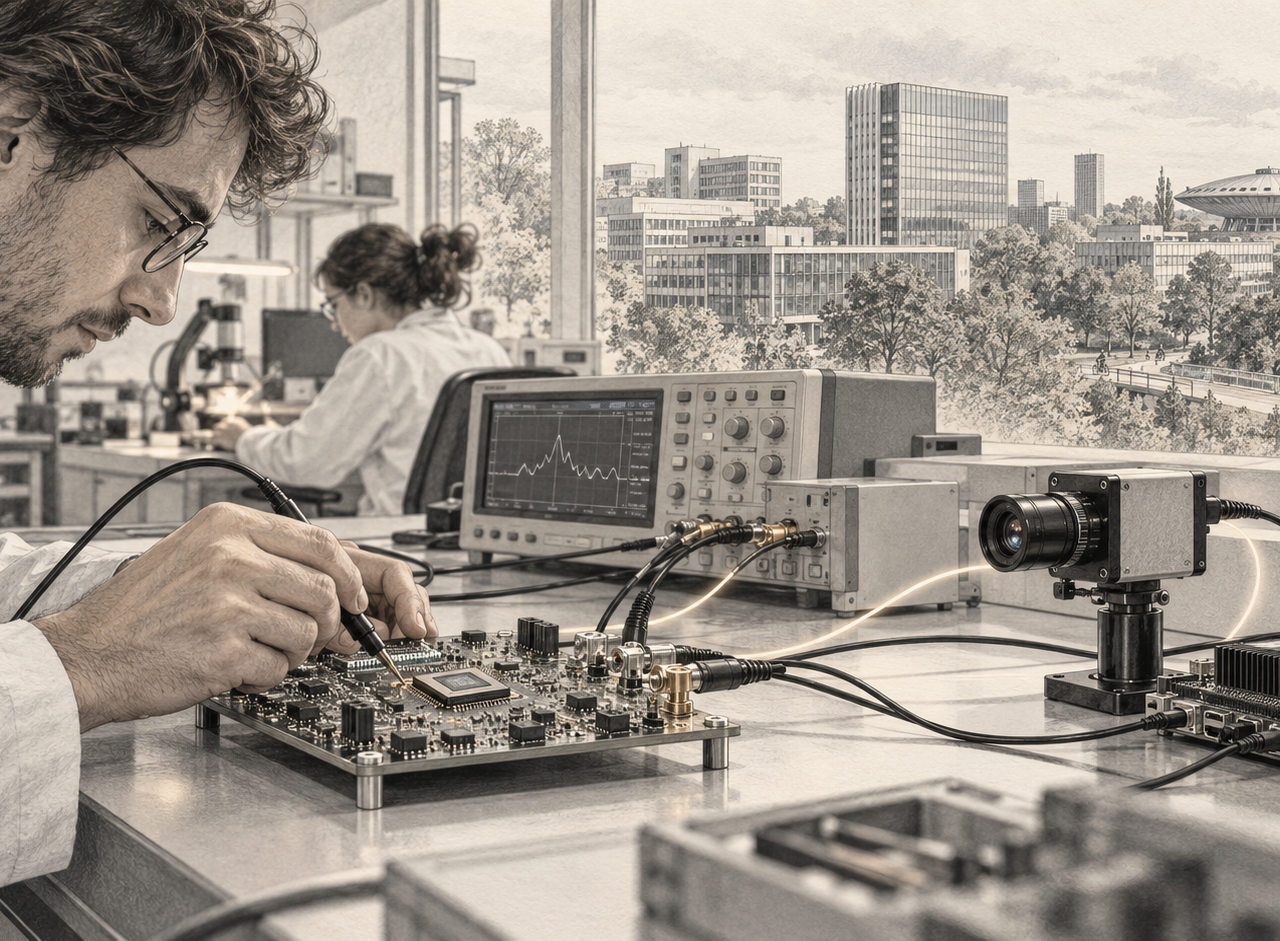
A European research project has tested chips that could help everyday devices do more of their own AI processing. The next step is turning that research into products.
Researchers in a European project led by Eindhoven University of Technology have built and tested computer chips designed to carry out AI tasks directly inside devices. The work could help cameras, machines and other equipment respond faster while relying less on distant data centres. TU Eindhoven presented the results in September.
The chip platform, called Chimera, brings together different processing components, each suited to particular tasks. The aim is to give devices useful AI capabilities within the limits of their batteries, size and cooling.
For Brainport, the development connects university research with a practical industrial question: which companies could turn the technology into products? Eindhoven businesses including ViNotion and Axelera AI participated in the wider project, alongside established manufacturers and research institutions across Europe.
The research programme, CONVOLVE, received approximately €8.4 million in EU funding. It began in November 2022 and formally ended in April 2026. Its ambitions included making AI processors more energy-efficient, shortening development time and building security into the hardware.
Read MoreA Majority for the Vote, but Not for the Plan?

The Dutch minority cabinet can negotiate changes to its budget. Can it build an agreement that survives both chambers and the decisions that follow?
The Dutch cabinet of D66, VVD and CDA holds 66 of 150 seats in the Tweede Kamer. It has revised its 2027 tax plan after months of talks, yet no agreement has emerged that can pass both chambers. The coming vote tests more than parliamentary arithmetic: can coalition and opposition build a plan they will defend after negotiations end?
Five questions show where winning votes and governing begin to diverge.
Read MoreSociety & Culture

The Real Store in the Age of Algorithms
Saturday, June 27, 2026
Algorithms excel at predicting what people are likely to buy. Physical environments excel at something different: creating trust, discovery and confidence. As retail becomes increasingly digital, the human experience of shopping may become more valuable, not less.
What Is NATO Becoming?
Thursday, June 25, 2026
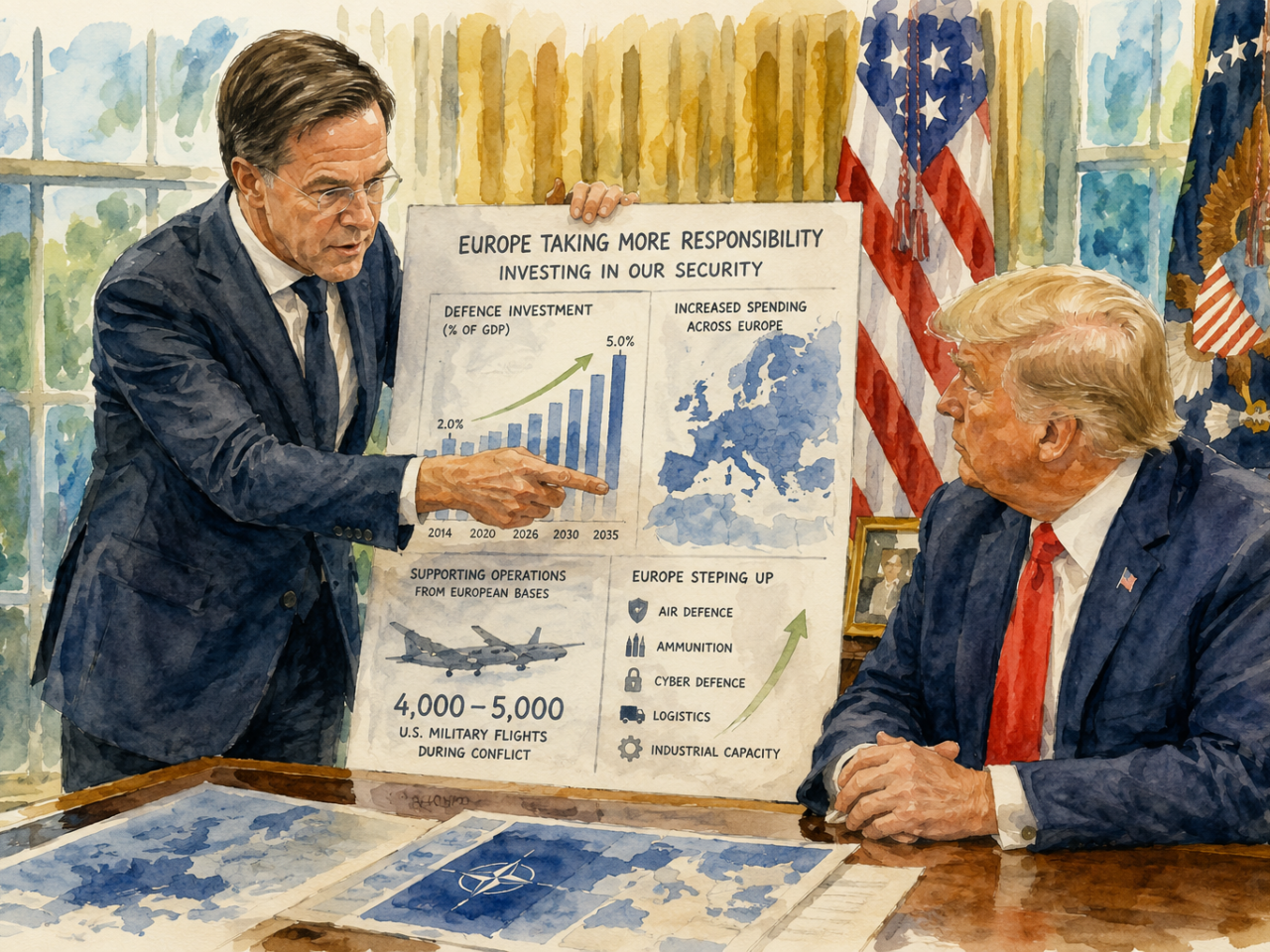
The future of NATO may no longer be determined solely by military strategy or defence spending. As Europe assumes greater responsibility for its own security, industrial capacity, technological capability and strategic production are becoming essential pillars of collective defence. Is NATO evolving into an alliance of collective capability?
Finland and the Power of Resilience
Thursday, June 25, 2026
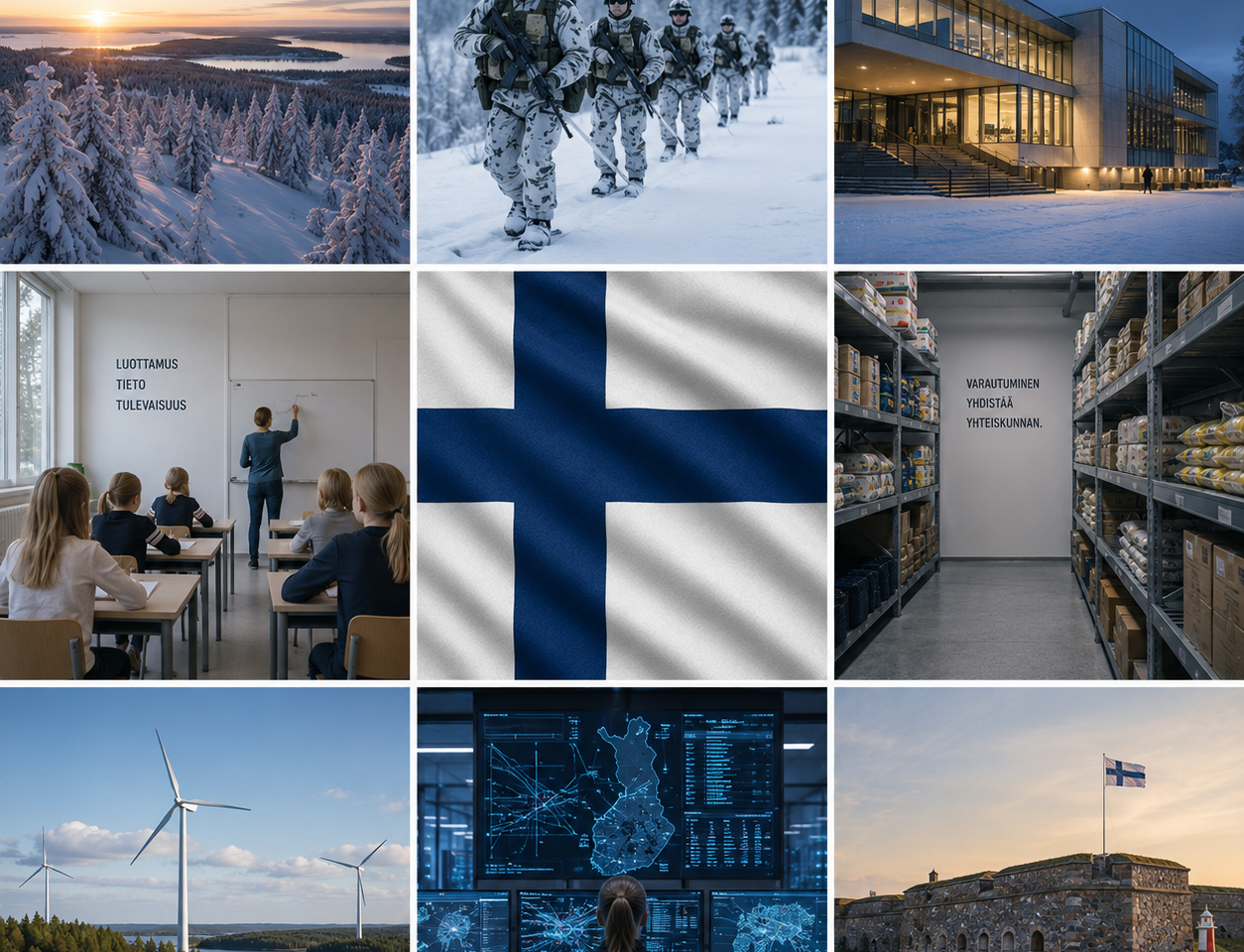
While many societies spent decades optimising for efficiency, Finland quietly invested in resilience. From education and cybersecurity to strategic reserves and comprehensive preparedness, the country demonstrates how uncertainty can become a catalyst for institutional strength rather than vulnerability.

Norway and the Stewardship of Wealth
Tuesday, June 23, 2026
Norway is often associated with oil, gas and extraordinary national wealth. Yet its deeper achievement may lie elsewhere. Through long-term planning, strong institutions and one of the world’s largest sovereign wealth funds, Norway has demonstrated how resource wealth can be transformed into resilience for future generations.
