What If Computing Is Not About Computing?
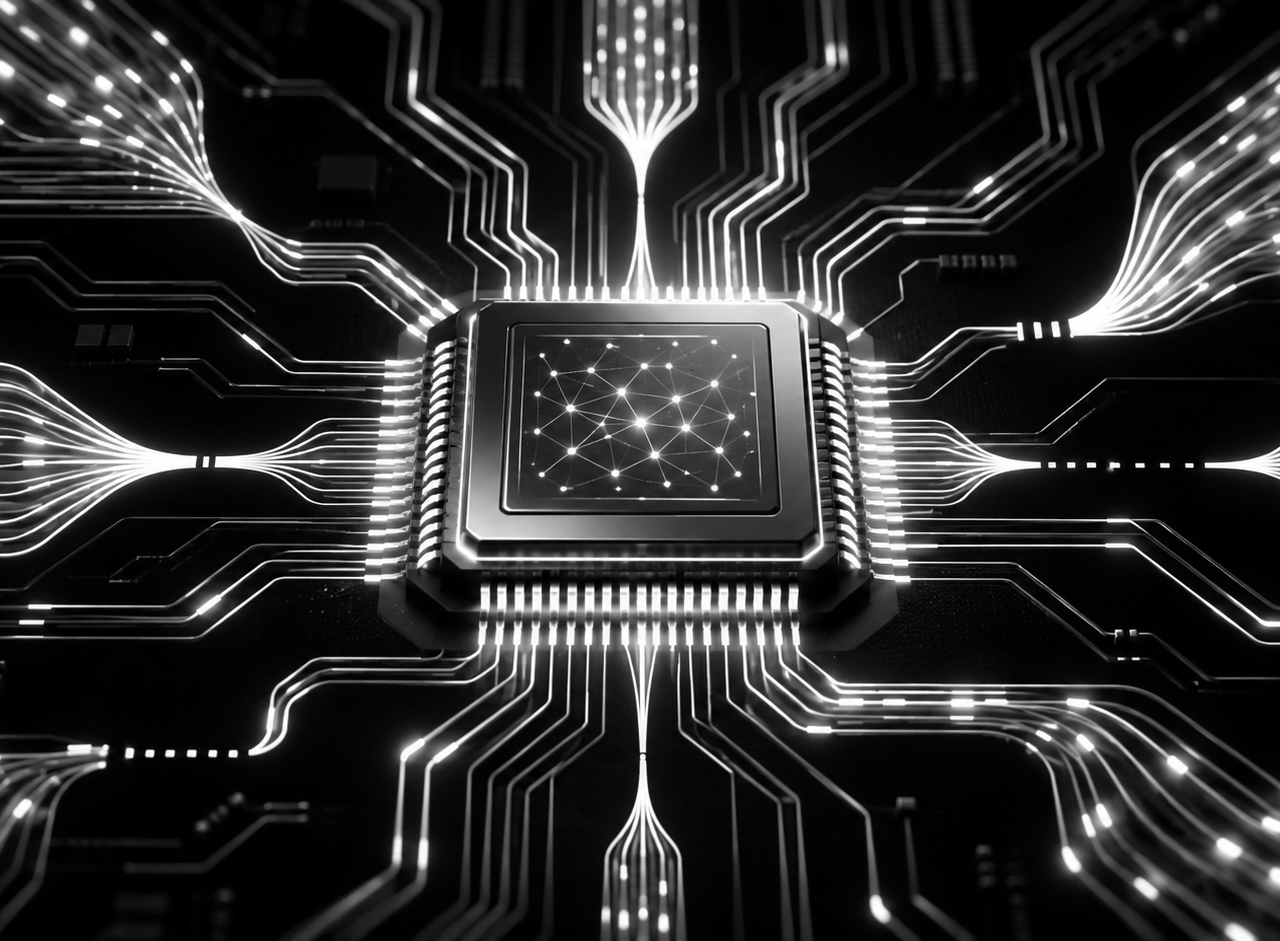
The future of artificial intelligence may depend as much on moving information as on processing it
Modern computers can perform extraordinary numbers of calculations. But before a processor can calculate, it needs information. That information must be retrieved from memory, transferred between components and often stored again.
What if moving information becomes a greater challenge than calculating with it?
Read MoreESMC’s Dresden Fab Moves Towards Machine Installation
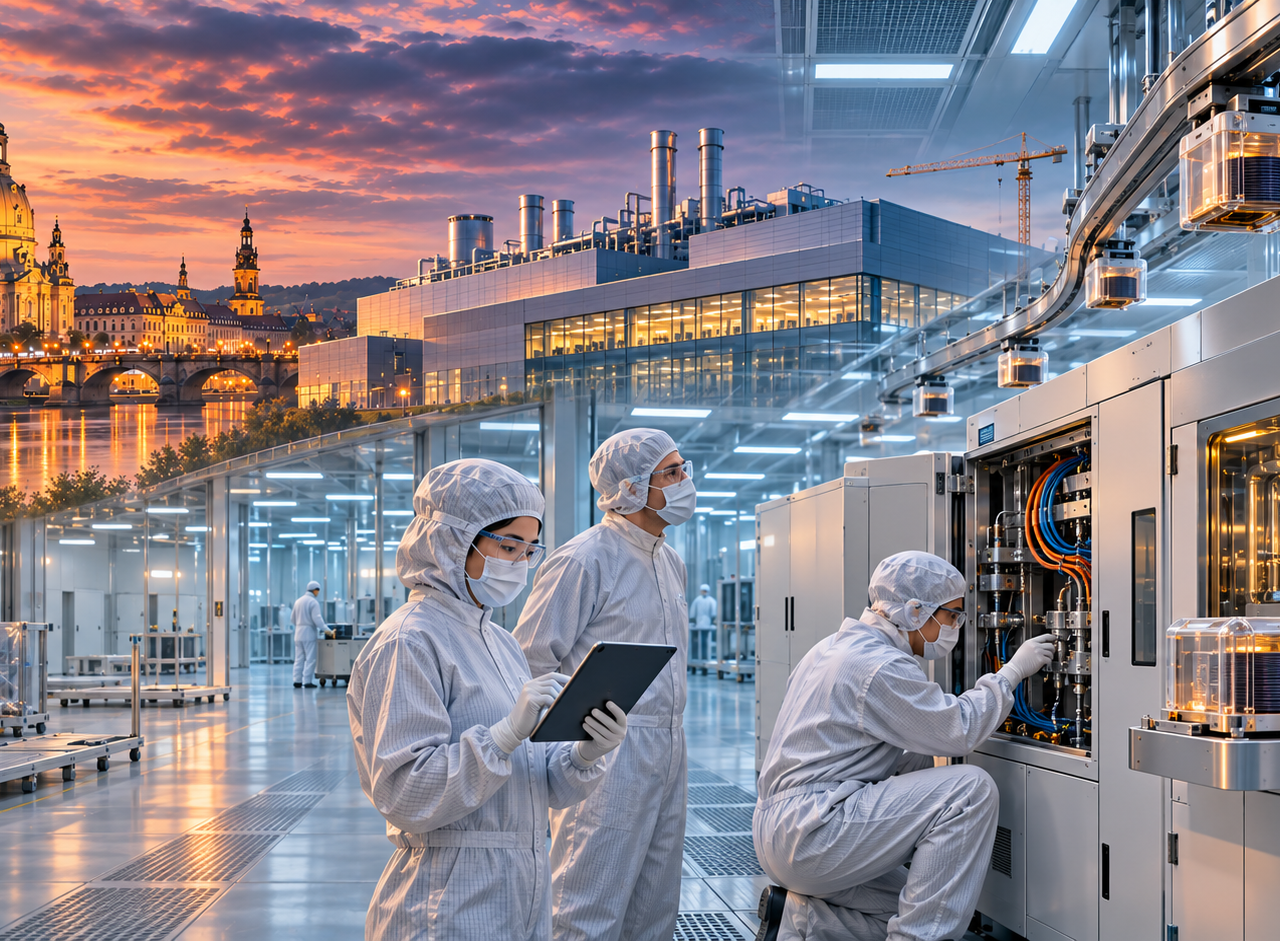
A project exceeding €10 billion brings TSMC’s manufacturing technology to Silicon Saxony. The next stage will test how equipment, skills and customer demand come together.
ESMC marked the topping-out of its Dresden factory on 14 September 2026 and is preparing for manufacturing equipment to arrive in 2027. The venture between TSMC, Bosch, Infineon and NXP expects total investment to exceed €10 billion. The task ahead is to turn the building into a dependable source of chips for industry.
For an industrial customer, the useful milestone is the delivery of chips it has approved for its products. Between the completed roof and that delivery lie trained teams, reliable production and orders. How much of that industrial system can Dresden put in place together?
Read MoreCEA-Leti Launches Programme to Test Emission Controls for Chip Fabs
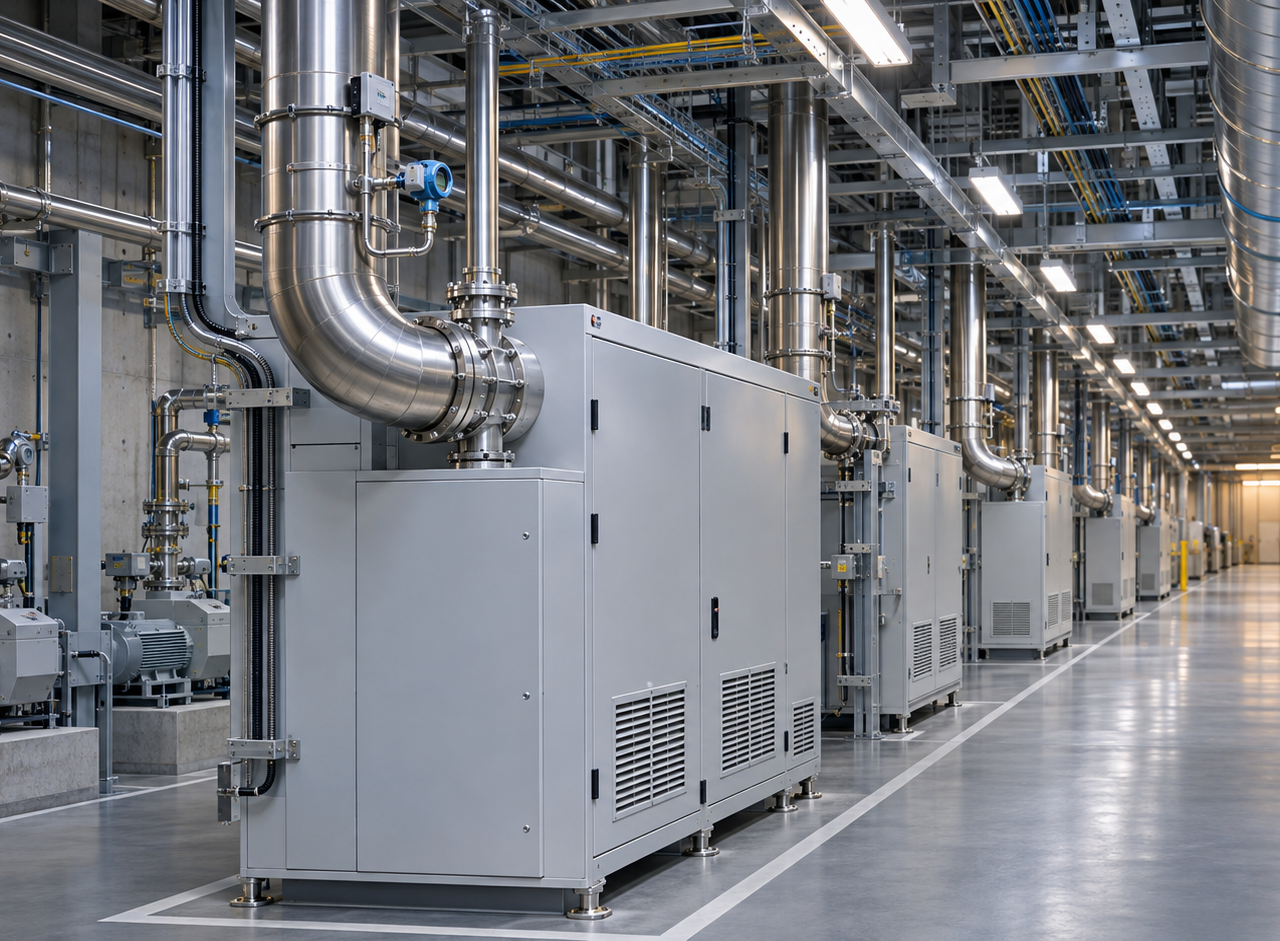
The Grenoble pilot line will track what leaves the cleanroom and test how treatment systems can respond as emissions change.
CEA-Leti and International SubFAB Research Labs (ISRL) launched SubFAB Labs at SEMICON Europa in Munich on Tuesday. The industry-funded programme will test technologies to curb pollution from chipmaking. Work has begun at CEA-Leti’s pilot line in Grenoble, where researchers will measure what manufacturing processes release into exhaust gases and wastewater.
The programme focuses on the subfab, the infrastructure beneath the cleanroom. This is where vacuum pumps draw gases out of production equipment and where systems treat exhaust and wastewater. What reaches those systems depends on what happens upstairs. Etching removes material from a wafer, while deposition adds thin layers. The two processes can generate different by-products, and the compounds present and their concentrations help determine what kind of treatment is needed.
Read MoreSociety & Culture

Lithuania — Europe’s Industrial Vanguard
Thursday, July 23, 2026
Lithuania has emerged as one of Europe’s most dynamic industrial economies. By combining advanced manufacturing, photonics, life sciences and defence innovation, the country demonstrates how industrial capability is becoming an essential foundation for European competitiveness, resilience and strategic autonomy.
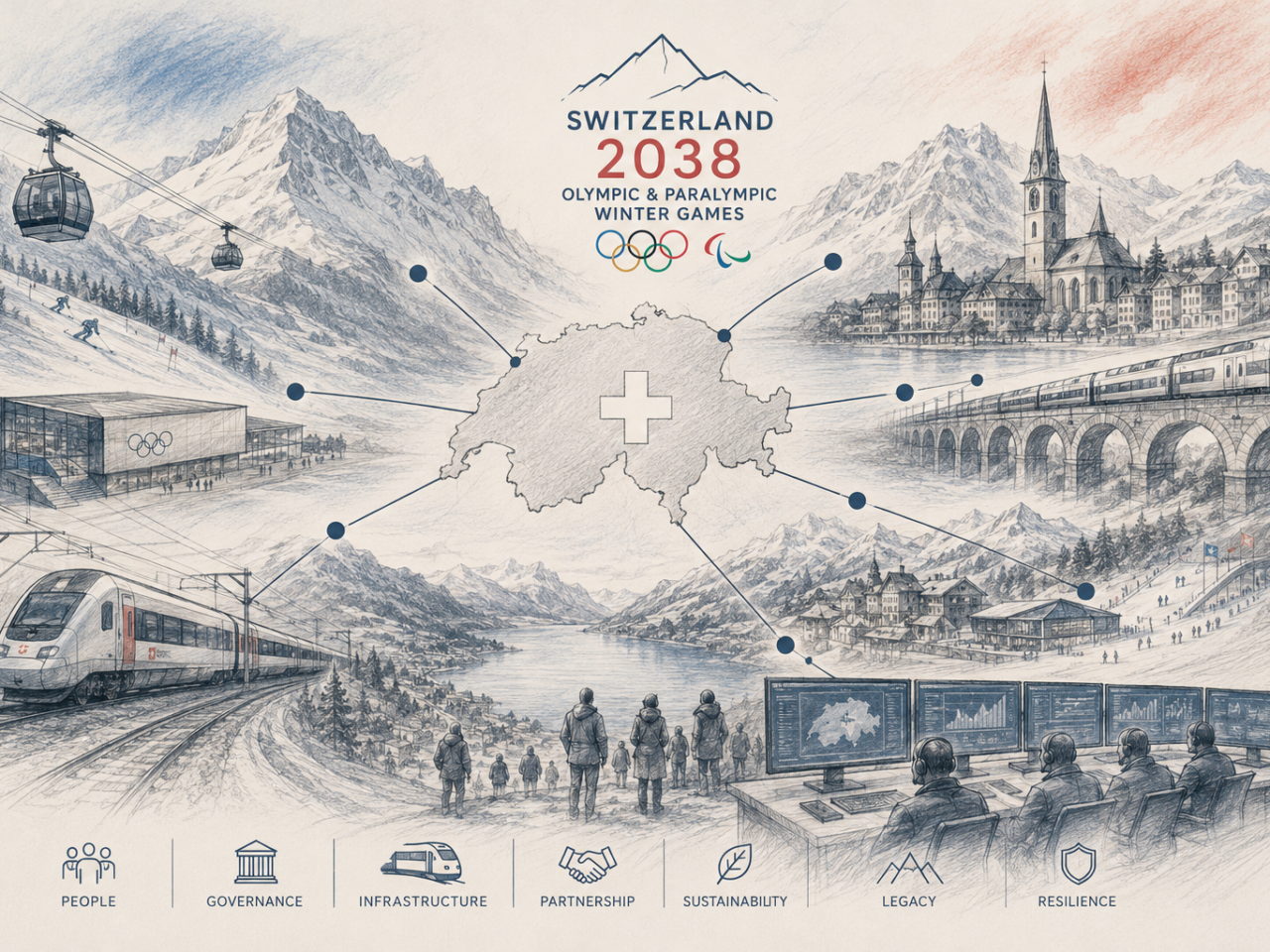
Switzerland 2038 — Hosting Complexity
Tuesday, July 21, 2026
Switzerland’s proposal for the 2038 Winter Olympics is more than a sporting vision. It offers a compelling case study in how modern democracies coordinate infrastructure, governance and public trust—and why institutional capacity may become Europe’s most valuable strategic advantage in an increasingly complex world.
Psychology Nation
Monday, July 20, 2026
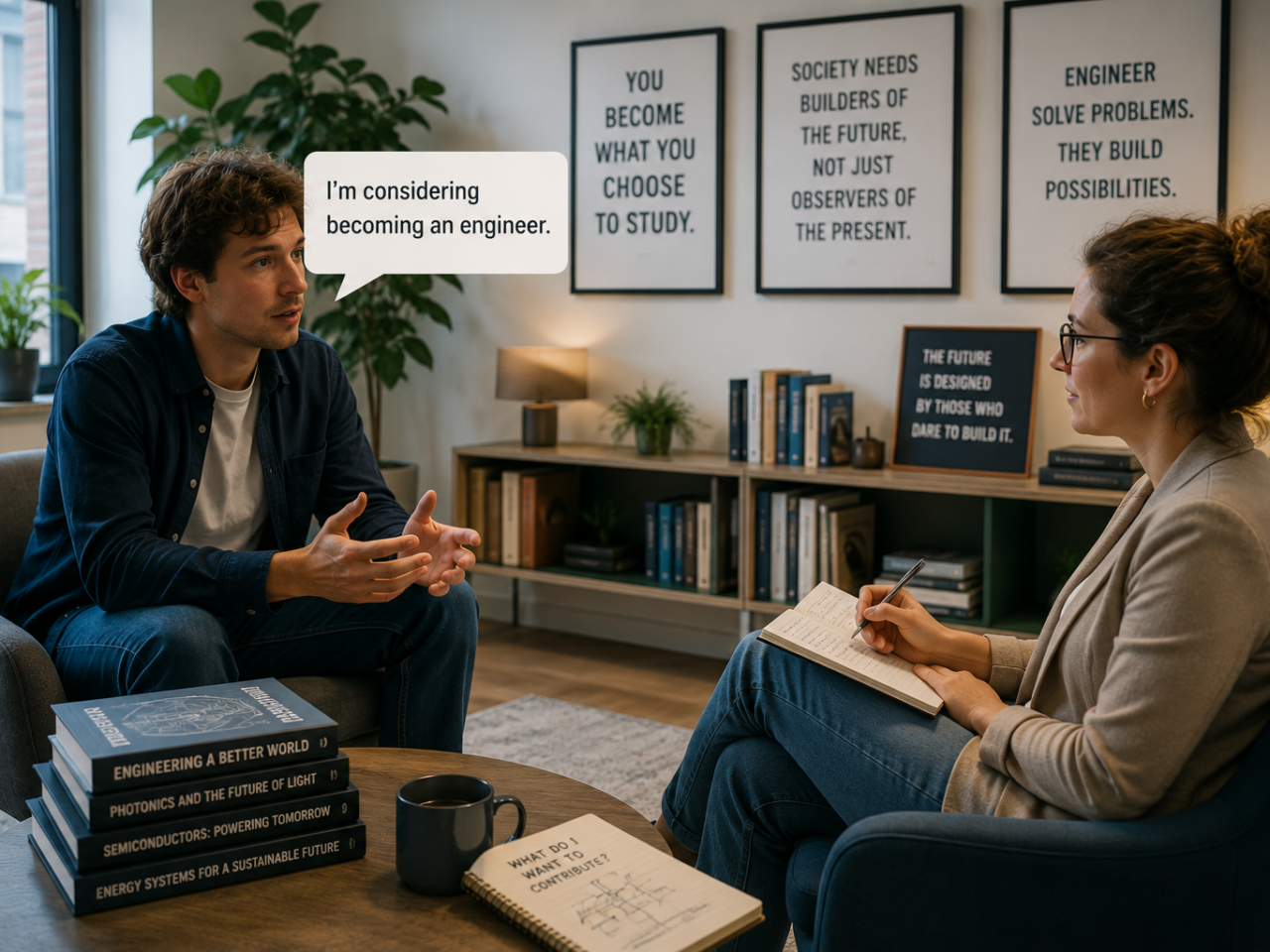
Why do some careers capture the imagination while others remain largely invisible? This Perspective explores how identity, cultural narratives and societal expectations shape educational choices—and why those choices increasingly influence the Netherlands’ future capacity to innovate.
Sala Beckett and the Language of Human Experience
Sunday, July 19, 2026
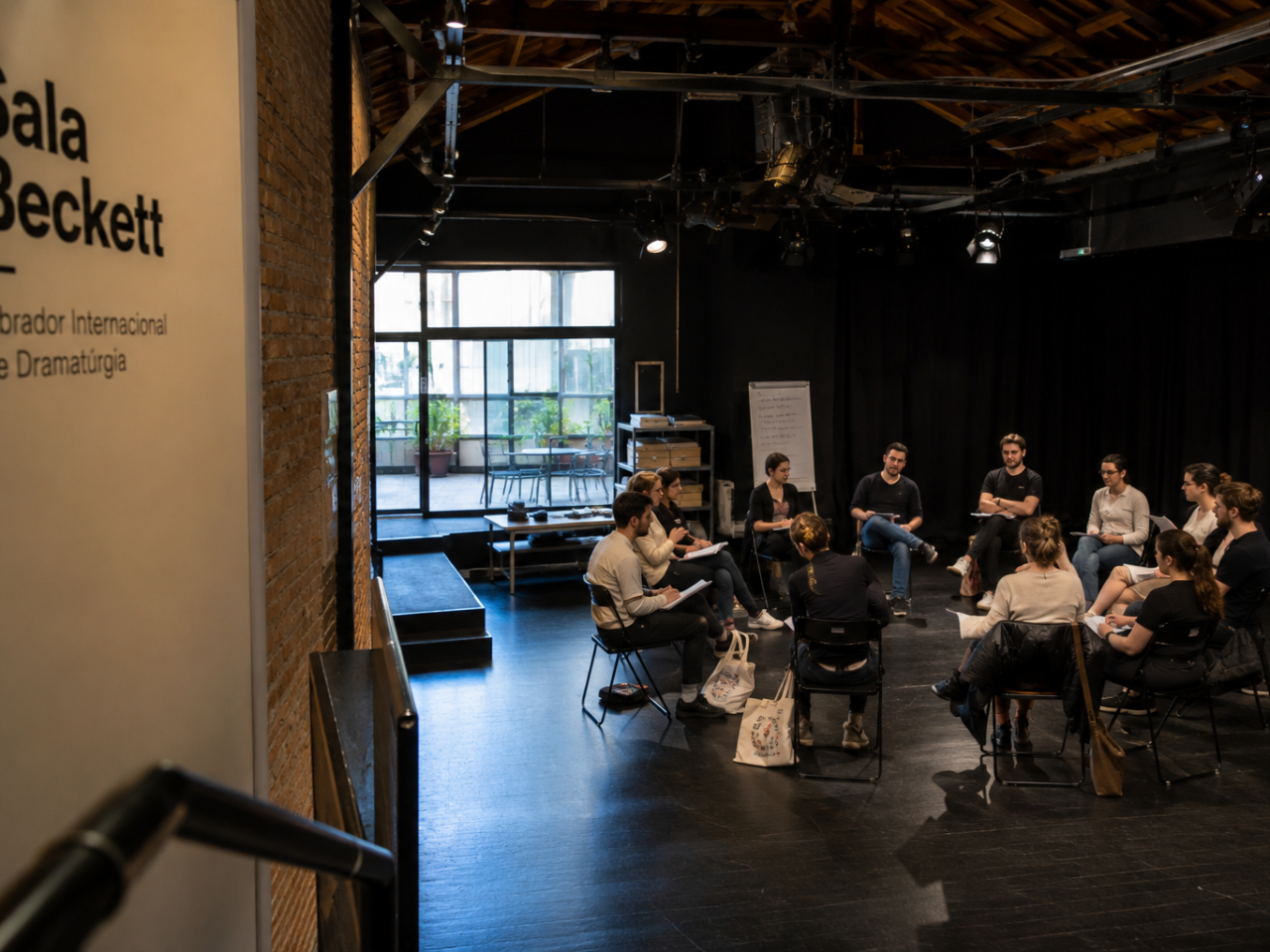
Stories do more than entertain. They help people understand themselves and the societies they inhabit. Through the example of Sala Beckett in Barcelona, this article explores how theatre, writing and dialogue transform human experience into shared understanding.
