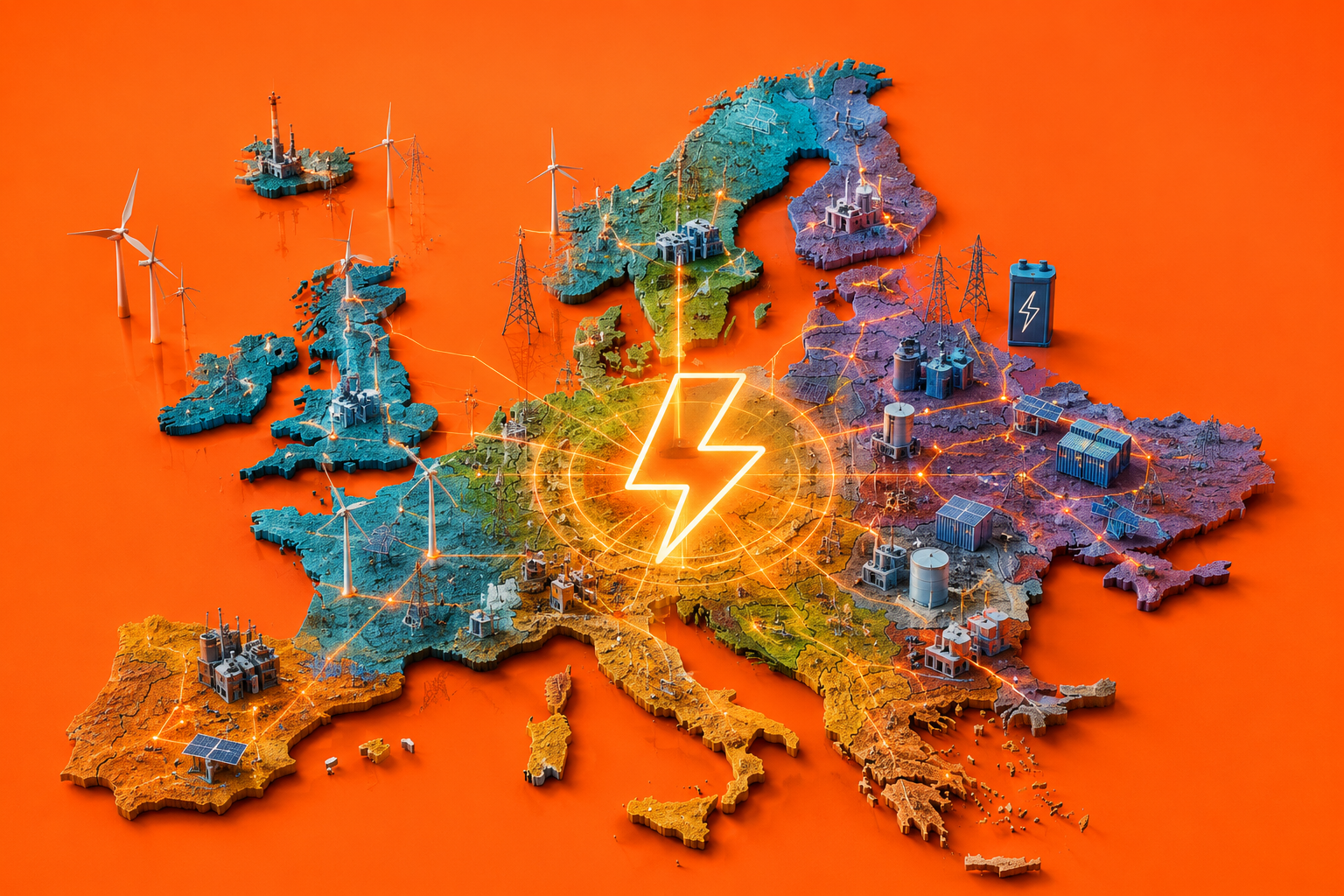
Europe may no longer have an innovation problem. The technologies increasingly exist. The deeper challenge is whether Europe can transform scientific excellence into industrial capability before others scale, finance and commercialise what was invented on European soil.
Building Europe’s Energy Architecture
Exploring how emerging technologies become industrial ecosystems—and how coordination shapes Europe’s future competitiveness.

Europe increasingly possesses the building blocks for future industries. The deeper question is no longer whether the technologies exist, but whether they can be connected into coherent systems. Innovation creates possibilities. Coordination creates systems.
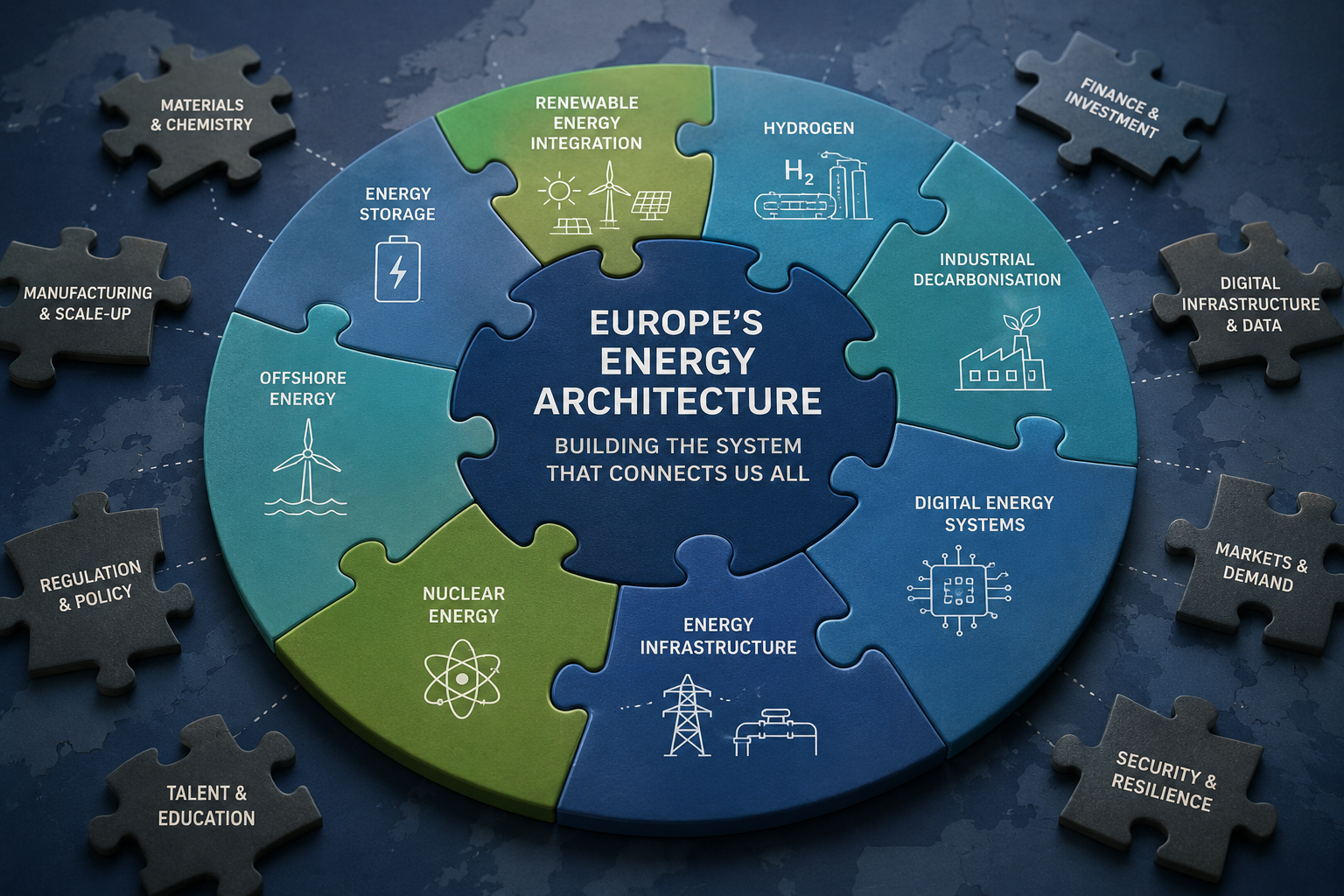
Europe’s energy transition is no longer defined by individual technologies alone. The European Innovation Council’s Top 100 energy innovators reveal something much larger: the gradual emergence of a new European energy architecture built upon interconnected capabilities, coordinated innovation and strategic systems.

Energy storage is often discussed as a question of batteries. Yet its deeper role lies elsewhere. As renewable energy reshapes Europe’s electricity system, storage is becoming the infrastructure that synchronises production, demand and time itself.
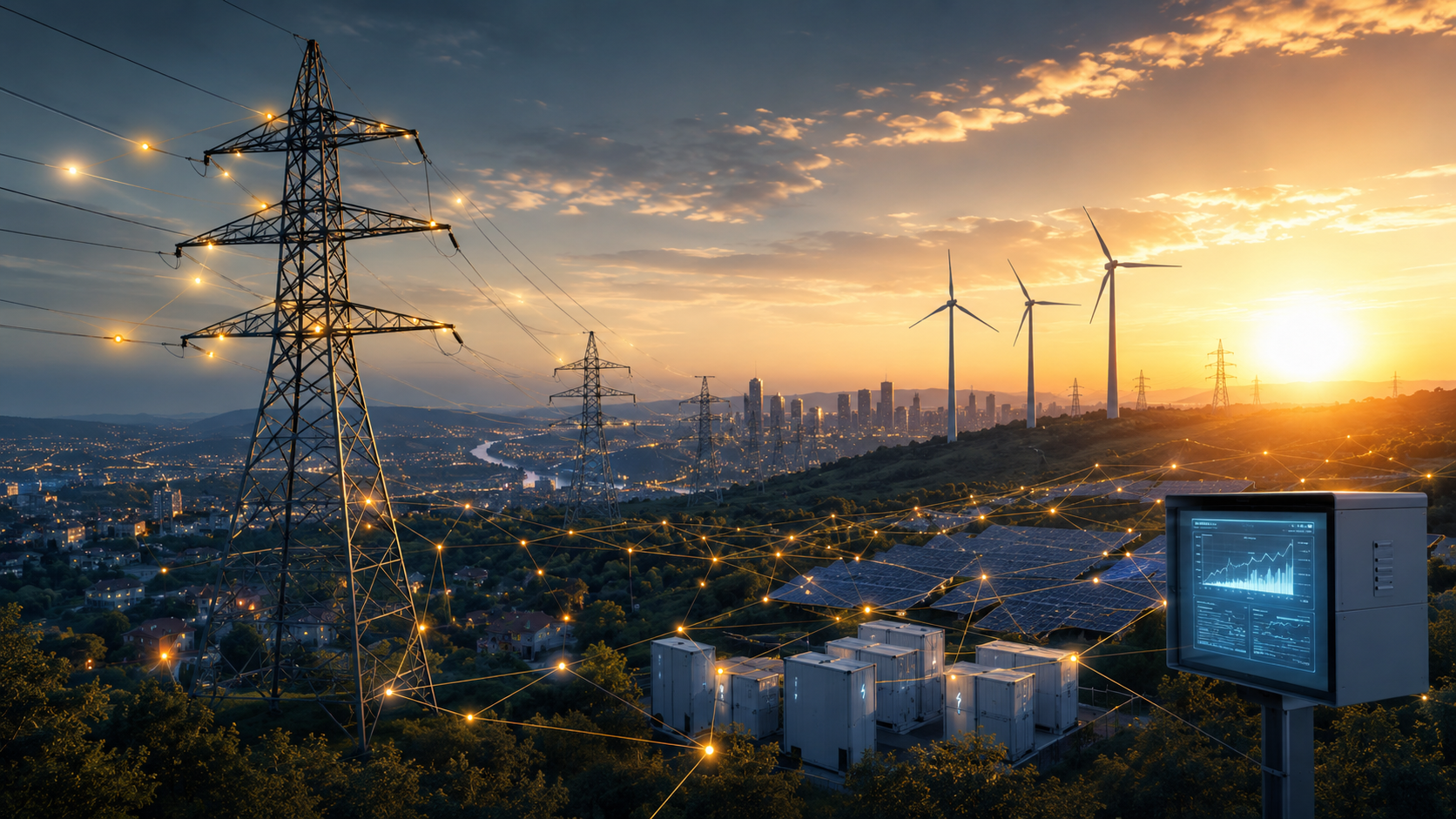
Europe’s energy transition is increasingly becoming a coordination challenge. As millions of producers, batteries and data centres reshape electricity flows, the grid is evolving from static infrastructure into a dynamic system designed to manage space, stability and complexity in real time.
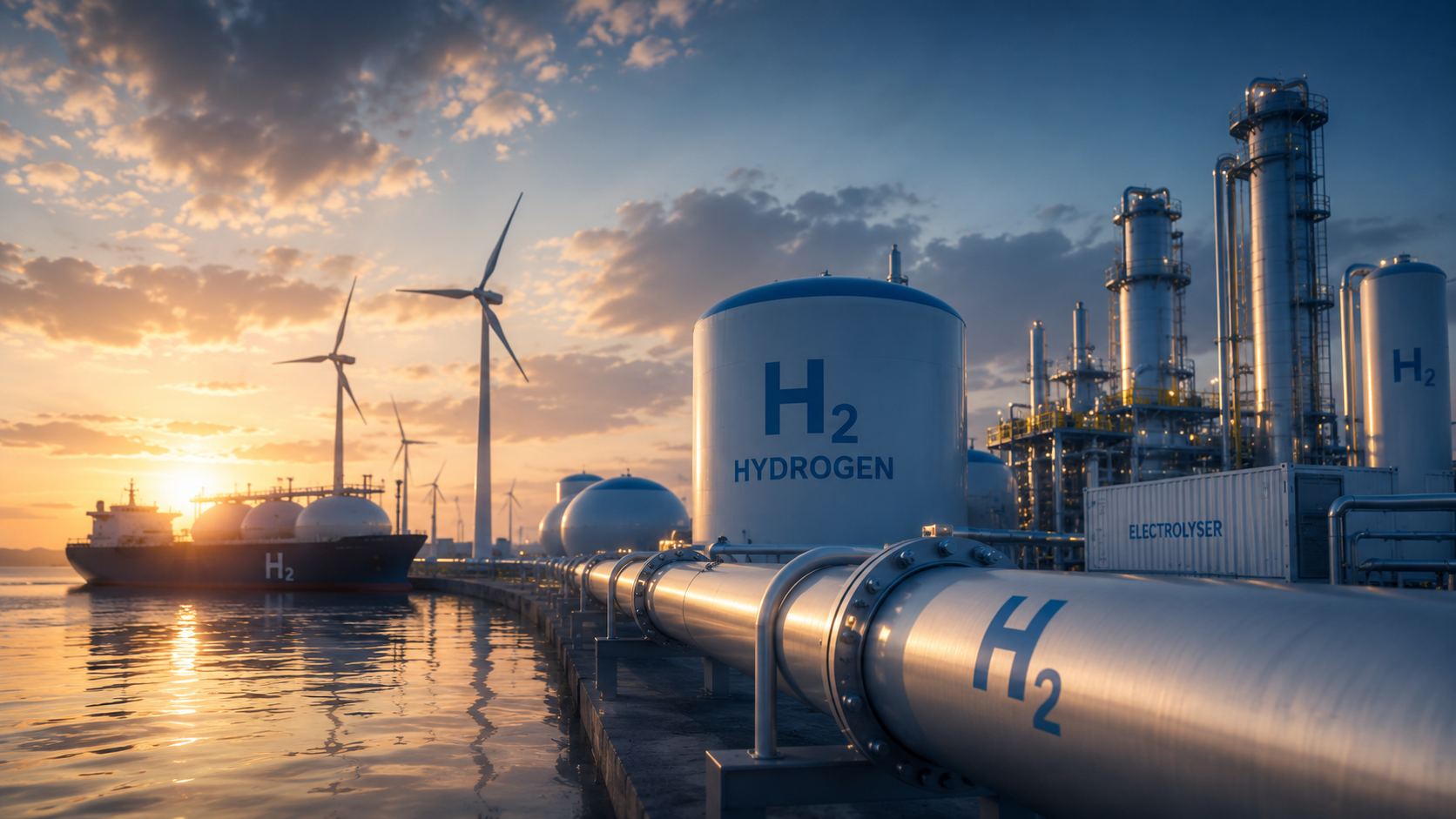
Hydrogen is often presented as an energy technology. Yet its deeper significance may lie elsewhere. As Europe seeks to decarbonise industry, transport and chemistry, hydrogen is emerging as a mechanism for storing, transporting and coordinating matter itself.
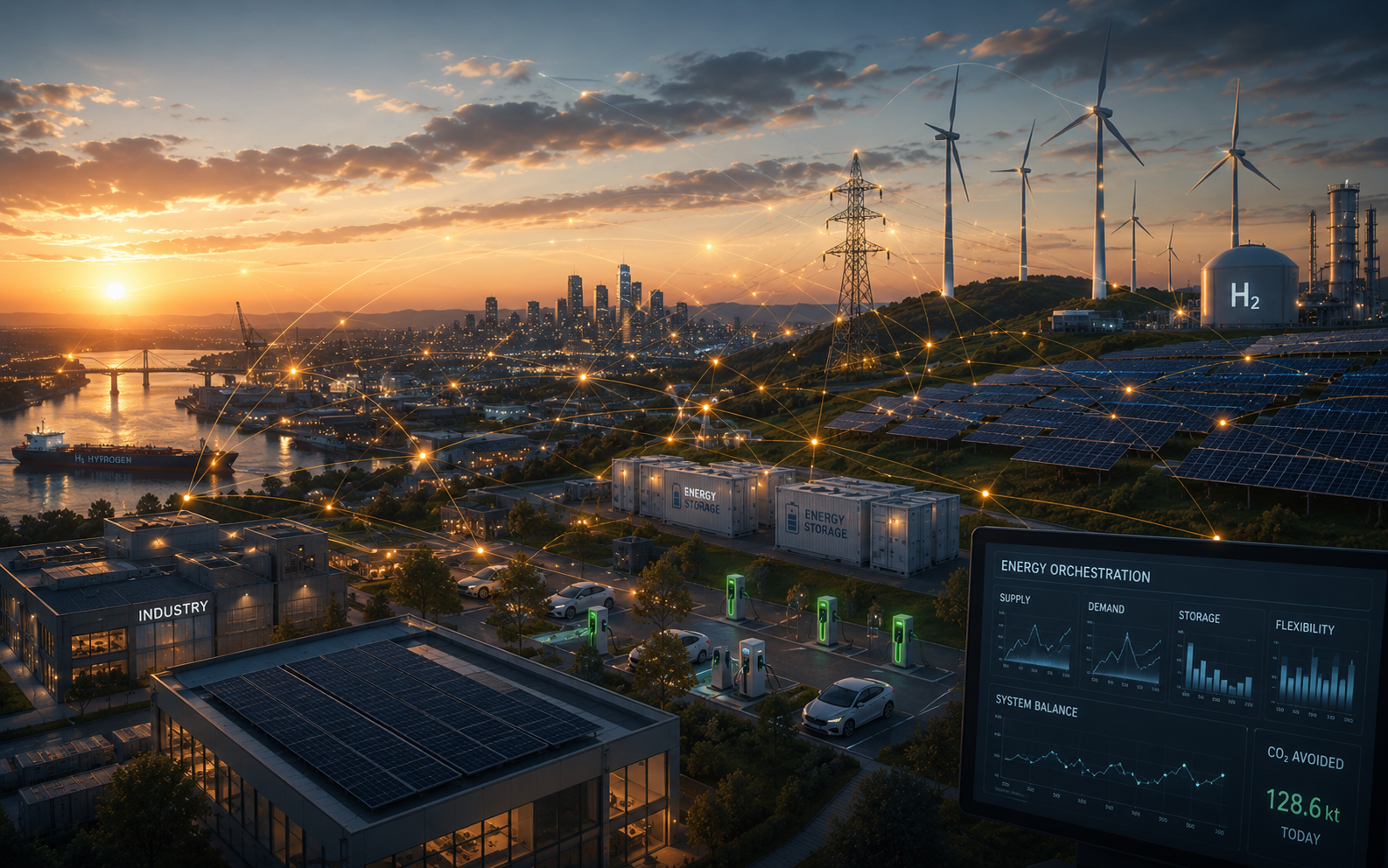
Renewable energy integration is no longer simply about deploying more wind turbines or solar panels. It is increasingly about orchestrating millions of interconnected assets into a coherent system capable of balancing variability, flexibility and abundance in real time.
Digital energy systems are becoming the intelligence layer of Europe’s emerging energy architecture. As renewable generation, storage and flexible demand expand, the defining challenge is no longer collecting data, but transforming information into coordinated decisions across an increasingly complex energy system.
Europe’s next energy challenge lies beyond electricity generation. As heavy industry seeks to reduce emissions while remaining globally competitive, the transition increasingly depends on redesigning production itself—rethinking heat, materials, industrial processes and manufacturing as part of a new energy architecture.
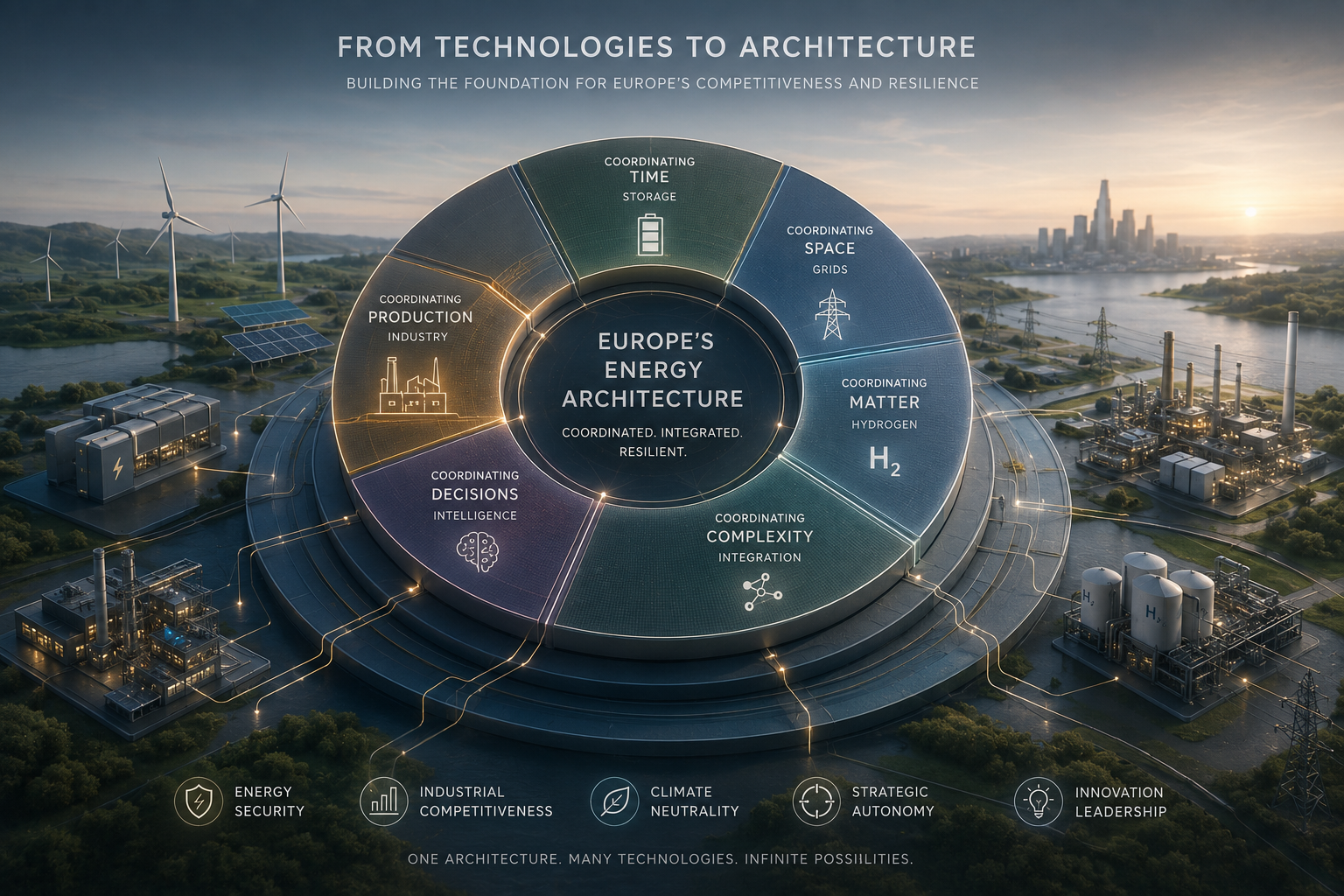
Europe’s energy transition is evolving beyond individual technologies. Storage, grids, hydrogen, digital systems and industrial transformation are converging into an integrated energy architecture in which infrastructure, intelligence and institutions increasingly function as one coordinated system.

Europe’s energy transition is often discussed as though every country is following the same path. In reality, Europe is building its future through a remarkably diverse landscape of nuclear power, hydropower, offshore wind, solar energy and interconnected electricity networks. Understanding that diversity is essential to understanding Europe’s emerging electro-powered continent.
