Thursday, July 2, 2026
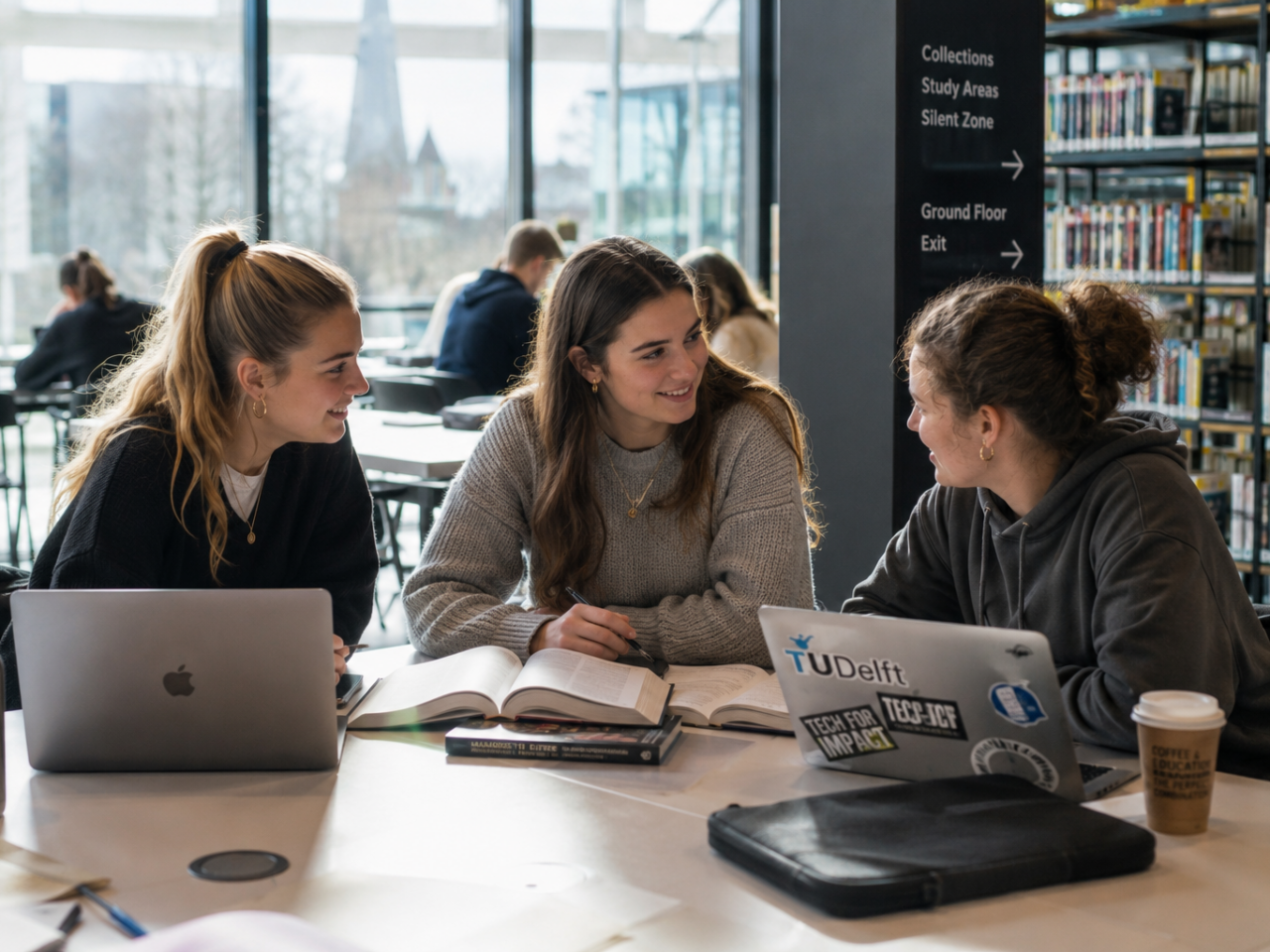
Education is often viewed as a pathway to personal opportunity. Yet education also shapes the knowledge, skills and capabilities that determine how societies innovate, adapt and prepare for the future.
Read More
Thursday, July 2, 2026
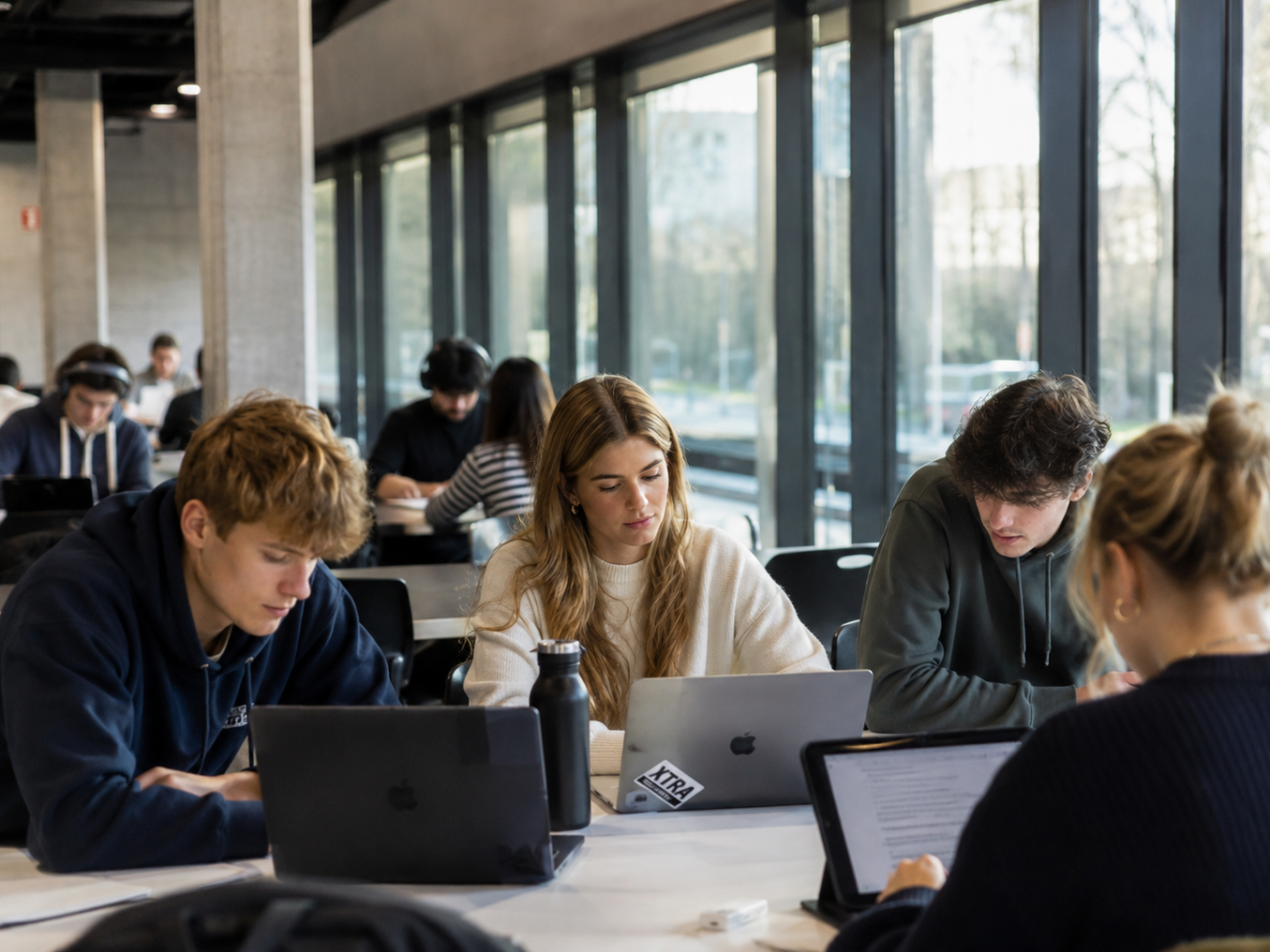
Education does more than prepare individuals for employment. It shapes the knowledge, capabilities and talent that determine how societies innovate, adapt and sustain prosperity in an increasingly complex world.
Read More
Sunday, June 21, 2026

Sweden is often recognised for companies such as IKEA, Ericsson, Spotify, Klarna and Saab. Yet the country’s deeper strength lies in something broader: an innovation ecosystem built upon education, research, trust and long-term investment in human capital. Sweden demonstrates that innovation is not simply an economic activity—it is a societal capability.
Read More
Friday, June 19, 2026
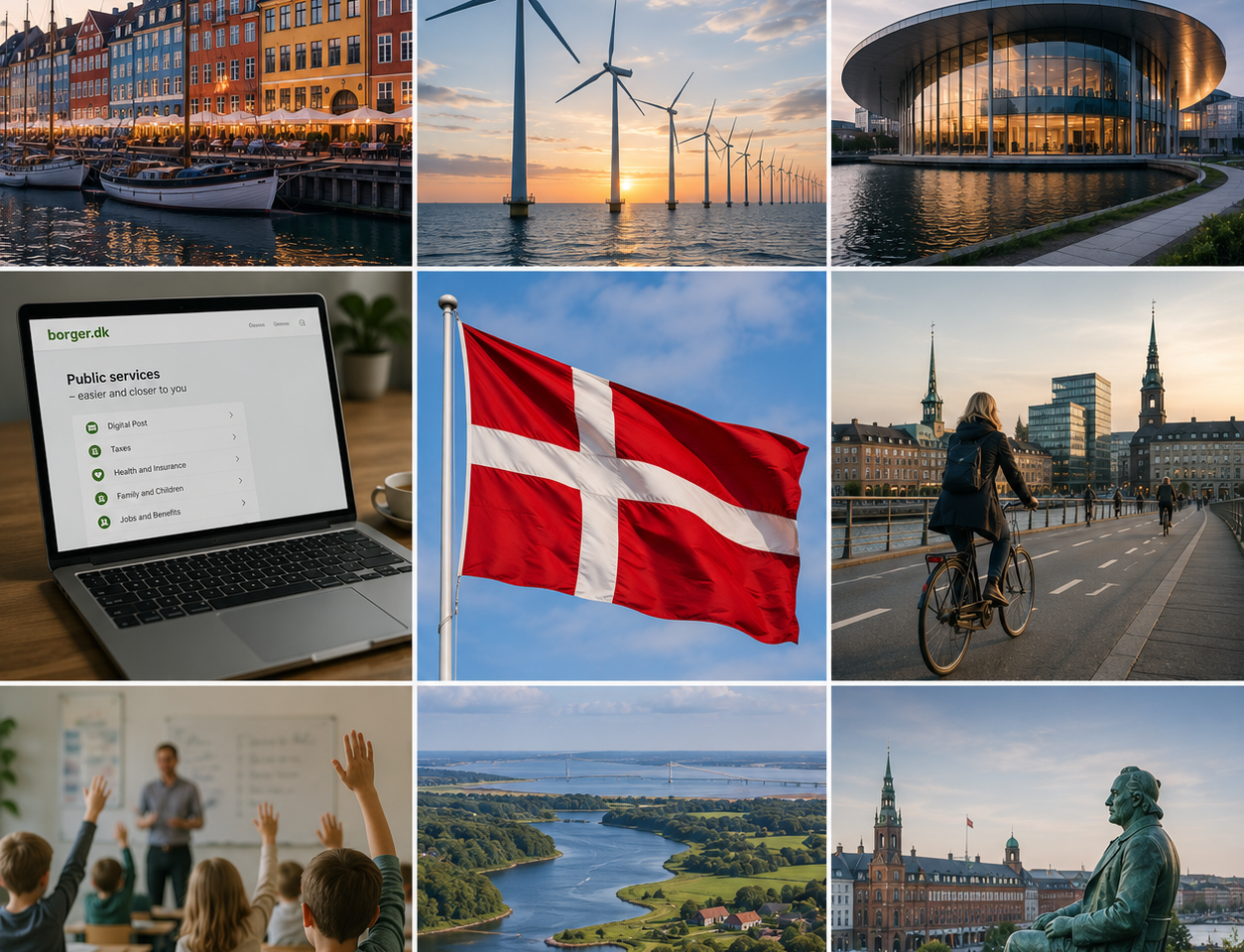
In a world shaped by disruption and rapid change, Denmark offers a different model of strength. Combining labour market flexibility, social security, digital governance and long-term pragmatism, the country has built institutions designed not to resist change, but to adapt to it.
Read More
Friday, June 19, 2026

Northern Europe is often associated with prosperity, innovation and high levels of trust. Yet beneath these achievements lies a distinctive regional model built upon strong institutions, technological adaptation and long-term investment in people. As many societies confront demographic pressures, digital transformation and geopolitical uncertainty, the Nordic experience raises an important question: can trust itself become a strategic asset?
Read More
Friday, June 12, 2026

The future of Western Europe may depend less on any individual country than on the interaction between multiple forms of economic influence. Connectivity, complexity, specialisation, strategic capacity, openness and global reach together form an ecosystem whose resilience may become increasingly important in an age of fragmentation.
Read More
Friday, June 12, 2026
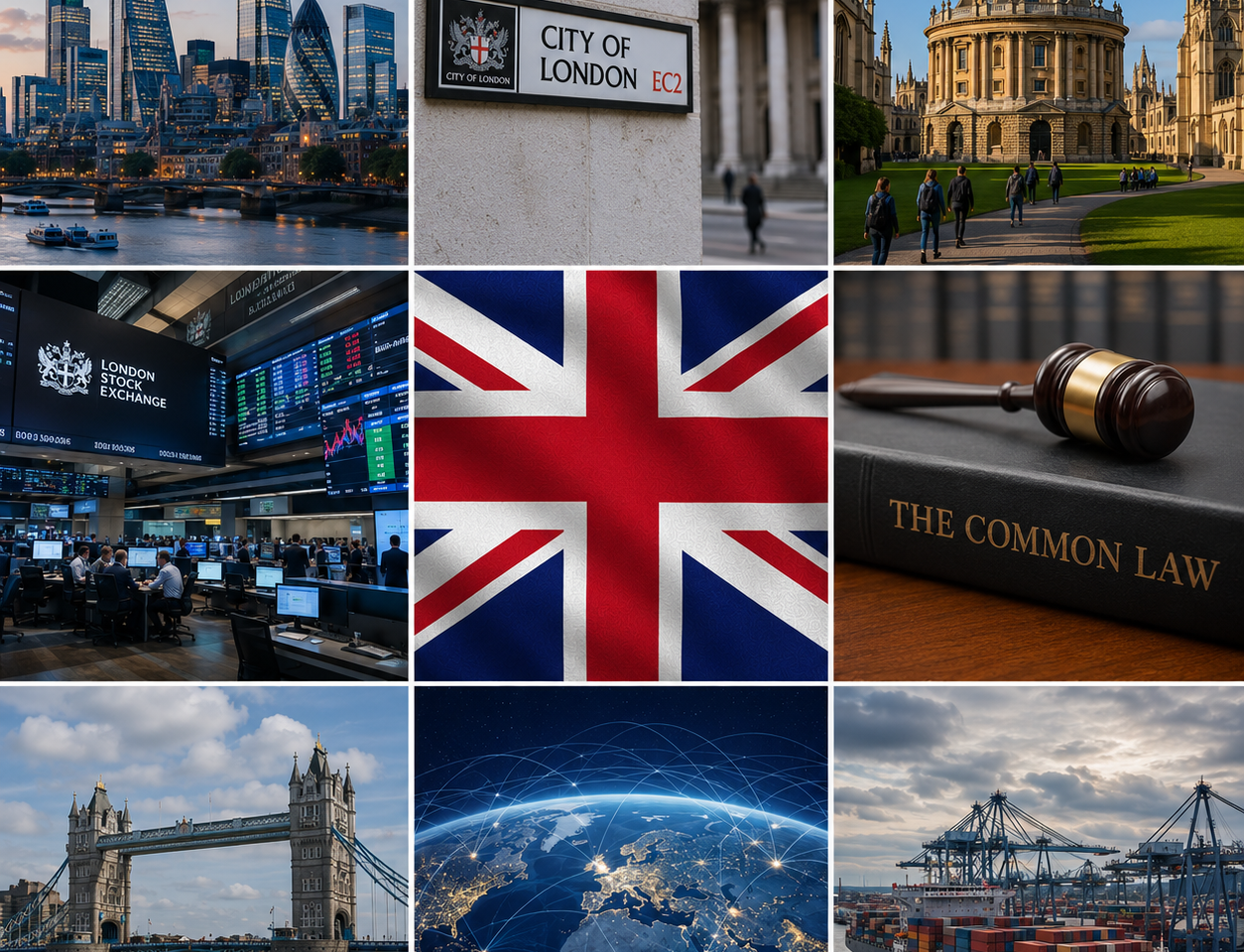
The United Kingdom remains one of the world’s most influential network economies. Through finance, law, education, research and global institutions, Britain continues to shape systems that extend far beyond its borders. Yet as economic security, industrial capacity and strategic infrastructure return to prominence, the country faces a new question: can global reach remain a source of power in an increasingly fragmented world?
Read More
Friday, June 12, 2026
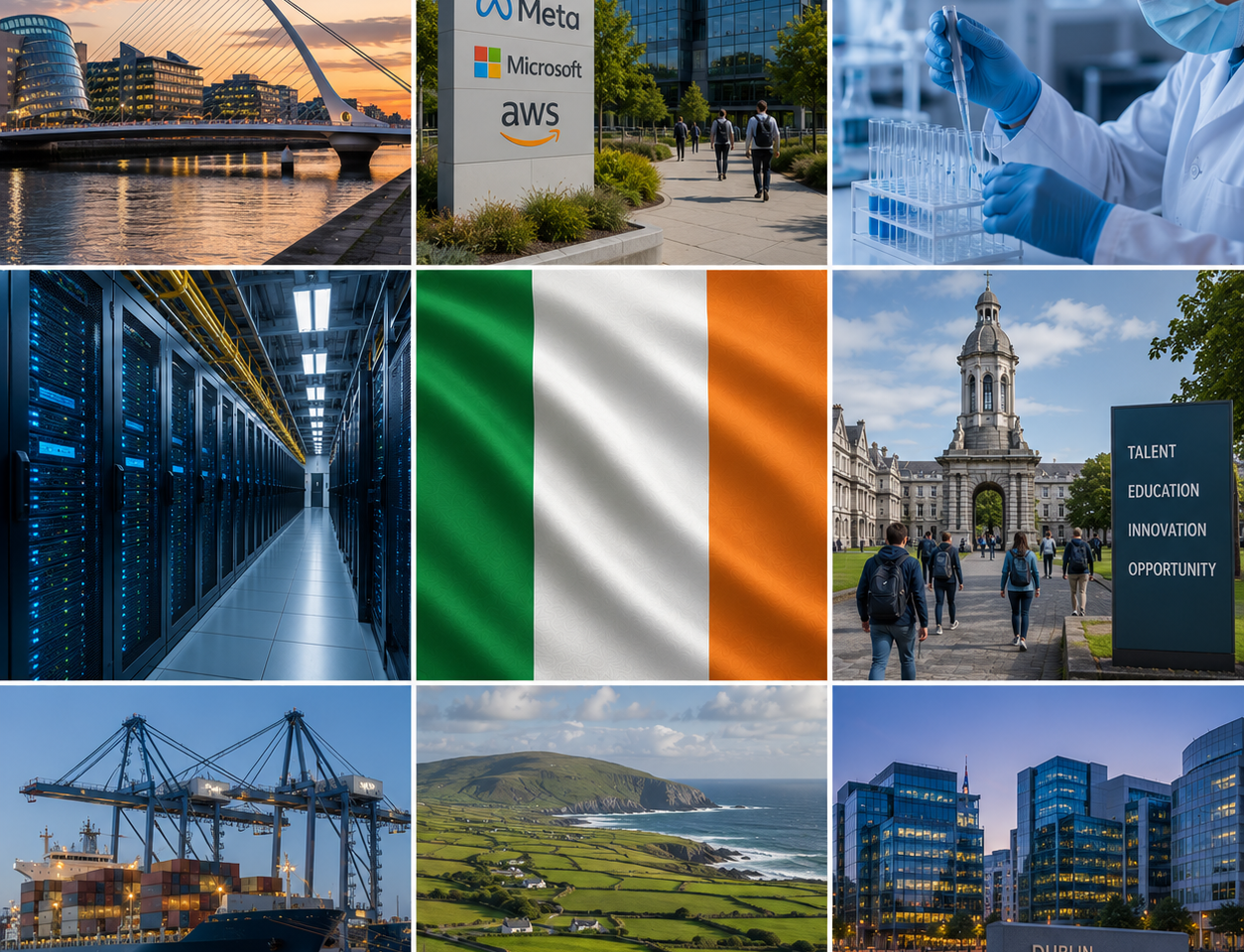
Ireland built its success on openness. Through education, foreign investment and global integration, it became a hub for technology, pharmaceuticals and digital services. Yet as globalisation evolves, the country faces a new challenge: transforming international success into long-term domestic resilience.
Read More
Thursday, June 11, 2026

While much of Europe embraced market liberalisation, France maintained a stronger belief in the strategic role of the state. Today, as debates over industrial policy, energy security and technological sovereignty return, France’s economic model appears more relevant than it has in decades.
Read More
Thursday, June 11, 2026

Luxembourg is one of Europe’s smallest countries, yet its influence extends far beyond its borders. Through finance, international institutions, satellite communications and strategic specialisation, the country demonstrates how expertise and indispensability can create influence beyond scale.
Read More

 Available here: