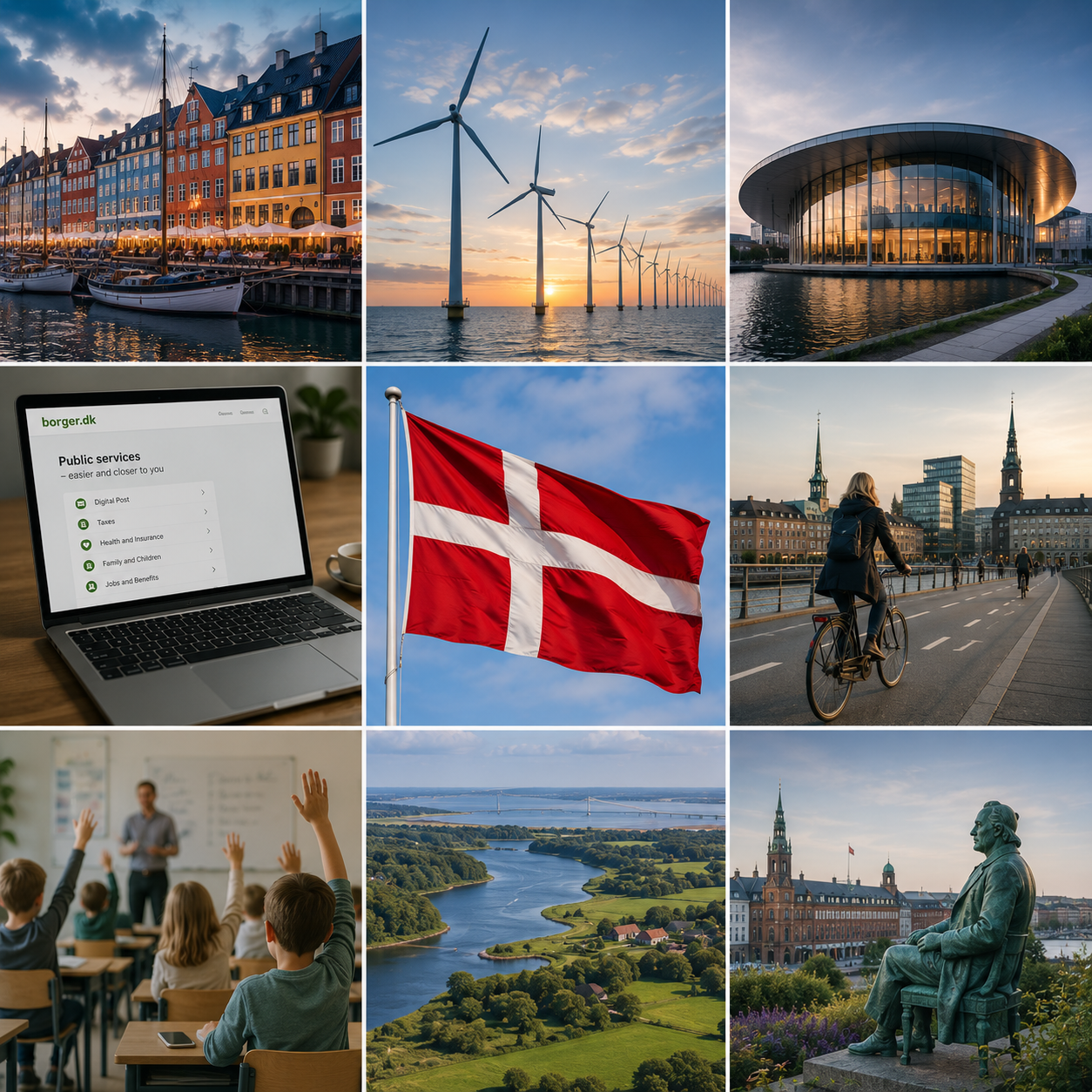
In a world shaped by disruption and rapid change, Denmark offers a different model of strength. Combining labour market flexibility, social security, digital governance and long-term pragmatism, the country has built institutions designed not to resist change, but to adapt to it.
Economic Europe — Northern Europe

How Denmark, Sweden, Norway, Finland and Iceland Built Some of the World’s Most Adaptive Economies
Trust, Technology and the Future of Society
Northern Europe is often associated with high living standards, strong welfare systems and advanced digital societies. Yet these characteristics are not isolated achievements.
Together Denmark. Sweden, Norway, Finland and Iceland reflect a distinctive economic and social model built upon trust, institutional capacity, technological adaptation and long-term investment in human development.
As many countries confront demographic pressures, technological disruption and growing political fragmentation, the Nordic experience raises an important question:
Can trust itself become a strategic asset?
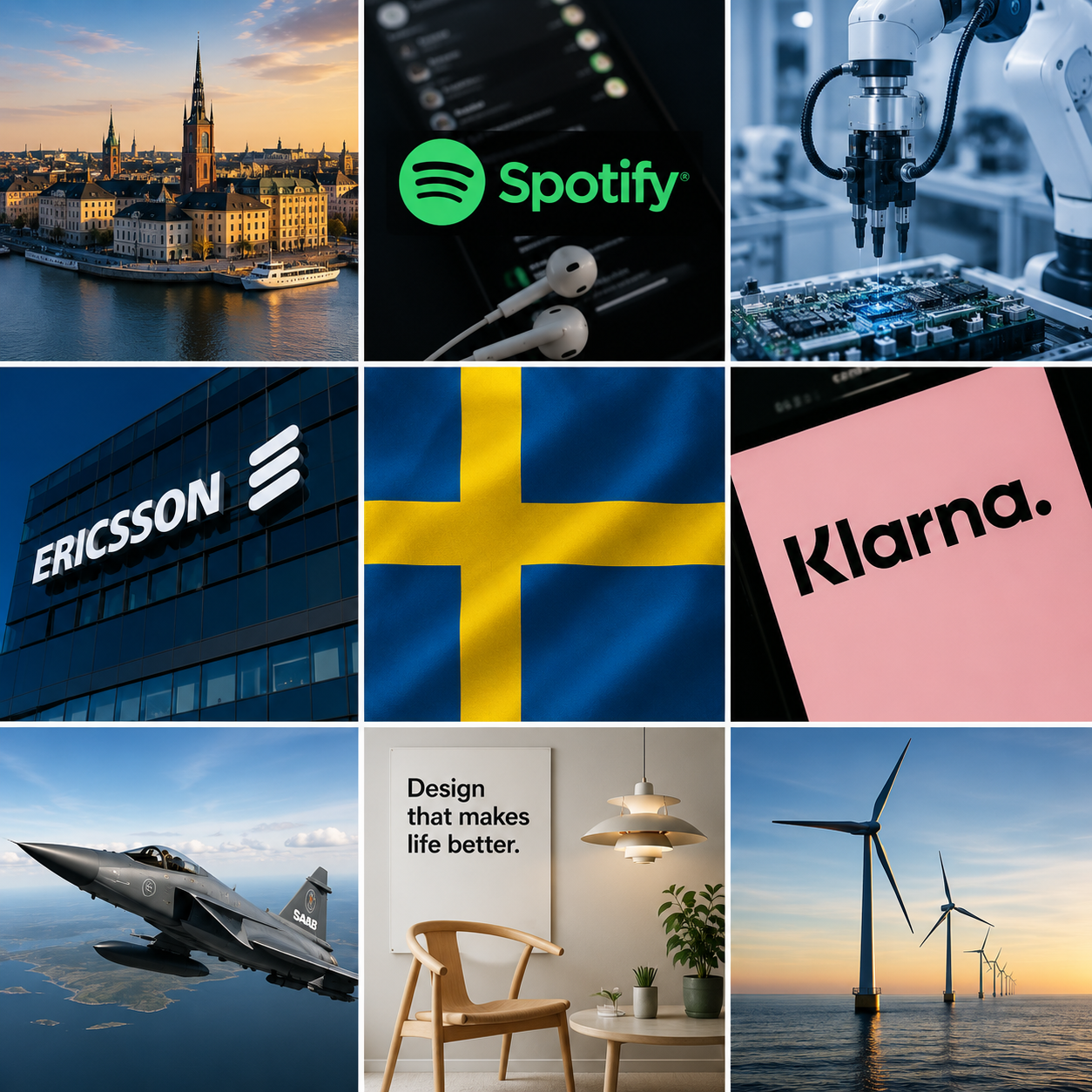
Sweden is often recognised for companies such as IKEA, Ericsson, Spotify, Klarna and Saab. Yet the country’s deeper strength lies in something broader: an innovation ecosystem built upon education, research, trust and long-term investment in human capital. Sweden demonstrates that innovation is not simply an economic activity—it is a societal capability.
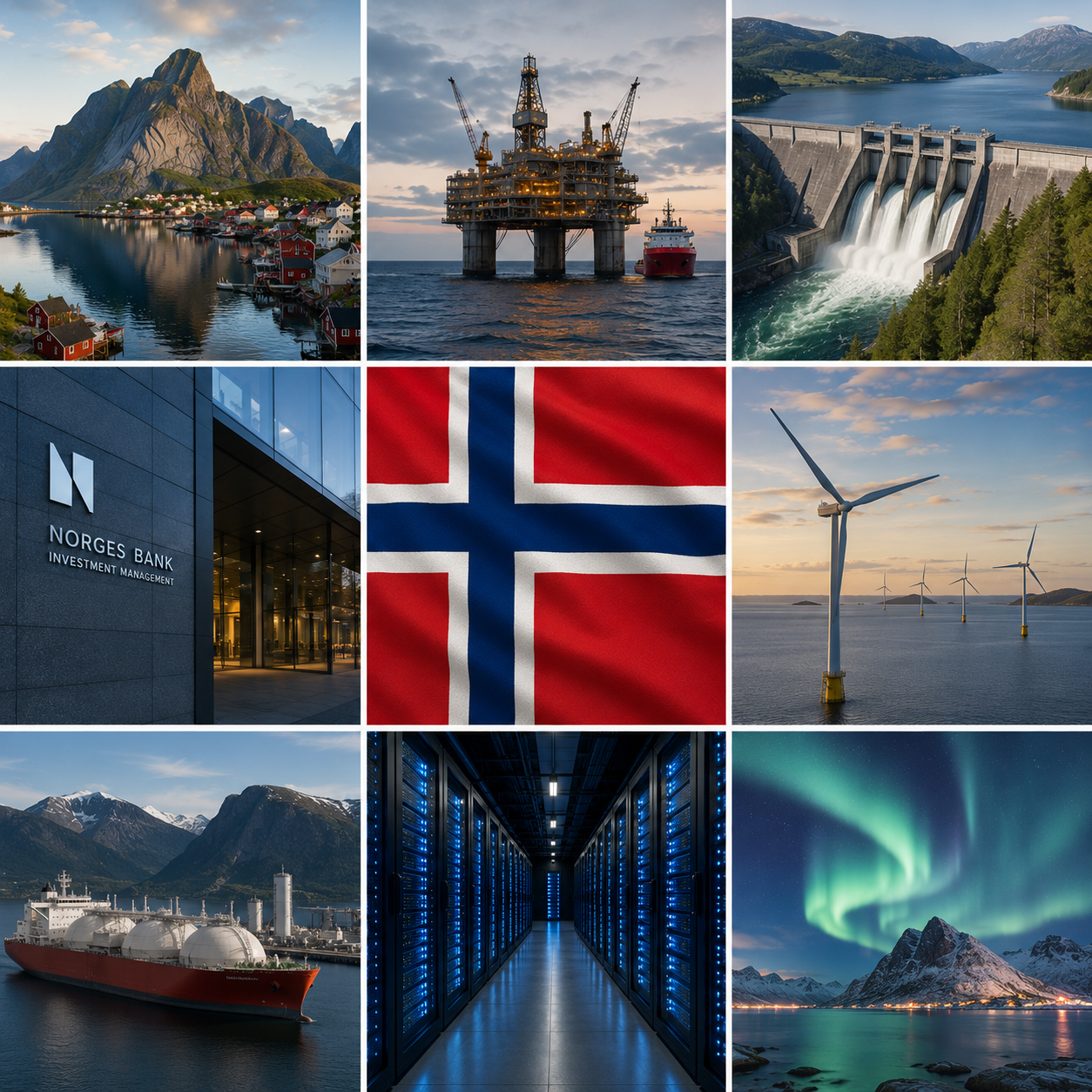
Norway is often associated with oil, gas and extraordinary national wealth. Yet its deeper achievement may lie elsewhere. Through long-term planning, strong institutions and one of the world’s largest sovereign wealth funds, Norway has demonstrated how resource wealth can be transformed into resilience for future generations.
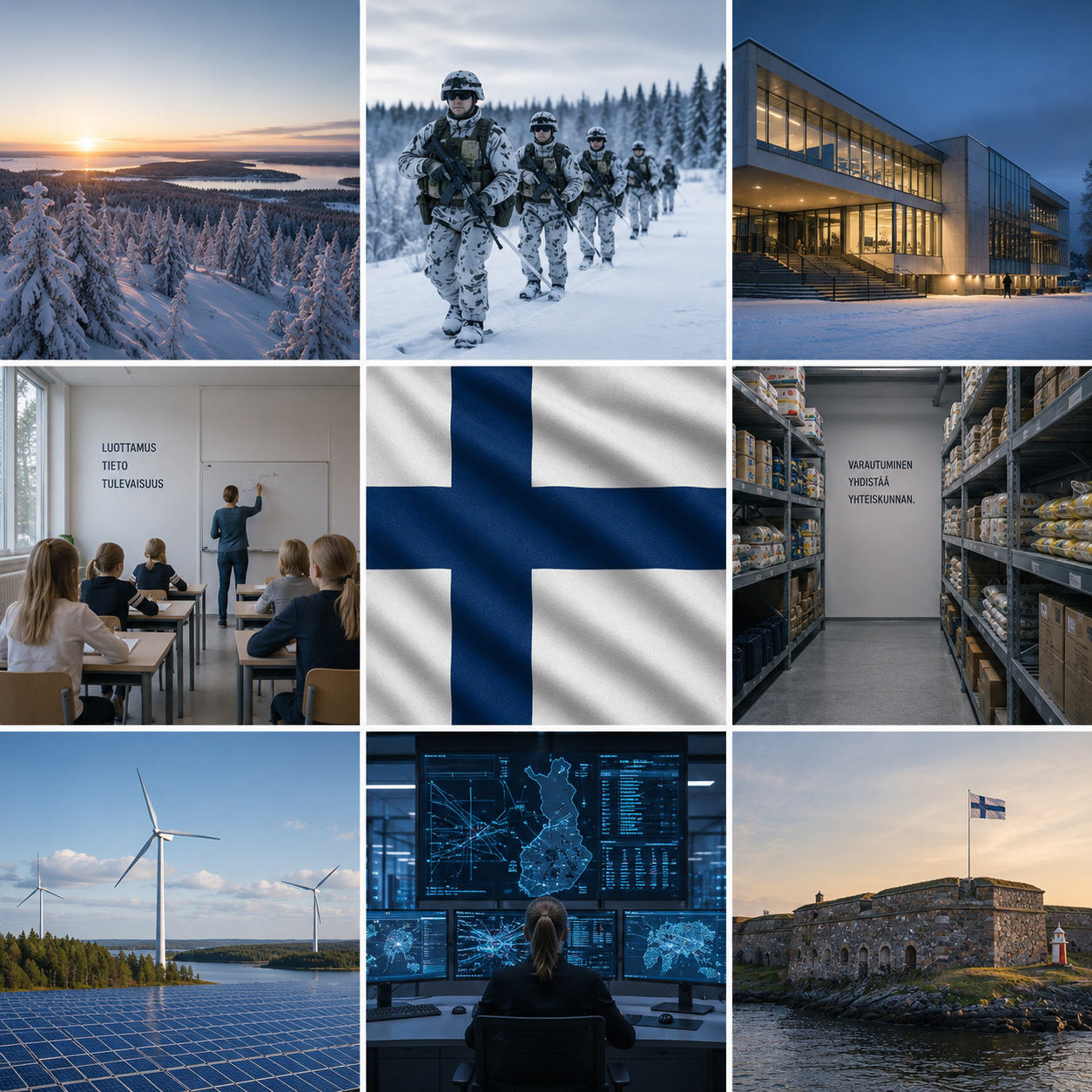
While many societies spent decades optimising for efficiency, Finland quietly invested in resilience. From education and cybersecurity to strategic reserves and comprehensive preparedness, the country demonstrates how uncertainty can become a catalyst for institutional strength rather than vulnerability.
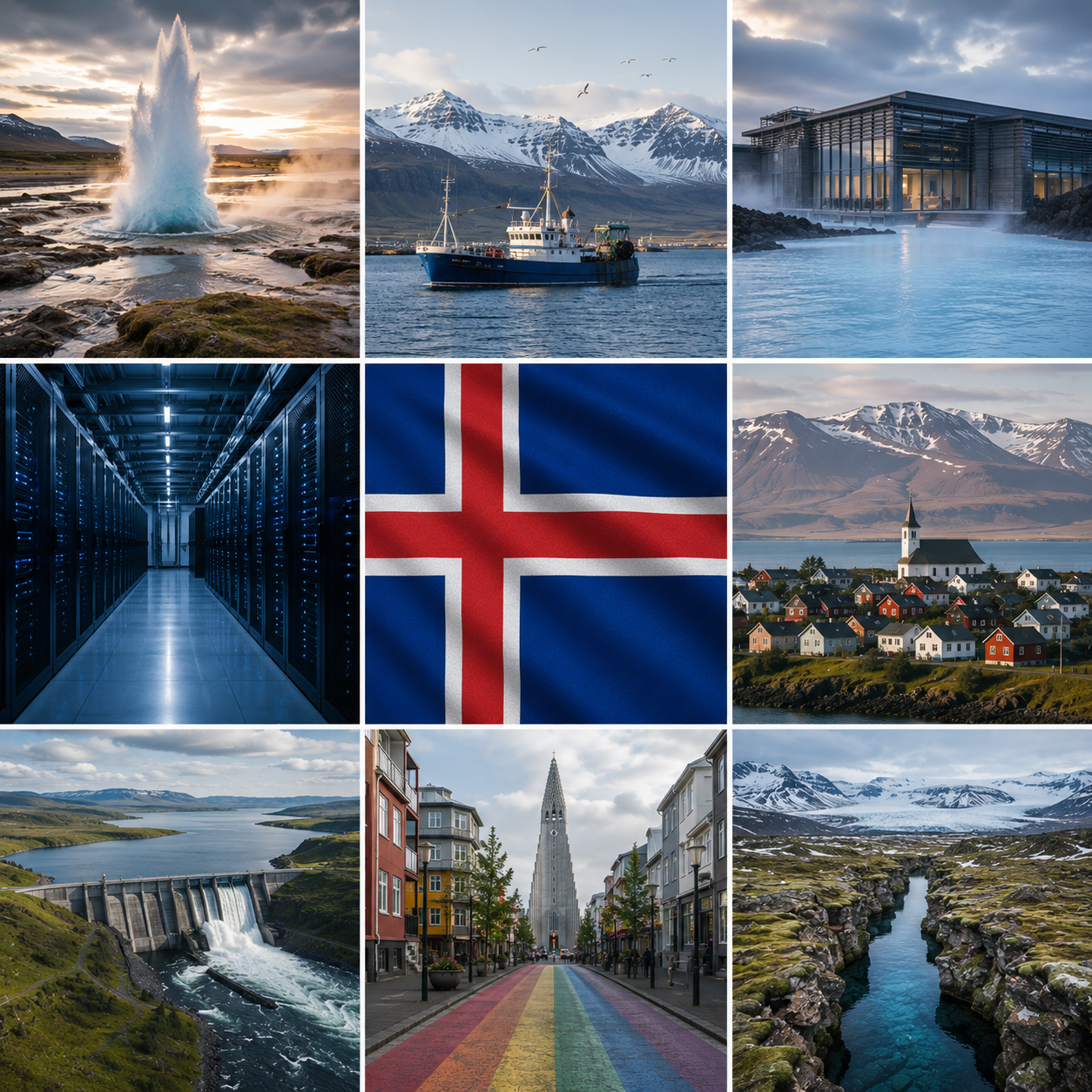
Iceland is often overlooked because of its size. Yet the country offers a compelling example of how geography, renewable energy, resource management and institutional flexibility can create resilience. In many respects, Iceland functions as a societal laboratory where constraints are continuously transformed into capabilities.

Greenland is increasingly moving from the margins of the global economy toward its strategic centre. As climate change reshapes the Arctic and demand for critical minerals grows, the island illustrates how geography, once thought to be diminishing in importance, is becoming a defining factor of the twenty-first century.
Credit
Illustration generated by OpenAI’s DALL·E for Altair Media Europe
Caption
From digital governance and renewable energy to education, innovation and societal resilience, Northern Europe demonstrates how trust and institutional capacity can shape economic and social development far beyond the region itself.
