
Education is often viewed as a pathway to personal opportunity. Yet education also shapes the knowledge, skills and capabilities that determine how societies innovate, adapt and prepare for the future.
The Dutch Education System

Education, Talent and the Future Capacity of Society
Education is often discussed in terms of grades, examinations and individual opportunities. Yet education also functions as a form of societal infrastructure. It shapes the knowledge, skills and capacities that determine how a country innovates, adapts and competes in an increasingly complex world. Understanding education therefore means understanding how societies prepare themselves for the future.
The Dutch Education System examines education as a long-term societal architecture. The series explores how schools, universities and vocational institutions contribute to economic resilience, technological development, social mobility and democratic participation, while asking a broader question: what kinds of talent, knowledge and capabilities will the Netherlands need in the decades ahead?

Examinations are among the most trusted institutions of modern society. Yet as technology transforms economies and labour markets, an uncomfortable question emerges: are we still measuring the capabilities future societies will actually need?
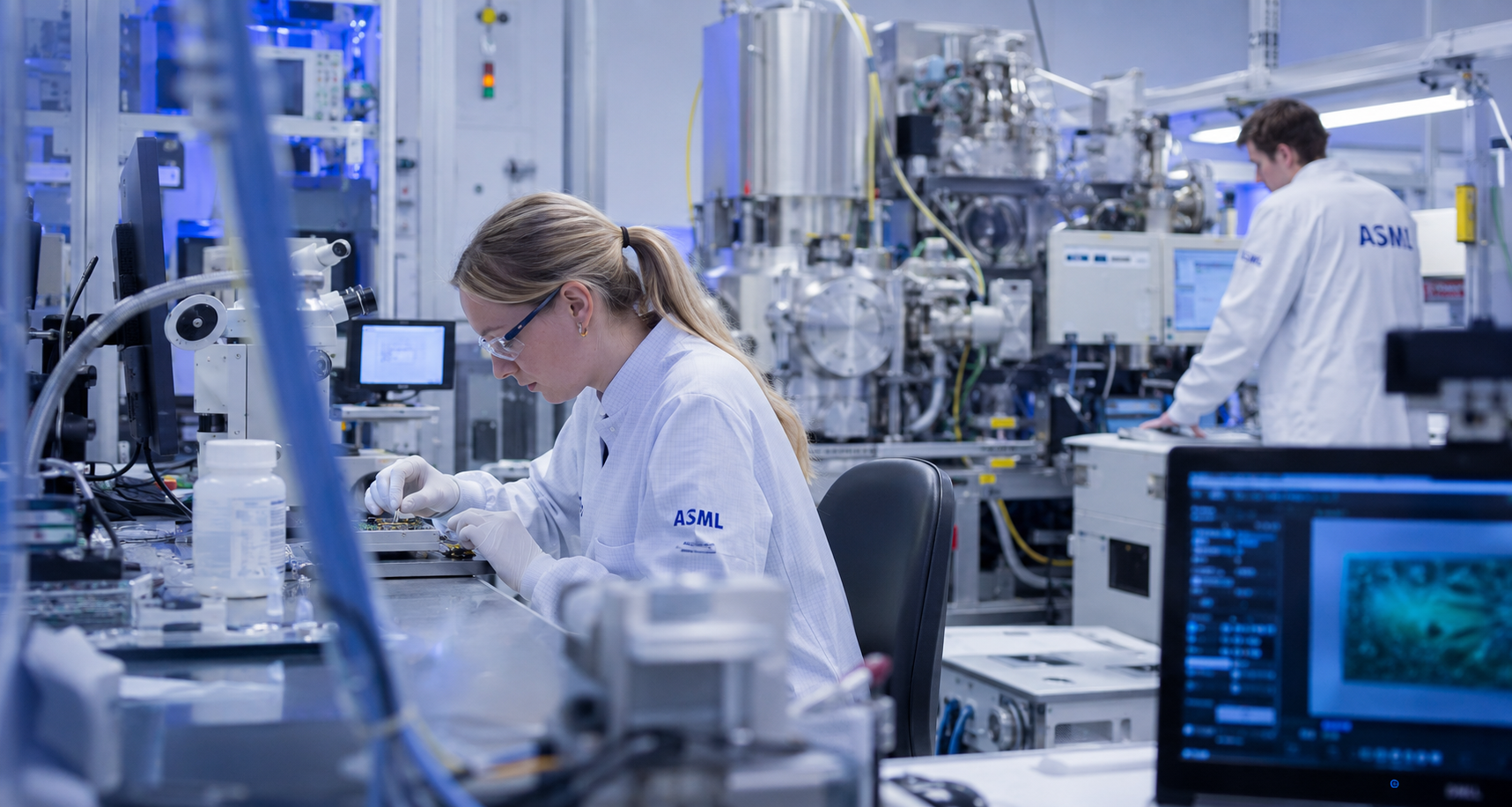
The Netherlands is expanding its ambitions in semiconductors, energy, artificial intelligence and advanced manufacturing. Yet the technical talent required to build and maintain these systems is not growing at the same pace.

Why do some careers capture the imagination while others remain largely invisible? This Perspective explores how identity, cultural narratives and societal expectations shape educational choices—and why those choices increasingly influence the Netherlands’ future capacity to innovate.

Artificial intelligence is transforming access to information, but not the purpose of higher education. As knowledge becomes increasingly abundant, universities may find that their greatest responsibility is no longer teaching information, but cultivating judgement.

Europe’s technological ambitions depend on far more than research funding and industrial investment. They depend on universities capable of educating the engineers, scientists and innovators who will design, build and sustain the continent’s future infrastructure.

Innovation depends on more than scientific excellence. It depends on how effectively knowledge circulates between universities, industry and society. TU Eindhoven demonstrates how regional ecosystems can transform education into Europe’s long-term technological capacity.
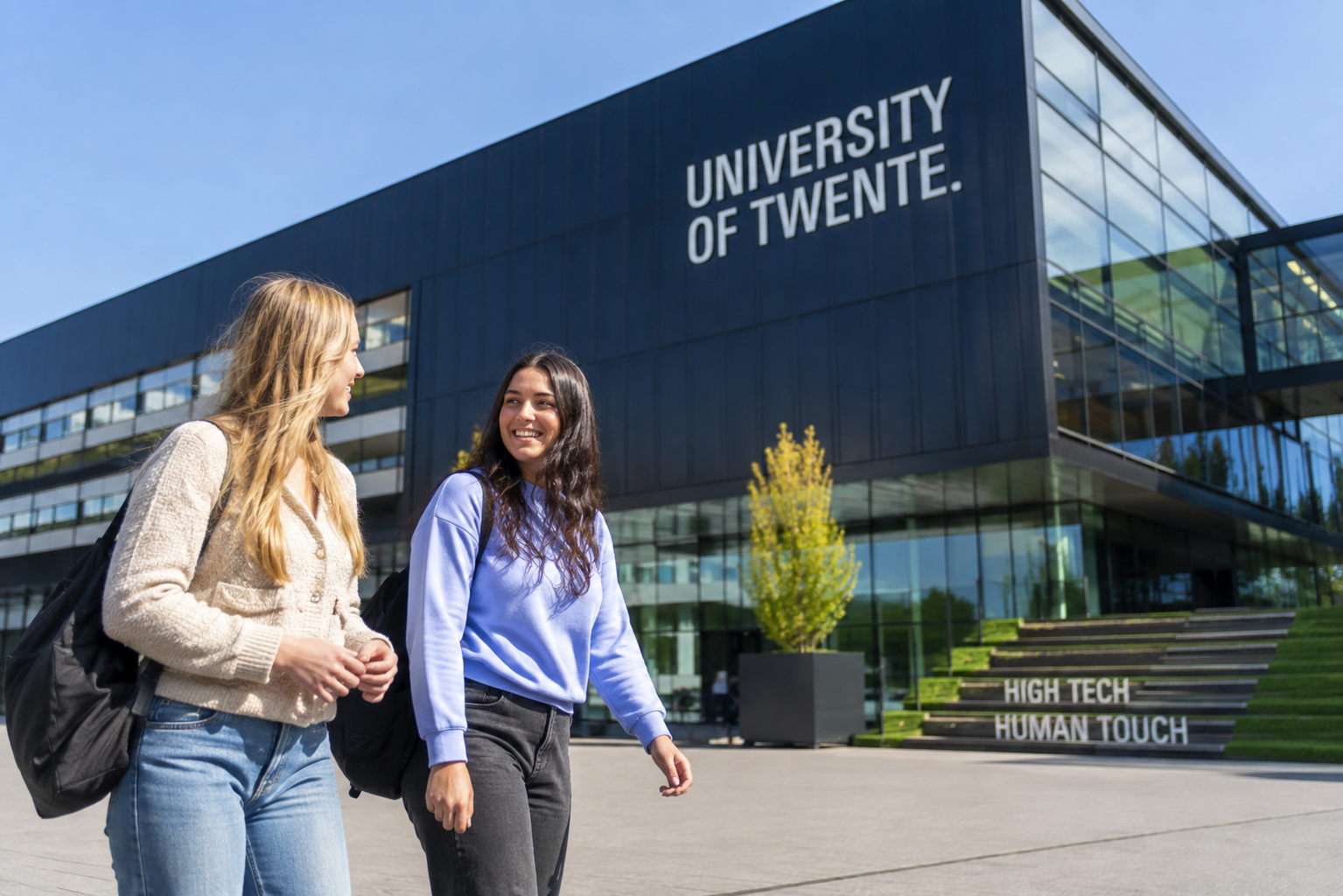
Can smaller universities become strategic assets? The University of Twente demonstrates that innovation is not defined by scale alone, but by the ability to integrate technology, entrepreneurship and society into a distinctive model of European excellence.

Wageningen University & Research has evolved far beyond agriculture. By integrating biology, artificial intelligence, robotics and environmental science, it is helping shape the resilient food systems upon which Europe’s future health, security and sustainability increasingly depend.
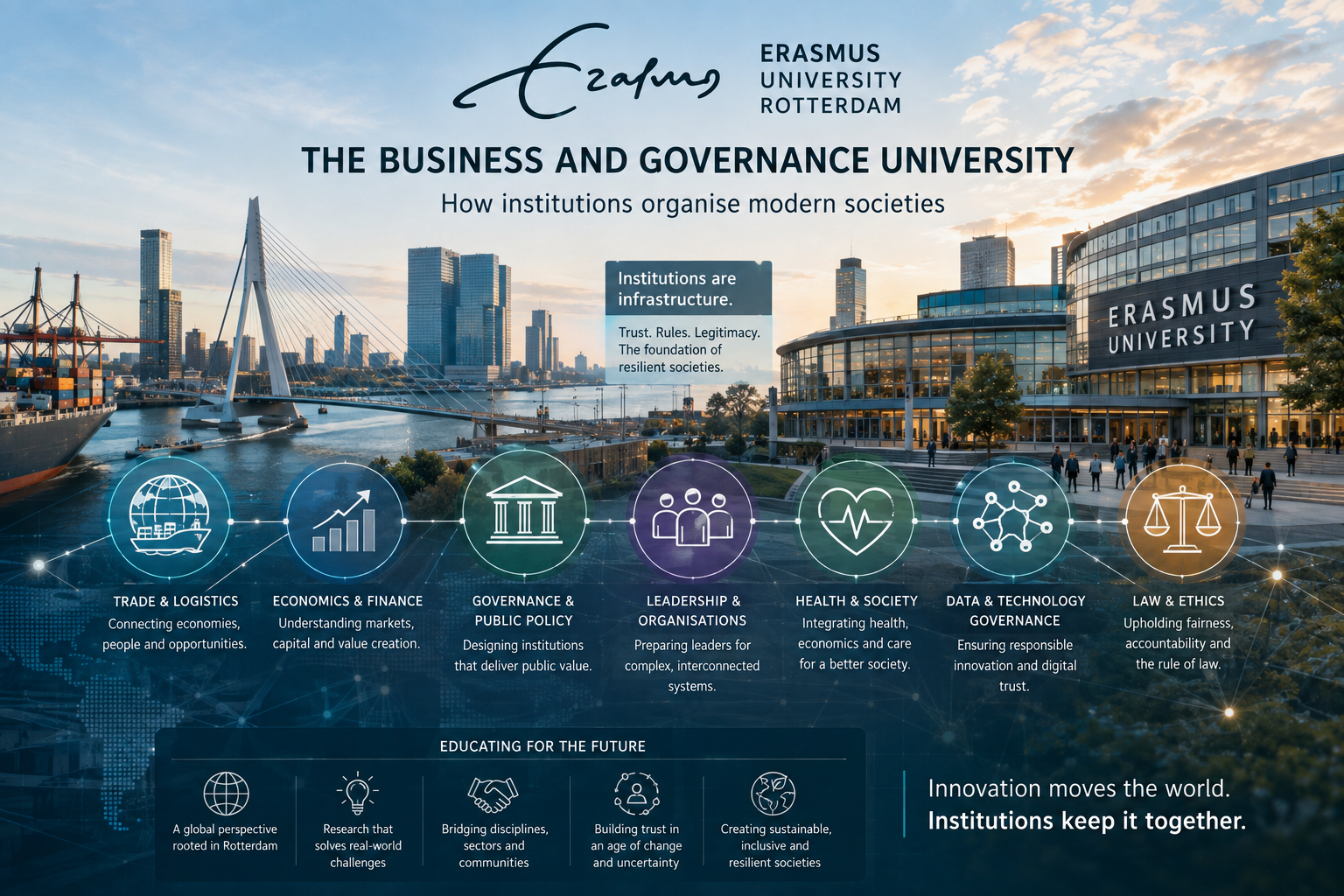
Technological innovation alone does not create resilient societies. Erasmus University Rotterdam explores how governance, economics, healthcare and public institutions together provide the institutional capacity that enables modern societies to function.
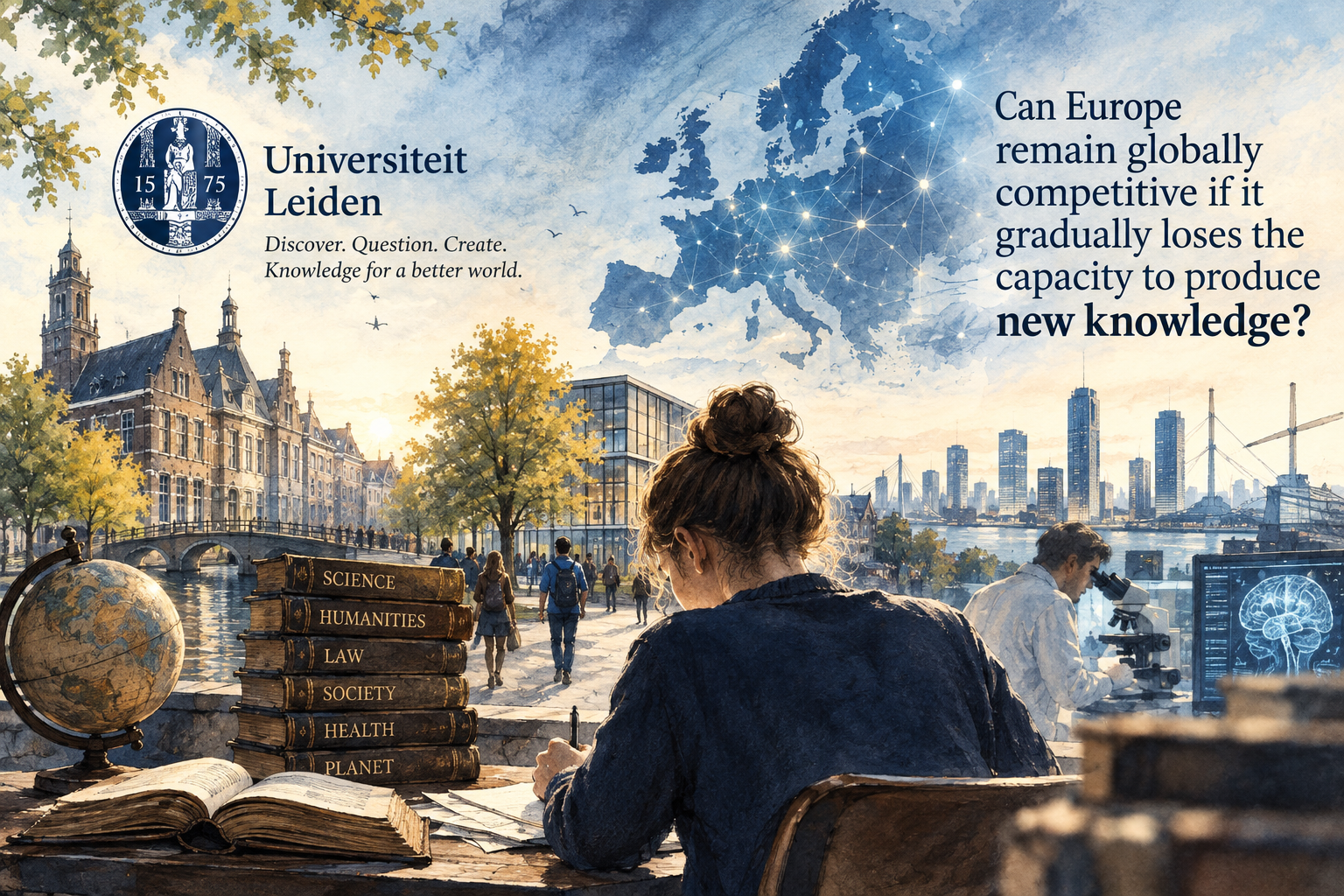
Leiden University demonstrates that the future of Europe depends not only on applying knowledge, but on continually creating it. As artificial intelligence transforms access to information, the production of reliable new knowledge may become one of Europe’s most strategic capabilities.
Credit
Altair Media / AI-generated visualisation
Caption
Students studying in a contemporary learning environment, reflecting the role of education as a long-term societal infrastructure that shapes knowledge, talent and future capacity.
