Thursday, June 11, 2026

Belgium occupies a unique position within Europe. Combining industry, logistics, scientific research and European governance, the country functions as a crossroads where economies, institutions and cultures converge. Its experience offers a glimpse into how complexity can become a source of resilience in an increasingly uncertain world.
Read More
Sunday, June 7, 2026

When seven European technology leaders issued a joint call for action, much of the discussion focused on regulation. Yet the significance of the coalition may lie elsewhere. By bringing together companies from semiconductors, telecommunications, industrial systems, software, artificial intelligence and aerospace, the statement reveals a broader shift in European thinking: from individual sectors toward interconnected technology ecosystems.
Read More
Friday, June 5, 2026

As professional audiences become increasingly specialized, the value of independent media may depend less on mass reach and more on relevance. The emerging signal is not simply attention, but the growing alignment between expertise, topics and audiences.
Read More
Friday, June 5, 2026
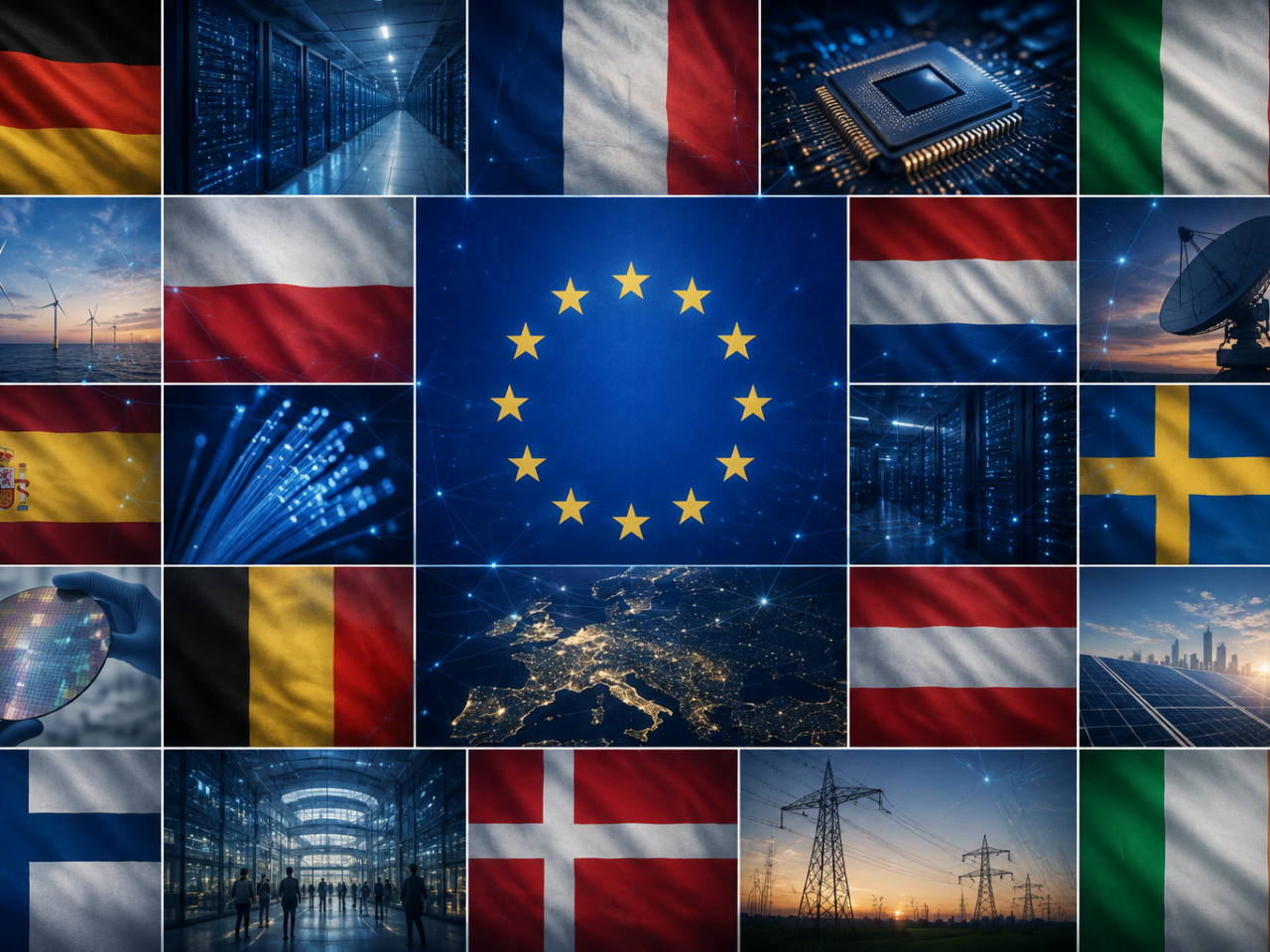
For years, Europe spoke about digital sovereignty as a long-term ambition. With the launch of the Tech Sovereignty Package and Chips Act 2.0, that ambition is beginning to take institutional form. This series explores how semiconductors, cloud infrastructure, AI and energy are becoming part of a broader European strategy to reduce critical dependencies and strengthen technological resilience.
Read More
Friday, June 5, 2026
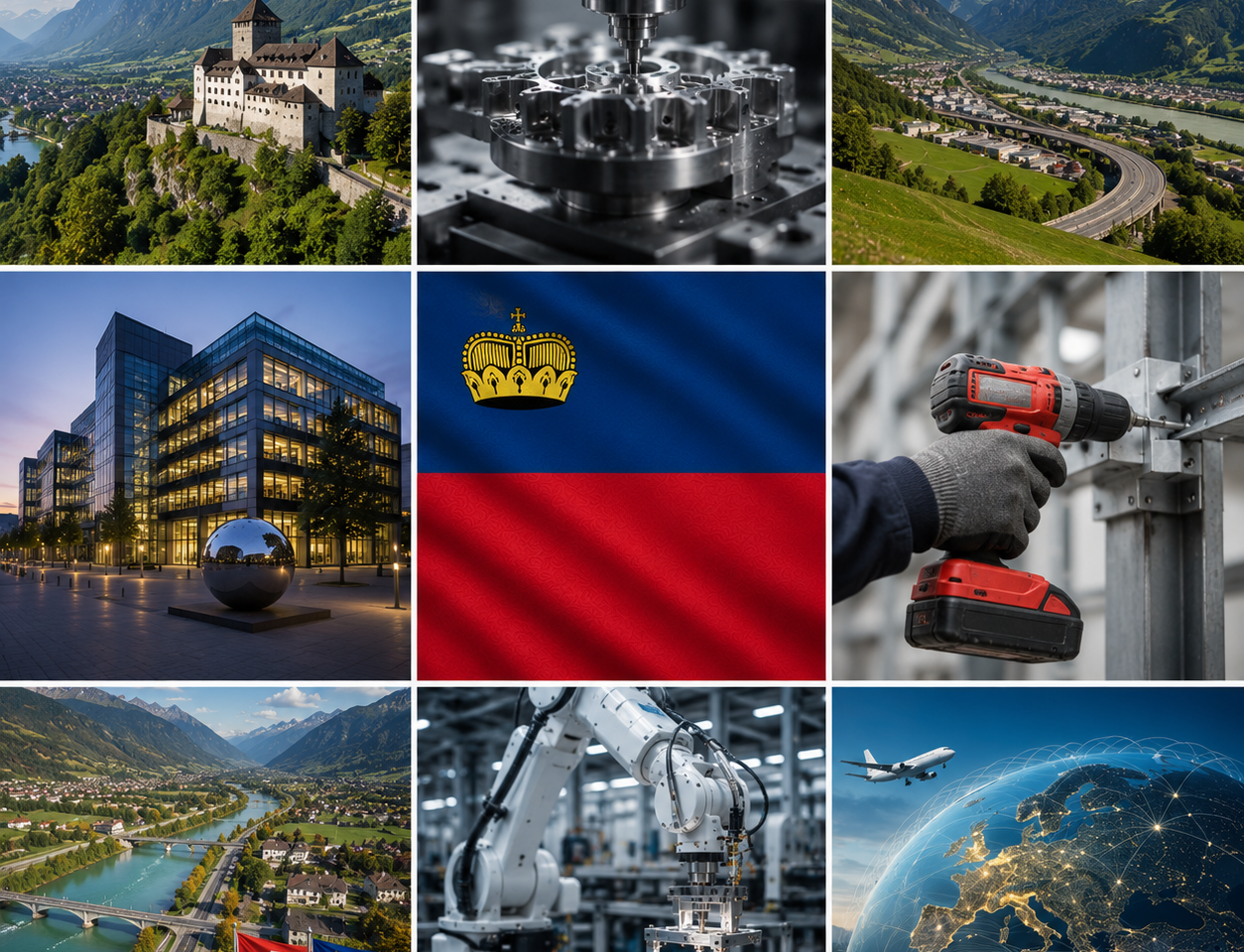
Liechtenstein is one of Europe’s smallest states, yet one of its most productive economies. Through specialization, precision engineering and global connectivity, the principality demonstrates how economic influence can emerge from density, focus and indispensability rather than scale alone.
Read More
Friday, June 5, 2026

Switzerland has built one of the world’s most innovative economies through research, precision engineering, finance and education. Its experience raises a broader European question: how can a country remain deeply integrated while preserving strategic independence in an increasingly interconnected world?
Read More
Wednesday, June 3, 2026
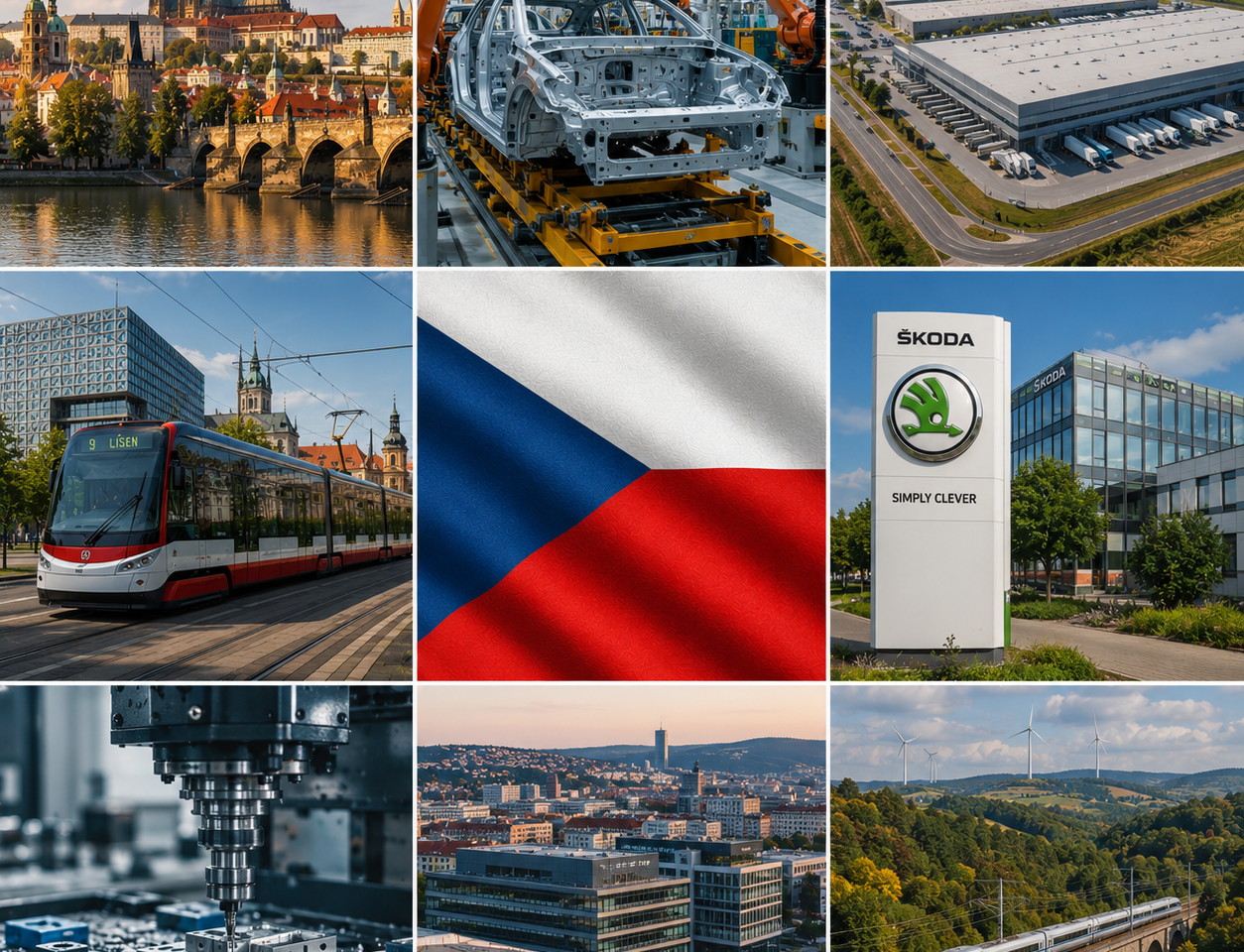
The Czech Republic has become one of Europe’s most specialized industrial economies. As automotive manufacturing enters a period of technological transformation, the country faces a new challenge: adapting decades of manufacturing success to the industries of the future.
Read More
Monday, June 1, 2026
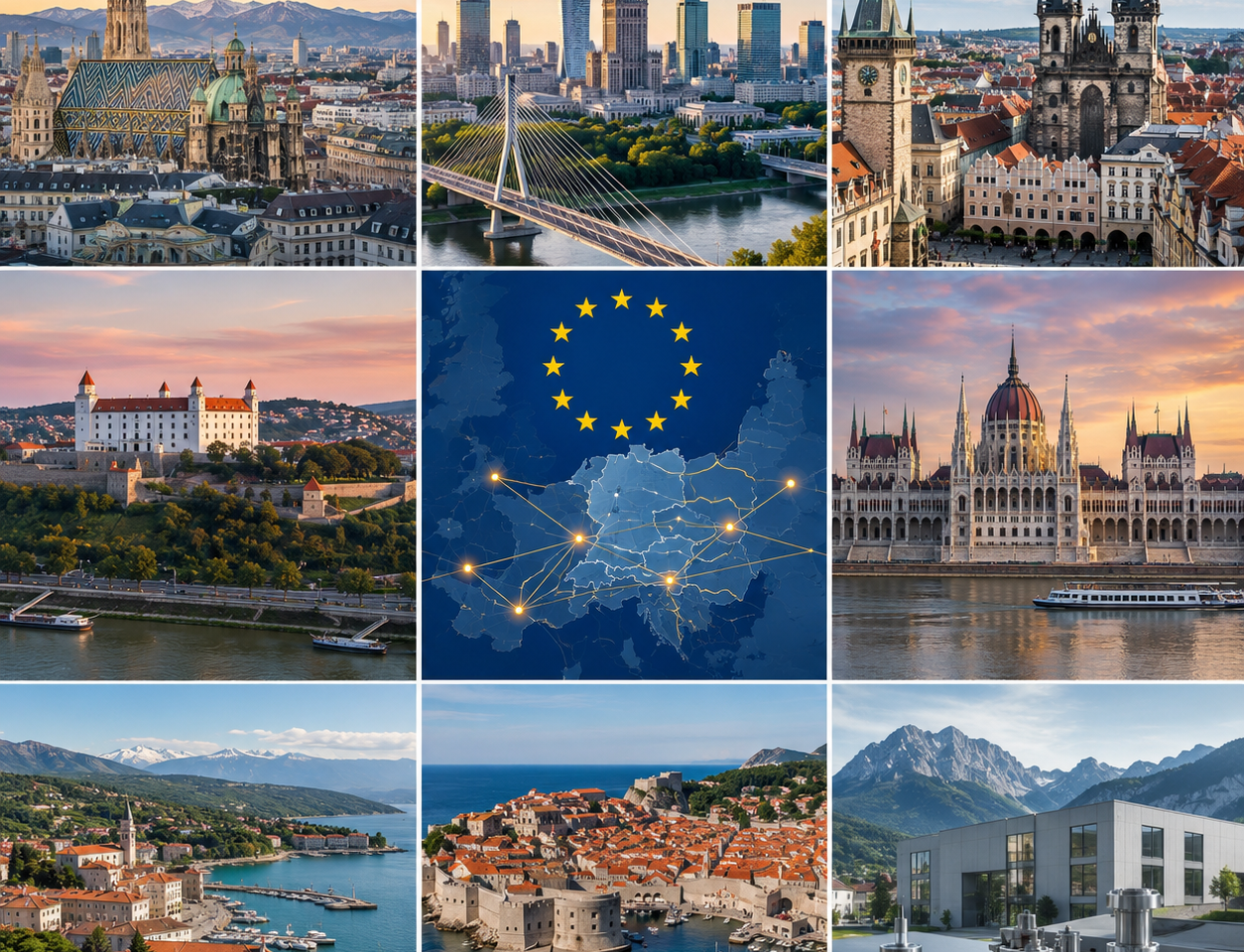
Central Europe is emerging as one of the most dynamic regions within the European economy. This series explores how Austria, Poland, Czechia, Slovakia, Hungary, Slovenia, Croatia and Liechtenstein contribute to Europe’s industrial strength, innovation capacity, infrastructure networks and long-term economic resilience.
Read More
Tuesday, May 5, 2026

Quantum computing is not a single breakthrough, but a system of interconnected layers. Infrastructure, software, capital and security together shape control—revealing that power no longer resides in one place, but emerges from how systems are aligned.
Read More
Tuesday, May 5, 2026

Europe leads in quantum research, but scaling requires sustained capital. Between early breakthroughs and industrial deployment lies a funding gap—one that determines not just growth, but who ultimately owns the future of the technology.
Read More

 Available here: