
Germany remains Europe’s industrial powerhouse, yet demographic decline, energy transition and global competition are reshaping the foundations of its economic model. As the anchor of Central Europe’s manufacturing ecosystem, Germany offers a glimpse into the future challenges facing the continent.
Economic Europe – Central Europe

Understanding the Region Shaping Europe’s Next Economic Chapter
Central Europe occupies a unique position within the European project. Located between Western Europe, Eastern Europe and the Balkans, the region has long served as a crossroads of trade, industry, culture and political influence.
Today, countries such as Poland, Czechia, Slovakia, Hungary, Austria, Slovenia, Croatia and Liechtenstein are increasingly shaping debates on industrial competitiveness, infrastructure, energy security, innovation and economic resilience. While each country follows its own path, together they reveal broader patterns that help explain Europe’s evolving economic landscape.
This series explores the opportunities, challenges and strategic importance of Central Europe through the lens of economic development, industrial transformation and European integration.
About the Series
The articles in this series examine how individual countries contribute to Europe’s wider economic ecosystem. Rather than focusing solely on national performance, the series looks at how infrastructure networks, industrial specialisation, innovation systems and regional cooperation increasingly connect these economies across borders.
From Poland’s expanding manufacturing base and Austria’s role as a gateway between regions, to Slovenia’s logistics strengths and Liechtenstein’s highly specialised industrial model, each article highlights a different aspect of Central Europe’s growing significance.
Together, these analyses suggest that Central Europe is becoming more than a geographical region. It is emerging as an increasingly important component of Europe’s economic resilience, strategic autonomy and long-term competitiveness.
Featured Articles
Explore the individual country profiles and the concluding opinion article below.
Series conclusion: Central Europe and the Future of Economic Europe (Opinion)

Poland has evolved from Europe’s economic frontier into one of its most dynamic industrial, logistics and technology hubs. As infrastructure, investment and strategic importance continue growing, the country is increasingly reshaping the geography of economic power within Europe.
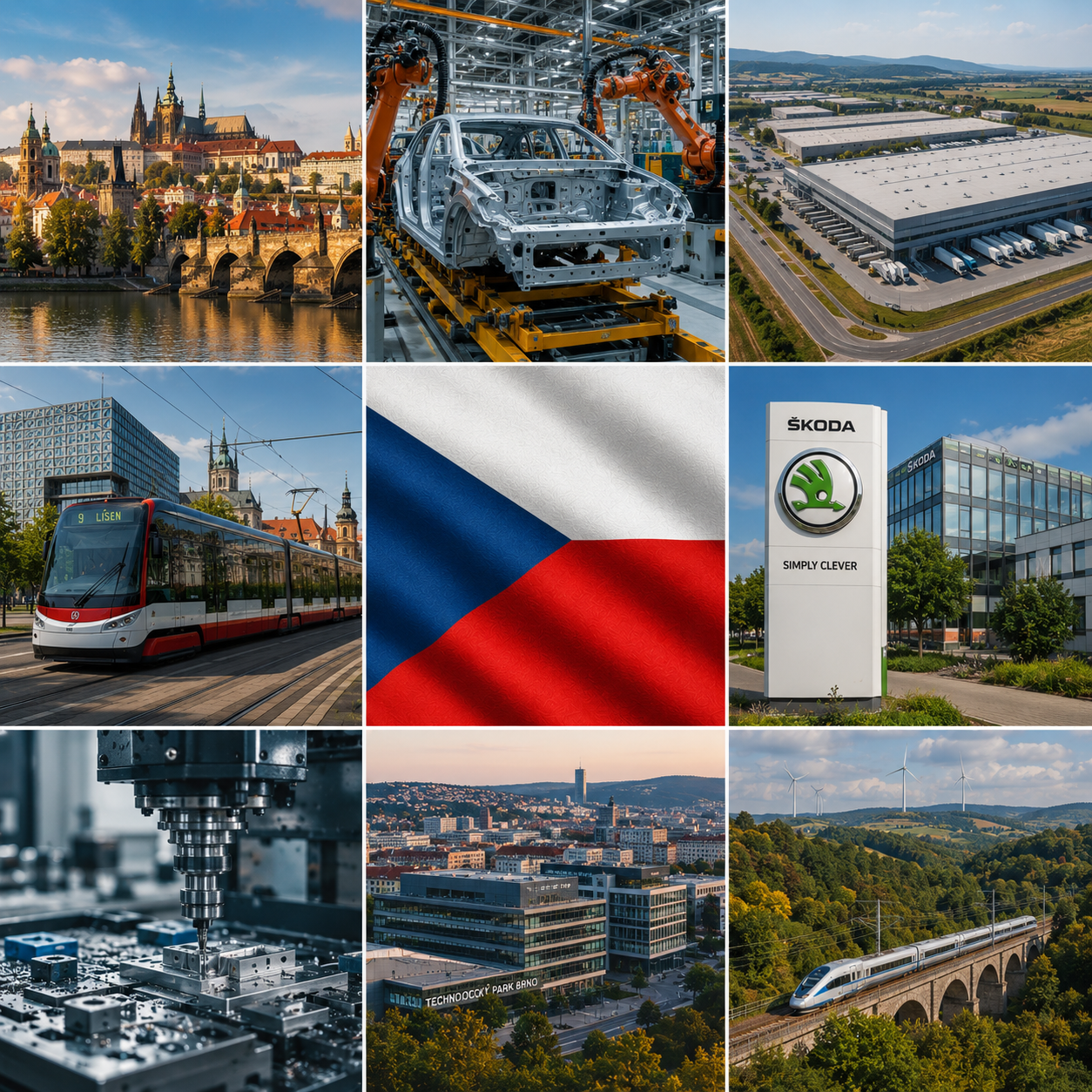
The Czech Republic has become one of Europe’s most specialized industrial economies. As automotive manufacturing enters a period of technological transformation, the country faces a new challenge: adapting decades of manufacturing success to the industries of the future.

Slovakia has become one of the world’s most specialized automotive economies. As electric mobility, software and battery technologies reshape the industry, the country faces a defining challenge: transforming industrial dependence into long-term economic resilience.

Austria occupies a unique position within Central Europe. Through infrastructure, finance, engineering and regional connectivity, the country functions as a critical coordination hub linking Western Europe with the industrial economies of Central and South-Eastern Europe.
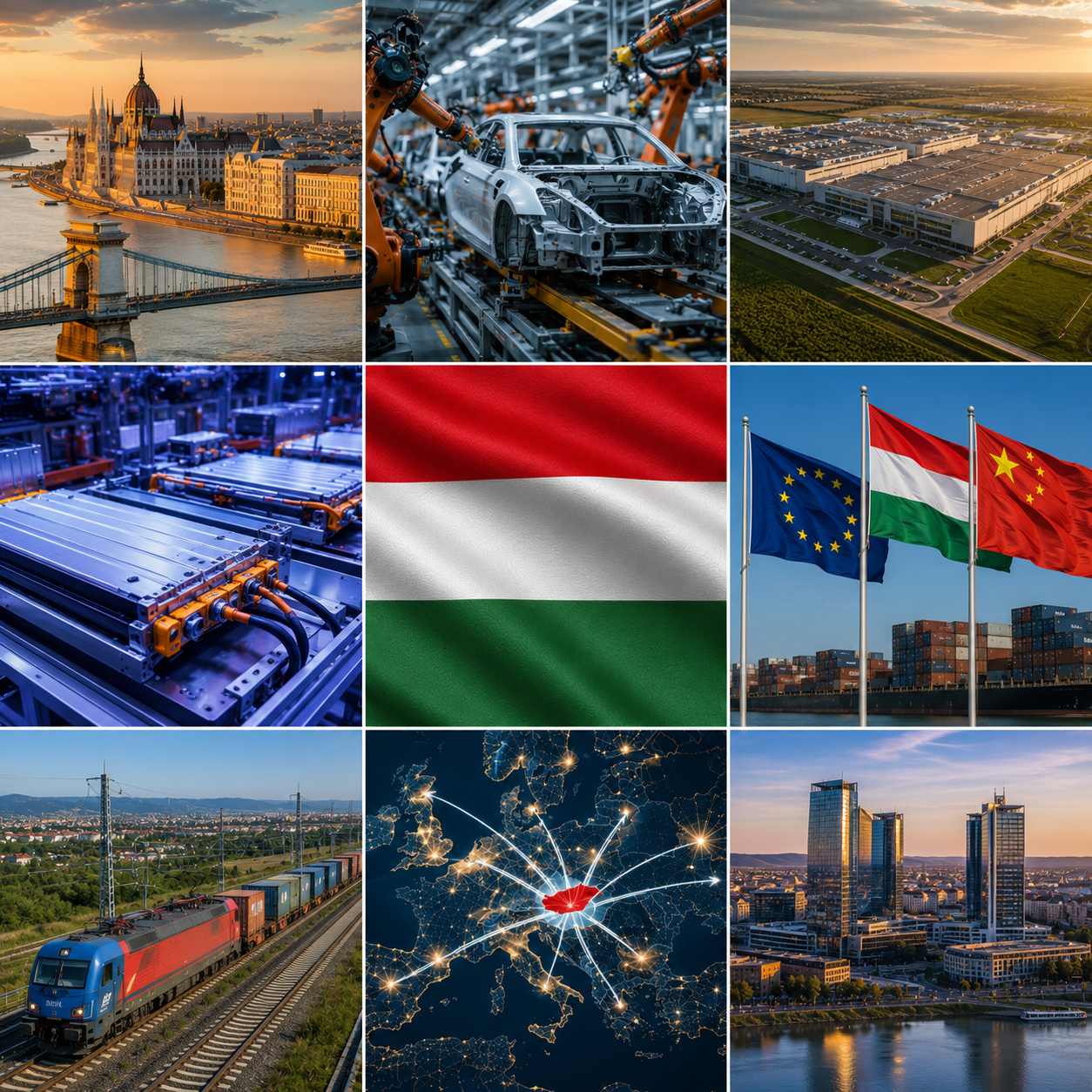
Hungary has become one of Europe’s most strategically positioned economies, connecting German industry, Asian investment and the continent’s battery transition. Its economic trajectory offers a glimpse into the increasingly complex relationship between industrial competitiveness, technological sovereignty and geopolitical strategy.

Switzerland has built one of the world’s most innovative economies through research, precision engineering, finance and education. Its experience raises a broader European question: how can a country remain deeply integrated while preserving strategic independence in an increasingly interconnected world?
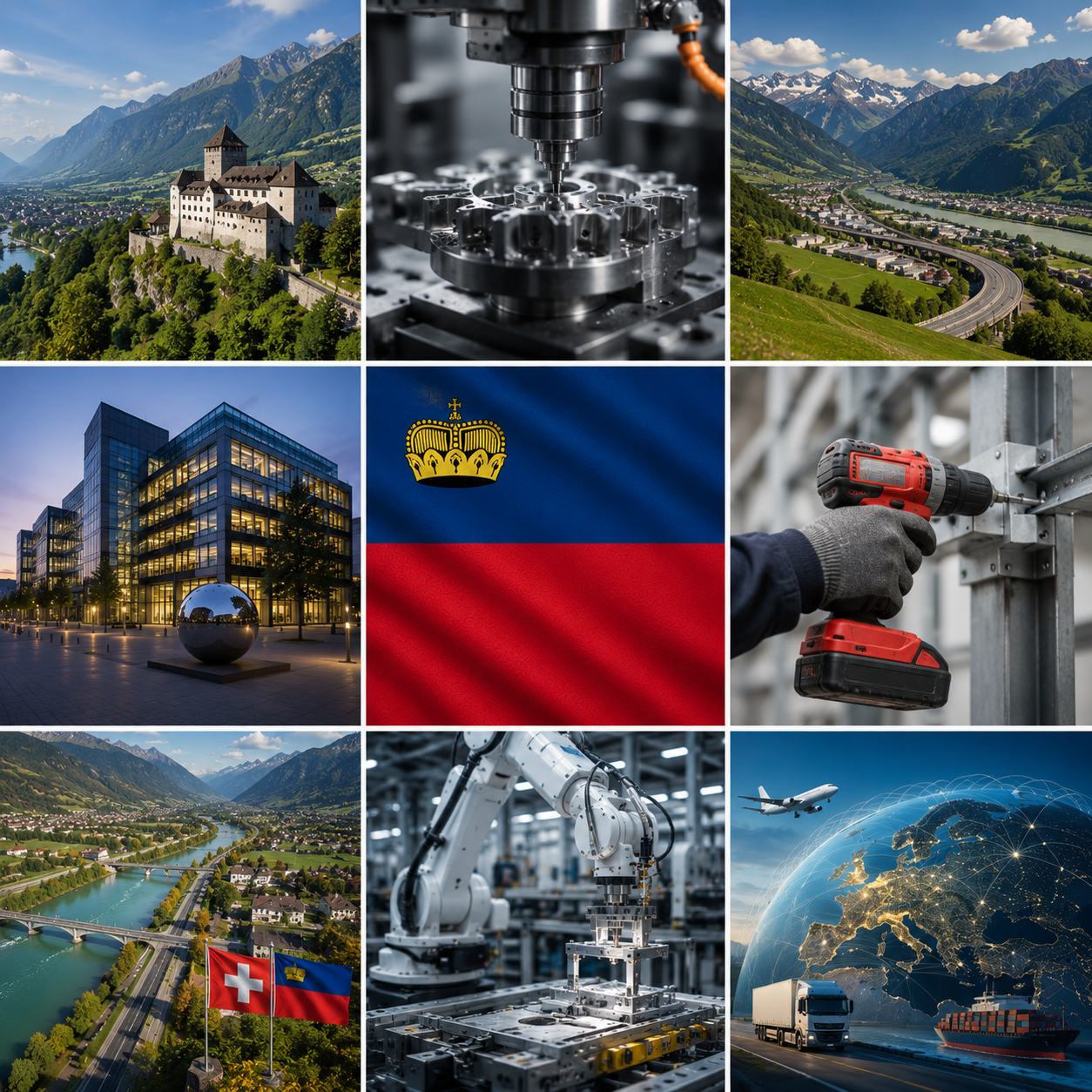
Liechtenstein is one of Europe’s smallest states, yet one of its most productive economies. Through specialization, precision engineering and global connectivity, the principality demonstrates how economic influence can emerge from density, focus and indispensability rather than scale alone.

What began as a series about eight Central European economies ultimately revealed something larger. Beneath national borders lies a dense ecosystem of infrastructure, specialization, innovation and interdependence — a networked economic architecture in which prosperity increasingly depends not on scale alone, but on becoming indispensable within larger systems.
Caption
Central Europe is emerging as one of the most dynamic and interconnected regions within the European economy, linking industry, infrastructure, innovation and trade across the continent.
Credit
Image generated for Altair Media – Economic Europe: Central Europe series.
