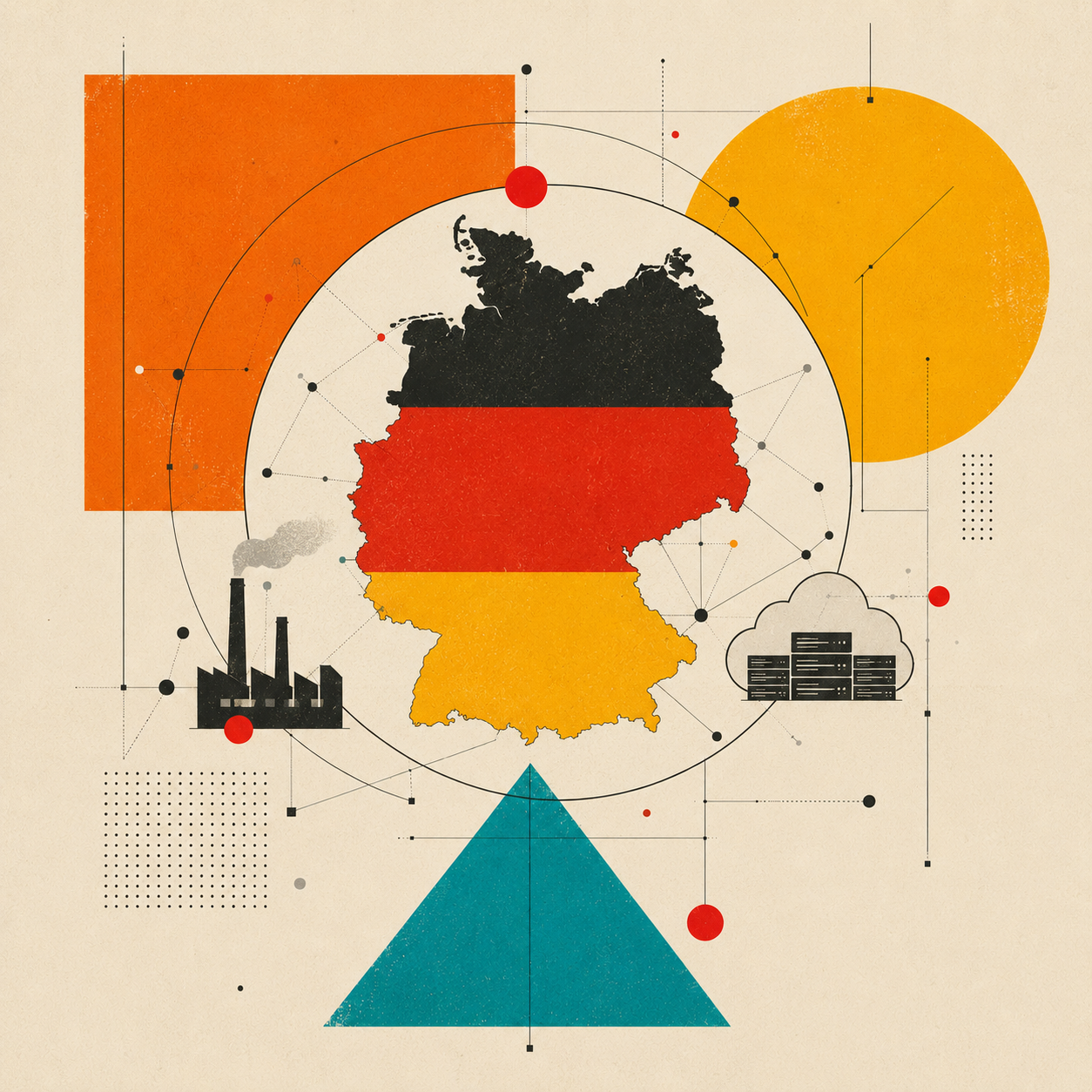
Germany remains Europe’s industrial powerhouse, but the digital systems beneath its economy are increasingly shaped elsewhere. This article explores the growing tension between industrial strength, cloud dependency and the future of European digital sovereignty.
FASE III — NATIONAL ARCHITECTURES

How Europe’s countries approach infrastructure, sovereignty and digital power
Europe’s digital future is not shaped by technology alone, but by very different national ideas about power, infrastructure and sovereignty.
This third phase of the series explores how European countries approach the next era of networks, cloud systems, industrial strategy and digital control. Because Europe is not one unified model, but a collection of very different political, economic and technological cultures.
From France’s state-driven strategic vision to Germany’s industrial infrastructure model, from Nordic engineering ecosystems to the Netherlands as Europe’s digital gateway, each country reveals a different understanding of how digital power should be organised — and who should ultimately control it.

France approaches digital infrastructure as an extension of state power itself. This article explores how Paris connects sovereignty, cloud systems, AI and telecom strategy in Europe’s emerging struggle over digital control.

Spain is becoming a strategic gateway in Europe’s digital infrastructure landscape, linking subsea cables, renewable energy and telecom networks. But as hyperscalers dominate the cloud layer, the country increasingly faces a deeper question about sovereignty, control and digital leverage.

Finland has become one of Europe’s most influential network architects through standards, research and infrastructure resilience. This article explores how a small Nordic country helps shape the protocol layer beneath Europe’s digital future.

Sweden has become one of Europe’s most strategic telecom powers through engineering excellence, trusted infrastructure and resilient network systems. This article explores how Ericsson, OpenRAN and Baltic security are reshaping Sweden’s role in the next network era.

Italy is becoming one of Europe’s most important Mediterranean data gateways as subsea cables, cloud systems and AI infrastructure converge across the region. This article explores how fragmentation, geography and strategic telecom control increasingly shape Italy’s digital future.
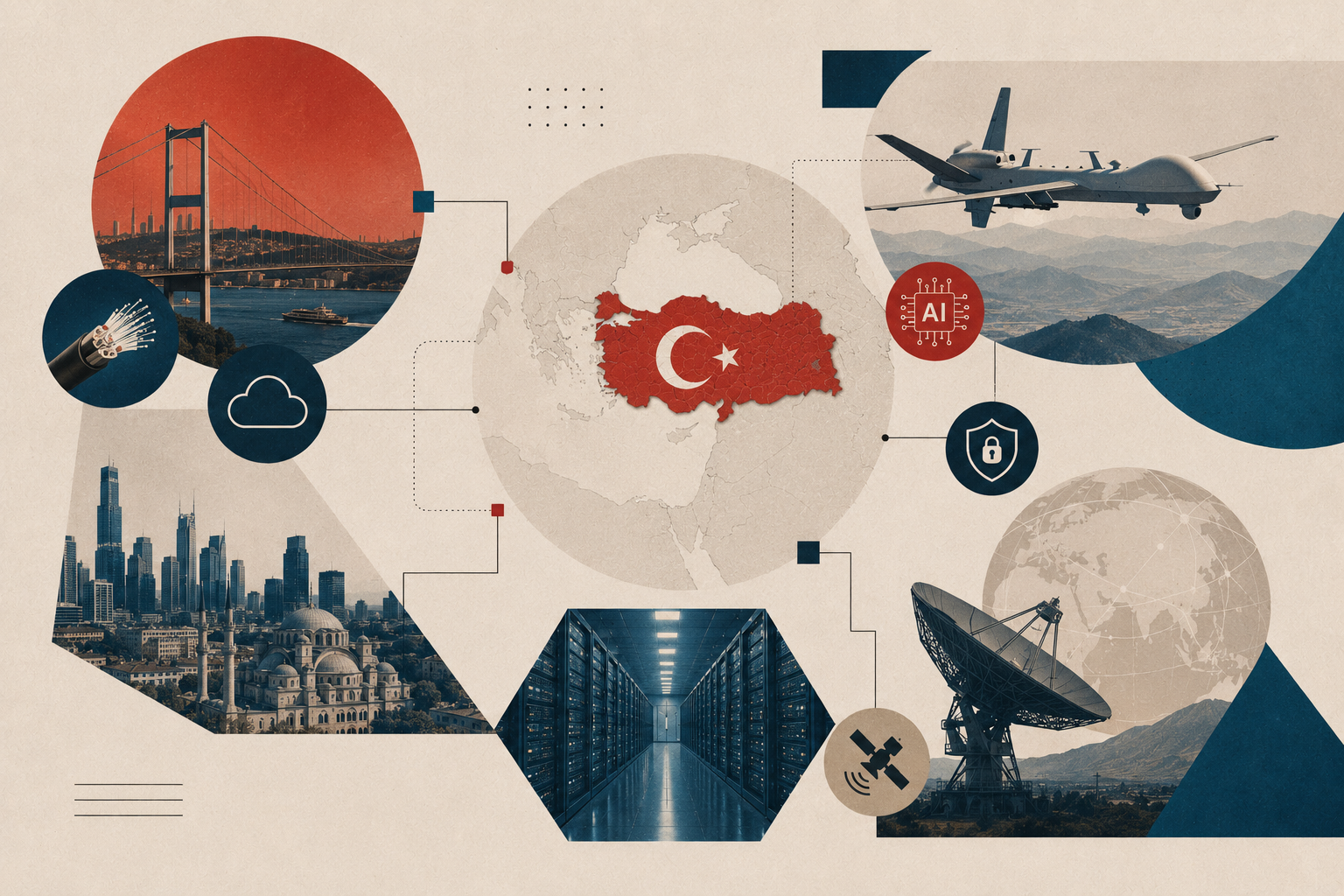
Turkey is building a sovereign infrastructure model outside the traditional European framework, combining telecom, AI, defence technology and strategic state coordination. This article explores how Ankara increasingly treats infrastructure as an integrated instrument of geopolitical power.
