Saturday, June 6, 2026
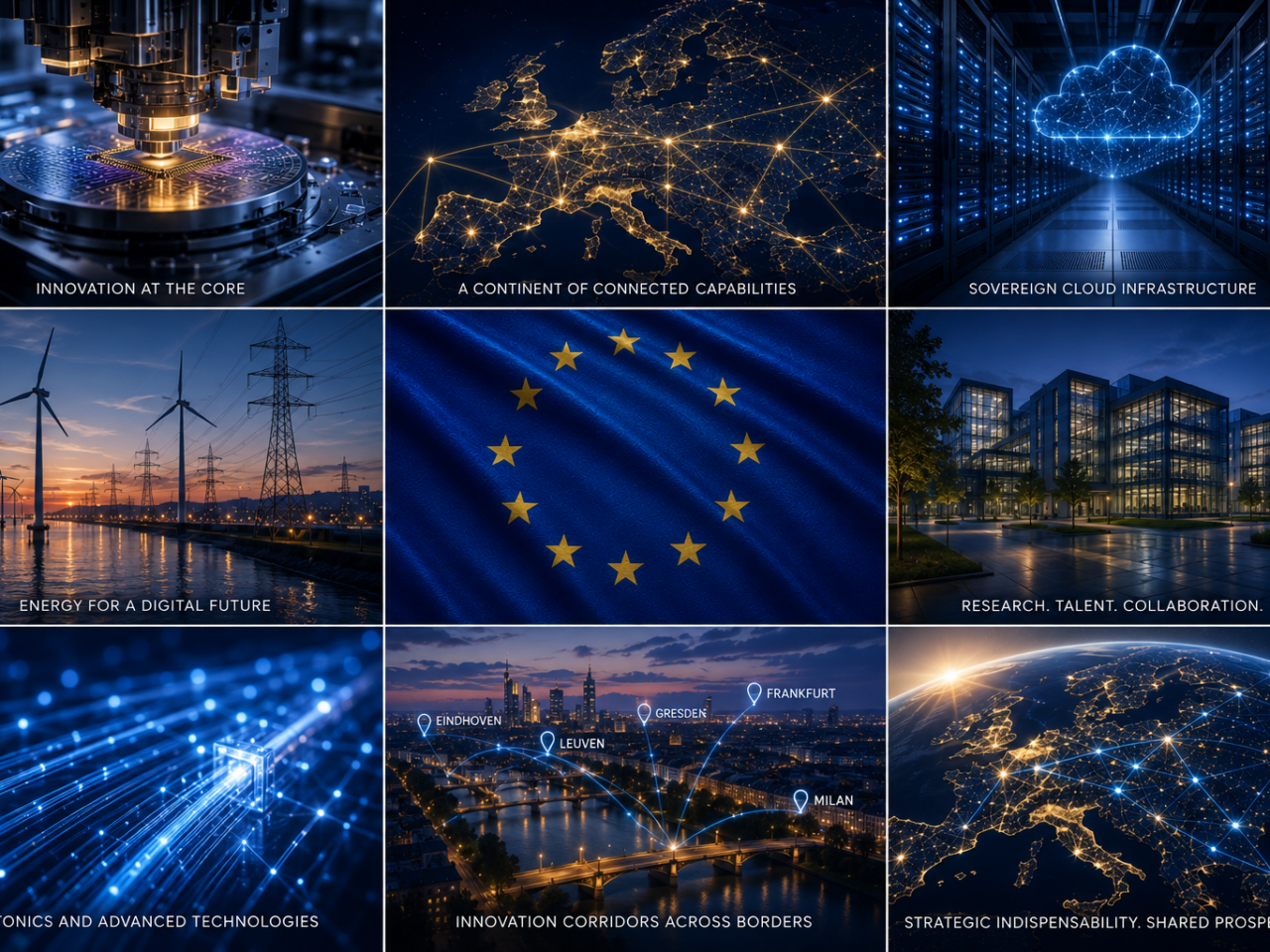
Europe’s technological future may depend less on national champions and more on networks of specialised ecosystems. From semiconductors and cloud infrastructure to energy systems and research clusters, competitiveness increasingly emerges from the connections between Europe’s most important capabilities.
Read More
Saturday, June 6, 2026

Artificial intelligence may be built with software, but it runs on electricity. As Europe expands its ambitions in AI, cloud computing and technological sovereignty, energy infrastructure is emerging as one of the most critical foundations of future competitiveness and resilience.
Read More
Friday, June 5, 2026
Cloud computing is increasingly becoming more than a commercial service. As Europe expands its ambitions in artificial intelligence and technological sovereignty, cloud infrastructure is emerging as a critical foundation for economic resilience, digital competitiveness and strategic autonomy.
Read More
Friday, June 5, 2026
The future of Europe’s semiconductor strategy may depend less on producing everything at home and more on controlling critical technologies. Chips Act 2.0 signals a shift towards technological indispensability, infrastructure resilience and long-term strategic competitiveness.
Read More
Friday, June 5, 2026
For years, Europe spoke about digital sovereignty as a long-term ambition. With the launch of the Tech Sovereignty Package and Chips Act 2.0, that ambition is beginning to take institutional form. This series explores how semiconductors, cloud infrastructure, AI and energy are becoming part of a broader European strategy to reduce critical dependencies and strengthen technological resilience.
Read More
Tuesday, May 5, 2026

As Europe seeks independence from American tech giants, institutions like De Nederlandsche Bank are making deliberate trade-offs—accepting less mature technology today in exchange for greater control tomorrow.
Read More
Tuesday, April 28, 2026
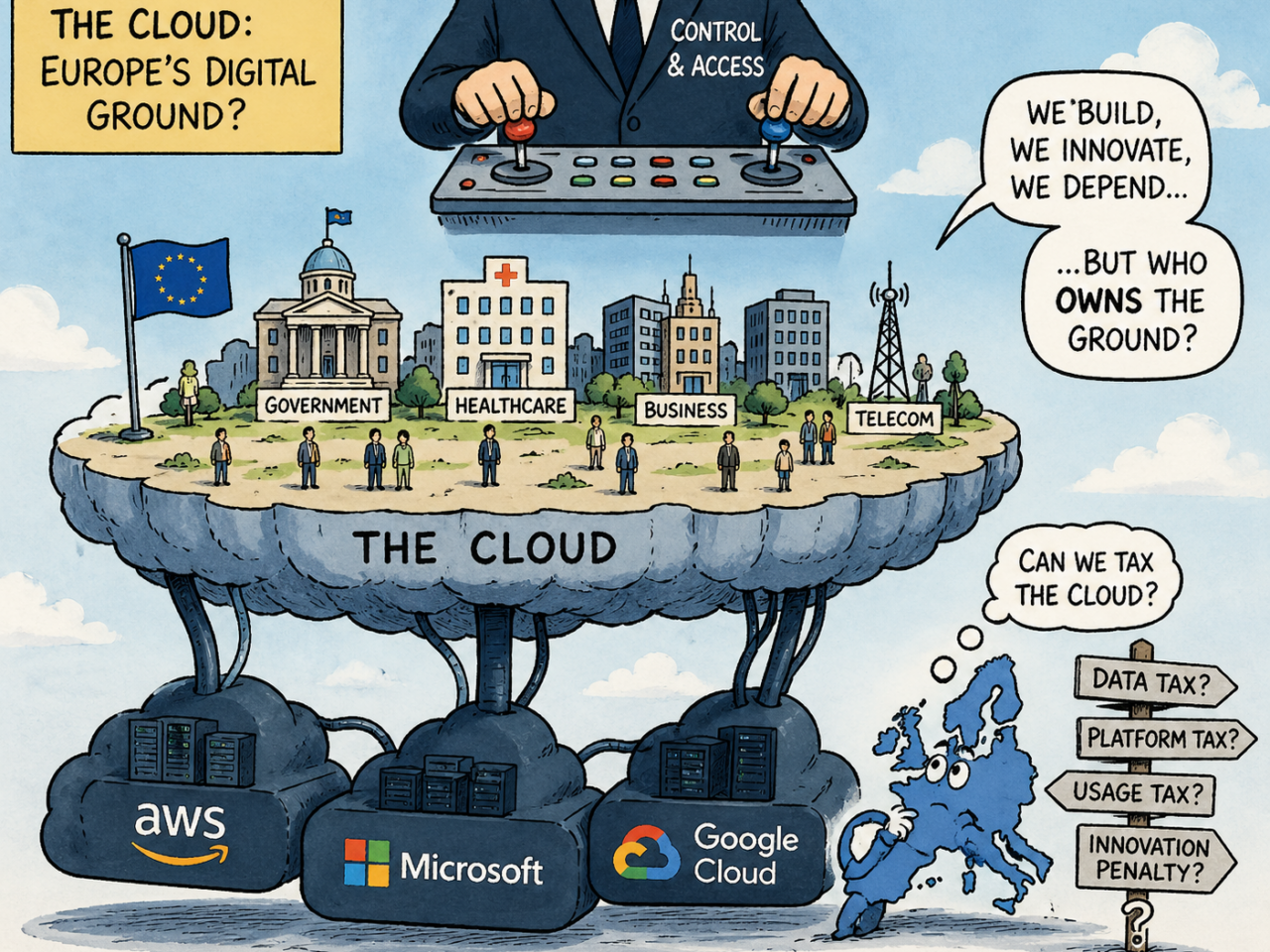
If the cloud is the new ground on which economies run, who has the right to tax it? Europe’s challenge is no longer regulating markets, but governing a system where value, control and dependency have shifted beyond infrastructure.
Read More
Tuesday, April 28, 2026
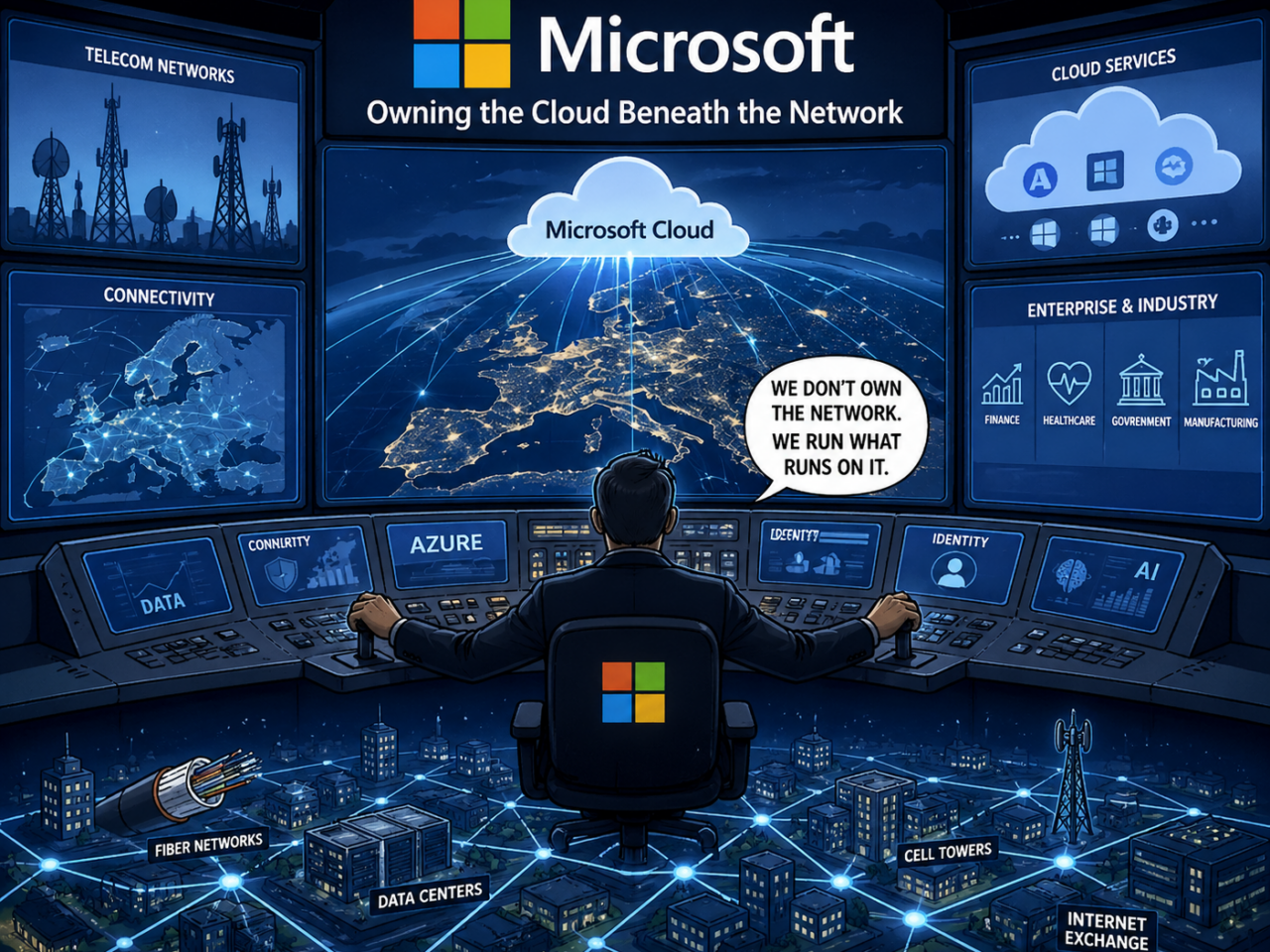
Microsoft does not own Europe’s networks—but increasingly shapes how they operate. As telecom shifts toward software and cloud-based infrastructure, control moves from hardware to platforms, raising a critical question: who governs the system behind the network?
Read More
Thursday, April 23, 2026
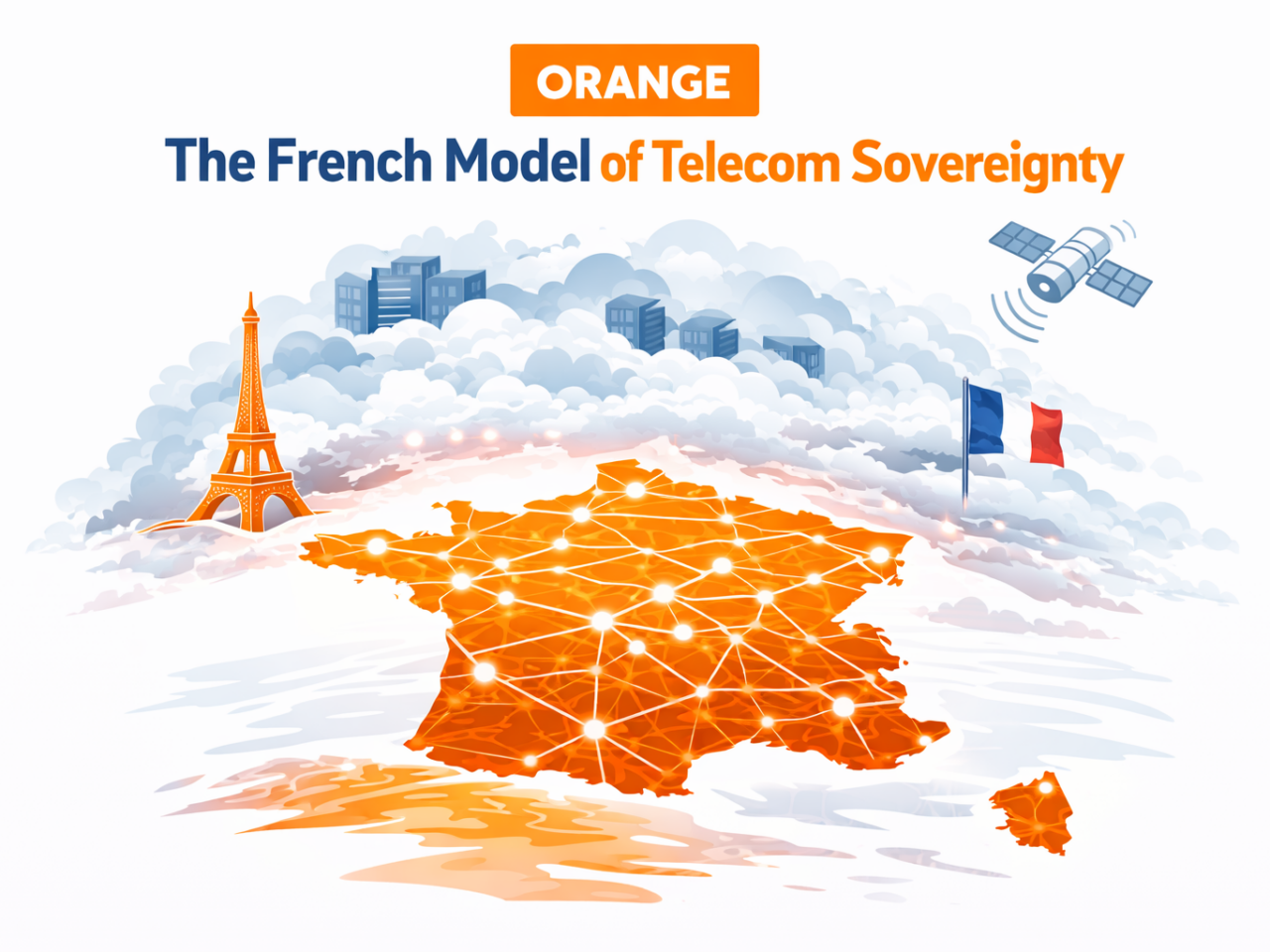
Orange represents Europe’s most explicit attempt at telecom sovereignty. But as power shifts beyond networks to cloud and platforms, the question is whether a state-aligned operator can truly control the system—or remain confined to a single layer.
Read More
Wednesday, April 22, 2026

Deutsche Telekom underpins Europe’s connectivity, but control is shifting upward. As cloud and platforms capture value, the question is whether scale in networks still translates into power—or whether the backbone risks becoming a utility in someone else’s system.
Read More

 Available here: