Elon Musk Buys ASML?

Why some companies may have become too important to acquire
What if Elon Musk decided he wanted to buy ASML? At first glance, the question sounds implausible. ASML is one of Europe’s most valuable technology companies and occupies a unique position at the heart of the global semiconductor industry.
Yet in purely financial terms, the question is not entirely unreasonable. Given the sheer scale of modern global capital markets, a sufficiently orchestrated consortium could theoretically assemble the resources required to launch a bid.
The more interesting question is not whether the money could be found. The question is whether ASML has become something that money alone can no longer buy. Because ASML may represent a new category of company: a private enterprise that has evolved into strategic infrastructure.
Read MoreThe Coalition Behind Europe’s Technology Future
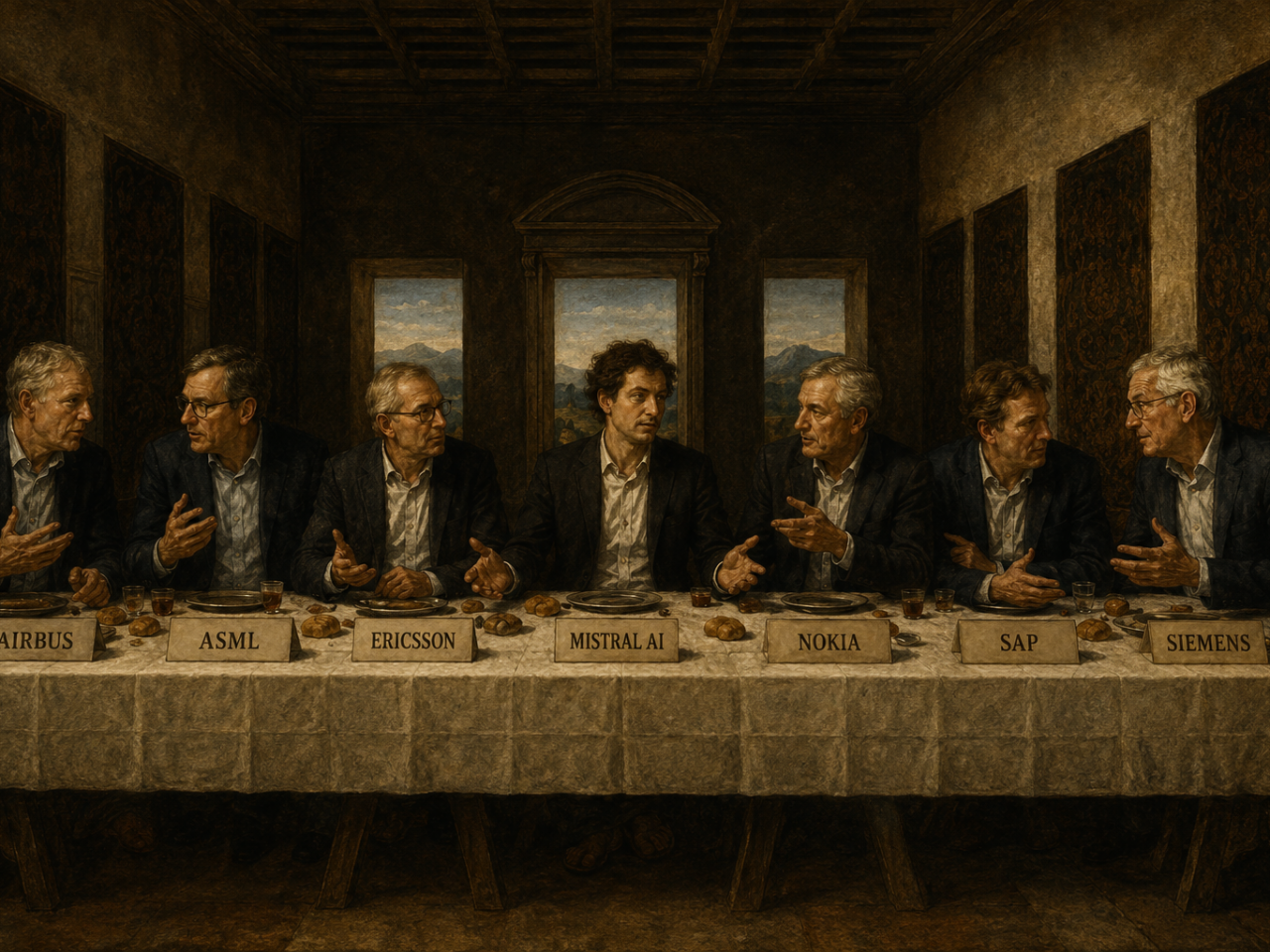
Why the joint statement from seven European technology leaders may have been less about regulation and more about coordination
When seven European technology leaders issued a joint call for action in May 2026, much of the public discussion focused on regulation. Headlines emphasized concerns about competitiveness, compliance burdens and Europe’s ability to keep pace with the United States and China.
Those concerns were certainly present. Yet a closer reading of the statement — and an examination of the companies behind it — suggests a different interpretation.
The most significant message may not have been about regulation at all. It may have been about coordination.
Read MoreEurope’s New Technology Geography
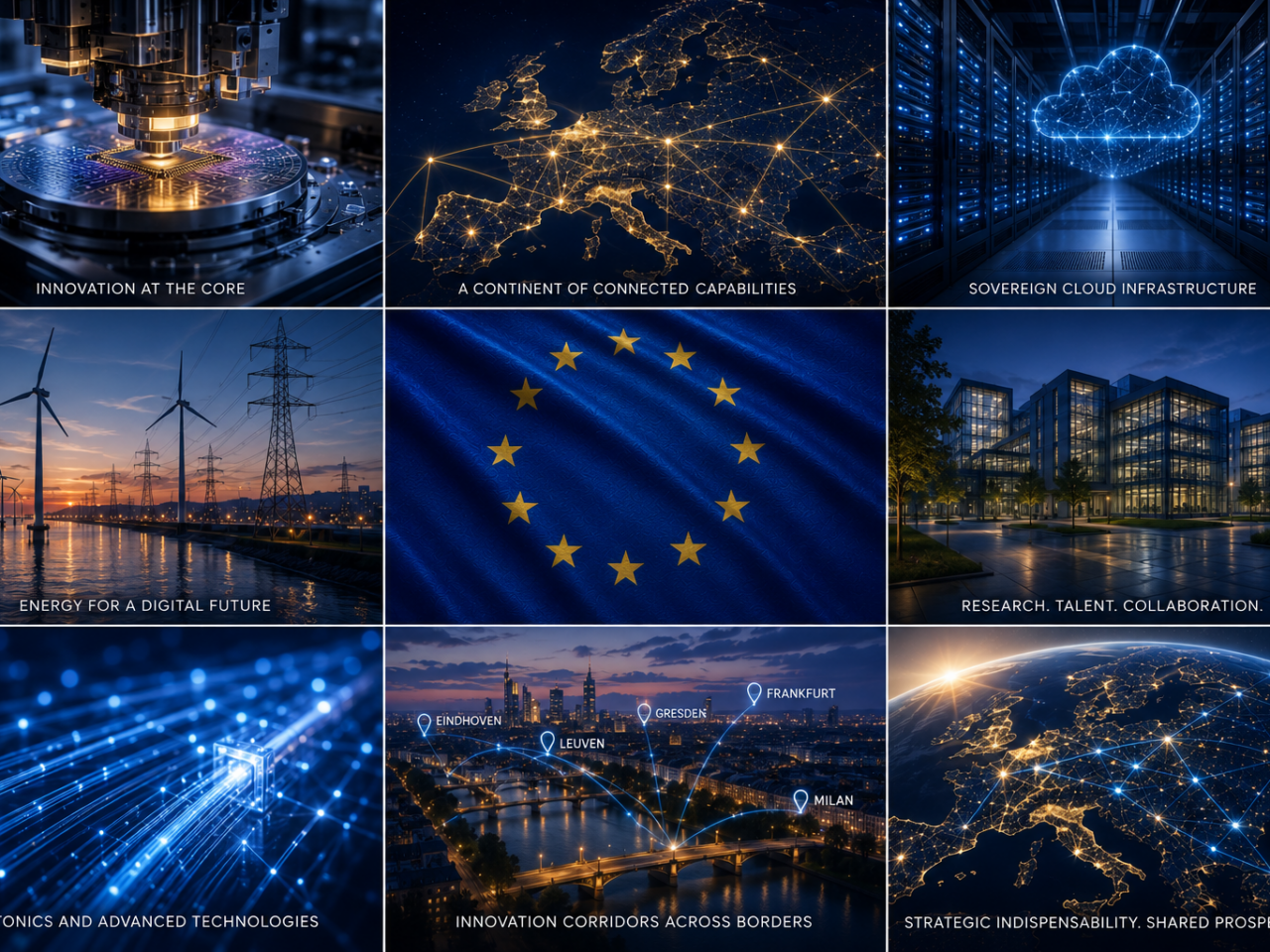
Why Europe’s future competitiveness may depend on networks of specialised ecosystems rather than national champions
For decades, discussions about economic competitiveness often revolved around nations. Countries competed against countries. Industrial strategies were designed at the national level. Economic success was frequently measured through national champions, national industries and national policies.
Yet the geography of technological innovation increasingly tells a different story.
Many of Europe’s most important technological capabilities are not concentrated within individual countries. They are distributed across a network of highly specialised regions, research institutions and industrial clusters.
As Europe seeks to strengthen its position in semiconductors, artificial intelligence, cloud infrastructure and advanced manufacturing, the challenge may no longer be how to create national champions.
The challenge may be how to connect ecosystems.
Europe’s technological future may depend less on scale and more on coordination.
Read More
