Europe’s Sovereignty Moment
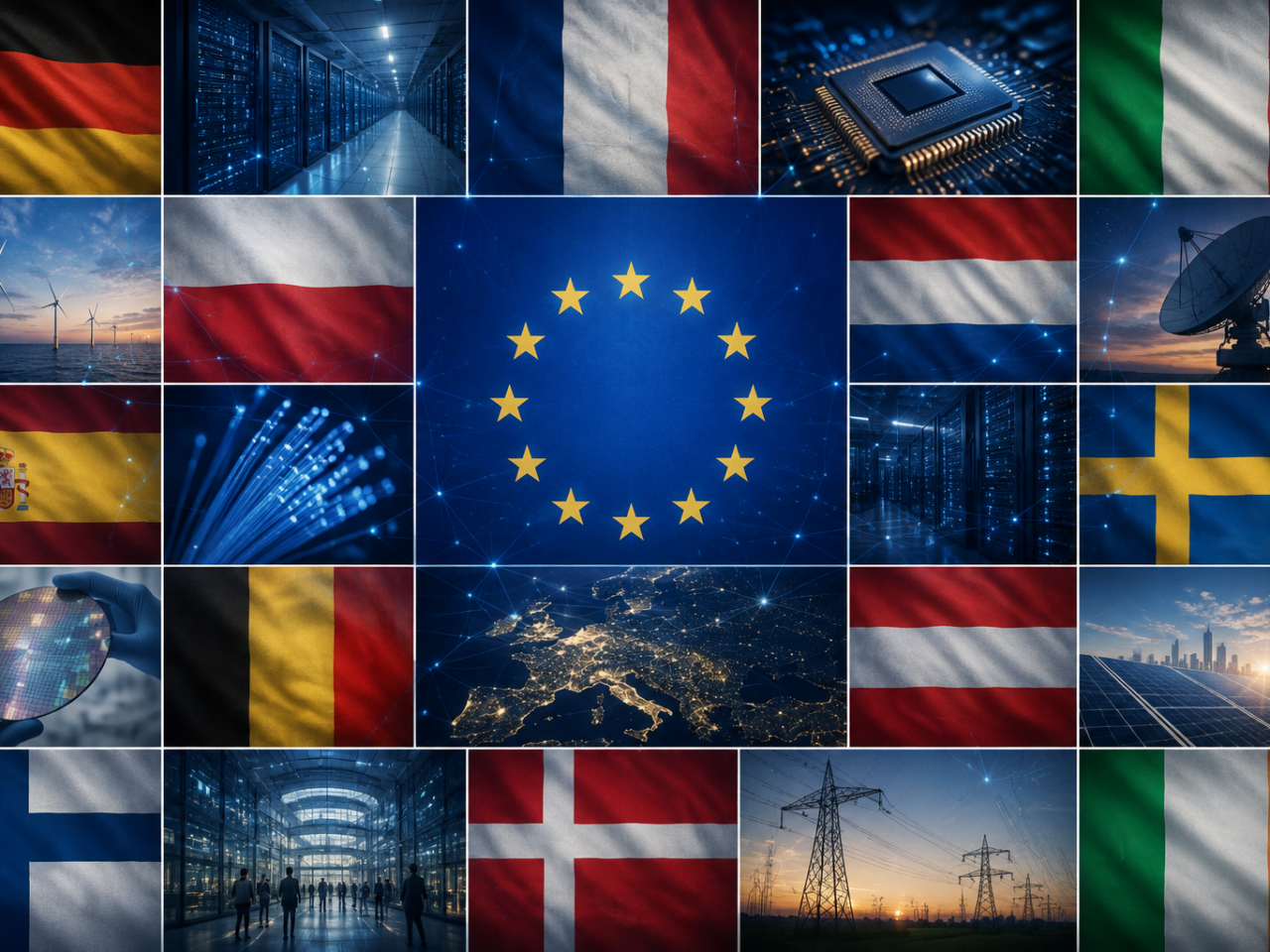
Chips, Cloud, AI and the Infrastructure of Independence
For years, European policymakers spoke about digital sovereignty, strategic autonomy and technological independence. Yet much of that discussion remained largely conceptual. The presentation of the Tech Sovereignty Package on 3 June 2026 may mark the moment when those ambitions began to take concrete form.
At the heart of the package are the renewed Chips Act 2.0, new cloud and AI initiatives, support for advanced technologies such as photonics and quantum computing, and a growing recognition that digital infrastructure has become a strategic asset. The objective is not to isolate Europe from the global economy, but to reduce critical dependencies in an increasingly uncertain geopolitical environment.
What makes this shift particularly significant is that Europe appears to be moving beyond the traditional idea that competitiveness is primarily a matter of scale. Instead, the focus is increasingly on resilience, control over key technologies, and the development of specialised ecosystems that can secure Europe’s position in critical sectors.
This series explores the strategic logic behind that transformation. From semiconductors and cloud infrastructure to energy systems and innovation clusters, the articles examine how Europe is attempting to build the foundations of technological sovereignty — and what that may mean for the continent’s economic future.
Read MoreEconomic Europe — Beyond Borders

What Central Europe reveals about infrastructure, interdependence and the future of European prosperity
Beyond Nations, Toward Networks
When this series began, the objective appeared relatively straightforward. To explore the economic realities of Central Europe through the experiences of eight very different countries. Germany. Poland. Czechia. Slovakia. Austria. Hungary. Switzerland. Liechtenstein.
At first glance, these countries seem to have little in common. Some belong to the European Union. Others do not. Some use the euro. Others maintain their own currencies. Some are industrial giants. Others are among the smallest states in Europe.
Yet as the series unfolded, a different picture gradually emerged. The deeper one looks, the harder it becomes to view these economies as separate national entities.
Factories depend on suppliers across borders. Infrastructure corridors connect distant regions. Universities collaborate through international research networks. Capital flows between financial centres and industrial hubs. Supply chains stretch across multiple countries before a single product reaches the market.
What appears on a map as a collection of independent states increasingly functions as a dense economic ecosystem. The story of Central Europe is therefore not simply a story about countries. It is a story about connections.
Read MoreThe Black Box Bank
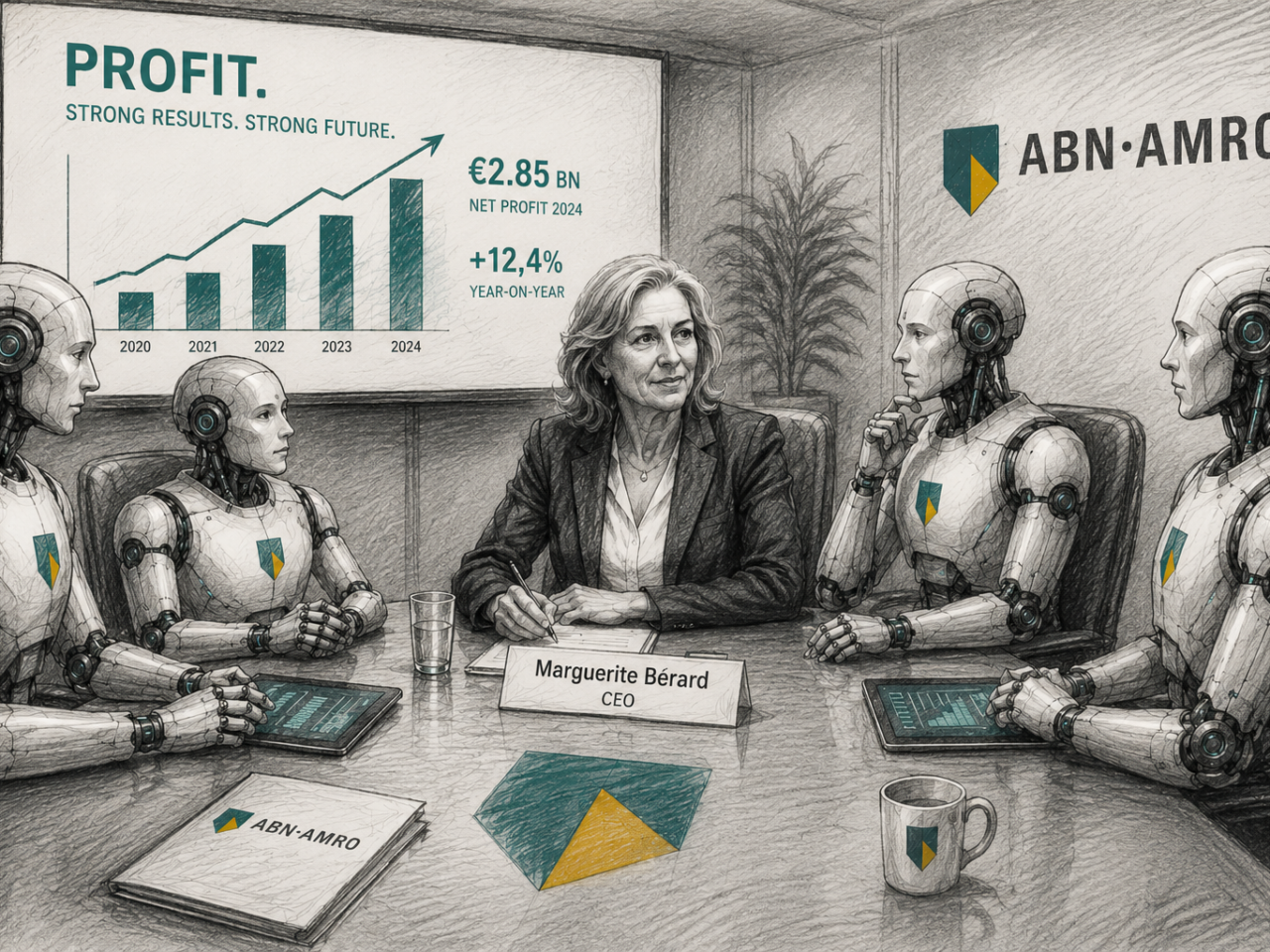
Banks Are Becoming Smarter, Faster and More Profitable. But Who Remains Responsible?
For generations, banks were among the most visible institutions in society. Customers walked into local branches. Financial decisions involved conversations. Problems could be discussed with employees who understood local communities and individual circumstances. Banking was not always fast or efficient, but it was visible. People generally understood where decisions were made and who was responsible for them. Today that visibility is gradually disappearing.
Across the financial sector, banks are rapidly adopting artificial intelligence, automation and algorithmic decision-making. Payments happen instantly. Fraud detection is increasingly automated. Customer interactions are shifting towards digital channels. Internal processes are increasingly supported by AI systems.
In itself, none of this is surprising. Technology has always transformed banking. What is striking, however, is how little public discussion exists about what may be lost in the process.
Recent statements from ABN AMRO offer an interesting glimpse into this transformation. The bank has publicly highlighted that approximately 85 percent of its employees are now using AI tools in their work, while simultaneously reporting strong financial results and continued efficiency gains.
For investors, this sounds like a success story. Higher productivity. Lower costs.Stronger profitability. Yet the announcement also raises a broader question that extends far beyond a single institution.
If banks increasingly communicate their progress in artificial intelligence, why do we hear comparatively little about how these technologies affect transparency, accountability and their duty of care towards society?
Read More