Leiden University – Tradition and Knowledge Production
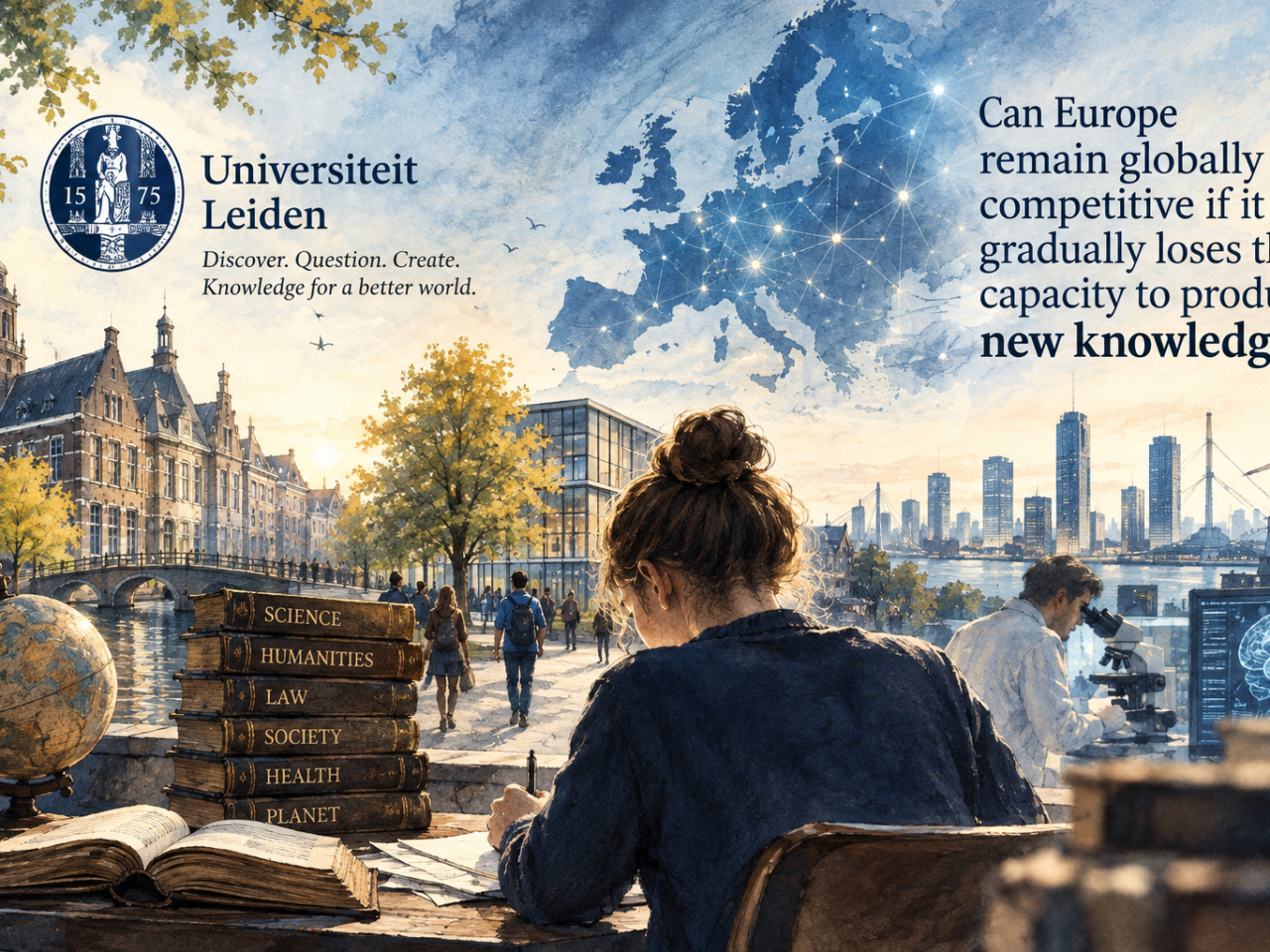
Why Universities Still Shape the Future of Knowledge
Modern societies increasingly depend upon knowledge. Scientific discovery drives healthcare, technological innovation strengthens economies and evidence informs public policy. Yet while knowledge has become one of the world’s most valuable resources, surprisingly little attention is paid to where new knowledge actually originates.
Artificial intelligence can retrieve information within seconds, while digital platforms distribute knowledge almost instantly. Neither, however, creates the scientific foundations upon which future discoveries depend. That remains the work of research universities.
Reliable knowledge is rarely created at speed. It is built through curiosity, criticism and scientific rigour.
Few institutions illustrate this role more clearly than Leiden University. For nearly five centuries it has contributed not only to education, but also to the continuous production of knowledge that shapes science, society and public life.
Read MoreWho Designs Europe’s Industrial Future?
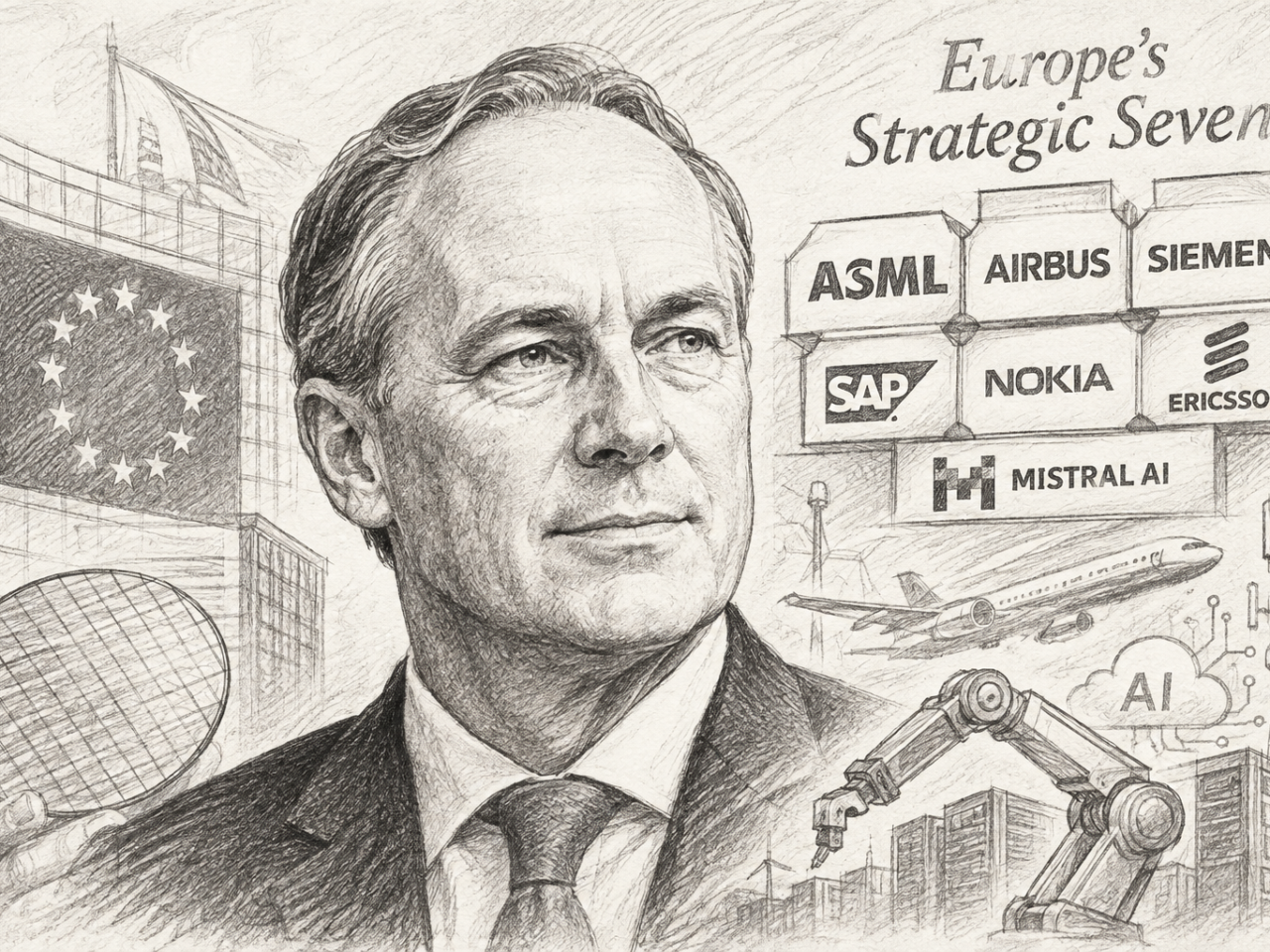
The Strategic Seven and Europe’s Search for a New Industrial Governance
For decades, Europe has exercised global influence in a distinctive way. Rather than building industrial champions through state direction, it built markets through regulation. Competition law, the Single Market and later the General Data Protection Regulation (GDPR), the Digital Markets Act (DMA), the Digital Services Act (DSA) and the AI Act demonstrated Europe’s ability to shape global technology by writing the rules.
This regulatory approach became known as the Brussels Effect: Europe’s capacity to influence global markets not through economic scale alone, but through the power of its legal framework. Today, however, Europe faces a different challenge.
Writing the rules is no longer enough. Artificial intelligence, semiconductor manufacturing, quantum technologies and advanced industrial systems require physical infrastructure, long-term investment and coordinated industrial capabilities. That reality is beginning to reshape Europe’s relationship with its own industries.
The Strategic Seven are not simply asking Europe to regulate the future. They are asking Europe to help build it.
The European Commission has brought together the leaders of seven of Europe’s most influential technology companies—ASML, Airbus, Siemens, SAP, Nokia, Ericsson and Mistral AI—while appointing Siemens Chairman Jim Hagemann Snabe as Special Envoy for Industrial Artificial Intelligence.
Taken separately, these appear to be ordinary policy announcements. Taken together, they suggest something far more significant. Europe is quietly experimenting with a new model of industrial governance.
Read MoreUniversity of Twente – High Tech Human Touch
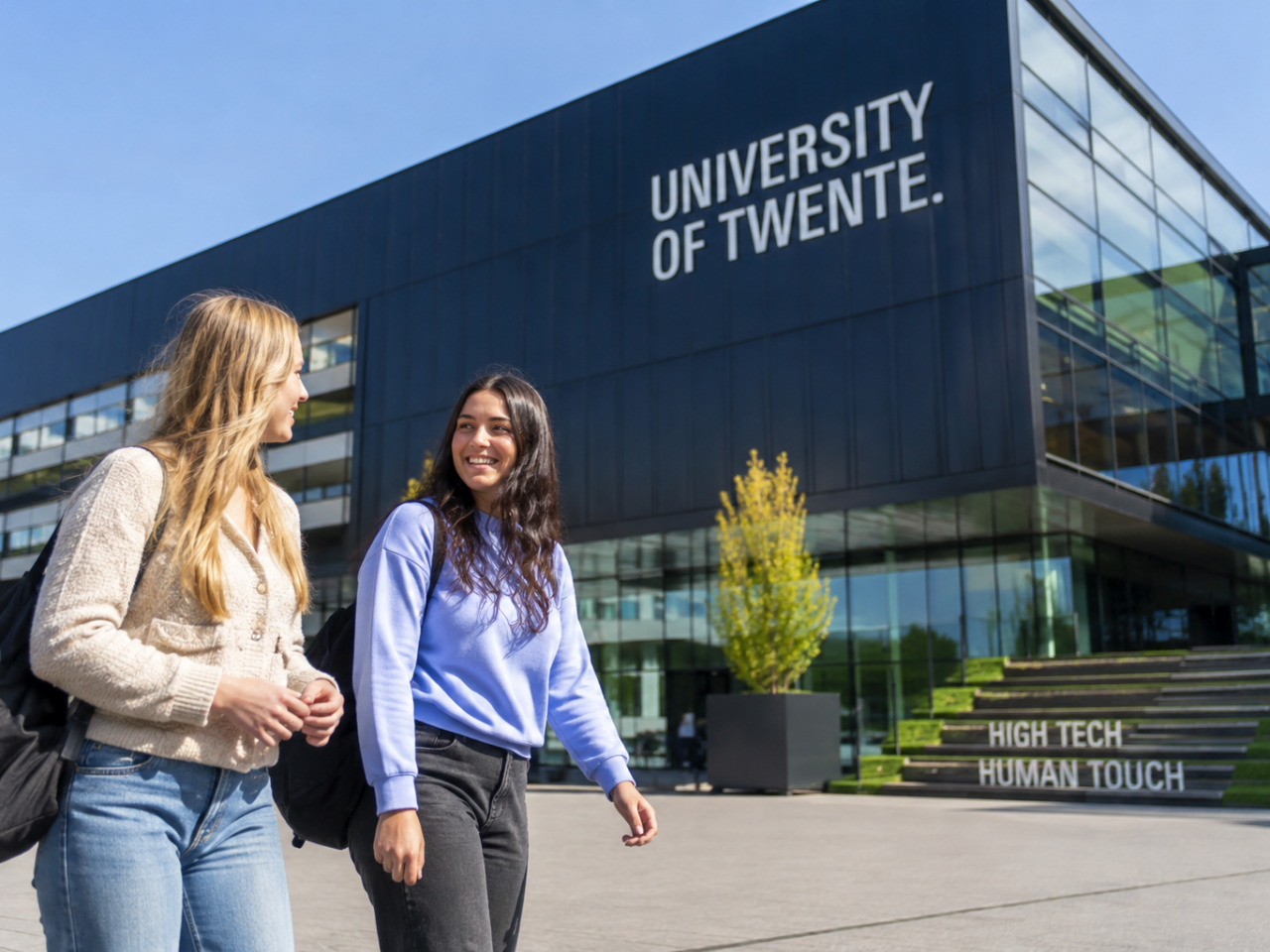
Can Smaller Universities Become Strategic Assets?
Europe often associates technological leadership with scale. Larger universities, bigger research budgets and more laboratories are frequently presented as the foundations of innovation. Yet innovation does not always follow size. Sometimes it follows focus. Sometimes it follows integration.
The University of Twente illustrates this alternative. Although considerably smaller than TU Delft, it has developed a distinctive position by combining engineering, entrepreneurship and the social sciences within a single institutional culture. Its contribution therefore raises a broader question.
Innovation is not always a function of scale. Sometimes it is a function of integration.
Can smaller universities become strategic assets precisely because they remain agile enough to connect disciplines, people and ideas?
Read More