Europe’s Satellite Ambition Starts With Spectrum
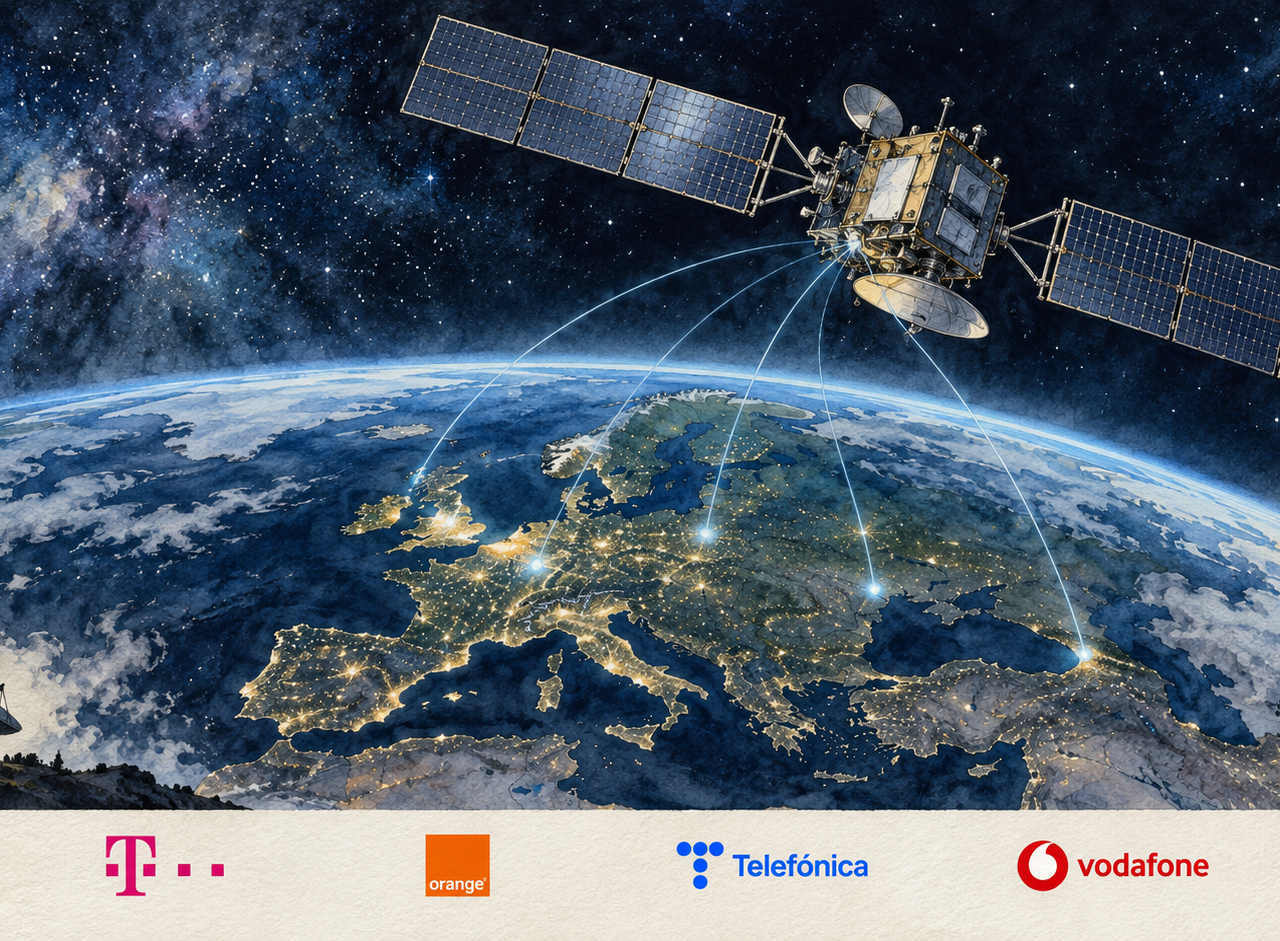
Four telecom groups seek European control over connectivity. The satellite dependency remains unresolved.
Deutsche Telekom, Orange, Telefónica and Vodafone are exploring a joint bid for European mobile satellite spectrum. The initiative could extend coverage and strengthen Europe’s negotiating position in direct-to-device connectivity. But the operators plan to establish key ground infrastructure while sourcing satellites from a separate partner—leaving unresolved where operational control will ultimately sit.
Spectrum rights could strengthen Europe’s position. Turning those rights into reliable, accessible services requires a broader agreement on capacity, competition and control.
Read MoreEurope’s AI Sovereignty Runs on Nvidia
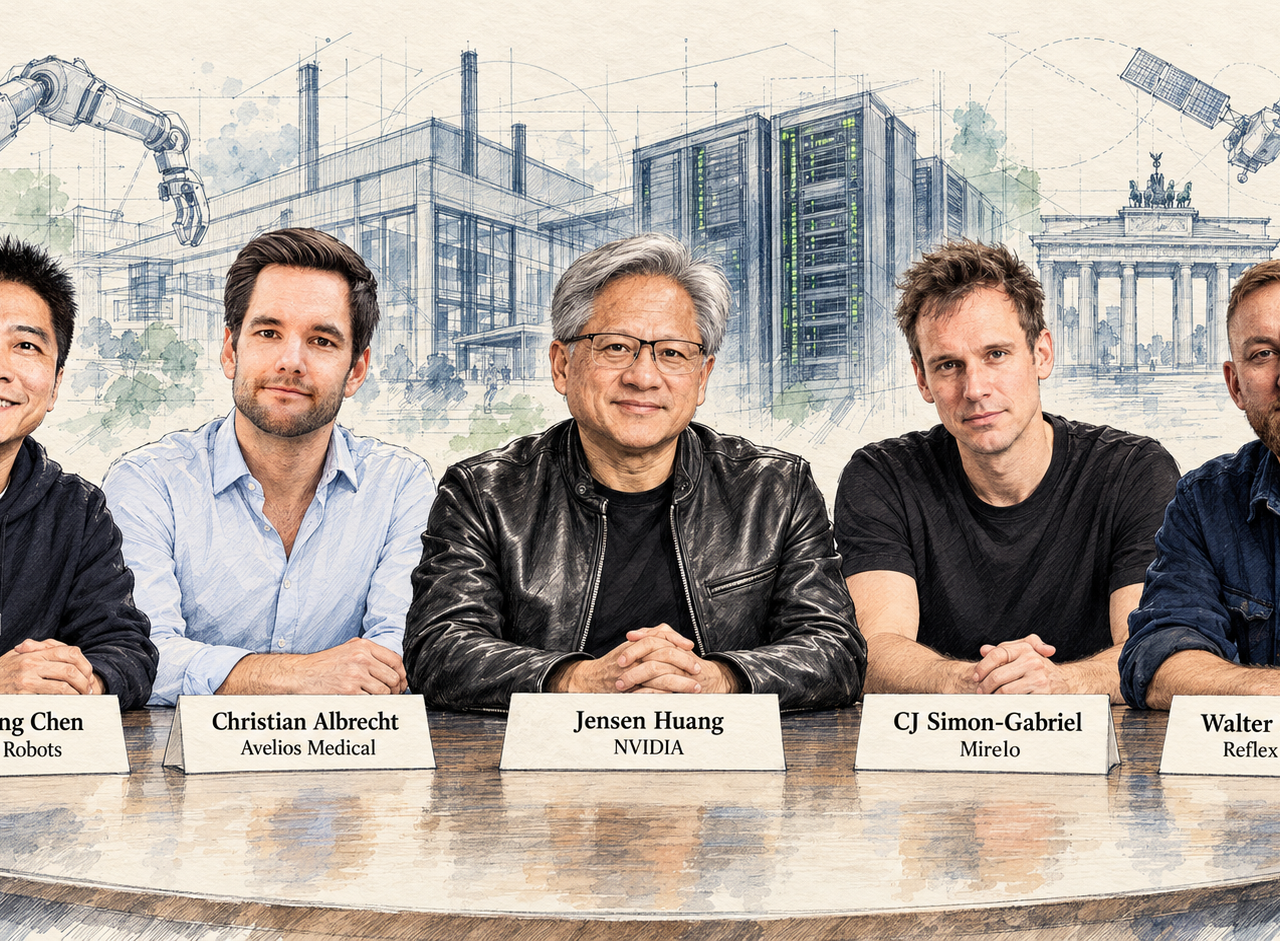
German startup investments sharpen the tension between industrial strength and technological dependence.
Nvidia’s planned investments in four German startups put a sharper question behind Europe’s industrial AI ambitions: who controls the foundations of future growth? Announced alongside a German government partnership on physical AI, the investments could strengthen European companies while deepening their reliance on an American supplier of computing infrastructure, development tools and models.
The strategic test extends beyond where companies are headquartered. It concerns their ability to develop, operate and change technology on their own terms.
Read MoreSiemens’ Factory AI Reveals Europe’s Industrial Opportunity
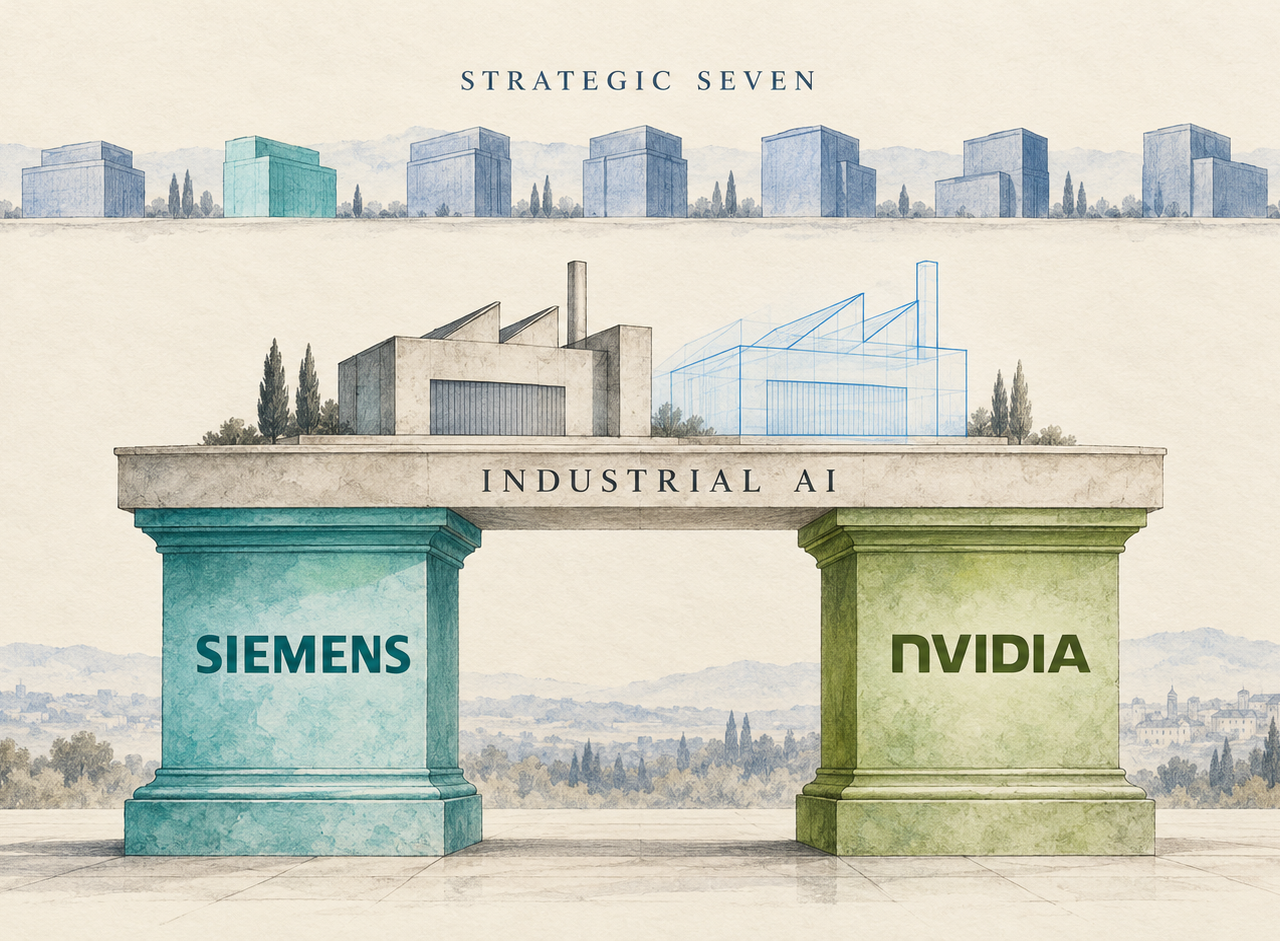
New applications with Nvidia give the Strategic Seven a concrete opening: turning domain engineering into industrial software that works beyond the first factory.
On 19 October, Siemens unveiled new industrial AI applications developed with Nvidia at its electronics factory in Erlangen. They connect production planning, quality inspection and digital twins. The announcement gives Europe’s Strategic Seven a concrete reference point: how established industrial capabilities could become practical AI solutions for customers across sectors and international markets.
For Altair Media’s industrial AI roadmap, the challenge is now sharper: repeatable delivery beyond a showcase factory.
Read MoreSociety & Culture
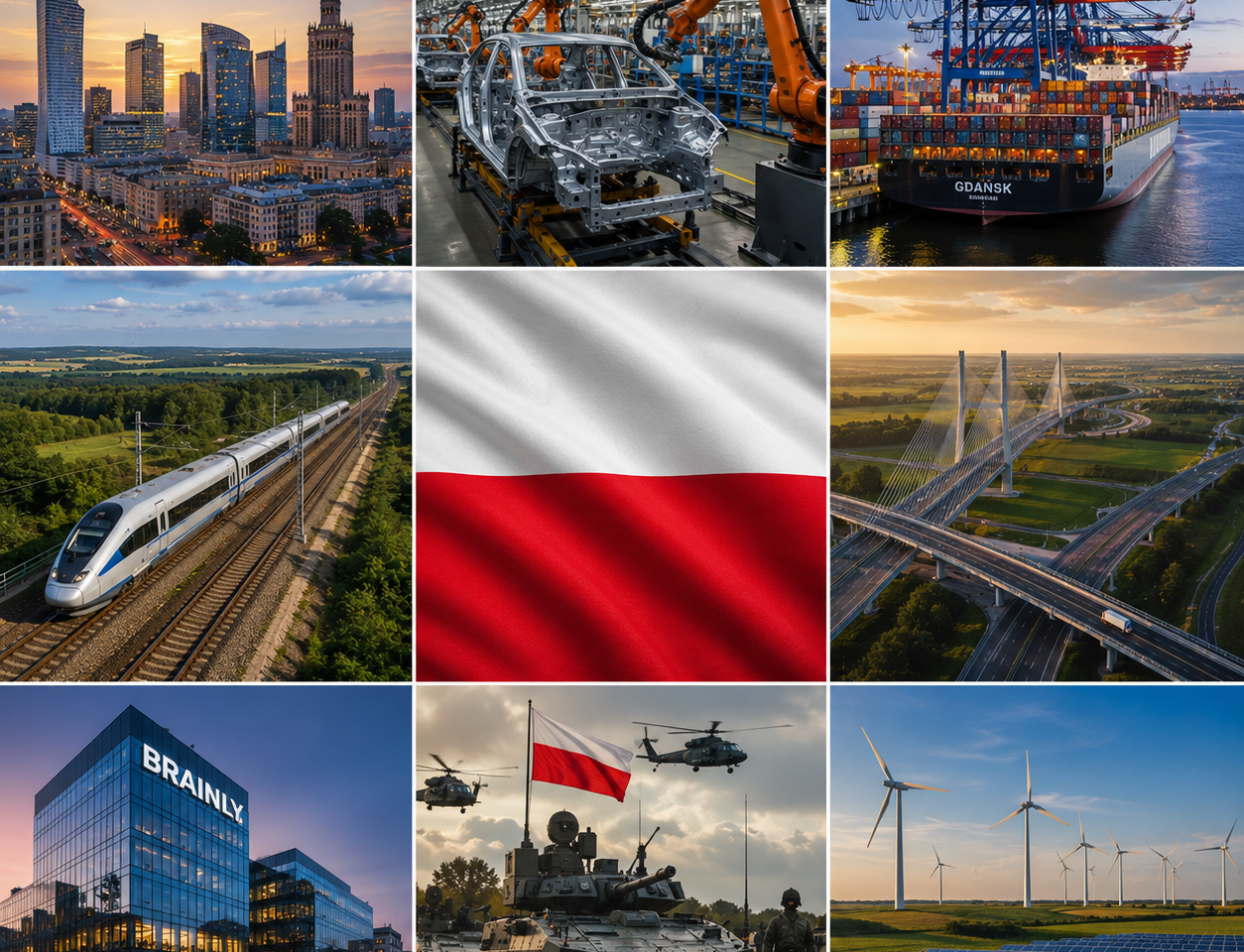
Poland and Europe’s Rising Economic Frontier
Wednesday, June 3, 2026
Poland has evolved from Europe’s economic frontier into one of its most dynamic industrial, logistics and technology hubs. As infrastructure, investment and strategic importance continue growing, the country is increasingly reshaping the geography of economic power within Europe.
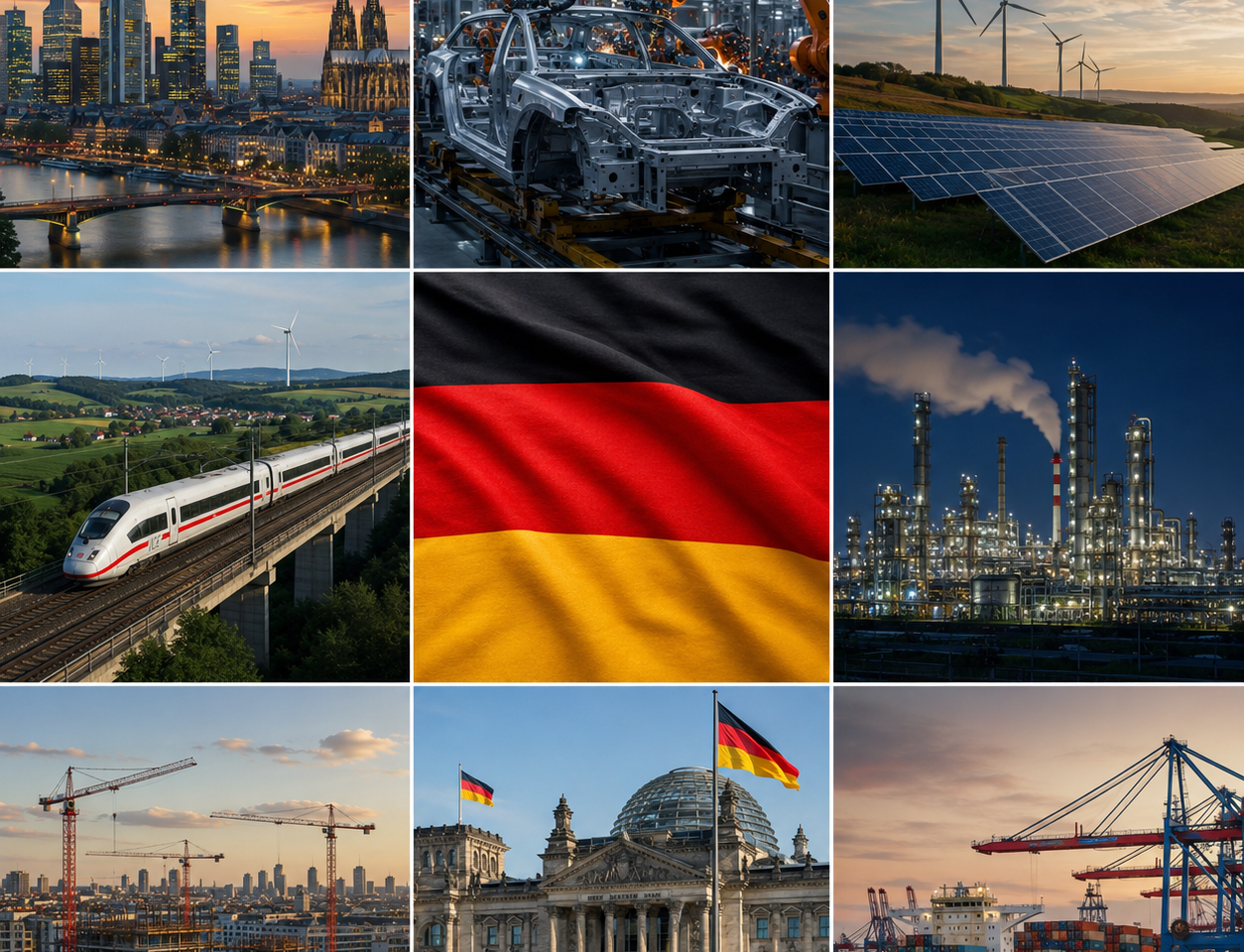
Germany and the Industrial Heart of Europe
Wednesday, June 3, 2026
Germany remains Europe’s industrial powerhouse, yet demographic decline, energy transition and global competition are reshaping the foundations of its economic model. As the anchor of Central Europe’s manufacturing ecosystem, Germany offers a glimpse into the future challenges facing the continent.

Why Libraries Are Becoming Social Infrastructure Again
Sunday, May 31, 2026
As digital life increasingly moves through platforms and algorithms, modern libraries are quietly transforming into social infrastructure: public environments where concentration, learning and human presence remain physically possible.

The Mall After E-Commerce
Monday, May 25, 2026
As e-commerce optimized retail around speed and efficiency, physical shopping centres began transforming into something else entirely: social environments where experience, presence and urban life increasingly matter as much as consumption itself.
