ALTAIR REFLECTION | THE BALTIC PHOTONICS CORRIDOR
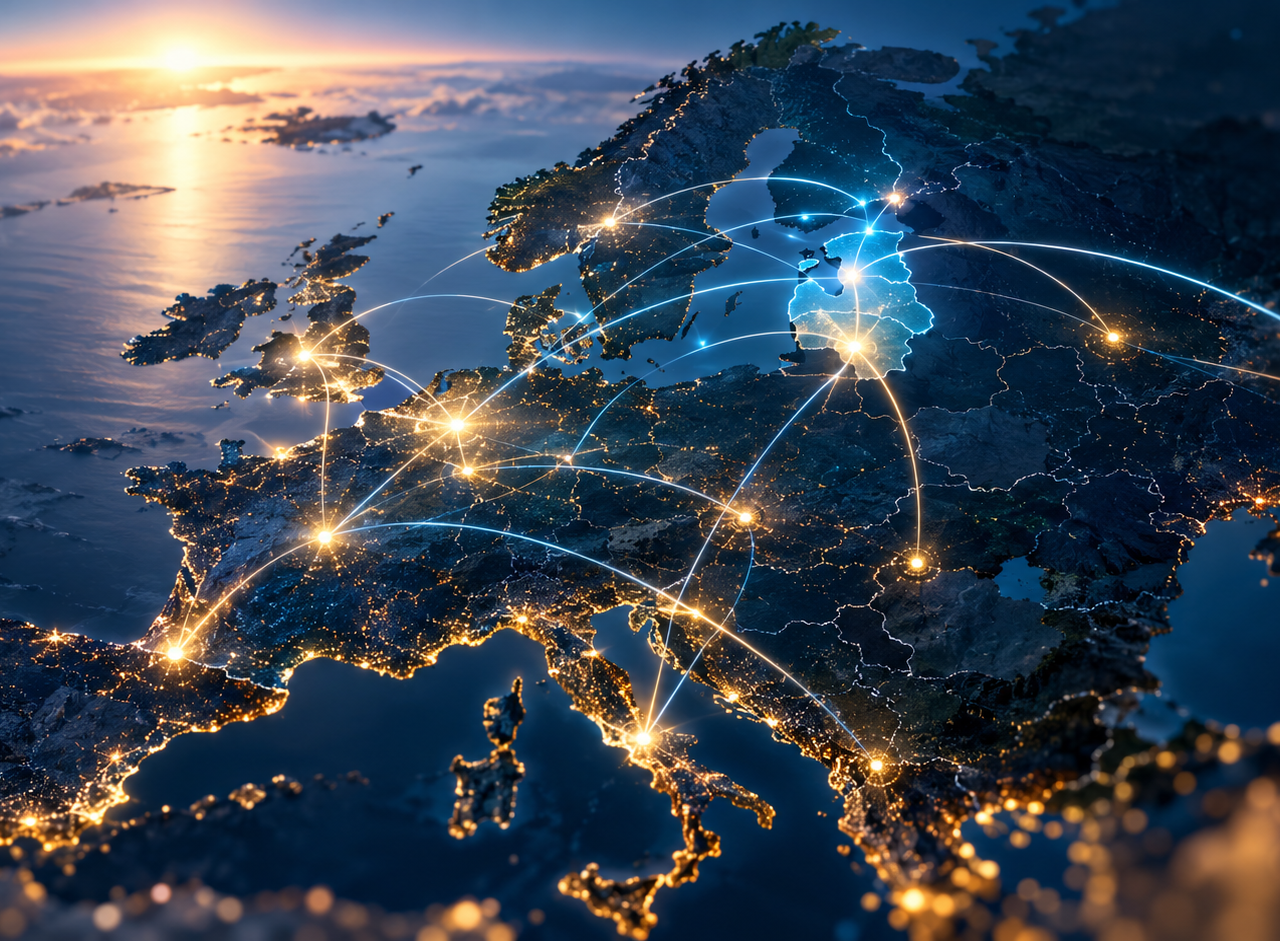
What the Baltic States reveal about the next challenge for European industrial strategy
Europe’s Innovation Ecosystems Are Strong. But Are They Connected?
When I began exploring the photonics industry in the Baltic States, I expected to discover a relatively small but specialised European technology ecosystem. Three Signals later, a much larger question had emerged: how effectively does Europe connect its scientific and industrial strengths?
Estonia, Latvia and Lithuania together have roughly six million inhabitants, less than one-third of the population of the Netherlands. Yet their technological relevance extends far beyond their domestic markets.
Lithuania has developed an internationally recognised ultrafast laser industry. Latvia contributes expertise in optical materials, photonics and semiconductor-related research. Estonia brings strengths in digital engineering, software and technological entrepreneurship.
Their significance comes not from industrial scale, but from specialised capabilities within international value chains.
The Baltic photonics corridor reflects a broader European reality: technological excellence is distributed across regions rather than concentrated in one dominant centre.
Read MoreEurope’s AI Growth Needs Room for Its Next Breakthrough

Nvidia’s investments test Europe’s ability to scale companies while keeping markets open
Europe’s call for greater technological ambition, echoed at the Europa Power Conference in Strasbourg, meets a practical dilemma in Nvidia’s planned investment in Doctolib. Foreign capital can accelerate European growth. It can also reinforce the infrastructure around which that growth develops, raising the cost for future innovators seeking to offer a different technological path.
The policy test has four parts: welcome investment, retain meaningful choice, develop competing technologies and judge them against real operating requirements.
Read MoreWhich Companies Should Europe’s Scaleup Fund Back?
Commercial merit, strategic capability and the test of public participation
The Scaleup Europe Fund sits between commercial returns and European industrial strategy. Its investments therefore face a question beyond whether a company can succeed: what does the fund enable that would otherwise be smaller, slower or less anchored in Europe? Early investments such as EUCLYD make that test concrete, without yet settling the answer.
Six questions connect investment selection with the additional capital, strategic capability and European influence the fund should deliver.
Read MoreSociety & Culture

Hungary and Europe’s Strategic Crossroads
Thursday, June 4, 2026
Hungary has become one of Europe’s most strategically positioned economies, connecting German industry, Asian investment and the continent’s battery transition. Its economic trajectory offers a glimpse into the increasingly complex relationship between industrial competitiveness, technological sovereignty and geopolitical strategy.

Austria and the Quiet Power of Central Europe
Thursday, June 4, 2026
Austria occupies a unique position within Central Europe. Through infrastructure, finance, engineering and regional connectivity, the country functions as a critical coordination hub linking Western Europe with the industrial economies of Central and South-Eastern Europe.

Slovakia and Europe’s Automotive Dependence
Thursday, June 4, 2026
Slovakia has become one of the world’s most specialized automotive economies. As electric mobility, software and battery technologies reshape the industry, the country faces a defining challenge: transforming industrial dependence into long-term economic resilience.
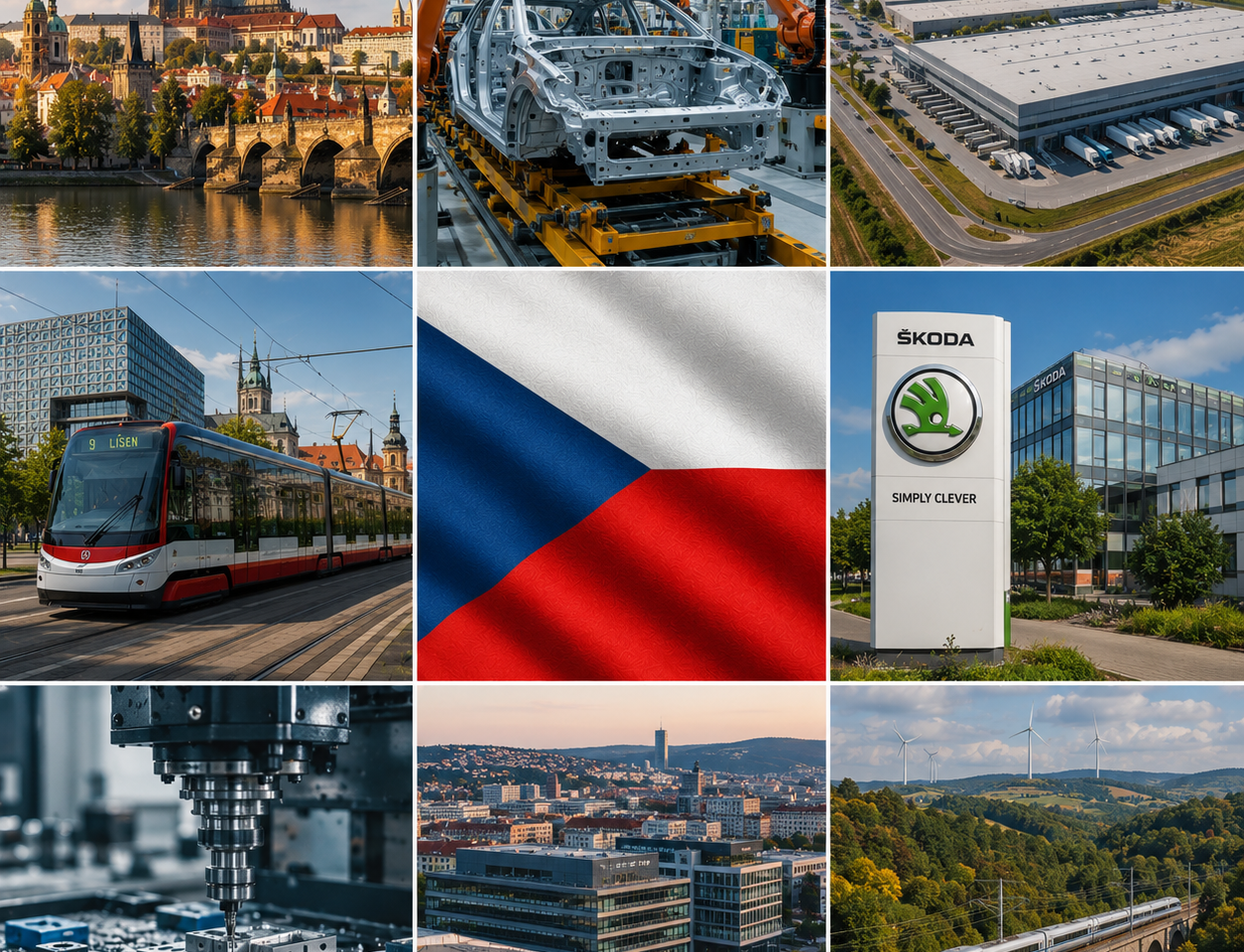
Czech Republic and Europe’s Manufacturing Machine
Wednesday, June 3, 2026
The Czech Republic has become one of Europe’s most specialized industrial economies. As automotive manufacturing enters a period of technological transformation, the country faces a new challenge: adapting decades of manufacturing success to the industries of the future.
