A Larger Europe Needs a Different Decision-Making System
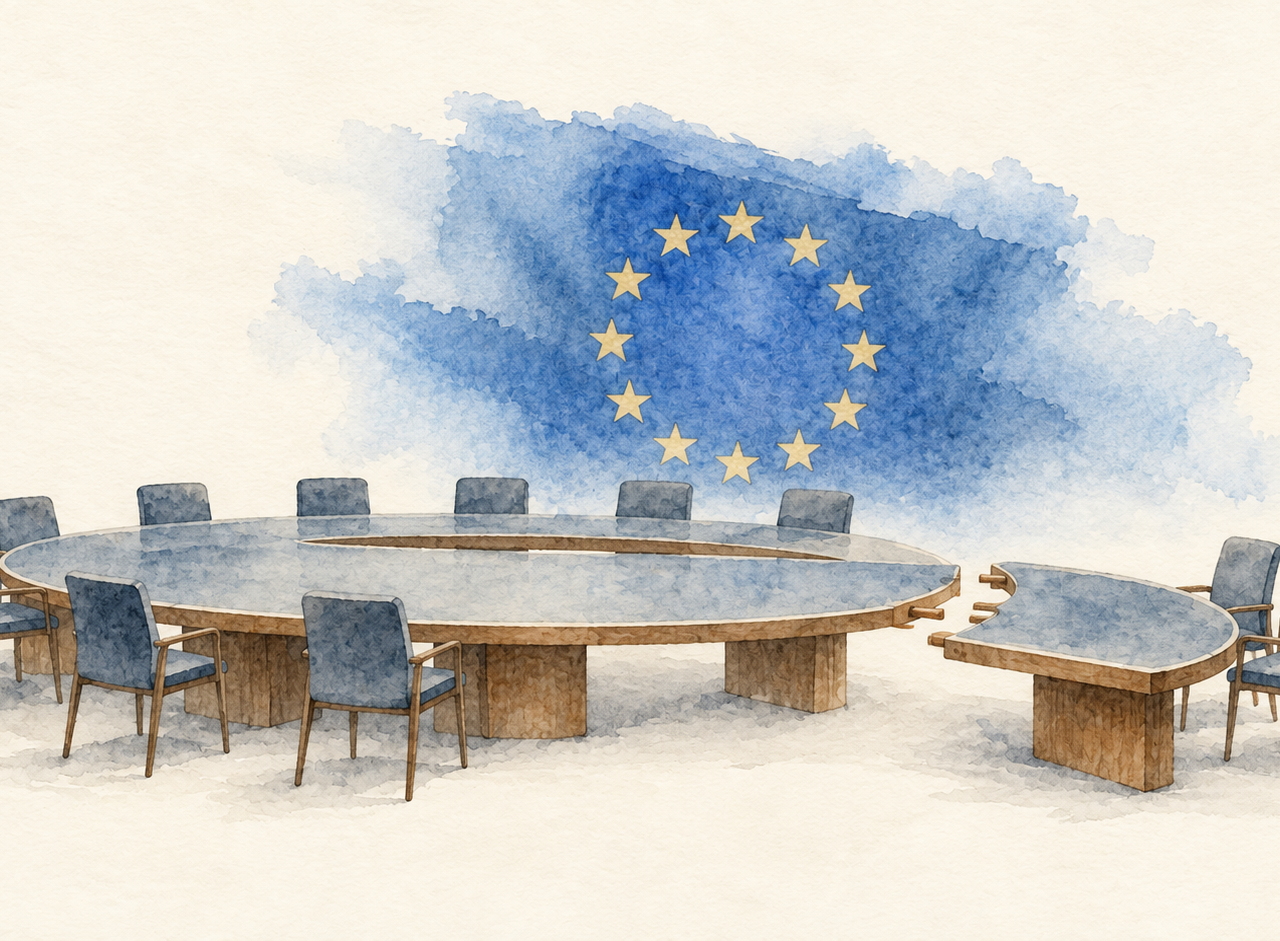
Candidate countries must prepare for membership. The European Union must prepare to govern.
Europe’s enlargement agenda requires reform on both sides of the negotiating table. Candidates must build institutions capable of applying European law. Existing members must prepare to make decisions, distribute resources and enforce obligations within a larger Union.
The Commission’s proposals of 6 October address that connection. At their October summit, EU leaders likewise called for candidate reforms alongside internal changes to the Union. The political commitment now needs an operational answer: how will a larger Europe remain governable?
Read MoreWhen the Opposition Helps Write the Budget

The Dutch minority cabinet is giving other parties a voice in its plans. Can it turn their influence into a governing majority?
The Netherlands’ 2027 budget is being shaped beyond the three governing parties. Progressief Nederland (PRO) and Volt have welcomed changes to social security, employers and unions have resumed talks with the cabinet, and discussions with JA21 continue. These are signs of movement. None yet amounts to an agreement on the full budget and Tax Plan.
That makes the current negotiations a test of how a minority government works. Five questions reveal what the parties are building, and where the process could still come apart.
Read MoreMediahuis and the price of understanding Europe
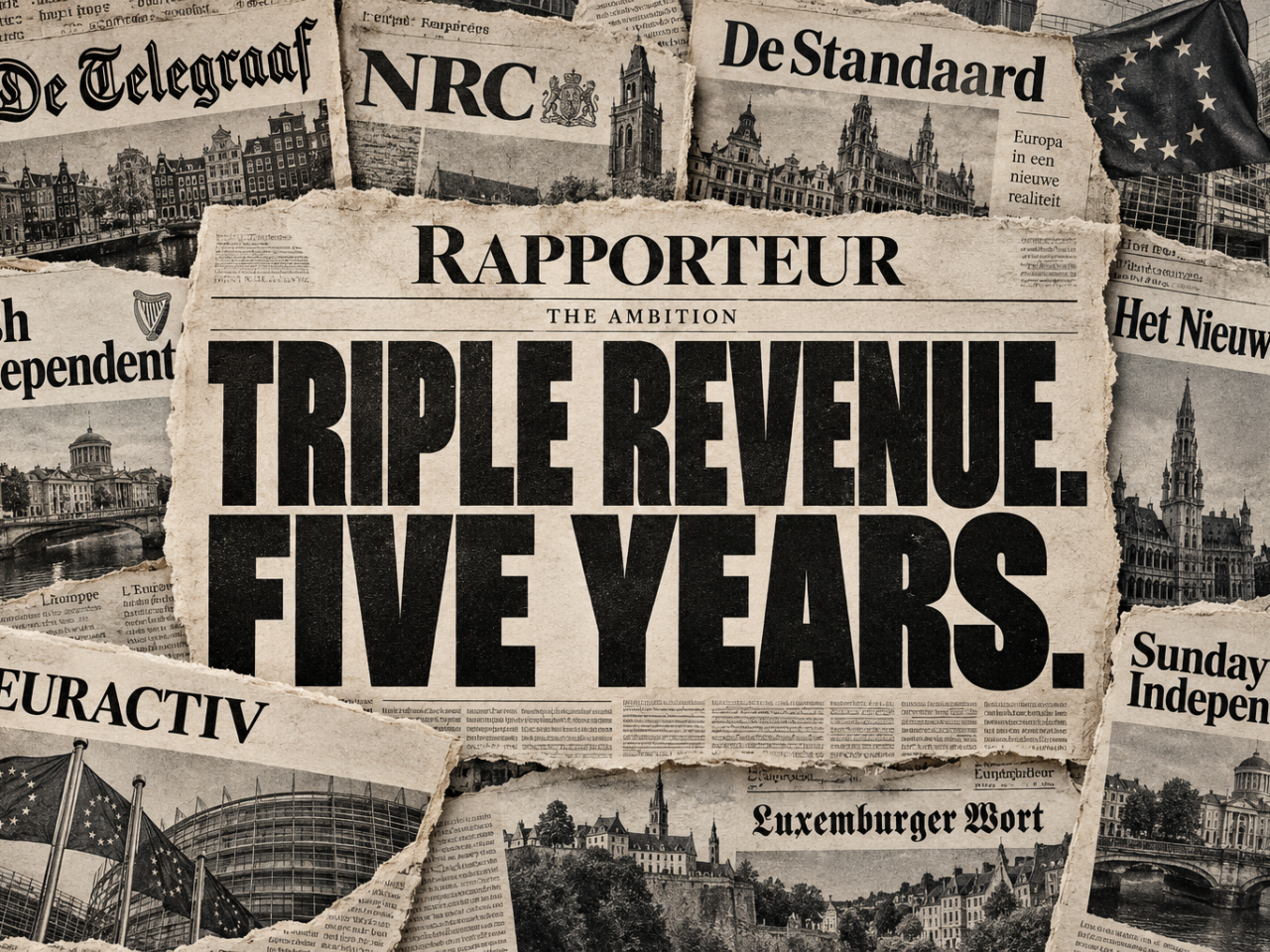
Euractiv’s relaunch as Rapporteur sharpens a European publisher’s ambitions in policy intelligence—and the tension between commercial value and public understanding.
On 29 September 2026, Euractiv became Rapporteur. Acquired by Mediahuis in 2023, the Brussels outlet is positioning itself around specialist reporting and European decision-making. The change highlights a commercial opportunity: serving organisations that need to understand policy before it affects their interests. It also raises a harder question: who will be able to afford that understanding?
Mediahuis already owns major national newspapers across several European markets. Rapporteur tests whether that publishing base can support a different business: journalism embedded in professional decisions.
Read MoreSociety & Culture

Economic Europe — Can Unequal Economies Sustain One Shared Future?
Wednesday, May 20, 2026
Europe shares a market, a currency and interconnected infrastructures, yet profound regional inequalities continue shaping opportunity, stability and social cohesion. Economic Europe examines how housing, infrastructure, labour and demographics increasingly influence the future resilience of the European project.

🇦🇩 Portrait of a European — Andorra
Wednesday, May 20, 2026
Andorra survives through geography, tourism and strategic adaptation between Spain and France. This portrait explores how mountain identity, economic openness and small-state pragmatism shape everyday life, revealing a society balancing sovereignty, tourism dependency and local continuity inside interconnected Europe.

🇱🇮 Portrait of a European — Liechtenstein
Wednesday, May 20, 2026
Liechtenstein demonstrates how small states can remain globally competitive through stability, specialised industry and strong institutional trust. This portrait explores how precision manufacturing, financial integration and social cohesion shape everyday life inside one of Europe’s most quietly successful microstates.

Culture as Infrastructure
Wednesday, May 20, 2026
Europe increasingly debates infrastructure in terms of chips, cloud and AI. Yet beneath every technological system lies another layer that is far less visible: culture. Not as entertainment, but as the shared meaning, memory and public cohesion that allow democratic societies to remain socially recognizable at all.
