Sunday, June 7, 2026

The future of Western Europe may depend less on any individual country than on the interaction between multiple forms of economic influence. Connectivity, complexity, specialisation, strategic capacity, openness and global reach together form an ecosystem whose resilience may become increasingly important in an age of fragmentation.
Read More
Sunday, June 7, 2026
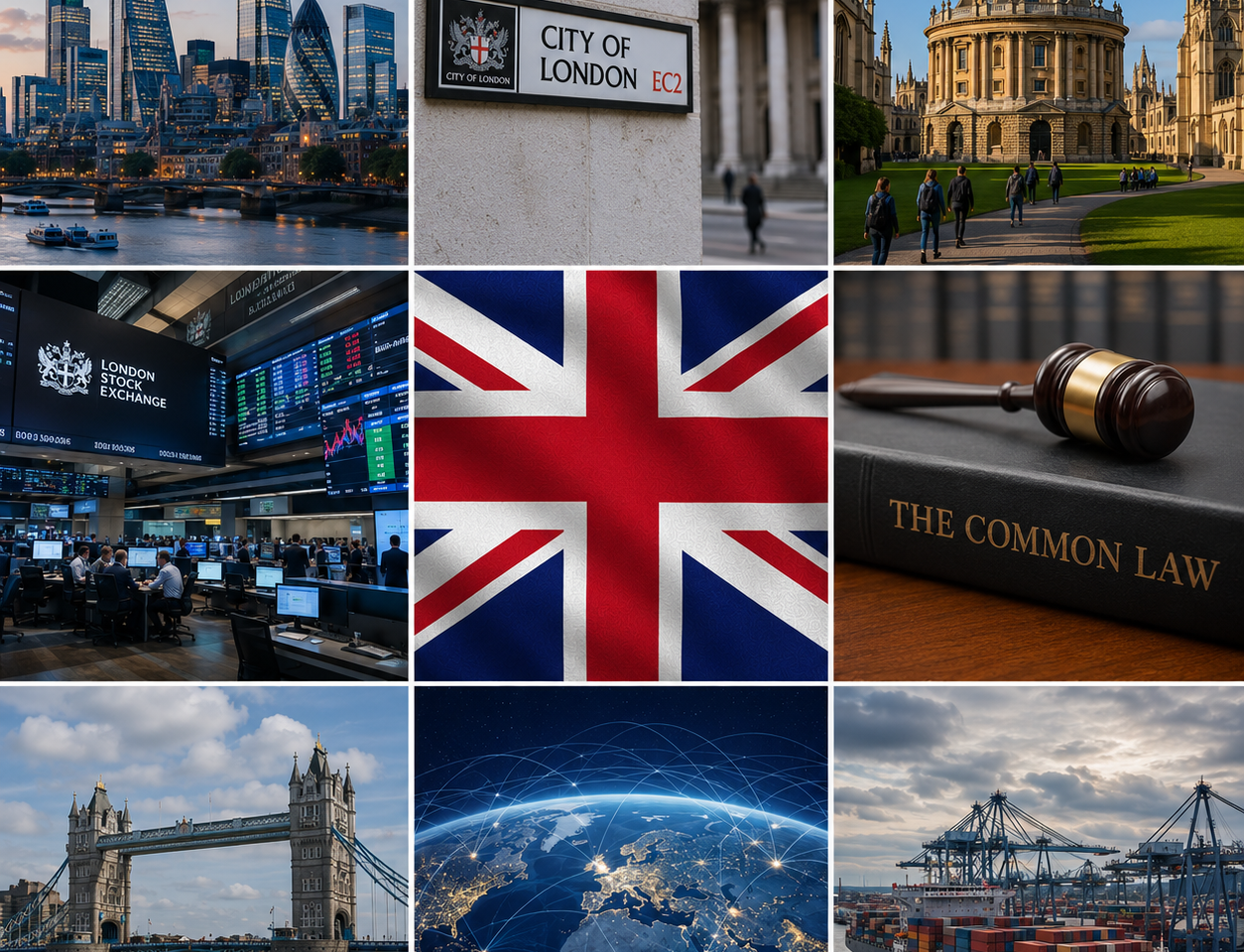
The United Kingdom remains one of the world’s most influential network economies. Through finance, law, education, research and global institutions, Britain continues to shape systems that extend far beyond its borders. Yet as economic security, industrial capacity and strategic infrastructure return to prominence, the country faces a new question: can global reach remain a source of power in an increasingly fragmented world?
Read More
Sunday, June 7, 2026
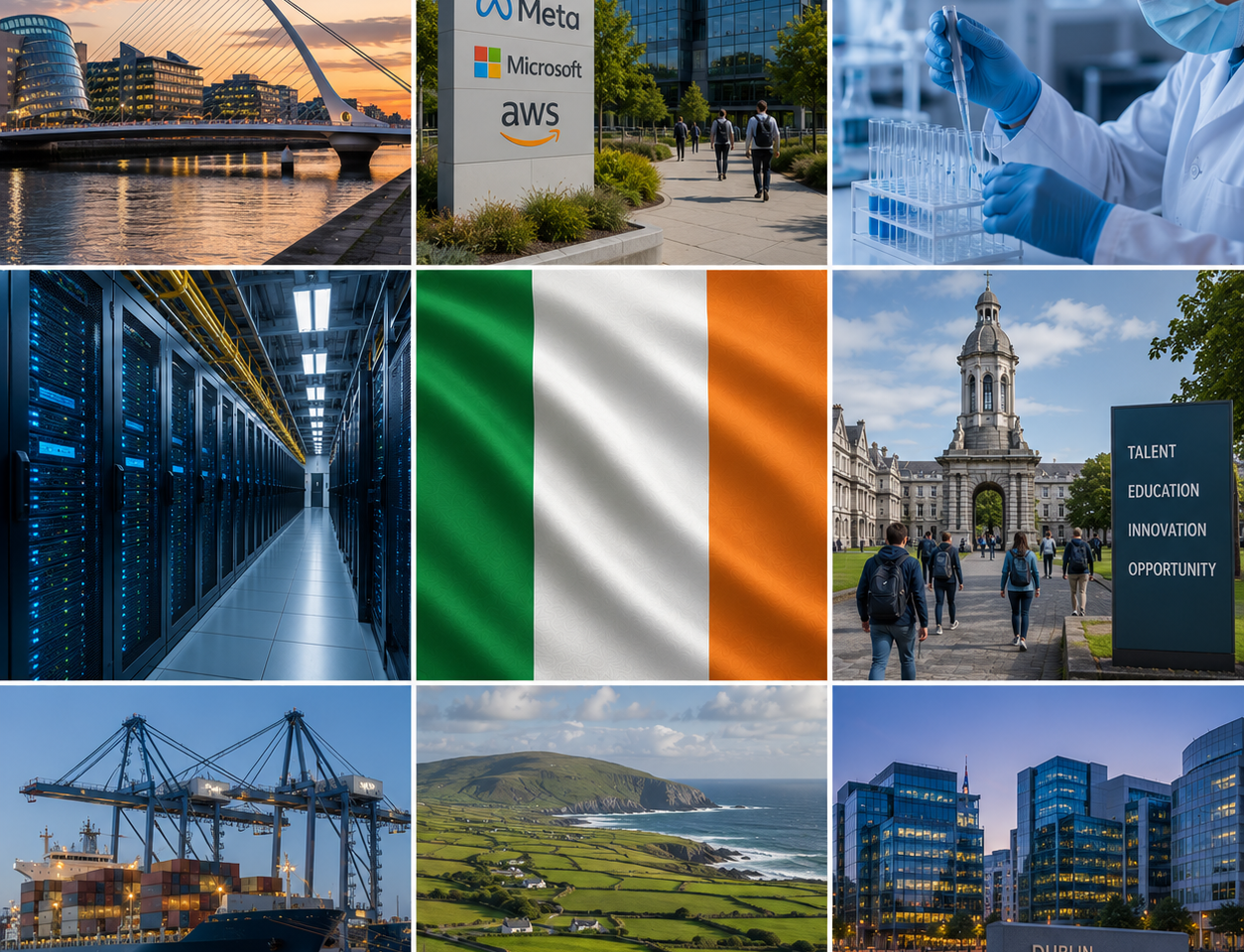
Ireland built its success on openness. Through education, foreign investment and global integration, it became a hub for technology, pharmaceuticals and digital services. Yet as globalisation evolves, the country faces a new challenge: transforming international success into long-term domestic resilience.
Read More
Friday, June 5, 2026

Switzerland has built one of the world’s most innovative economies through research, precision engineering, finance and education. Its experience raises a broader European question: how can a country remain deeply integrated while preserving strategic independence in an increasingly interconnected world?
Read More
Thursday, June 4, 2026

Hungary has become one of Europe’s most strategically positioned economies, connecting German industry, Asian investment and the continent’s battery transition. Its economic trajectory offers a glimpse into the increasingly complex relationship between industrial competitiveness, technological sovereignty and geopolitical strategy.
Read More
Thursday, June 4, 2026

Austria occupies a unique position within Central Europe. Through infrastructure, finance, engineering and regional connectivity, the country functions as a critical coordination hub linking Western Europe with the industrial economies of Central and South-Eastern Europe.
Read More
Thursday, June 4, 2026

While much of Europe embraced market liberalisation, France maintained a stronger belief in the strategic role of the state. Today, as debates over industrial policy, energy security and technological sovereignty return, France’s economic model appears more relevant than it has in decades.
Read More
Thursday, June 4, 2026
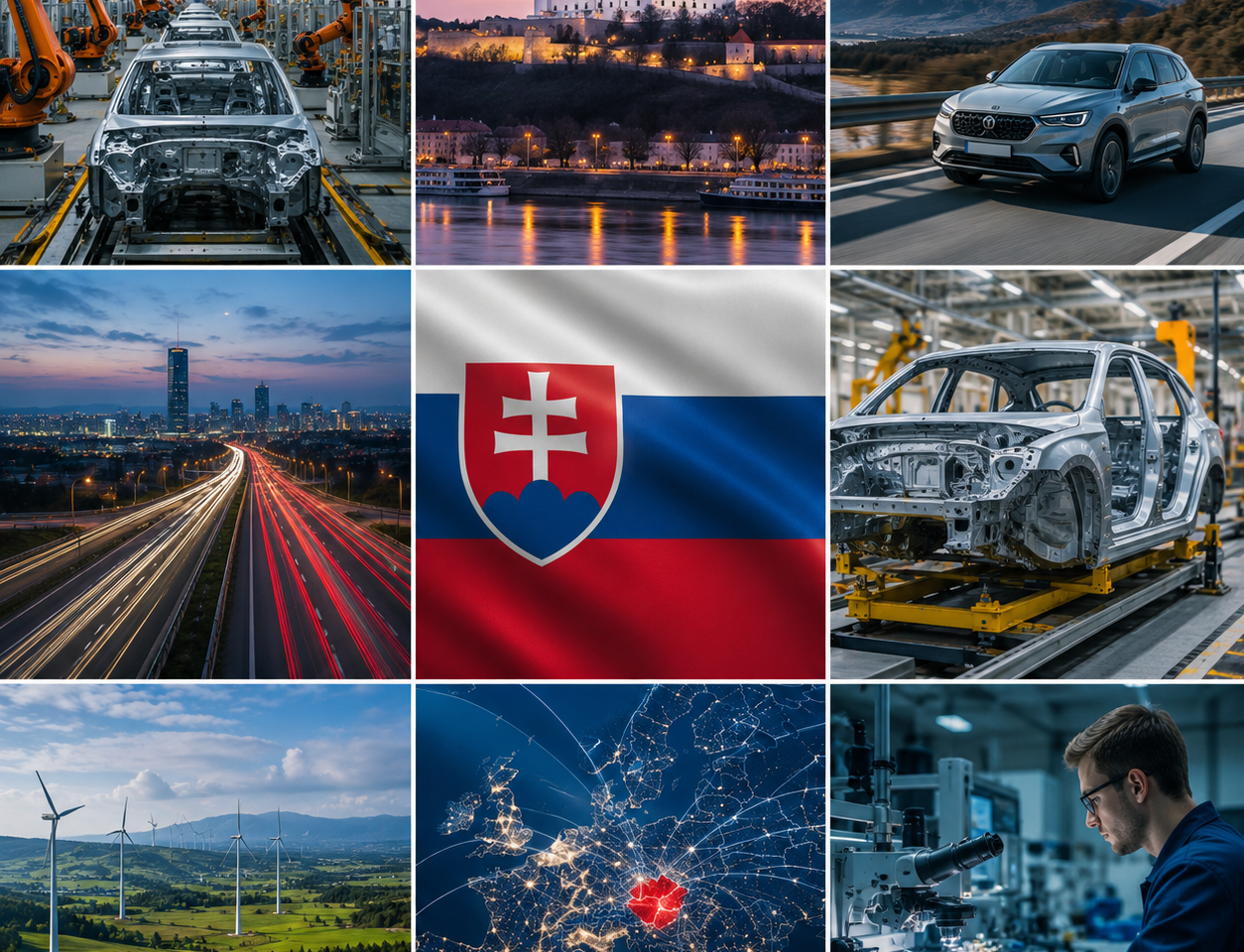
Slovakia has become one of the world’s most specialized automotive economies. As electric mobility, software and battery technologies reshape the industry, the country faces a defining challenge: transforming industrial dependence into long-term economic resilience.
Read More
Thursday, June 4, 2026

Luxembourg is one of Europe’s smallest countries, yet its influence extends far beyond its borders. Through finance, international institutions, satellite communications and strategic specialisation, the country demonstrates how expertise and indispensability can create influence beyond scale.
Read More
Wednesday, June 3, 2026
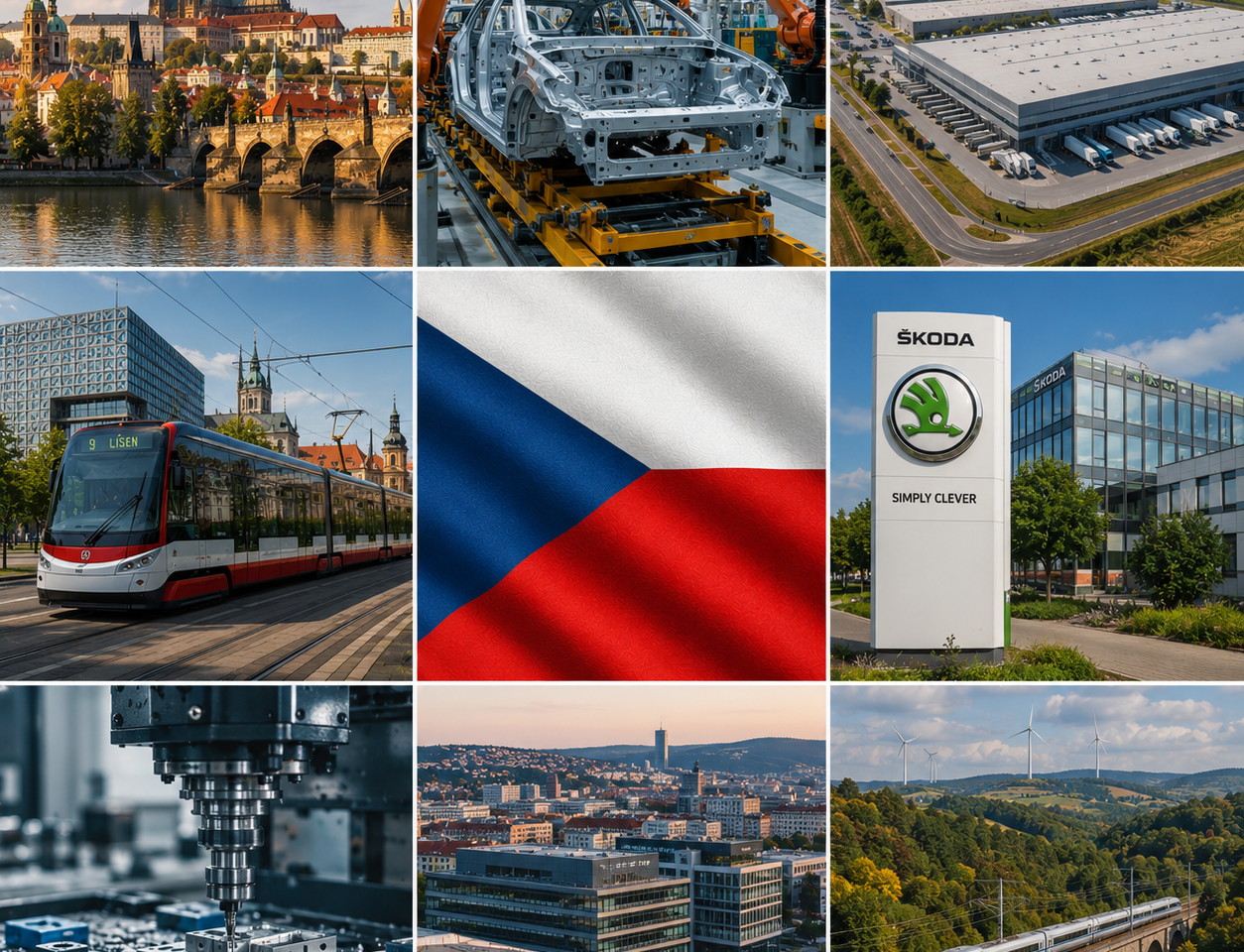
The Czech Republic has become one of Europe’s most specialized industrial economies. As automotive manufacturing enters a period of technological transformation, the country faces a new challenge: adapting decades of manufacturing success to the industries of the future.
Read More

 Available here: