Sunday, July 5, 2026
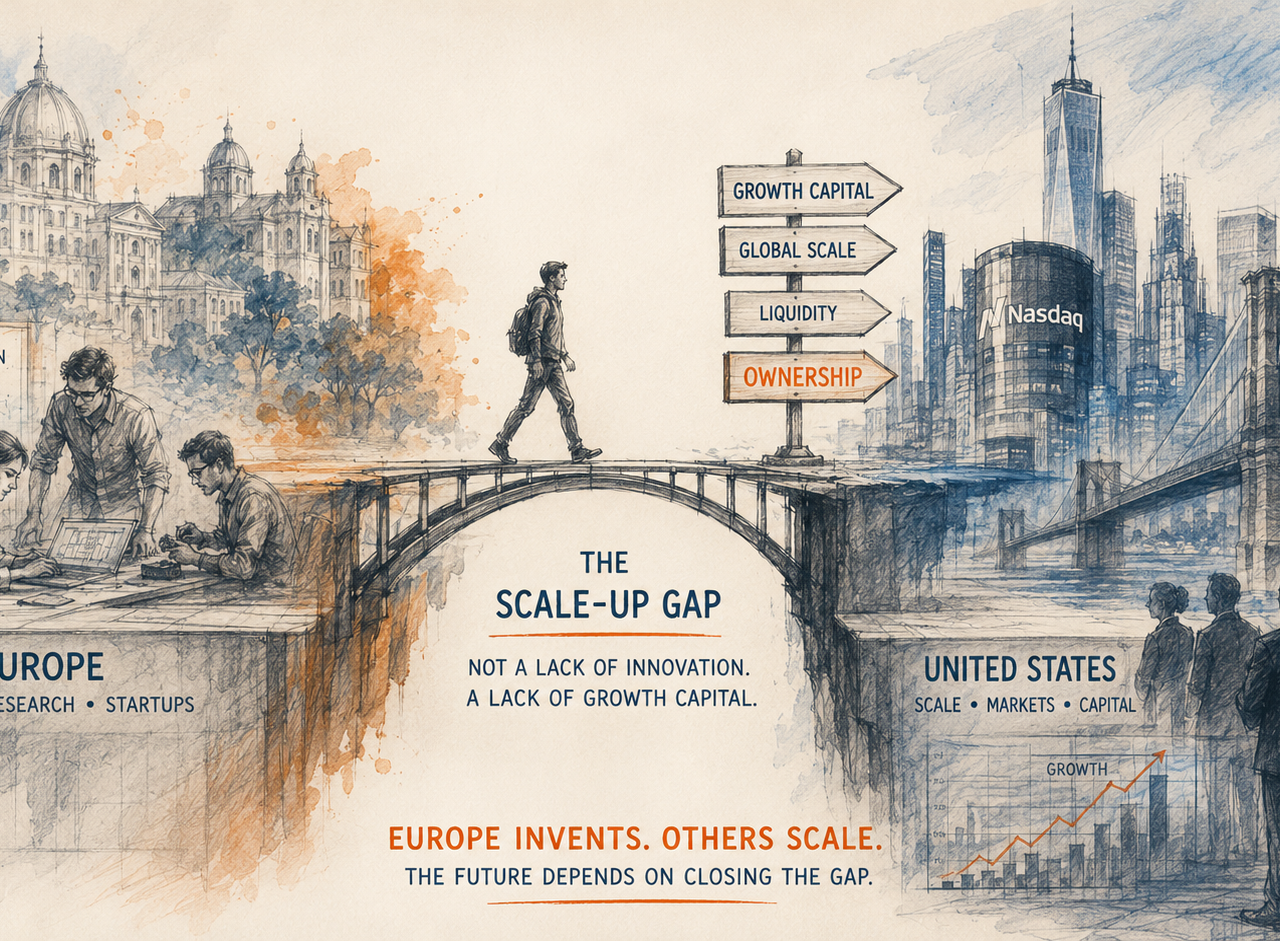
Europe has never lacked innovation. Its challenge has been transforming research excellence into global companies that remain rooted in Europe. The scale-up gap raises a deeper question: can Europe build the capital architecture needed to turn innovation into ownership, influence and long-term sovereignty?
Read More
Saturday, July 4, 2026

Cloud computing is no longer merely a software industry. It has become a strategic layer of infrastructure connecting artificial intelligence, energy systems, data governance and industrial competitiveness, raising fundamental questions about sovereignty, scale and Europe’s capacity to build its own computing future.
Read More
Saturday, July 4, 2026

Renewable energy integration is no longer simply about deploying more wind turbines or solar panels. It is increasingly about orchestrating millions of interconnected assets into a coherent system capable of balancing variability, flexibility and abundance in real time.
Read More
Saturday, July 4, 2026
Universities were built upon openness, collaboration and scientific exchange. Yet as semiconductors, photonics and artificial intelligence become strategic technologies, Europe increasingly faces a difficult question: how open can science remain when knowledge itself becomes infrastructure?
Read More
Friday, July 3, 2026
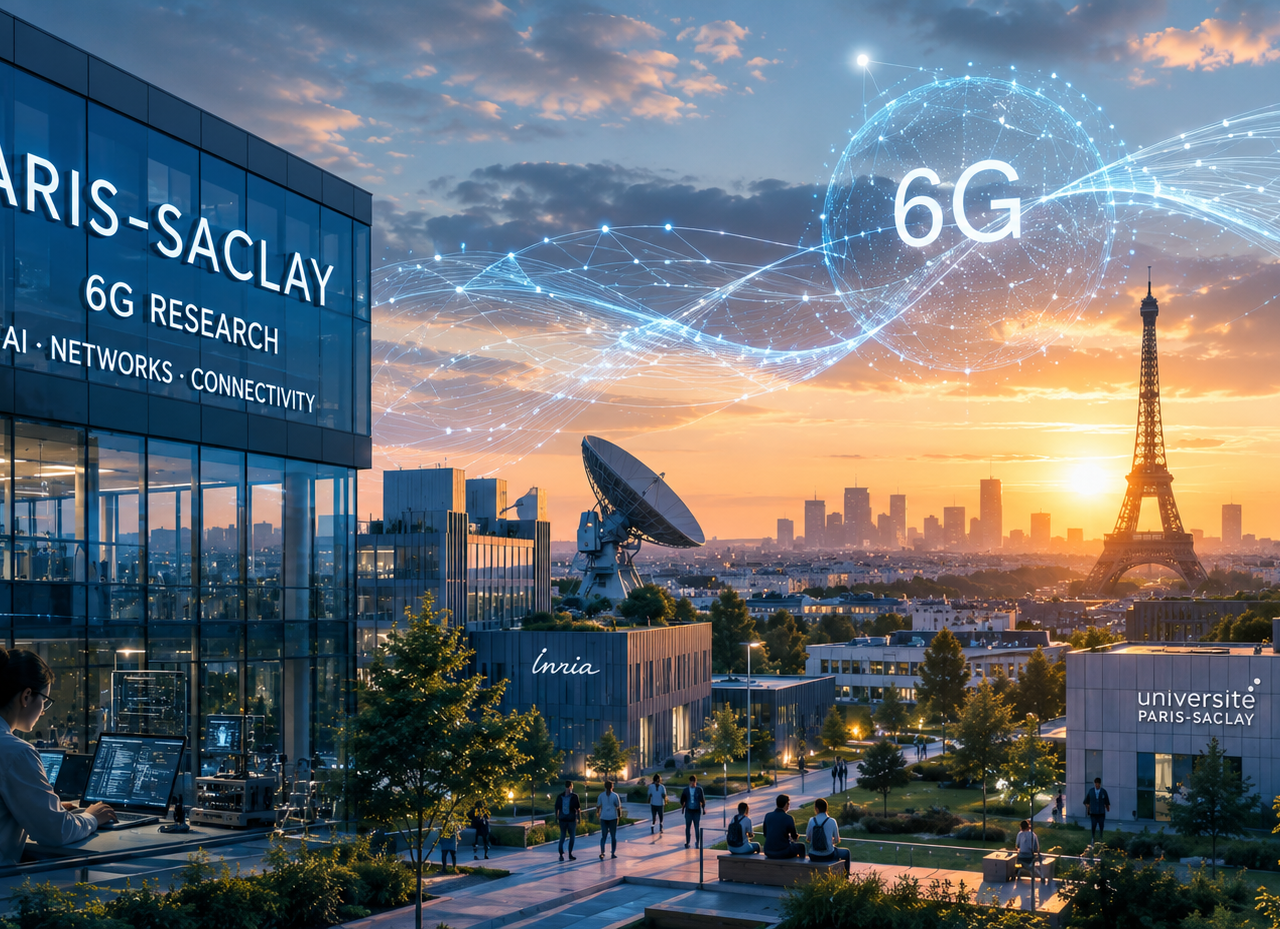
Paris-Saclay represents the intellectual foundations of Europe’s future communications systems. By combining artificial intelligence, software-defined networks, advanced research and scientific collaboration, the ecosystem increasingly shapes the concepts, architectures and paradigms that may define tomorrow’s connectivity.
Read More
Friday, July 3, 2026

Examinations are among the most trusted institutions of modern society. Yet as technology transforms economies and labour markets, an uncomfortable question emerges: are we still measuring the capabilities future societies will actually need?
Read More
Friday, July 3, 2026

Hydrogen is often presented as an energy technology. Yet its deeper significance may lie elsewhere. As Europe seeks to decarbonise industry, transport and chemistry, hydrogen is emerging as a mechanism for storing, transporting and coordinating matter itself.
Read More
Friday, July 3, 2026
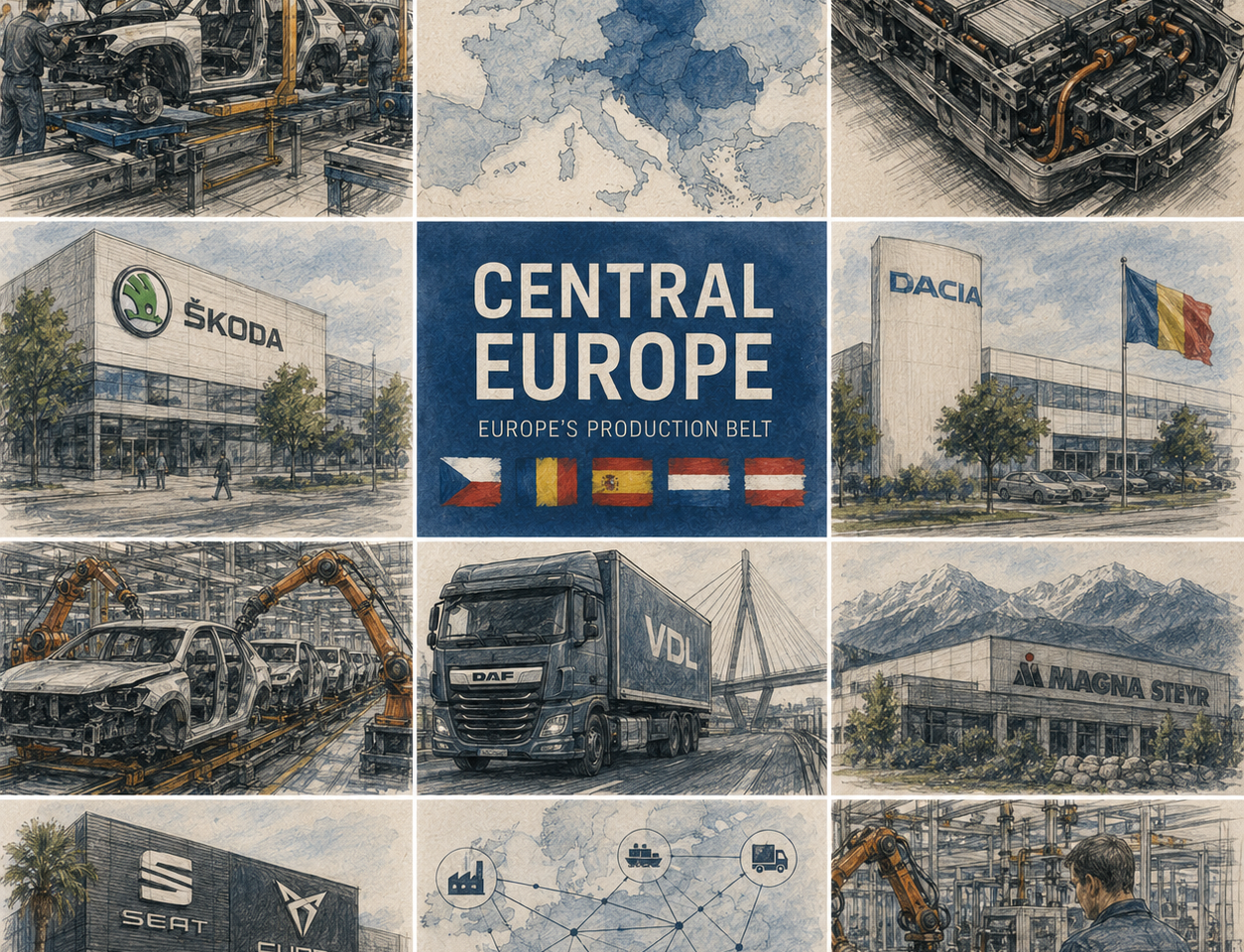
Europe’s automotive transition is not only shaped by brands, innovation and industrial policy. It also depends on the factories, suppliers and production ecosystems spread across Central Europe that transform strategy into physical output and industrial capacity.
Read More
Thursday, July 2, 2026
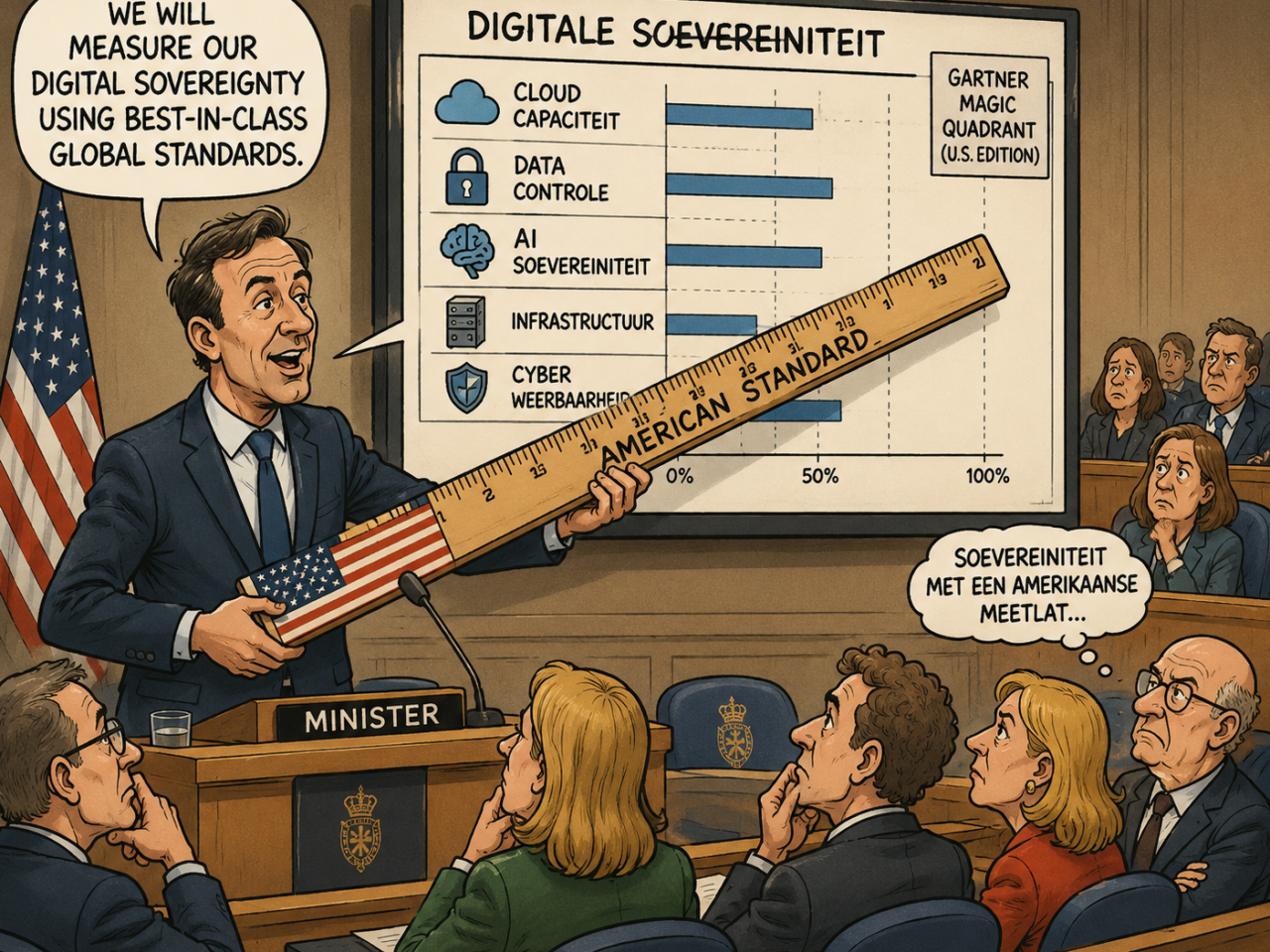
Europe wants digital sovereignty, yet often measures technological progress through frameworks designed elsewhere. If infrastructure is strategic, perhaps the institutions that define markets, benchmarks and technological leadership deserve the same level of scrutiny.
Read More
Thursday, July 2, 2026

Education is often viewed as a pathway to personal opportunity. Yet education also shapes the knowledge, skills and capabilities that determine how societies innovate, adapt and prepare for the future.
Read More

 Available here:
