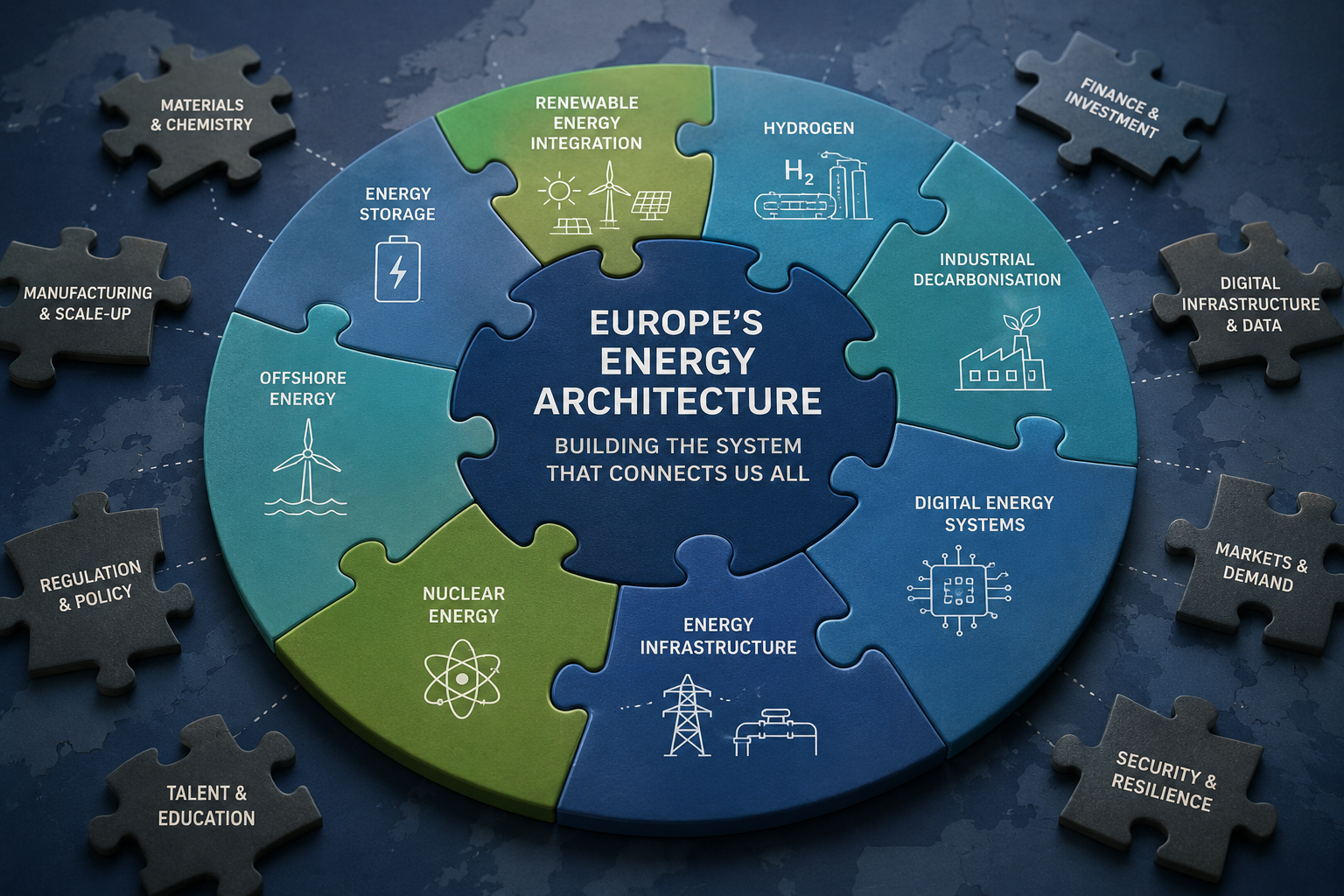
Europe’s energy transition is no longer defined by individual technologies alone. The European Innovation Council’s Top 100 energy innovators reveal something much larger: the gradual emergence of a new European energy architecture built upon interconnected capabilities, coordinated innovation and strategic systems.
Our Platforms

Three platforms. One direction. Shaping the future of economy, technology and talent
We explore how economy, technology and talent evolve through real-world insights, emerging ideas and concrete initiatives across regions and sectors.
Our platforms bring together perspectives from practice, policy and innovation. Rather than abstract concepts, we focus on what is actually happening on the ground—highlighting developments, experiments and opportunities that shape the future. From education and AI to regional contexts such as Curaçao and Suriname, we translate complexity into direction.
🧭 Future Economy Forum
Exploring how economic systems evolve in response to global shifts, regional dynamics and emerging societal needs. From policy and strategy to talent and transformation.
⚙️ Innovation & Technology Lab
Focusing on the practical application of technology, from AI to digital transformation. We explore how innovation shapes learning, organisations and real-world solutions.
🏭 Strategic Industries Forum
Examining how key industries adapt and transform in a changing world. Connecting policy, practice and innovation across sectors that drive economic and societal development.
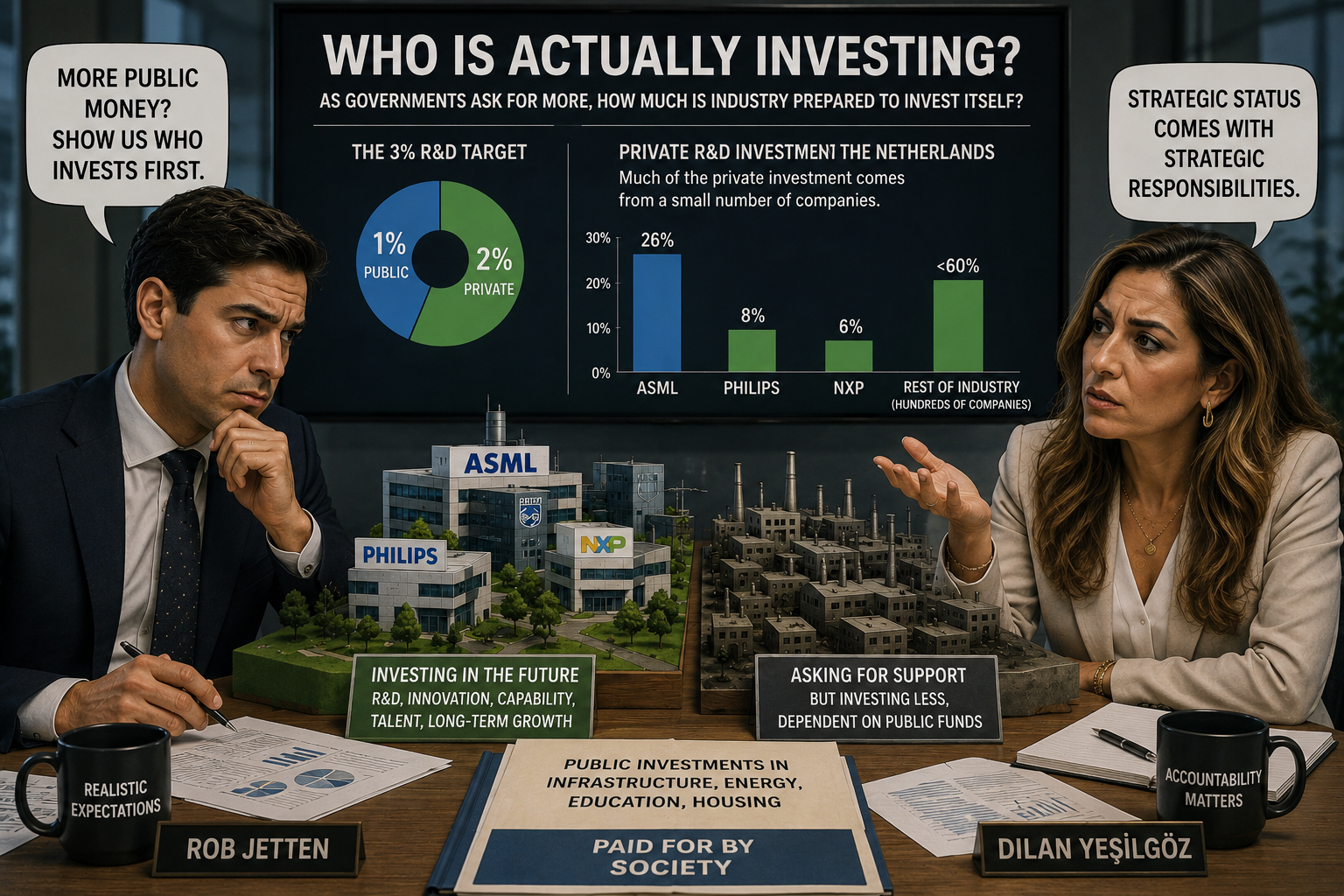
As governments are increasingly asked to fund competitiveness, a simple question remains. How much is industry prepared to invest itself? While companies such as ASML, Philips and NXP invest heavily in research and development, the broader picture may be more complicated than political debates often suggest.

Europe increasingly possesses the building blocks for future industries. The deeper question is no longer whether the technologies exist, but whether they can be connected into coherent systems. Innovation creates possibilities. Coordination creates systems.
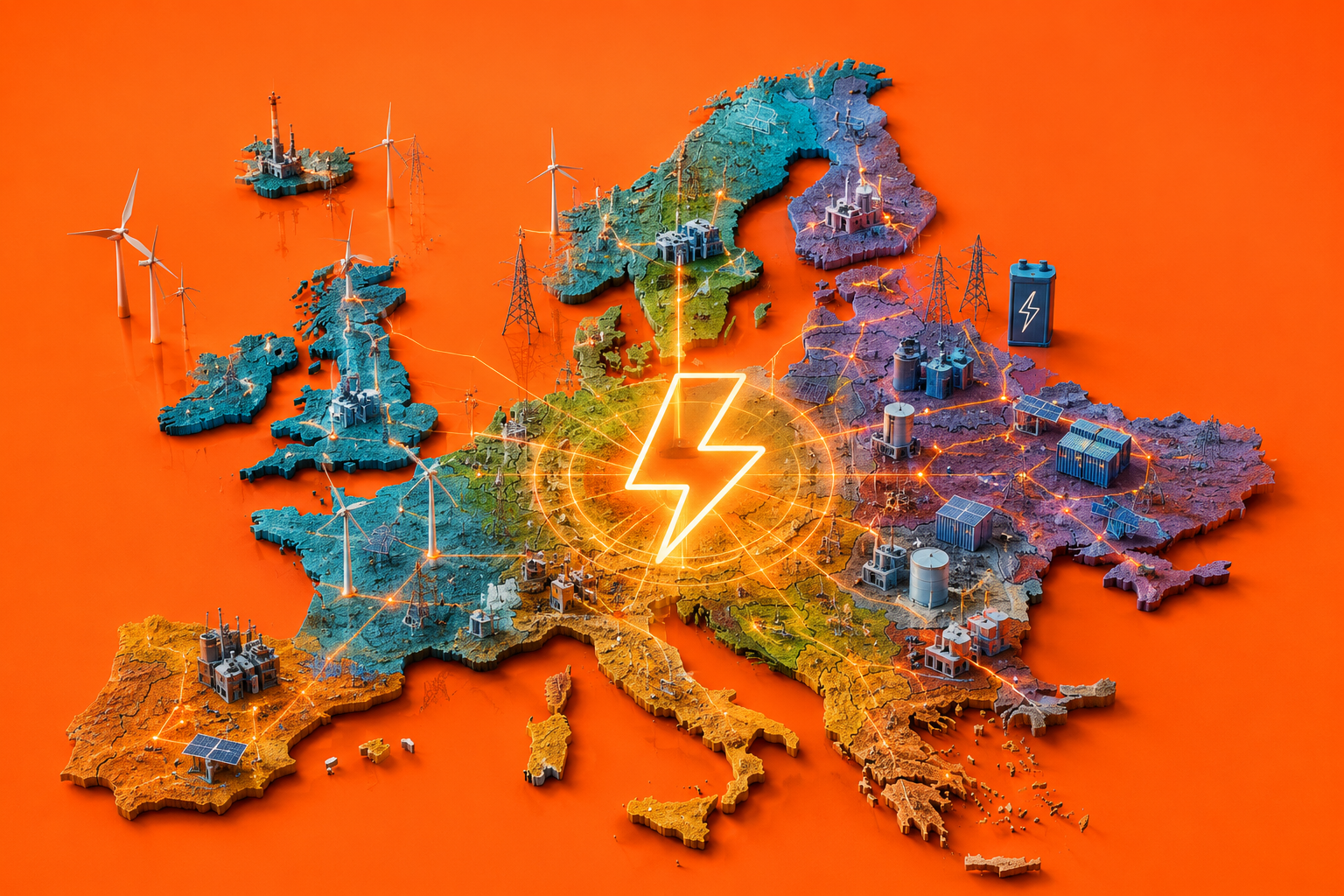
Europe may no longer have an innovation problem. The technologies increasingly exist. The deeper challenge is whether Europe can transform scientific excellence into industrial capability before others scale, finance and commercialise what was invented on European soil.
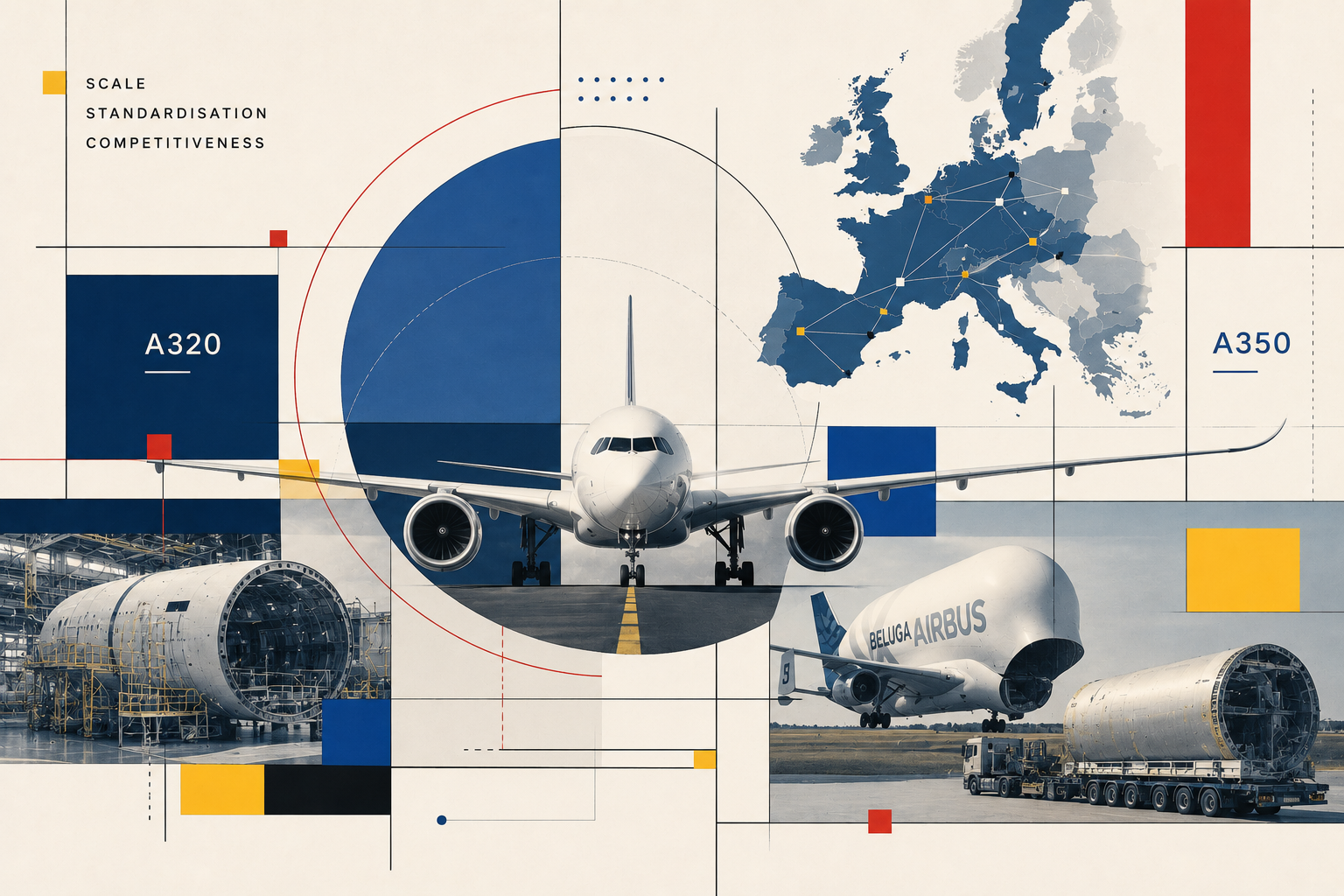
Commercial aviation is often presented as a story of aircraft, airlines and passengers. Yet behind every aircraft lies a more fundamental reality. Airbus Commercial Aircraft is not simply a manufacturer of jets. It is one of Europe’s most ambitious experiments in scale, demonstrating how fragmented national capabilities can be transformed into a globally competitive industrial ecosystem.
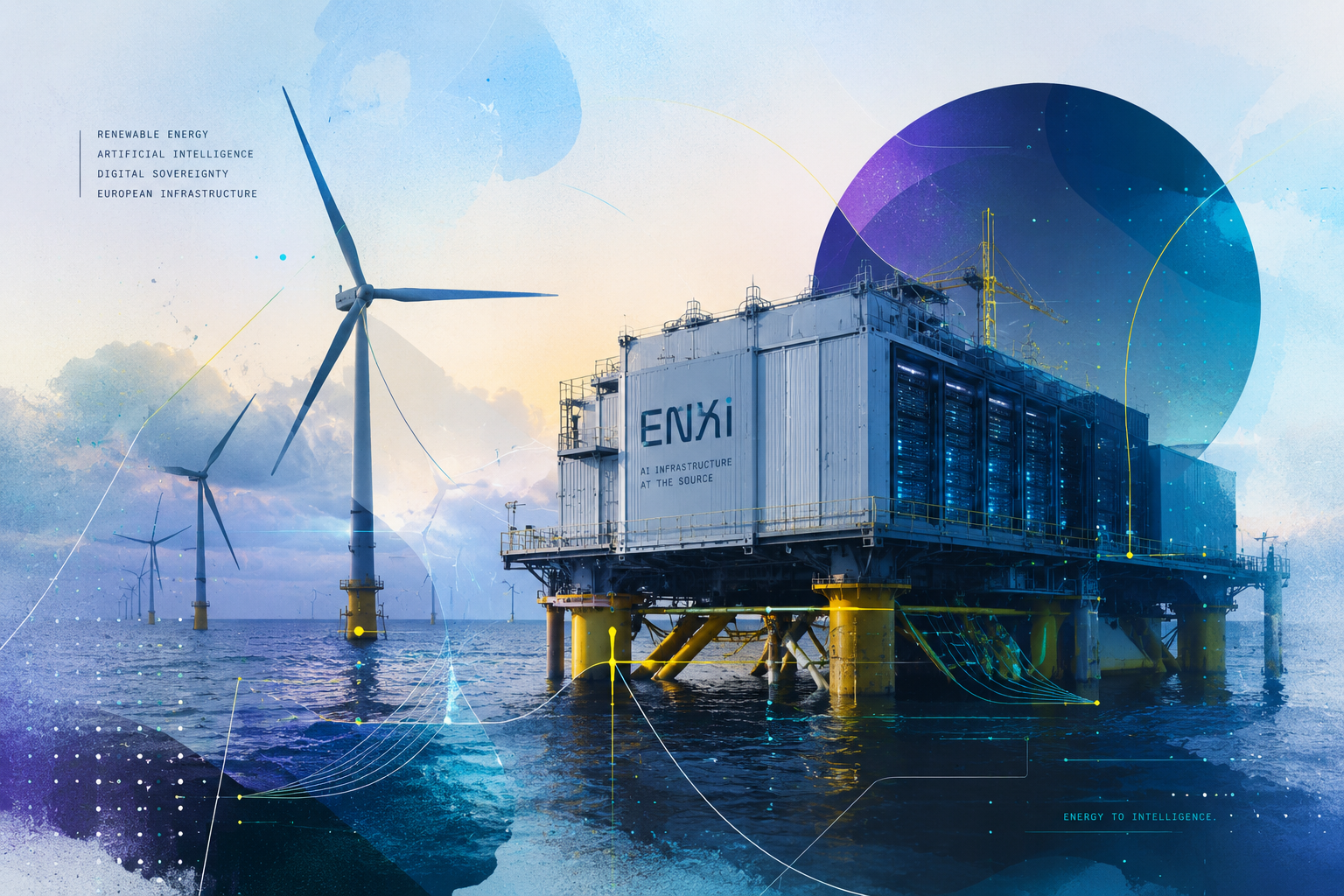
As artificial intelligence becomes increasingly dependent on energy, a new geography of computing may be emerging. Project Enki explores whether the future of AI infrastructure will be built around technology hubs—or around locations where energy is abundant.
