Sunday, July 19, 2026
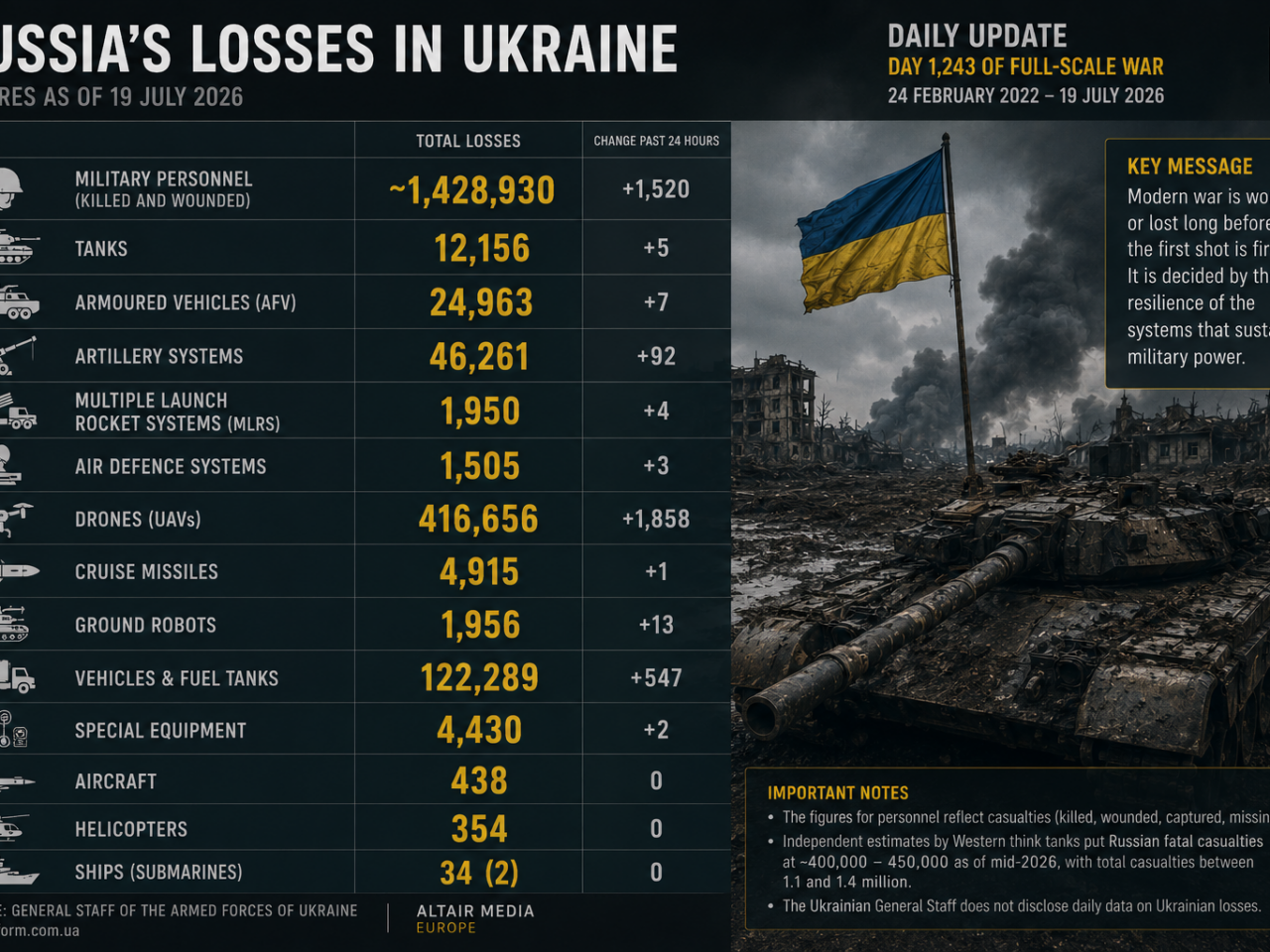
The war in Ukraine is revealing that modern military power depends on far more than soldiers and weapons. Behind every battlefield lies an ecosystem of logistics, energy, industry and digital infrastructure that increasingly determines how conflicts are sustained—and ultimately decided.
Read More
Thursday, June 11, 2026

Belgium occupies a unique position within Europe. Combining industry, logistics, scientific research and European governance, the country functions as a crossroads where economies, institutions and cultures converge. Its experience offers a glimpse into how complexity can become a source of resilience in an increasingly uncertain world.
Read More
Thursday, June 11, 2026

The Netherlands has built its prosperity on connectivity. From ports and airports to digital networks and advanced technology ecosystems, the country functions as one of Europe’s most interconnected economic systems. Yet in a fragmenting world, the foundations of that model are increasingly being tested.
Read More
Thursday, June 4, 2026

Austria occupies a unique position within Central Europe. Through infrastructure, finance, engineering and regional connectivity, the country functions as a critical coordination hub linking Western Europe with the industrial economies of Central and South-Eastern Europe.
Read More
Wednesday, June 3, 2026
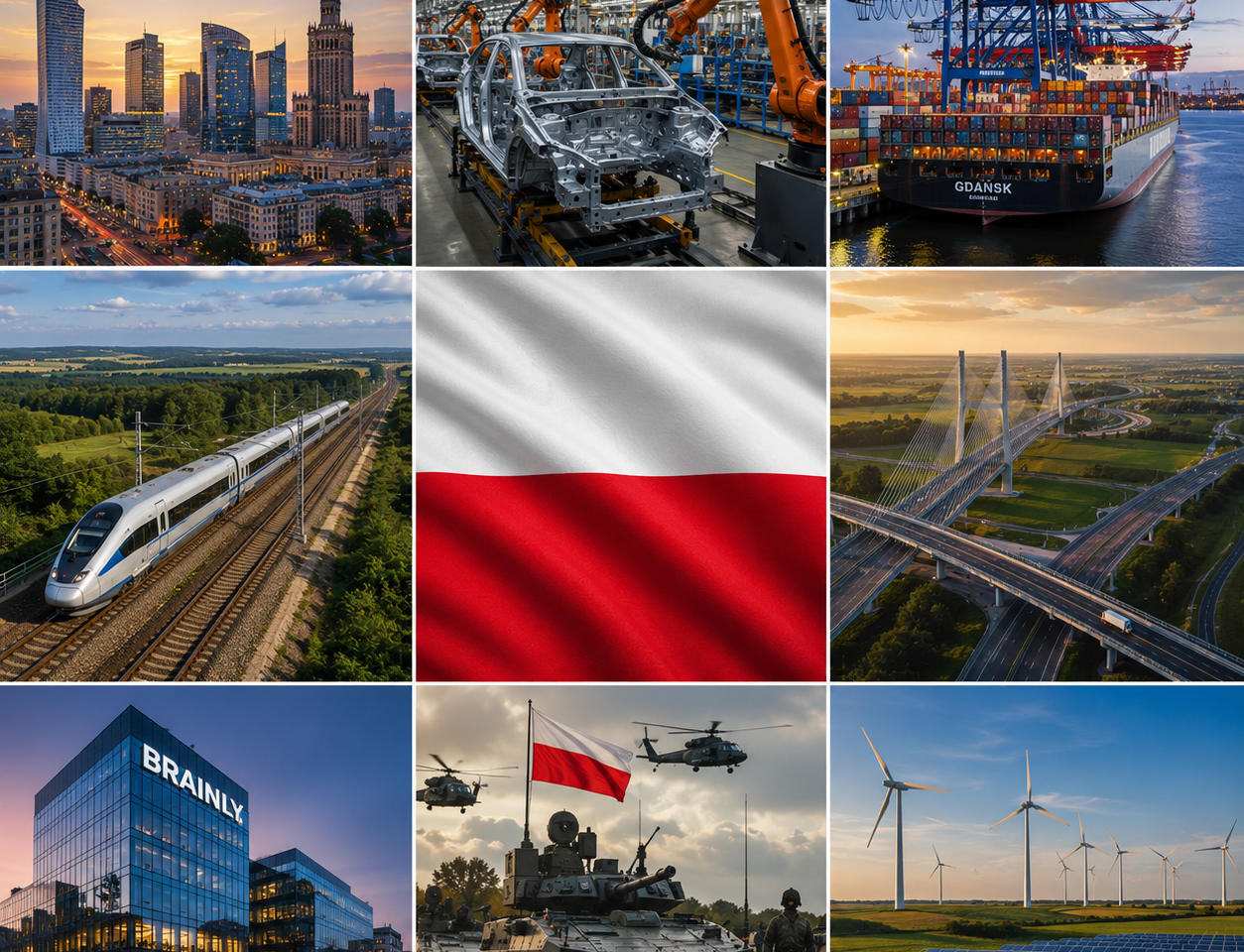
Poland has evolved from Europe’s economic frontier into one of its most dynamic industrial, logistics and technology hubs. As infrastructure, investment and strategic importance continue growing, the country is increasingly reshaping the geography of economic power within Europe.
Read More
Wednesday, June 3, 2026

Western Europe has evolved into one of the world’s most interconnected economic regions. Through finance, logistics, technology and global trade, countries such as the Netherlands, Belgium, France, Ireland, Luxembourg and the United Kingdom continue to shape Europe’s role within the global economy.
Read More
Monday, June 1, 2026
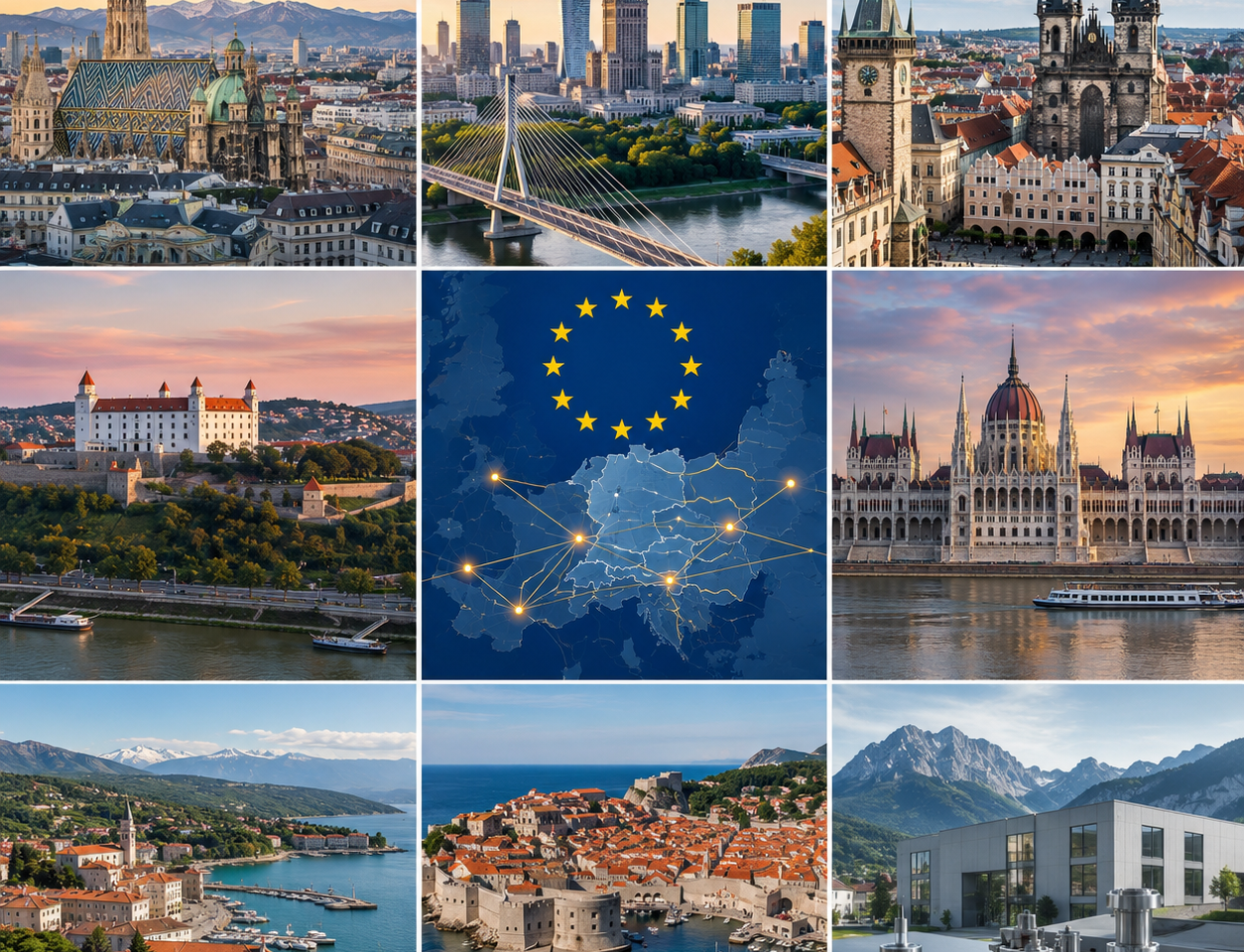
Central Europe is emerging as one of the most dynamic regions within the European economy. This series explores how Austria, Poland, Czechia, Slovakia, Hungary, Slovenia, Croatia and Liechtenstein contribute to Europe’s industrial strength, innovation capacity, infrastructure networks and long-term economic resilience.
Read More
Thursday, March 26, 2026

Global trade appears fluid and resilient, but depends on a handful of narrow chokepoints. The Strait of Hormuz reveals how energy, logistics and geopolitics converge — and how fragile a system becomes when continuity is assumed rather than secured.
Read More
Sunday, March 15, 2026

Transport corridors are reshaping Europe’s economic geography. As global supply chains evolve and geopolitical competition intensifies, ports, railways and logistics networks are becoming strategic infrastructure that determines how trade flows, industries develop and markets remain connected.
Read More

 Available here: