
The Netherlands has built its prosperity on connectivity. From ports and airports to digital networks and advanced technology ecosystems, the country functions as one of Europe’s most interconnected economic systems. Yet in a fragmenting world, the foundations of that model are increasingly being tested.
Economic Europe — Western Europe
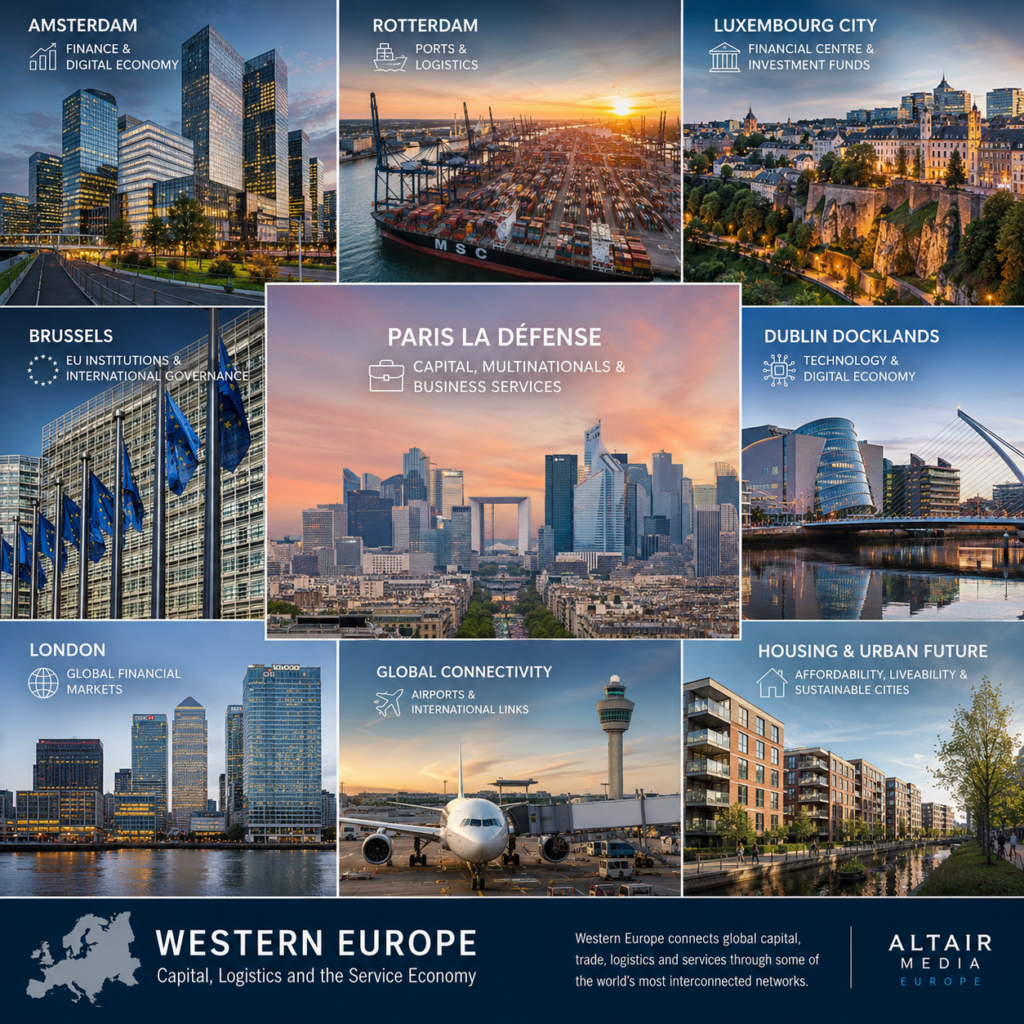
Capital, Connectivity and the Post-Industrial Economy
Western Europe forms one of the world’s most interconnected economic regions. From global financial centres and major ports to advanced service industries and digital infrastructure, the region has become a gateway between Europe and the global economy while facing growing pressures from housing shortages, ageing populations and economic transformation.
For much of the twentieth century, Western Europe built its prosperity on industry, trade and international commerce. Over time, however, many economies gradually shifted toward services, finance, logistics, technology and knowledge-intensive industries. Cities such as London, Paris, Amsterdam, Dublin, Brussels and Luxembourg emerged as important nodes within global networks of capital, information and decision-making.
This transformation brought significant wealth and international influence. Major ports, airports, financial institutions and multinational corporations turned Western Europe into one of the most globally connected regions in the world. Yet success has also created new challenges. Housing affordability, infrastructure pressure, labour shortages and growing inequalities increasingly shape public debate across the region.
Today, Western Europe finds itself navigating a new phase of economic development. As global competition intensifies and geopolitical uncertainty grows, questions surrounding resilience, strategic autonomy and sustainable growth are becoming increasingly important. Understanding Western Europe therefore means understanding how finance, logistics, services and globalisation continue to shape the future of Europe itself.
Western Europe — Where Europe Connects to the World
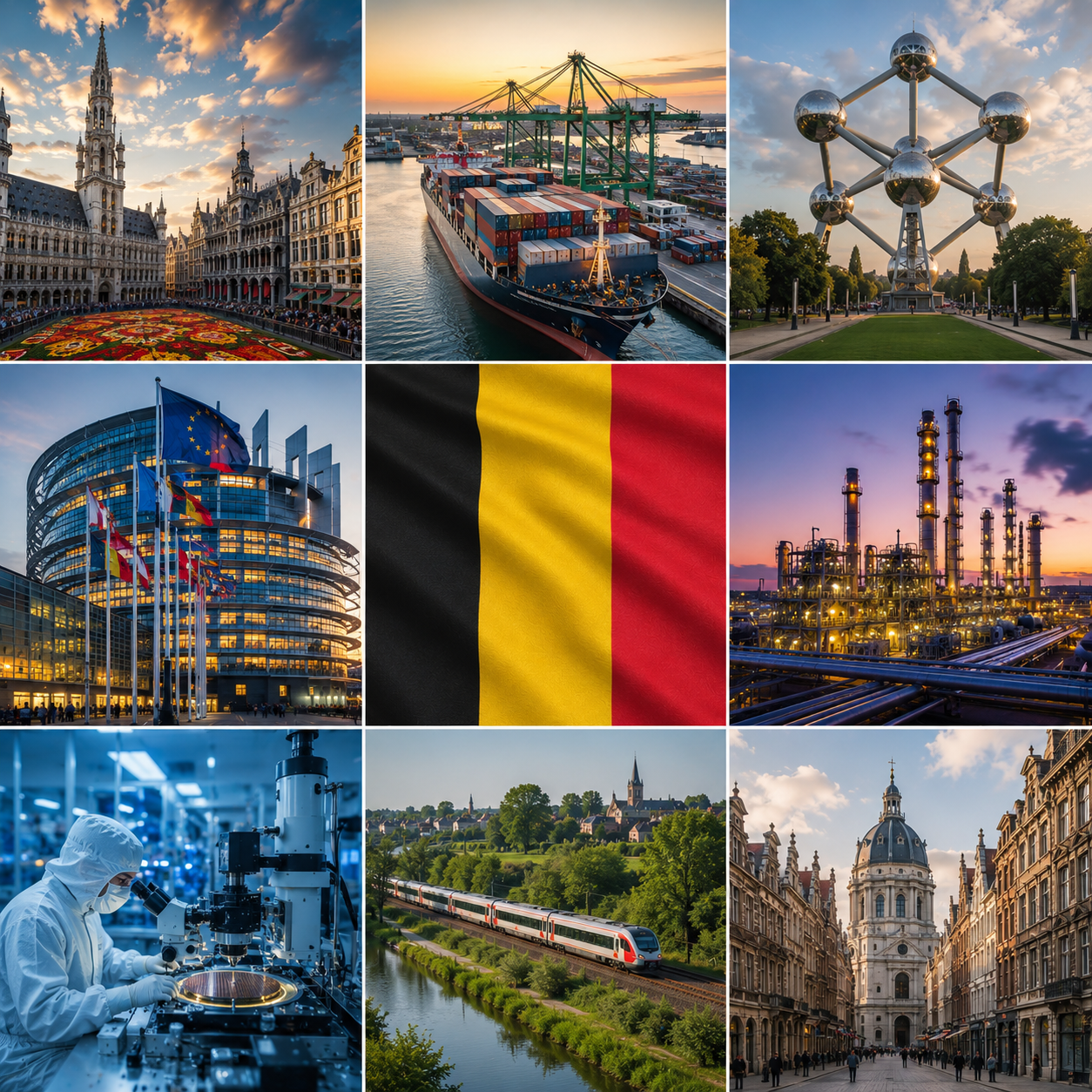
Belgium occupies a unique position within Europe. Combining industry, logistics, scientific research and European governance, the country functions as a crossroads where economies, institutions and cultures converge. Its experience offers a glimpse into how complexity can become a source of resilience in an increasingly uncertain world.

Luxembourg is one of Europe’s smallest countries, yet its influence extends far beyond its borders. Through finance, international institutions, satellite communications and strategic specialisation, the country demonstrates how expertise and indispensability can create influence beyond scale.
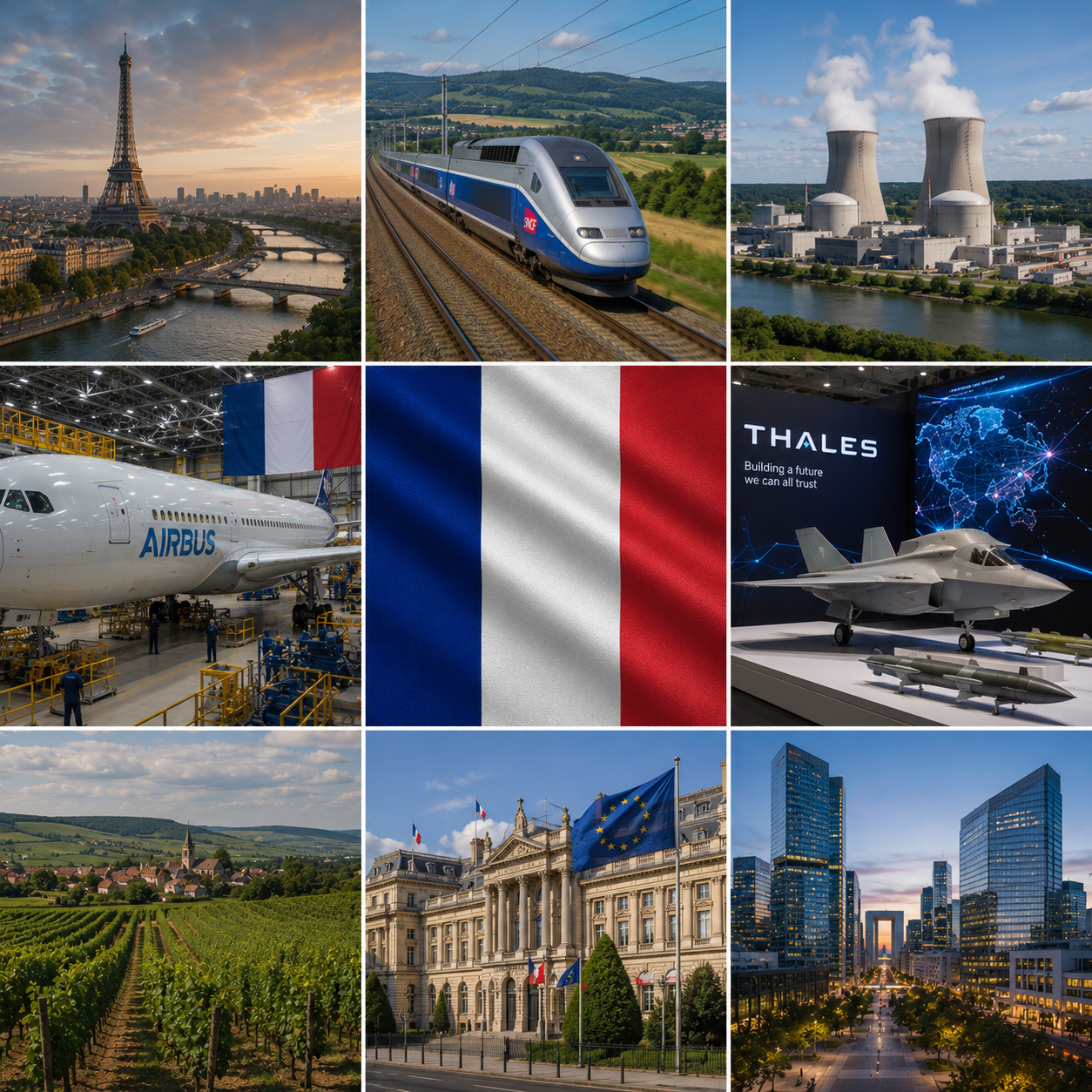
While much of Europe embraced market liberalisation, France maintained a stronger belief in the strategic role of the state. Today, as debates over industrial policy, energy security and technological sovereignty return, France’s economic model appears more relevant than it has in decades.

Ireland built its success on openness. Through education, foreign investment and global integration, it became a hub for technology, pharmaceuticals and digital services. Yet as globalisation evolves, the country faces a new challenge: transforming international success into long-term domestic resilience.

The United Kingdom remains one of the world’s most influential network economies. Through finance, law, education, research and global institutions, Britain continues to shape systems that extend far beyond its borders. Yet as economic security, industrial capacity and strategic infrastructure return to prominence, the country faces a new question: can global reach remain a source of power in an increasingly fragmented world?

The future of Western Europe may depend less on any individual country than on the interaction between multiple forms of economic influence. Connectivity, complexity, specialisation, strategic capacity, openness and global reach together form an ecosystem whose resilience may become increasingly important in an age of fragmentation.
Credit
Illustration generated by OpenAI’s DALL·E for Altair Media Europe
Caption
Western Europe connects global capital, trade, logistics and services through some of the world’s most interconnected financial centres, transport networks and knowledge economie.
