Is Intel About to Launch a Chip for the AI PC?

Why artificial intelligence may be moving closer to the user
For much of the past decade, artificial intelligence has become increasingly centralised. As AI models grew larger and more powerful, they also became more dependent upon massive data centres, cloud infrastructure and specialised computing hardware.
Today, most people associate AI with cloud-based services. Questions are sent to remote servers. Images are generated in distant data centres. Increasingly powerful models depend upon increasingly powerful infrastructure. Yet a different trend is beginning to emerge.
Intel, alongside other technology companies, is investing heavily in a new generation of processors designed specifically to run artificial intelligence directly on personal computers. The development raises an interesting question. Is the technology industry preparing for a future in which AI no longer lives primarily in the cloud, but increasingly operates on the device itself?
Read MoreDenmark and the Power of Adaptability
Can Flexibility Create Resilience in an Age of Uncertainty?
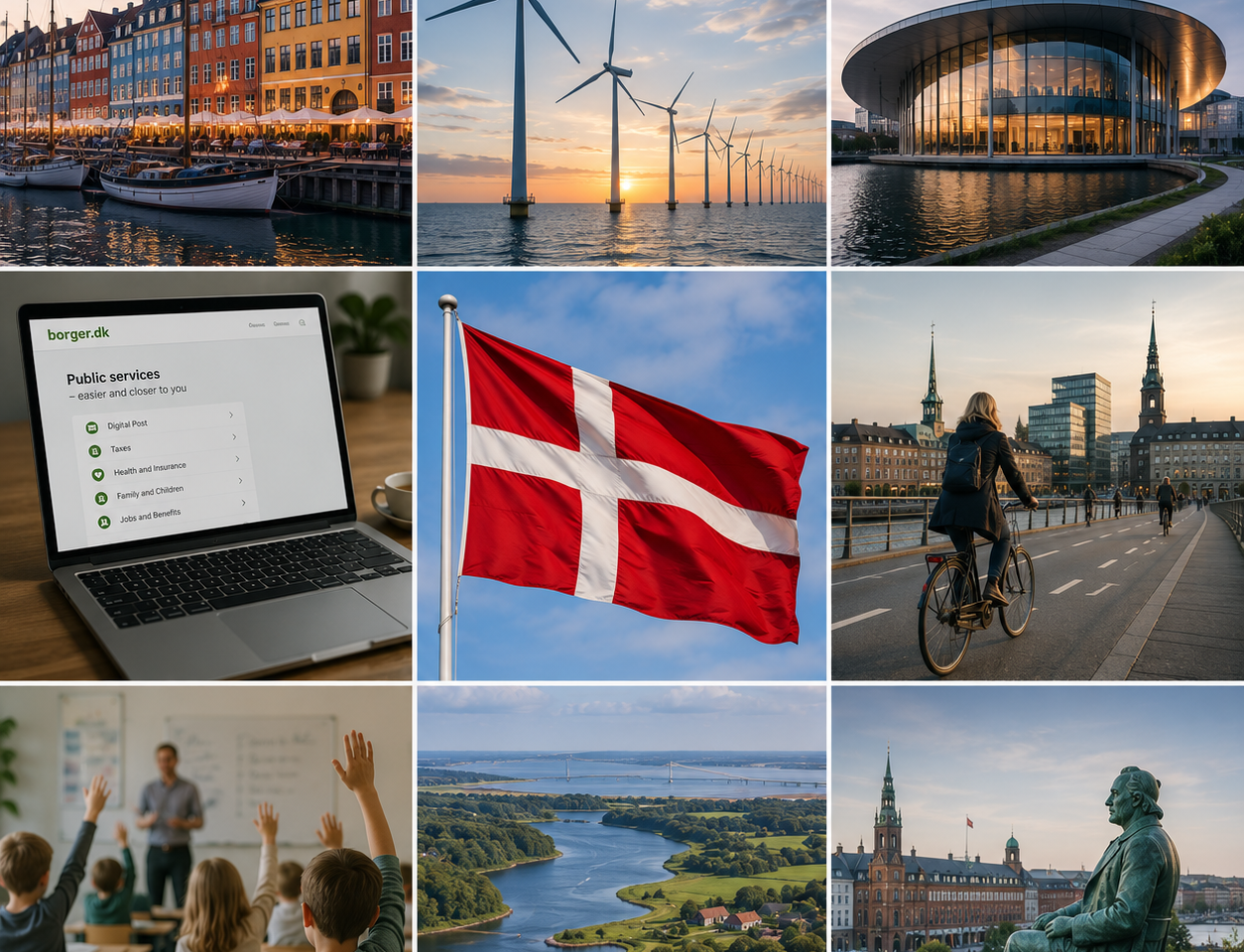
Denmark is not a large country. Nor does it seek influence through military power or vast domestic markets. Its strength lies elsewhere.
For decades, Denmark has built a reputation as one of the world’s most adaptable societies. From labour markets and digital government to renewable energy and public administration, the country has repeatedly demonstrated an ability to adjust to changing circumstances without abandoning social cohesion.
In an age defined by technological disruption, geopolitical uncertainty and demographic change, this capacity for adaptation may be one of Denmark’s most important strategic assets.
The Danish story is therefore not primarily about size. It is about flexibility.
Read MoreCan Society Adapt as Fast as Technology?
Many people share a quiet, persistent feeling: not that technology is becoming too complex, but that everything keeps changing faster than they can reasonably keep up. As artificial intelligence accelerates this pace, a deeper question emerges. Can societies adapt as quickly as the systems they create?
Many people share a quiet, persistent feeling. The feeling that the world is moving faster than they can keep up.
New applications appear without invitation. Familiar systems change overnight. Tasks that once felt routine suddenly require new updates, new accounts and new interfaces. Skills that took years to develop can lose relevance far more quickly than before.
For some, this pace is exciting. For many, it is exhausting. The requirement to adapt is no longer an occasional event. It is becoming a permanent feature of everyday life.
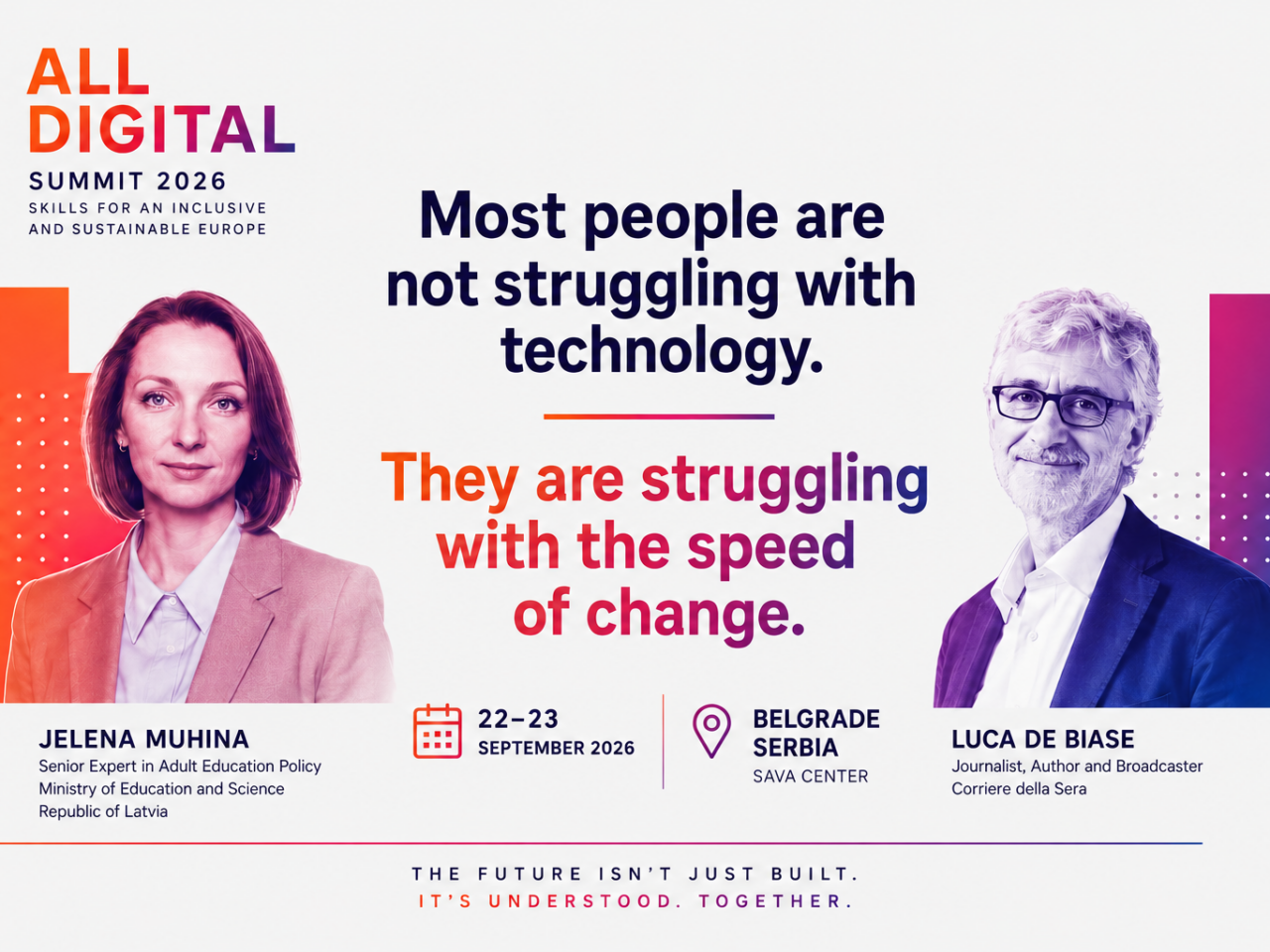
Most people are not struggling with technology. They are struggling with the speed of change.
This feeling is often treated as a personal challenge. Perhaps it is something larger. What if the growing gap between technological change and human adaptation is becoming one of the defining social questions of our time?
Read More