
Artificial intelligence is often discussed as a software revolution. Increasingly, however, AI is revealing itself as something much larger: an industrial system built upon energy, semiconductors, infrastructure and global supply chains. As intelligence scales, the real competition may shift from algorithms toward the ecosystems capable of sustaining them.
Digital Infrastructure
The digital networks, platforms and data systems that enable connectivity, digital services and the functioning of the modern digital economy.
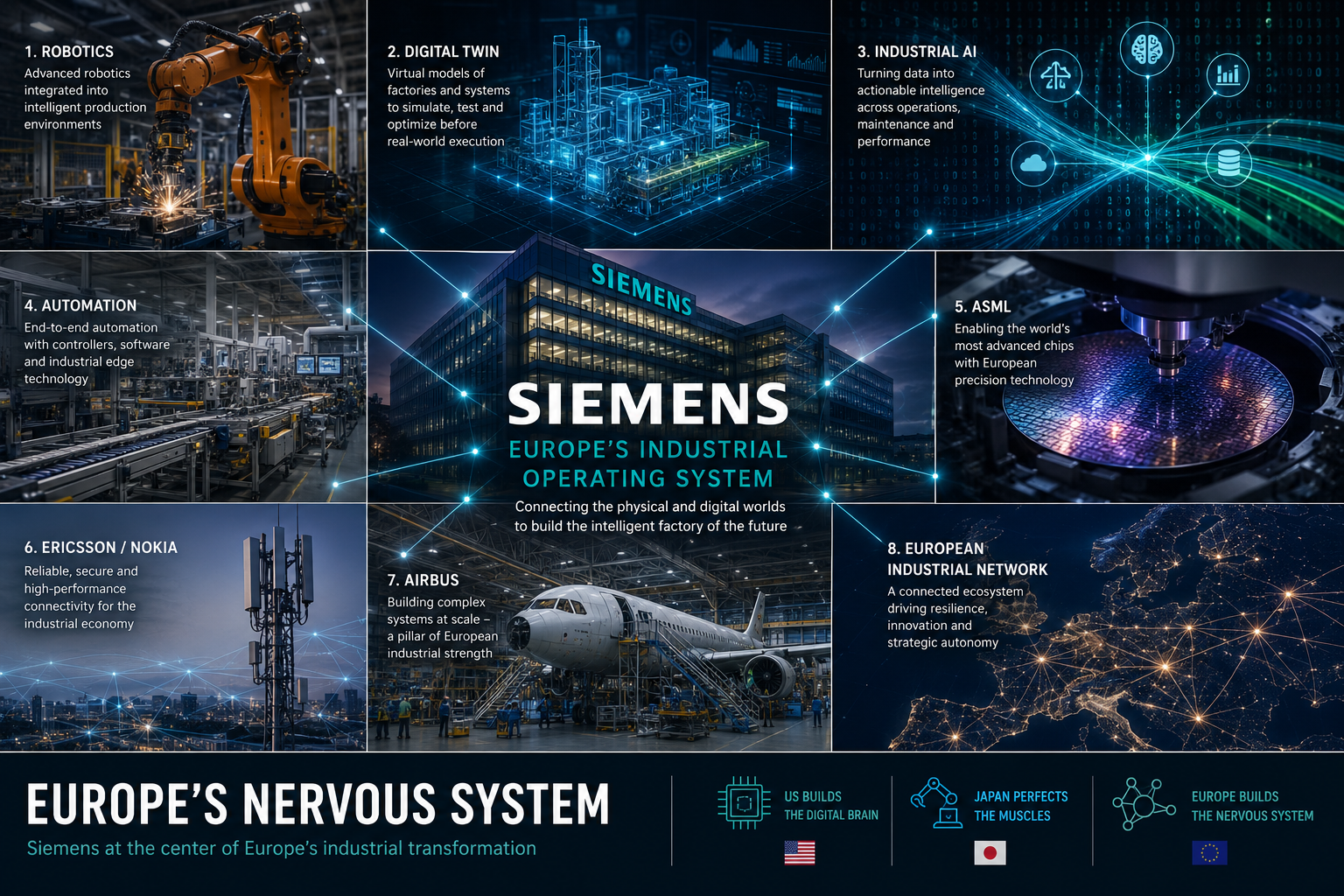
While the United States develops the digital brain of AI and Japan perfects the mechanical muscles of robotics, Europe may be building something different: the industrial nervous system. Siemens increasingly sits at the center of that transformation.

As digital life increasingly moves through platforms and algorithms, modern libraries are quietly transforming into social infrastructure: public environments where concentration, learning and human presence remain physically possible.

As AI systems become larger and more complex, advanced packaging is emerging as one of the semiconductor industry’s most critical bottlenecks — transforming the back-end of chip manufacturing into strategic infrastructure.

As AI infrastructure transforms the semiconductor industry, Italy is emerging as one of Europe’s most important hubs for advanced packaging, systems integration and the physical architecture connecting future computing systems.
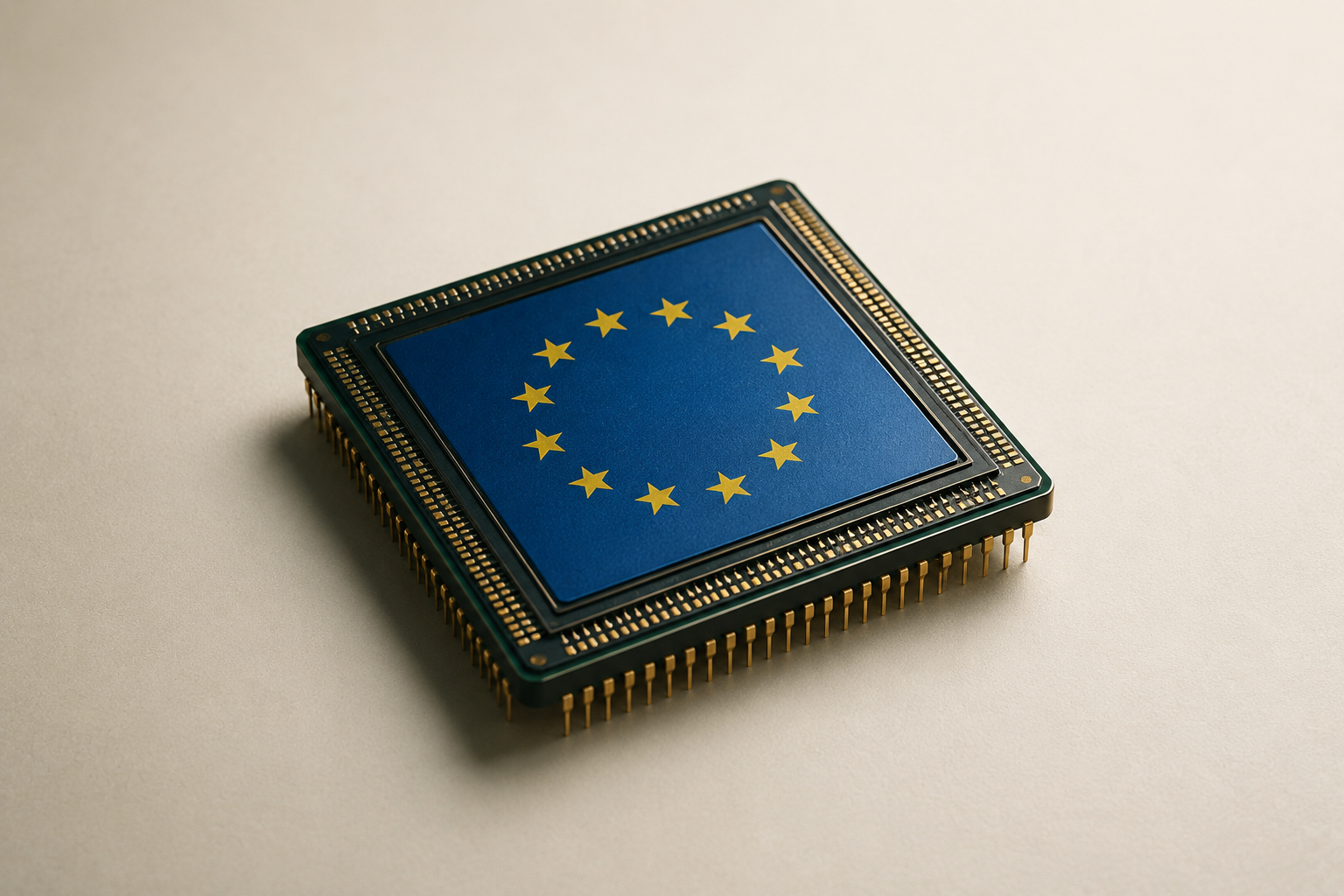
As Europe rethinks the original ambitions of the Chips Act, a new semiconductor strategy is emerging — one focused less on scale and more on control over the critical technological layers underpinning modern infrastructure.

Europe’s sovereign cloud ambitions are entering a more pragmatic phase. The partnership between KPN and Schwarz Digits reflects a broader European shift away from the illusion of full technological independence toward strategic control over infrastructure, governance and critical digital systems.
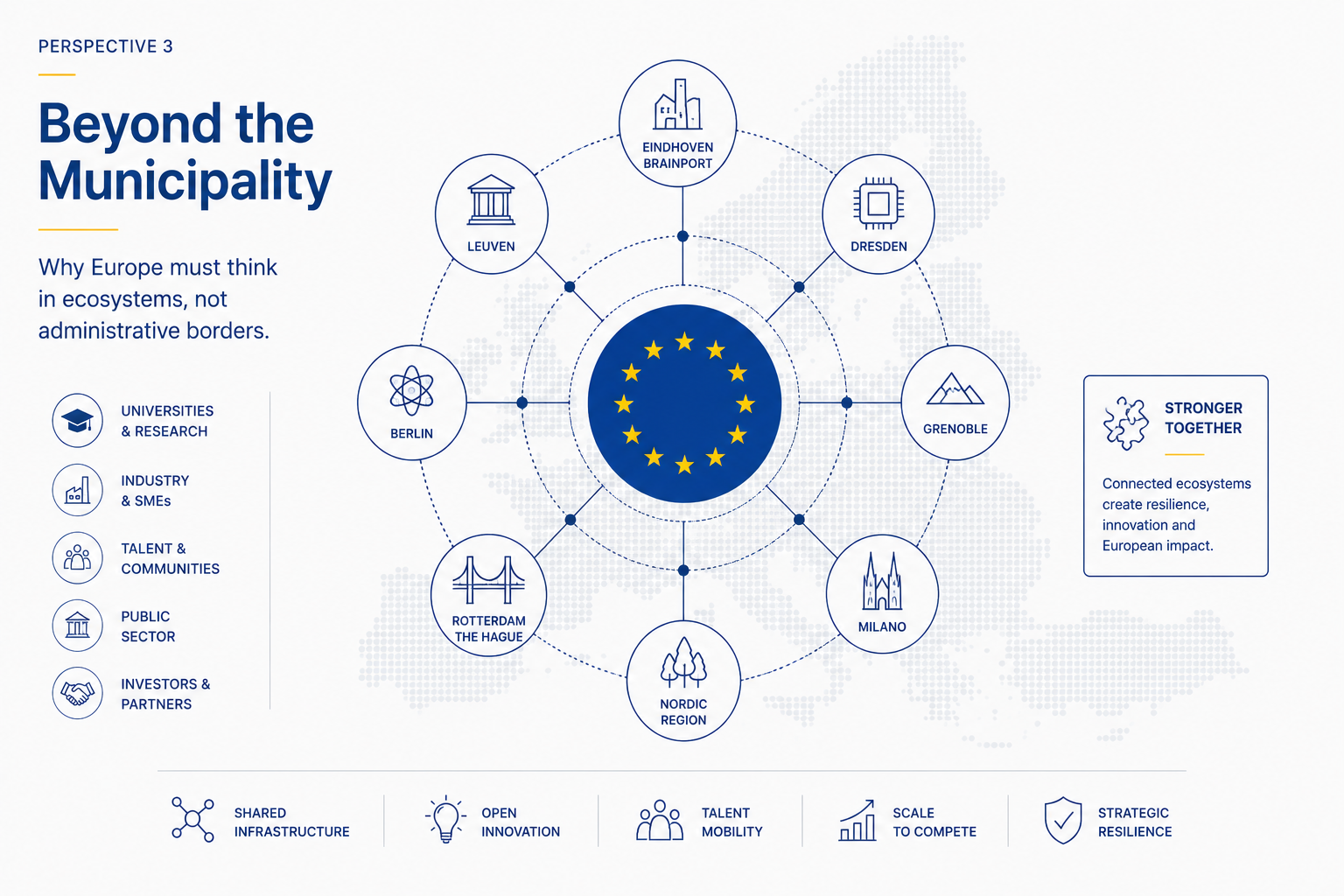
Europe’s semiconductor future may depend less on isolated regional excellence and more on the continent’s ability to connect its ecosystems into a coherent technological architecture. From Eindhoven to Dresden and Leuven to Milan, Chips Act 2.0 increasingly reveals the importance of continental coordination.

Albania’s latest airport technology upgrade reveals something larger: Europe is quietly expanding its influence through telecom, security and critical infrastructure networks — where operational systems, resilient communications and digital coordination increasingly matter as much as traditional geopolitical power.
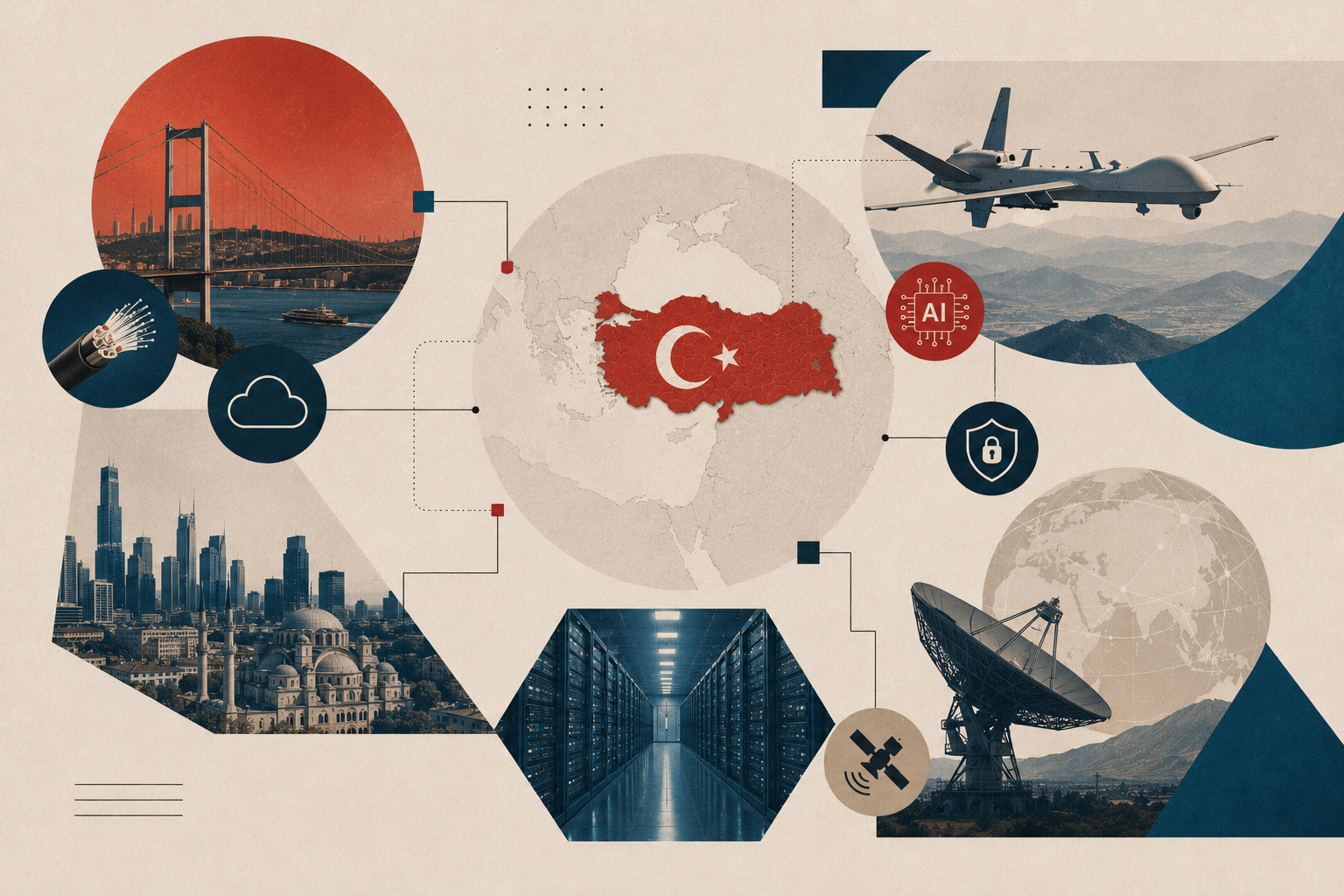
Turkey is building a sovereign infrastructure model outside the traditional European framework, combining telecom, AI, defence technology and strategic state coordination. This article explores how Ankara increasingly treats infrastructure as an integrated instrument of geopolitical power.

Italy is becoming one of Europe’s most important Mediterranean data gateways as subsea cables, cloud systems and AI infrastructure converge across the region. This article explores how fragmentation, geography and strategic telecom control increasingly shape Italy’s digital future.

Sweden has become one of Europe’s most strategic telecom powers through engineering excellence, trusted infrastructure and resilient network systems. This article explores how Ericsson, OpenRAN and Baltic security are reshaping Sweden’s role in the next network era.
