Monday, June 22, 2026

Europe’s financial system is often discussed through the lens of banks, markets and monetary policy. Yet beneath these institutions lies a broader question. How do modern societies organise trust, payments, credit and legitimacy in an increasingly digital and interconnected world?
Read More
Sunday, June 21, 2026

Sweden is often recognised for companies such as IKEA, Ericsson, Spotify, Klarna and Saab. Yet the country’s deeper strength lies in something broader: an innovation ecosystem built upon education, research, trust and long-term investment in human capital. Sweden demonstrates that innovation is not simply an economic activity—it is a societal capability.
Read More
Saturday, June 20, 2026

Europe’s future may depend less on scale and more on capabilities that the rest of the world cannot easily replicate. Through the lens of ASML, this concluding essay explores how technological sovereignty, ecosystem resilience and strategic indispensability may shape Europe’s economic future.
Read More
Friday, June 19, 2026
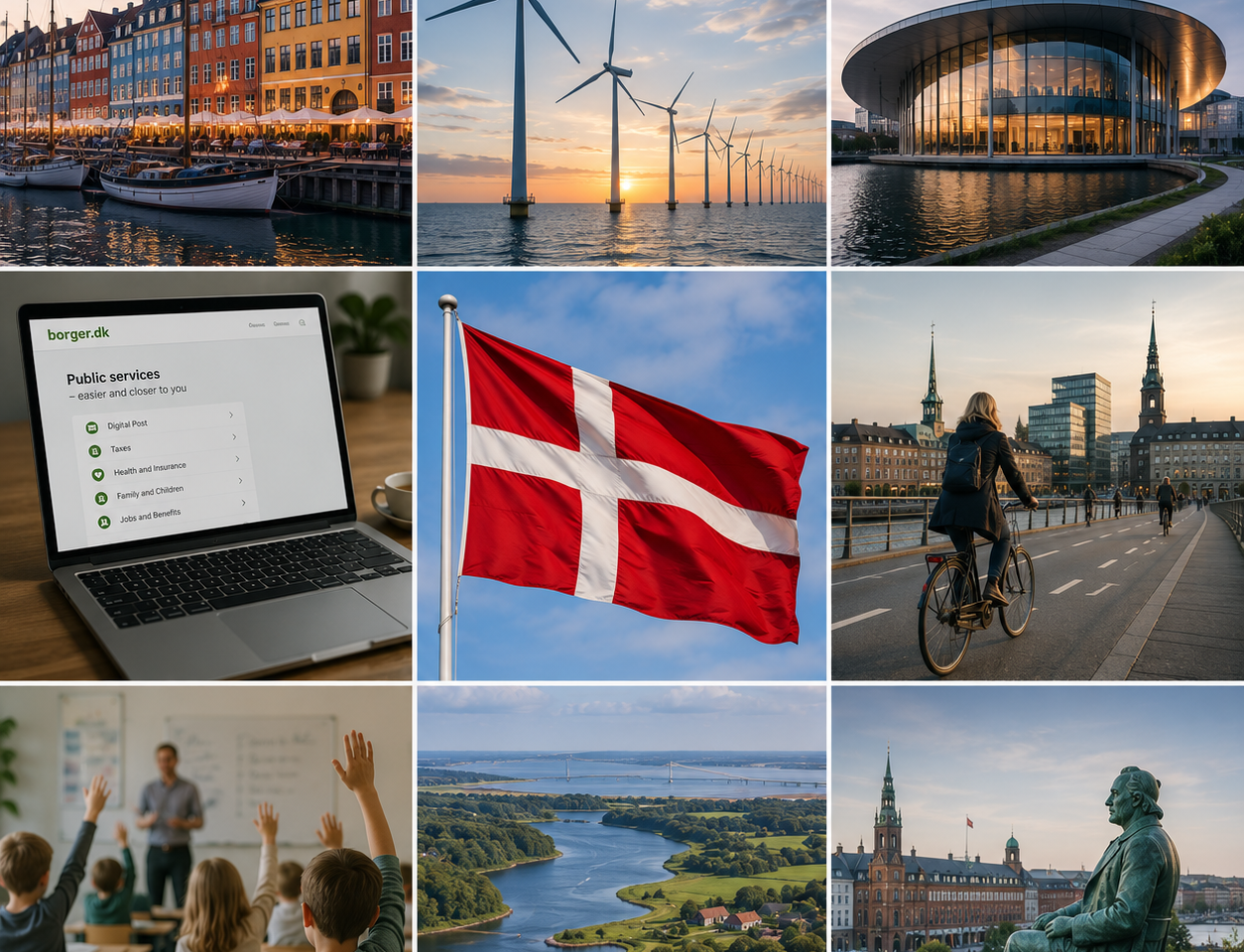
In a world shaped by disruption and rapid change, Denmark offers a different model of strength. Combining labour market flexibility, social security, digital governance and long-term pragmatism, the country has built institutions designed not to resist change, but to adapt to it.
Read More
Wednesday, June 17, 2026
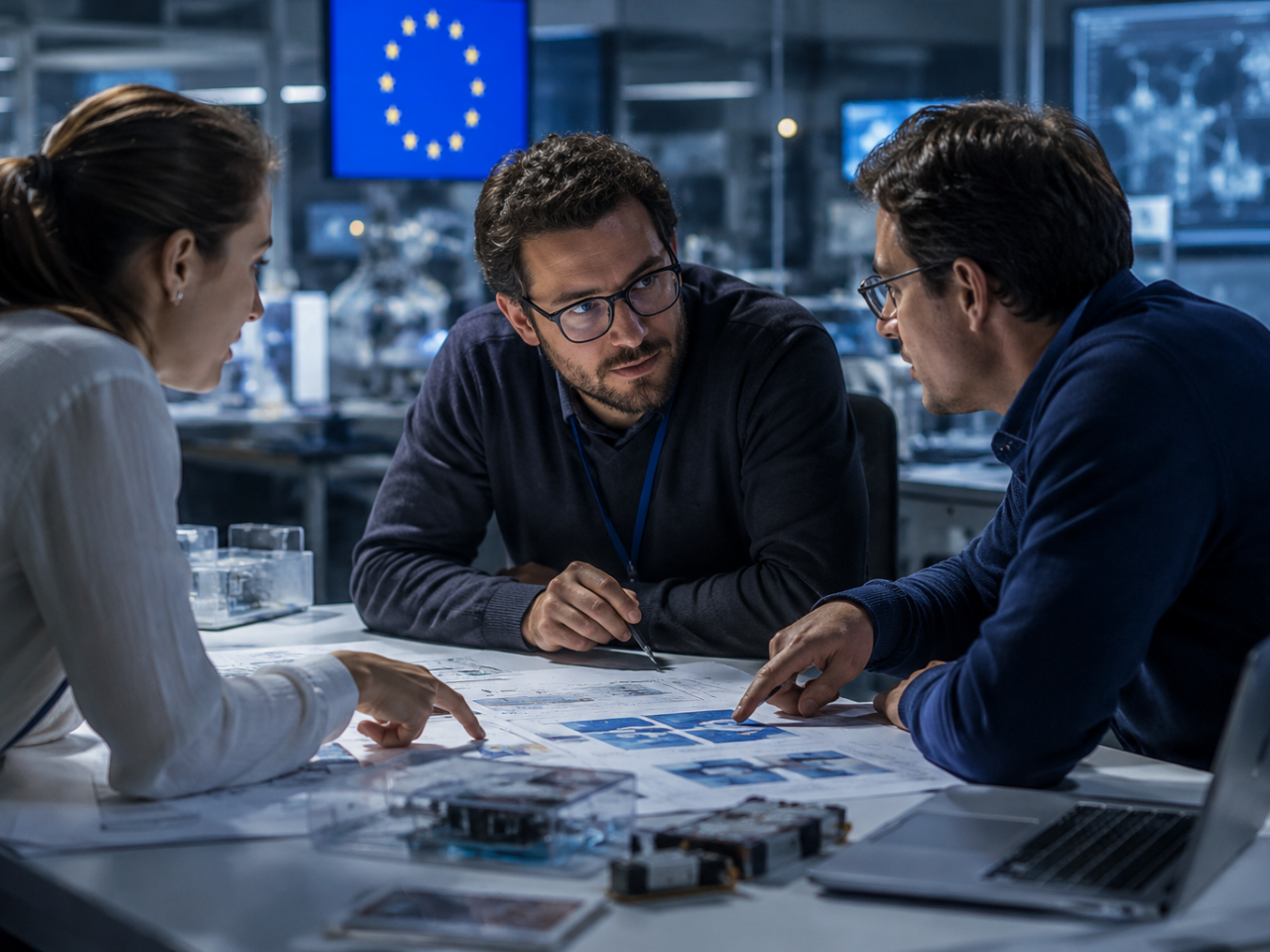
Europe’s semiconductor ambitions are often measured in factories and production capacity. Yet growing cooperation between imec, CEA-Leti and VTT raises a different question: Is Europe quietly building something far more difficult to replicate—a research infrastructure for the AI age?
Read More
Wednesday, June 17, 2026
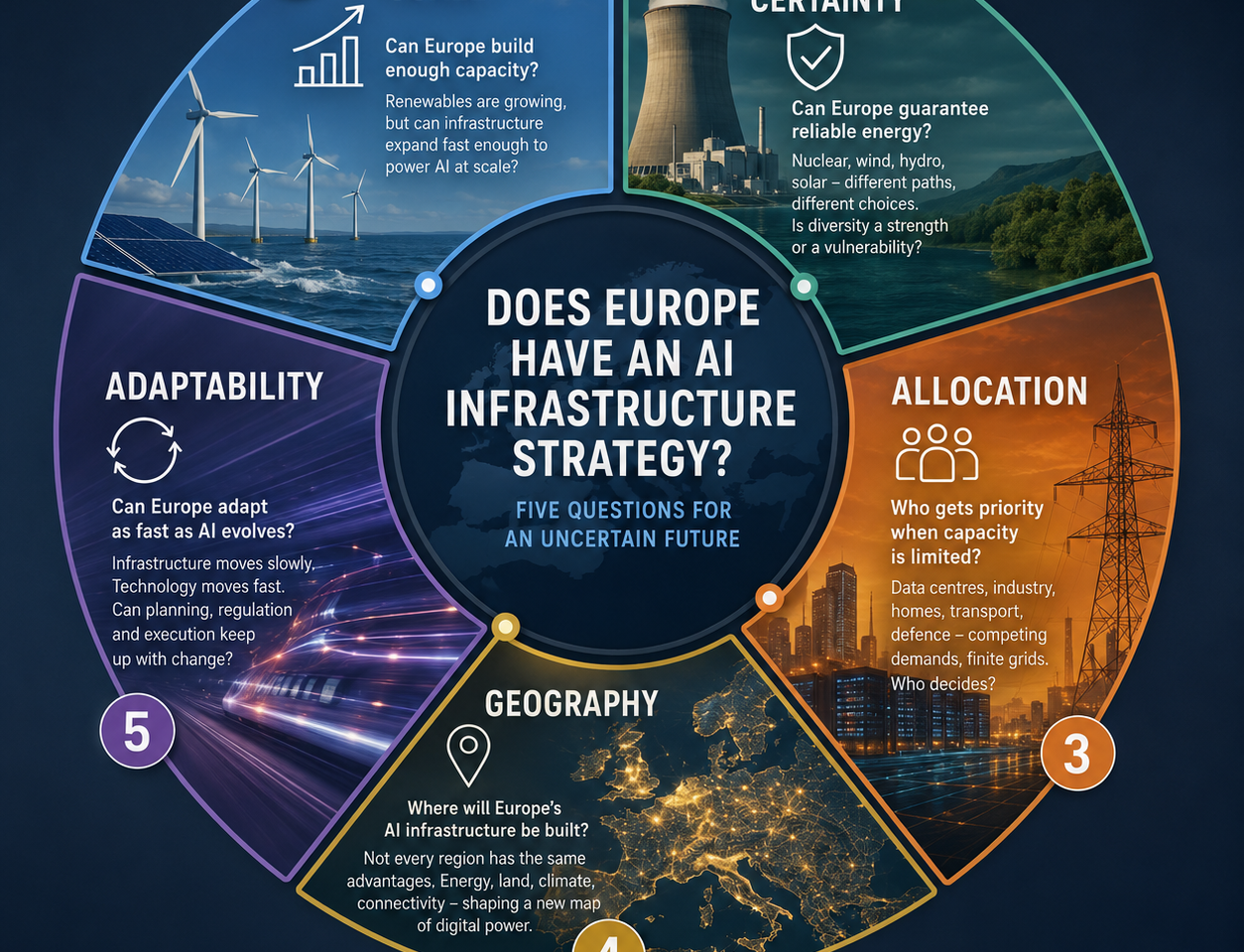
Europe leads the debate on artificial intelligence, digital sovereignty and technology regulation. Yet beneath these ambitions lies a more fundamental question: does Europe possess the infrastructure required to support large-scale AI? From energy certainty to resource allocation, geography and adaptability, five forces may ultimately determine Europe’s ability to compete in the age of artificial intelligence.
Read More
Saturday, June 13, 2026

Europe’s challenge is no longer simply competing with foreign companies. It is increasingly competing with state-backed industrial ecosystems. As strategic industries shift from products to infrastructure, Europe faces difficult questions about resilience, sovereignty and the future of open markets.
Read More
Friday, June 12, 2026

The future of Western Europe may depend less on any individual country than on the interaction between multiple forms of economic influence. Connectivity, complexity, specialisation, strategic capacity, openness and global reach together form an ecosystem whose resilience may become increasingly important in an age of fragmentation.
Read More
Friday, June 12, 2026
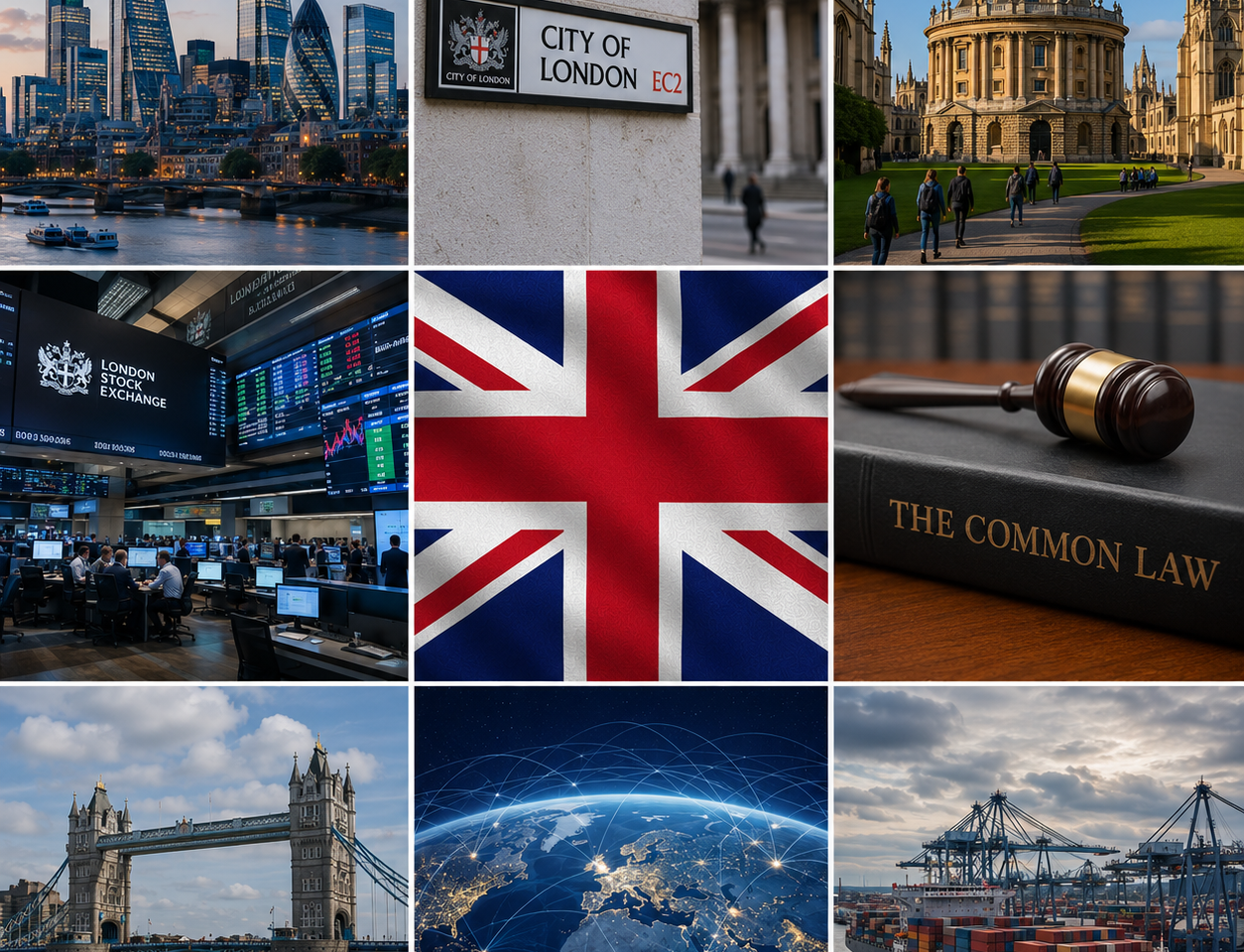
The United Kingdom remains one of the world’s most influential network economies. Through finance, law, education, research and global institutions, Britain continues to shape systems that extend far beyond its borders. Yet as economic security, industrial capacity and strategic infrastructure return to prominence, the country faces a new question: can global reach remain a source of power in an increasingly fragmented world?
Read More
Thursday, June 11, 2026

While much of Europe embraced market liberalisation, France maintained a stronger belief in the strategic role of the state. Today, as debates over industrial policy, energy security and technological sovereignty return, France’s economic model appears more relevant than it has in decades.
Read More

 Available here:
