Tuesday, October 6, 2026
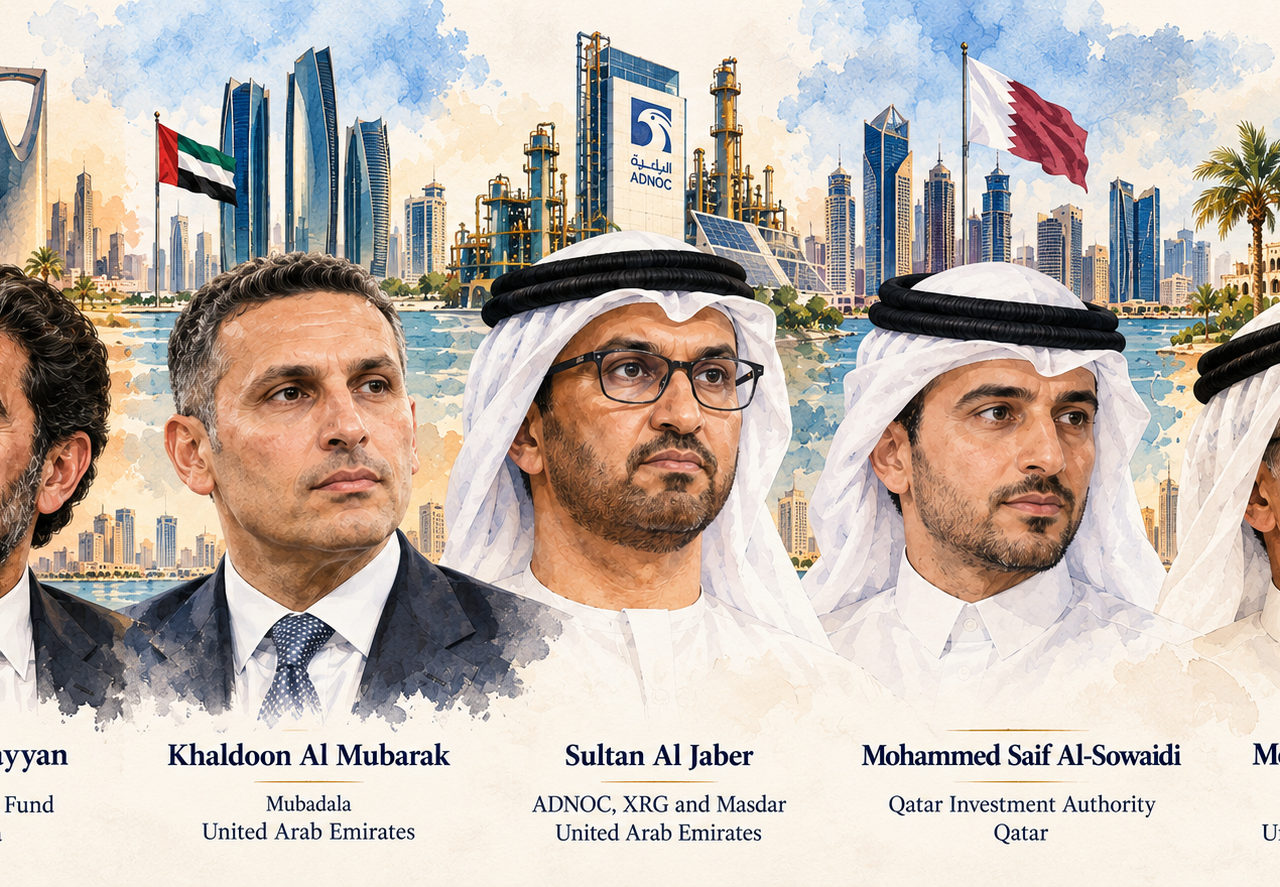
The Gulf is transforming resource wealth into a new architecture of capital. Through five influential figures, Altair Media examines how sovereign funds, energy companies and private enterprise are shaping infrastructure, technology, industry and the region’s post-oil economy.
Read More
Sunday, October 4, 2026
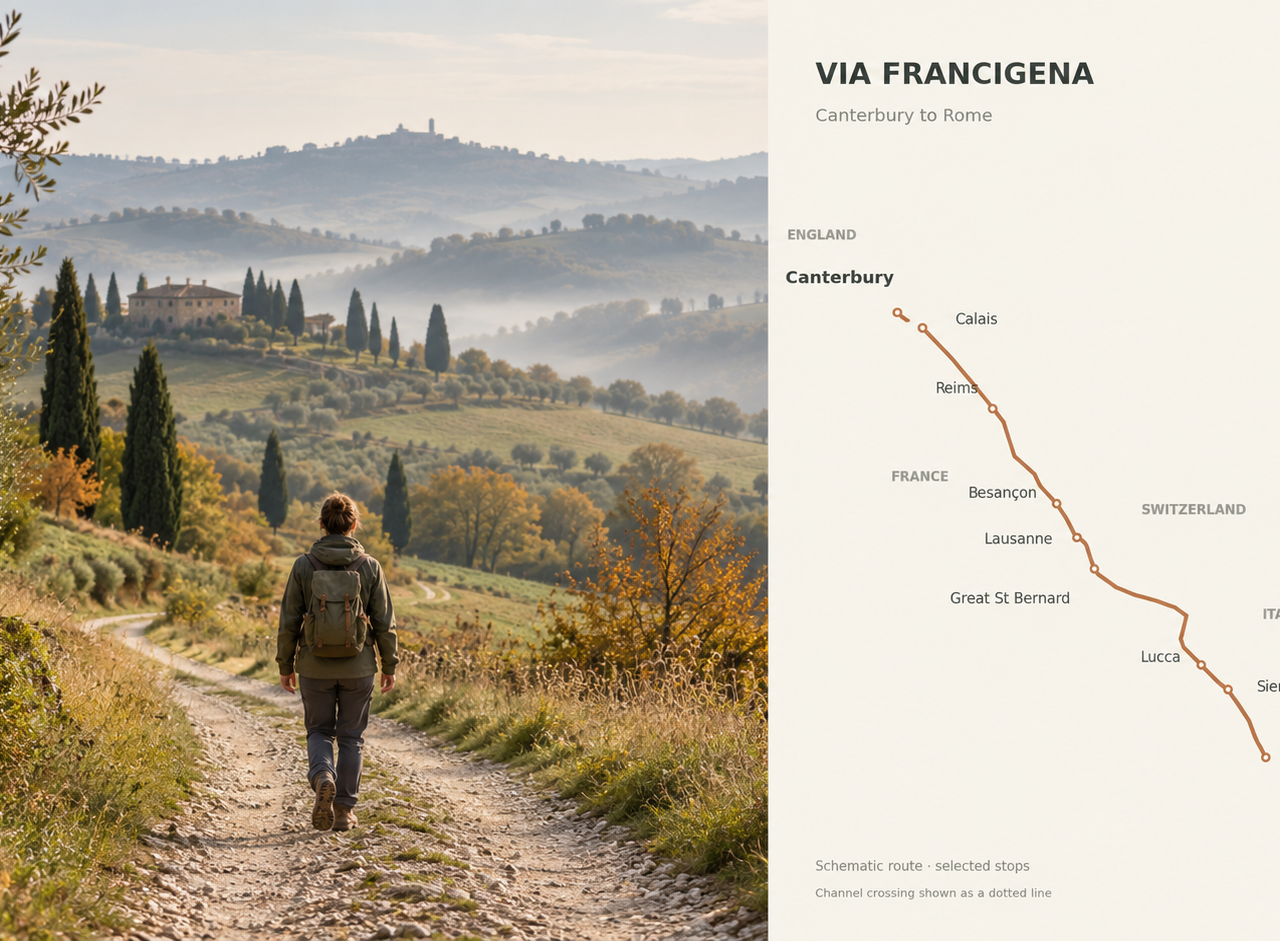
Europe’s old pilgrimage routes preserve more than religious heritage. They offer another relationship with time. Through walking, hospitality and unexpected encounters, they reveal what modern societies risk losing when every journey — and even rest — must deliver measurable results.
Read More
Wednesday, September 16, 2026
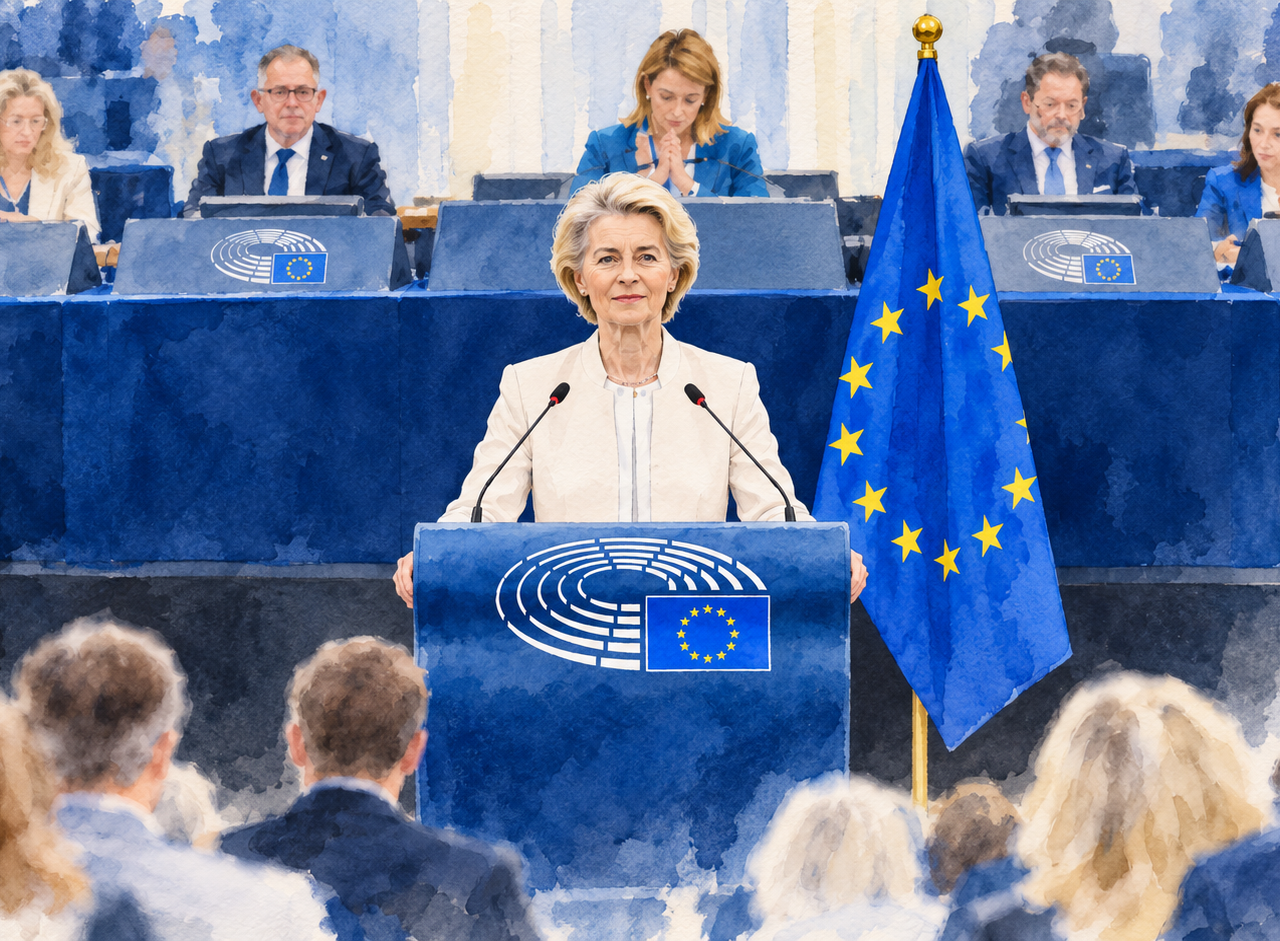
Europe’s sovereignty debate is becoming more concrete. Grids, critical materials, capital, computing and security institutions now sit at the centre. The harder test is whether Europe can turn this emerging machinery into operational capacity at continental scale.
Read More
Thursday, September 3, 2026

Europe has the savings and the industrial ambition. What it still lacks is the architecture connecting banks, public institutions and institutional capital to investable projects across technology, energy, agrifood, health and advanced manufacturing.
Read More
Sunday, August 23, 2026

Siemens Financial Services shows how industrial transformation increasingly depends on more than technology. By combining industrial knowledge with financing capacity, Siemens can help move projects from technical possibility to commercial deployment — making capital part of the industrial architecture itself.
Read More
Wednesday, August 5, 2026
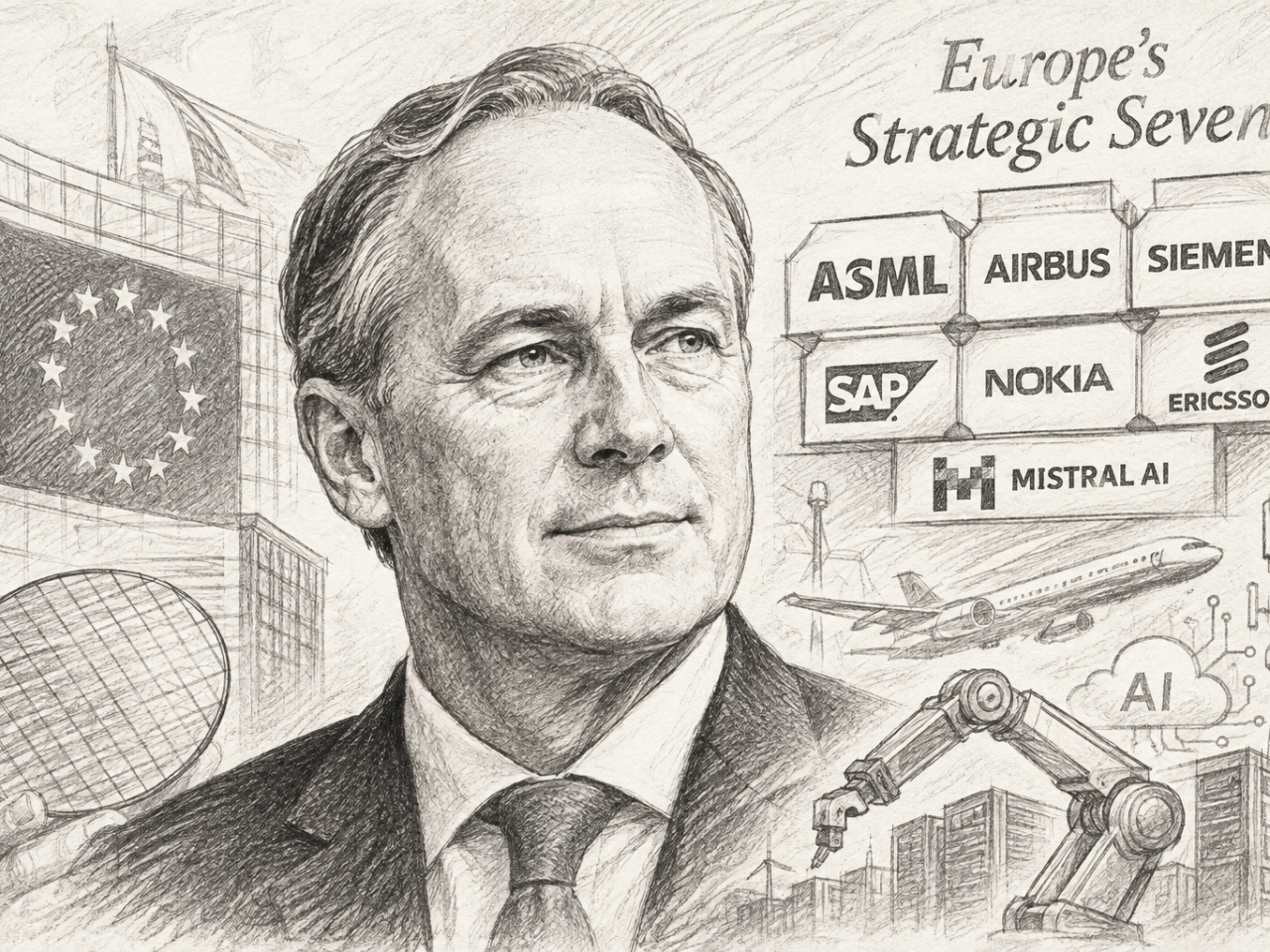
As Europe seeks technological sovereignty, the Strategic Seven represent more than a coalition of leading companies. They reflect a broader institutional shift—from regulating markets to helping shape the industrial capabilities that will define Europe’s future competitiveness.
Read More
Tuesday, August 4, 2026

Europe’s AI ambitions will not be realised by policy announcements alone. Behind every proposed AI Gigafactory lies a vast industrial ecosystem in which energy, semiconductors, connectivity, capital and talent must be coordinated into a single infrastructure.
Read More
Thursday, July 30, 2026
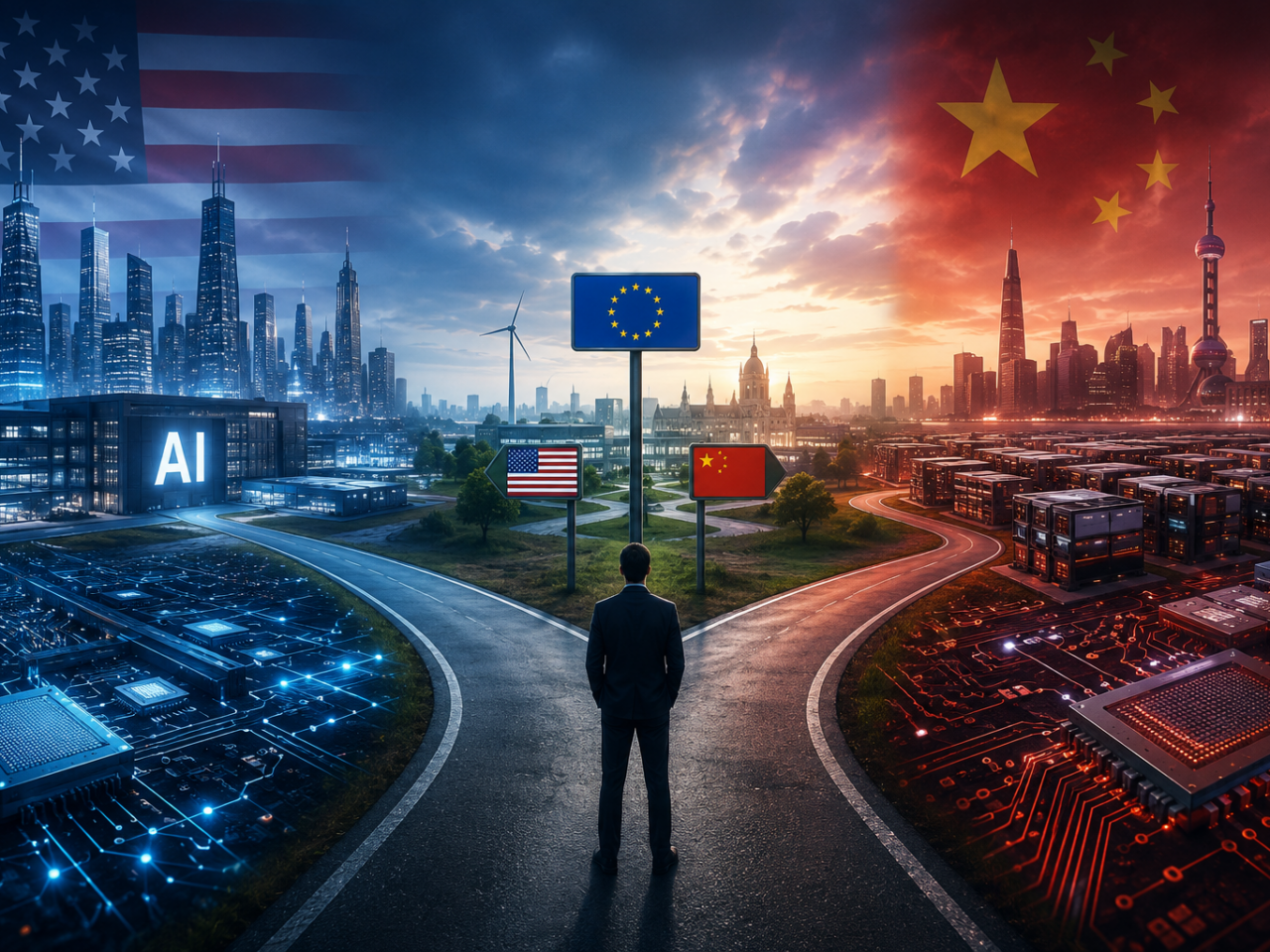
Meta is investing hundreds of billions in AI infrastructure. China is making artificial intelligence increasingly affordable. As these two strategies collide, Europe may face its greatest technological challenge yet: can digital sovereignty survive the economics of everyday choice?
Read More
Saturday, July 25, 2026
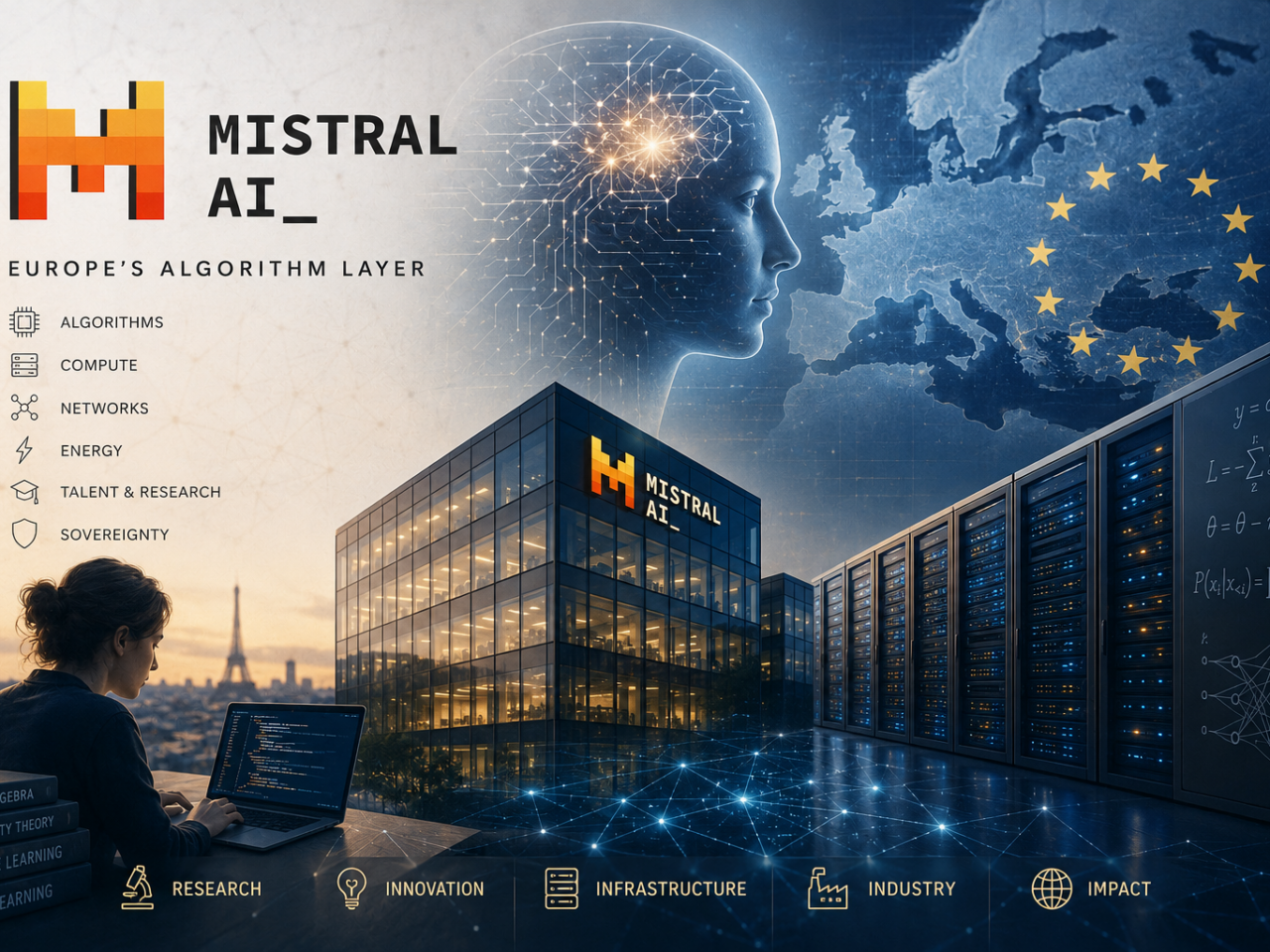
Artificial intelligence is not merely a race between chatbots. It is a competition to build the mathematical foundations upon which future societies will increasingly depend. Mistral AI illustrates why algorithms are becoming strategic infrastructure—and why Europe’s AI future begins long before the interface.
Read More
Saturday, July 25, 2026

Artificial intelligence did not emerge in isolation. It builds upon thousands of years of human curiosity, mathematics and engineering. Europe’s AI future will depend not only on algorithms, but on the knowledge, infrastructure and institutions that make intelligence possible.
Read More

 Available here: