Saturday, August 1, 2026

Migration challenges democracies to reconcile universal human rights with the practical realities of governance, institutional capacity and public trust. The question is not whether values matter, but how they can be translated into sustainable and legitimate public policy.
Read More
Wednesday, June 24, 2026
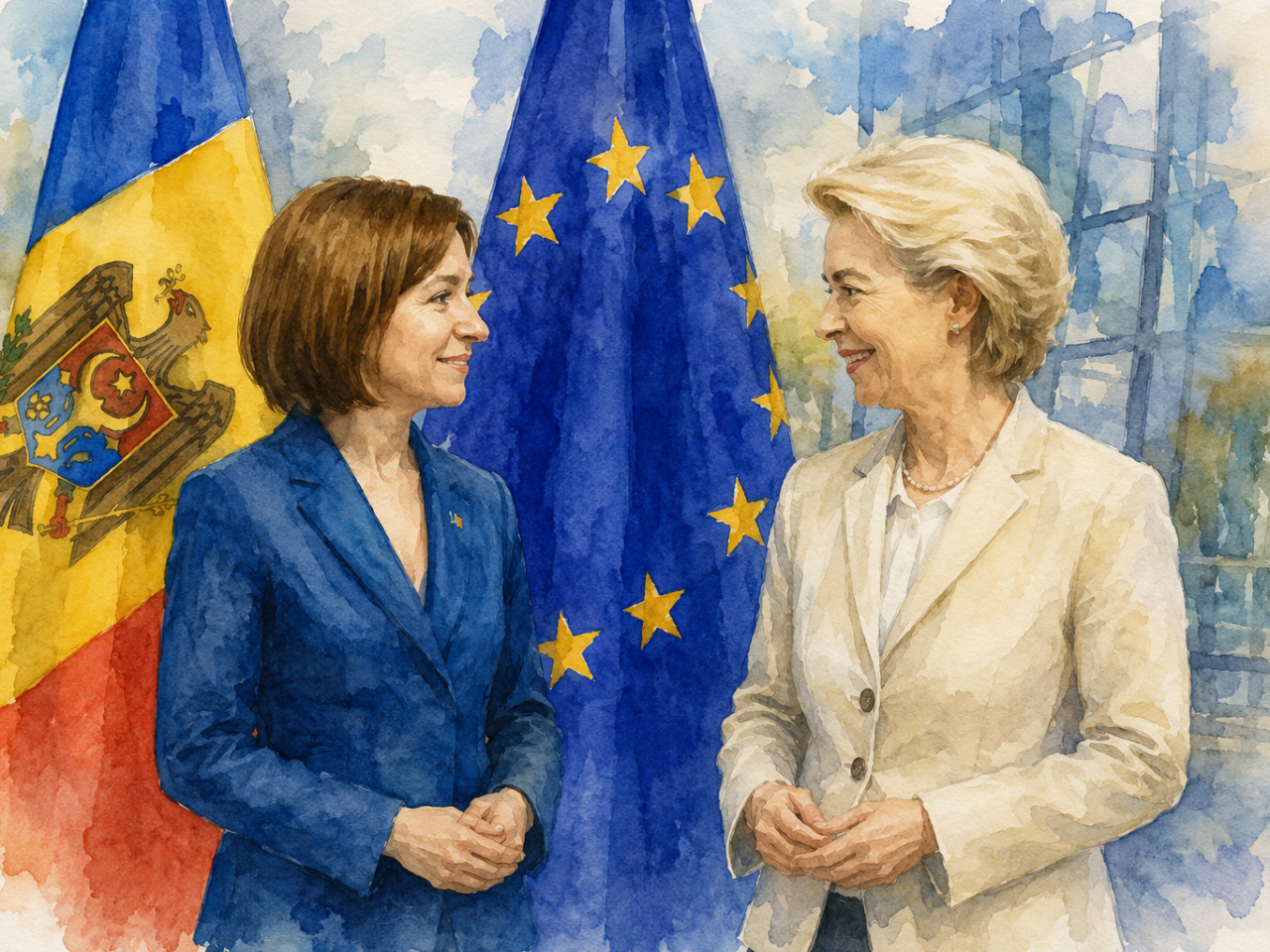
Moldova’s path toward European Union membership reveals a deeper transformation taking place within Europe itself. As energy networks, payment systems and infrastructure become tools of resilience, enlargement is increasingly about stability, sovereignty and the architecture of a changing continent.
Read More
Thursday, June 11, 2026

Belgium occupies a unique position within Europe. Combining industry, logistics, scientific research and European governance, the country functions as a crossroads where economies, institutions and cultures converge. Its experience offers a glimpse into how complexity can become a source of resilience in an increasingly uncertain world.
Read More
Sunday, June 7, 2026

When seven European technology leaders issued a joint call for action, much of the discussion focused on regulation. Yet the significance of the coalition may lie elsewhere. By bringing together companies from semiconductors, telecommunications, industrial systems, software, artificial intelligence and aerospace, the statement reveals a broader shift in European thinking: from individual sectors toward interconnected technology ecosystems.
Read More
Saturday, June 6, 2026
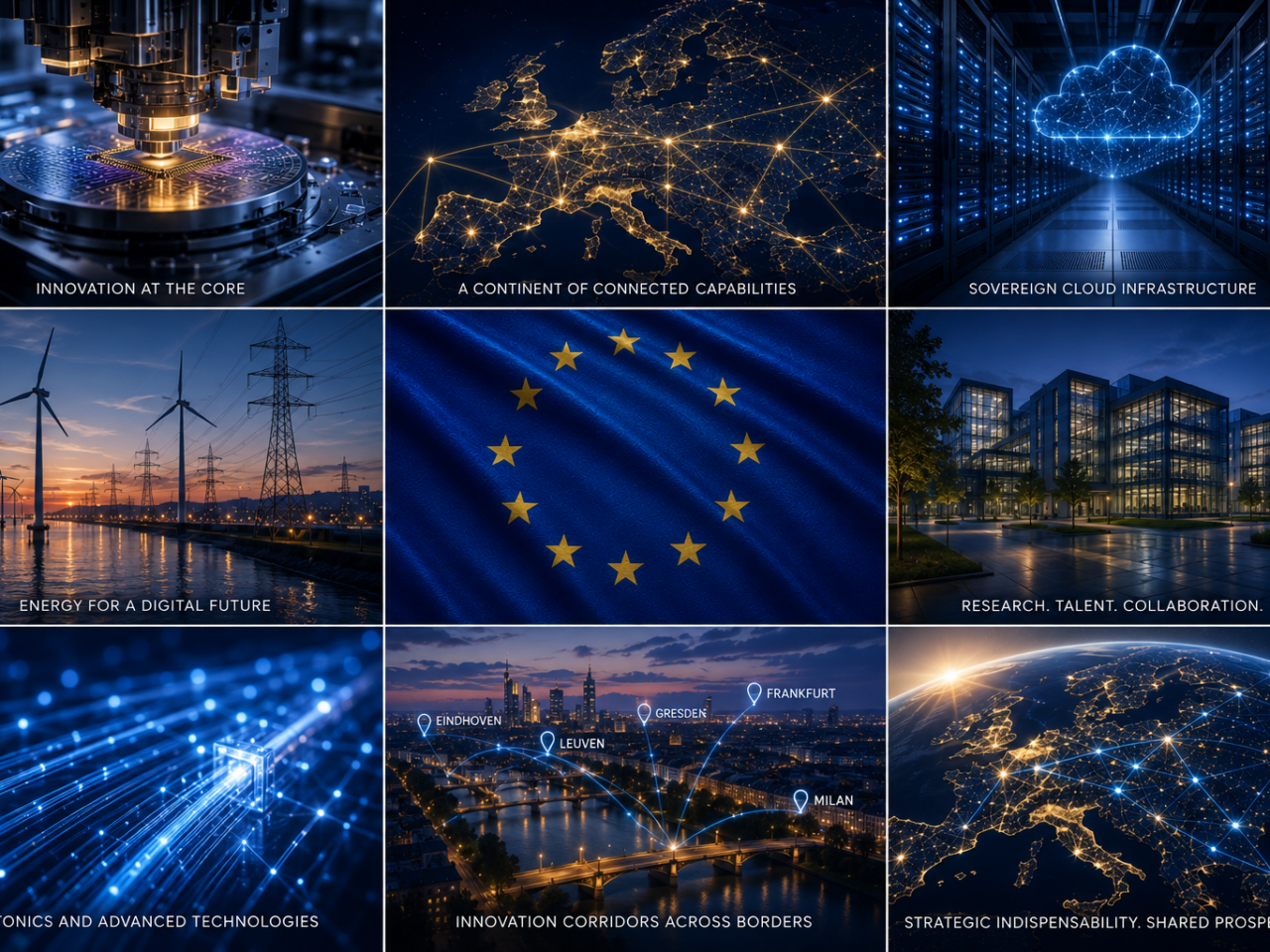
Europe’s technological future may depend less on national champions and more on networks of specialised ecosystems. From semiconductors and cloud infrastructure to energy systems and research clusters, competitiveness increasingly emerges from the connections between Europe’s most important capabilities.
Read More
Saturday, June 6, 2026

Artificial intelligence may be built with software, but it runs on electricity. As Europe expands its ambitions in AI, cloud computing and technological sovereignty, energy infrastructure is emerging as one of the most critical foundations of future competitiveness and resilience.
Read More
Friday, June 5, 2026

Cloud computing is increasingly becoming more than a commercial service. As Europe expands its ambitions in artificial intelligence and technological sovereignty, cloud infrastructure is emerging as a critical foundation for economic resilience, digital competitiveness and strategic autonomy.
Read More
Friday, June 5, 2026
The future of Europe’s semiconductor strategy may depend less on producing everything at home and more on controlling critical technologies. Chips Act 2.0 signals a shift towards technological indispensability, infrastructure resilience and long-term strategic competitiveness.
Read More
Friday, June 5, 2026
For years, Europe spoke about digital sovereignty as a long-term ambition. With the launch of the Tech Sovereignty Package and Chips Act 2.0, that ambition is beginning to take institutional form. This series explores how semiconductors, cloud infrastructure, AI and energy are becoming part of a broader European strategy to reduce critical dependencies and strengthen technological resilience.
Read More
Monday, June 1, 2026
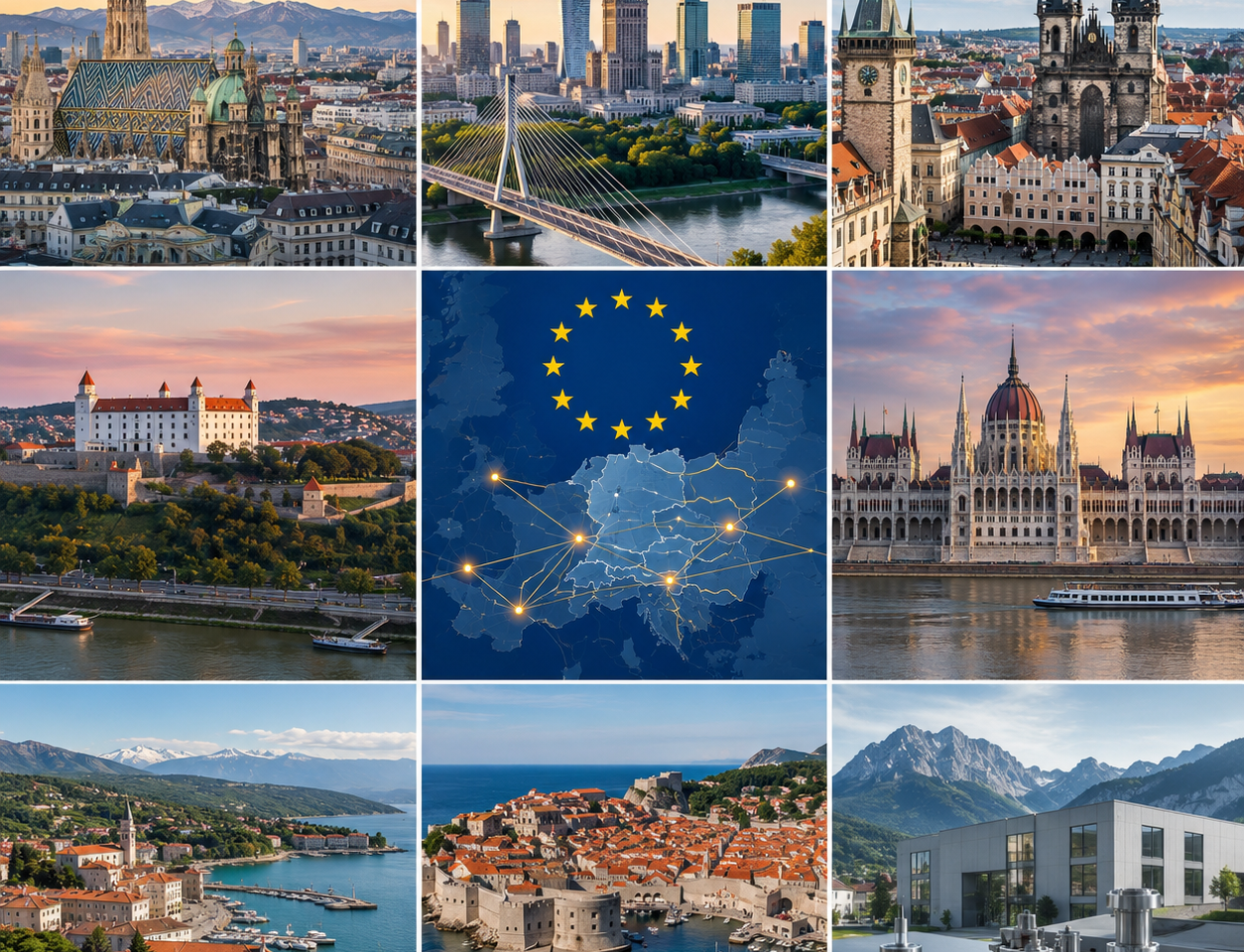
Central Europe is emerging as one of the most dynamic regions within the European economy. This series explores how Austria, Poland, Czechia, Slovakia, Hungary, Slovenia, Croatia and Liechtenstein contribute to Europe’s industrial strength, innovation capacity, infrastructure networks and long-term economic resilience.
Read More

 Available here: