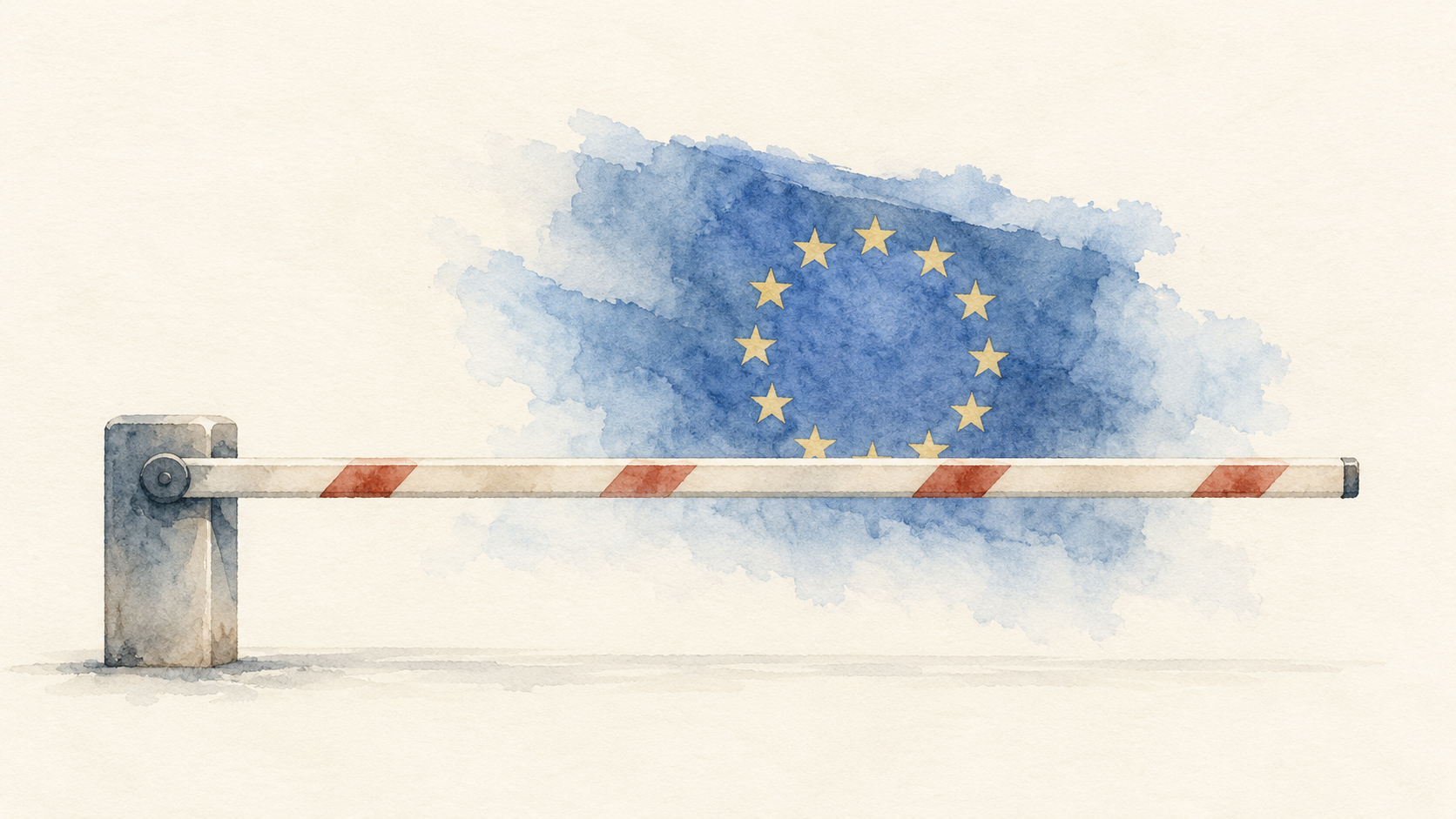
Europe’s national veto protects sovereignty and ensures that sensitive decisions receive broad support. Yet it can also delay collective action and turn consent into bargaining power. This Perspective examines how the EU can protect national interests while keeping shared commitments deliverable.
Europe’s Power to Decide

Vetoes, enlargement and the struggle to govern a larger Union
Europe’s ambitions are growing, but its ability to act remains contested. As the Union prepares for enlargement, calls to curb national vetoes raise a fundamental question: who should decide Europe’s future? This series examines the balance between collective action, national sovereignty and democratic consent — and what it takes to govern a larger Union with authority and trust.
About the series
Taking Ursula von der Leyen’s call for reform as its starting point, this four-part Altair Media Europe series explores how the Union makes decisions and why those rules matter.
It examines the national veto as both a safeguard and a source of deadlock; the institutional challenges of welcoming new members; the distribution of power between large and small countries; and the democratic foundations of more effective European government.
Throughout, one question connects the articles: how can Europe strengthen its capacity to act while ensuring that its decisions remain accountable, legitimate and broadly supported?
Credit
Altair Media — watercolour illustration.
Caption
Ursula von der Leyen’s call to reform European decision-making opens a wider debate about how a larger Union can balance collective action, national sovereignty and democratic consent.
