Tuesday, July 21, 2026

As digital infrastructure increasingly crosses national borders, legal frameworks are becoming a strategic component of resilience. The first Strategic Signal explores how questions of accountability, jurisdiction and governance may prove just as important as technology in shaping digital sovereignty.
Read More
Thursday, July 16, 2026

Digital sovereignty is rapidly evolving from a technology discussion into a question of national resilience. As governments become increasingly dependent on critical digital infrastructure, Meridian Exchange 2026 in Dubai aims to bring policymakers, infrastructure leaders and technology experts together to explore what sovereign digital ecosystems require.
Read More
Monday, July 13, 2026
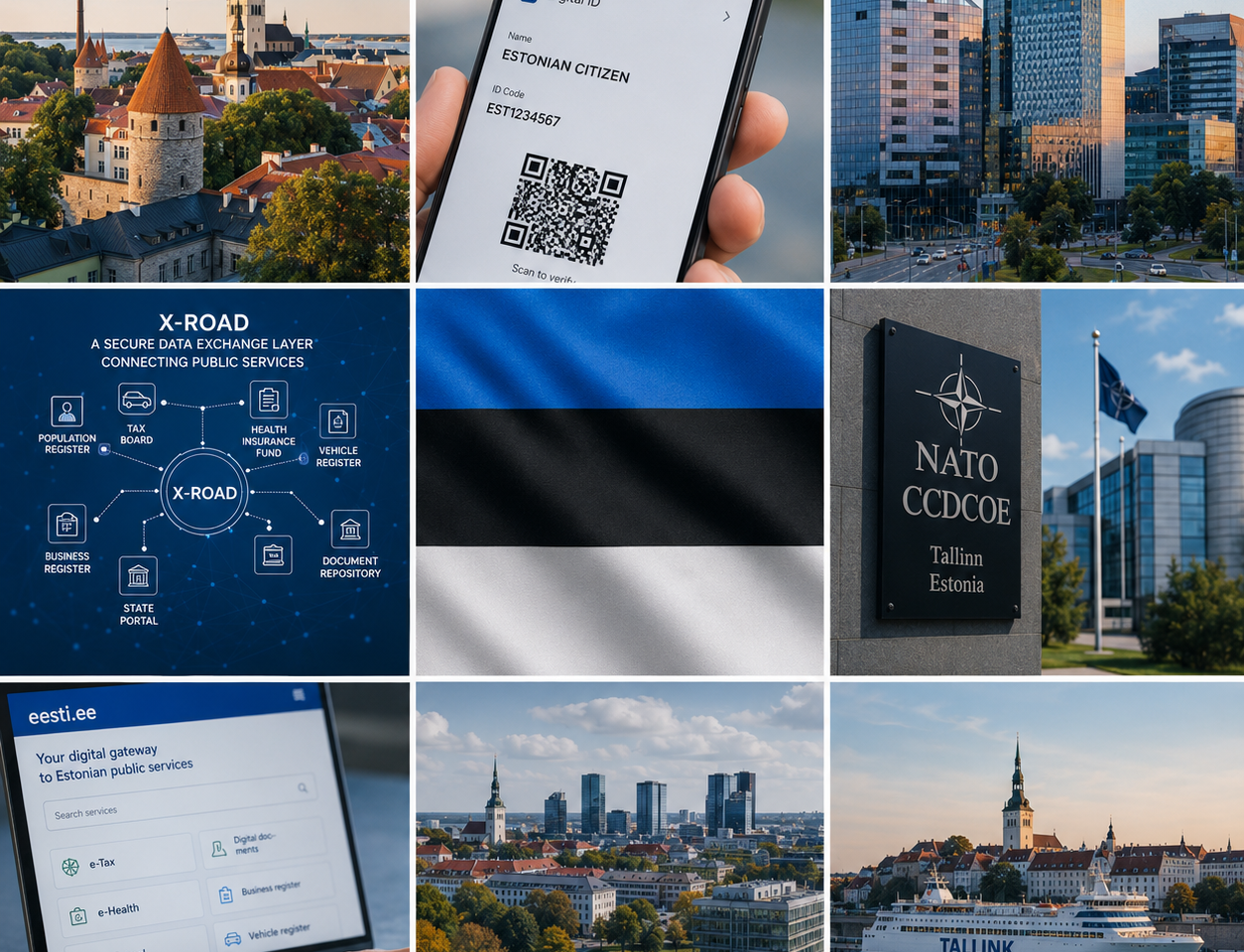
Following the restoration of independence in 1991, Estonia chose to rebuild its institutions around digital infrastructure rather than bureaucracy. Today, the country demonstrates how trust, cybersecurity and digital governance have become strategic assets for both economic competitiveness and national resilience.
Read More
Thursday, June 25, 2026

While many societies spent decades optimising for efficiency, Finland quietly invested in resilience. From education and cybersecurity to strategic reserves and comprehensive preparedness, the country demonstrates how uncertainty can become a catalyst for institutional strength rather than vulnerability.
Read More
Thursday, May 28, 2026
Europe’s sovereign cloud ambitions are entering a more pragmatic phase. The partnership between KPN and Schwarz Digits reflects a broader European shift away from the illusion of full technological independence toward strategic control over infrastructure, governance and critical digital systems.
Read More
Tuesday, May 26, 2026
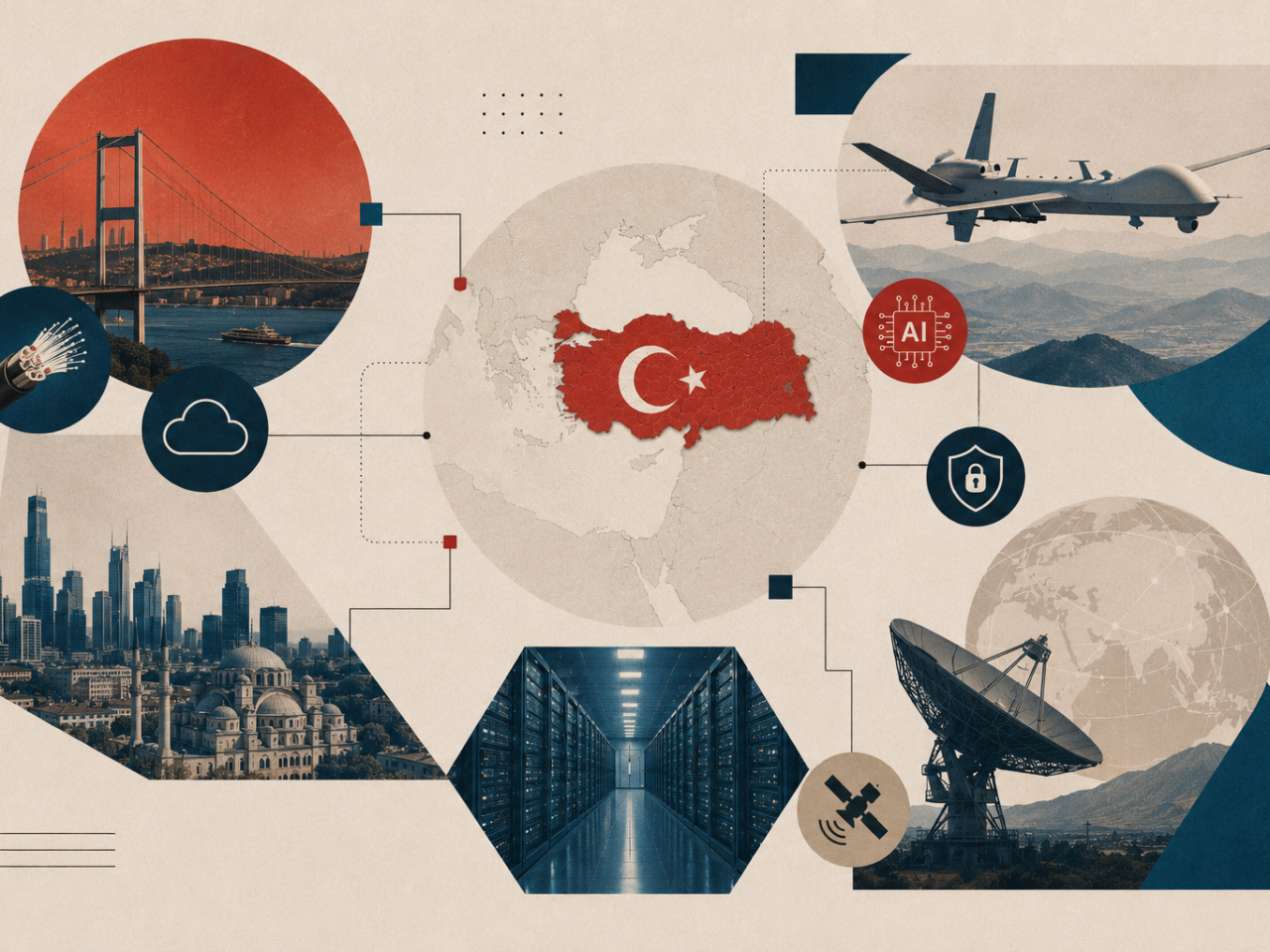
Turkey is building a sovereign infrastructure model outside the traditional European framework, combining telecom, AI, defence technology and strategic state coordination. This article explores how Ankara increasingly treats infrastructure as an integrated instrument of geopolitical power.
Read More
Tuesday, May 5, 2026

Modern security relies on mathematical trust. Quantum computing challenges that foundation, making today’s encryption vulnerable over time. The result is not immediate collapse—but a gradual shift, where information becomes asymmetrical and control moves to those who can see first.
Read More
Thursday, January 15, 2026

Orange, the former France Telecom, is taking a different path. While Telefónica in Spain pursues a sharp, almost surgical reduction in workforce to fund its AI ambitions, Orange seeks balance. The company aims to embrace AI without sacrificing the human element, positioning itself as Europe’s digital sentinel.
Read More
Tuesday, December 16, 2025

Artificial intelligence is no longer a peripheral technology for Europe’s telecom operators. Companies such as Vodafone, Deutsche Telekom, T-Mobile and KPN are increasingly embedding AI deep into their networks, operations and strategic positioning. What was once a tool for optimization is now becoming a prerequisite for survival in a sector under pressure from low margins, heavy regulation and global technological competition.
Read More
Friday, November 28, 2025

The Netherlands is not a numerical AI superpower — but it is an influential one. While other countries talk big, the Dutch build the components that keep the global system running. No hype cycles, no billion-dollar theatrics: the strength of the Netherlands lies in precision, infrastructure and reliability.
Read More

 Available here: