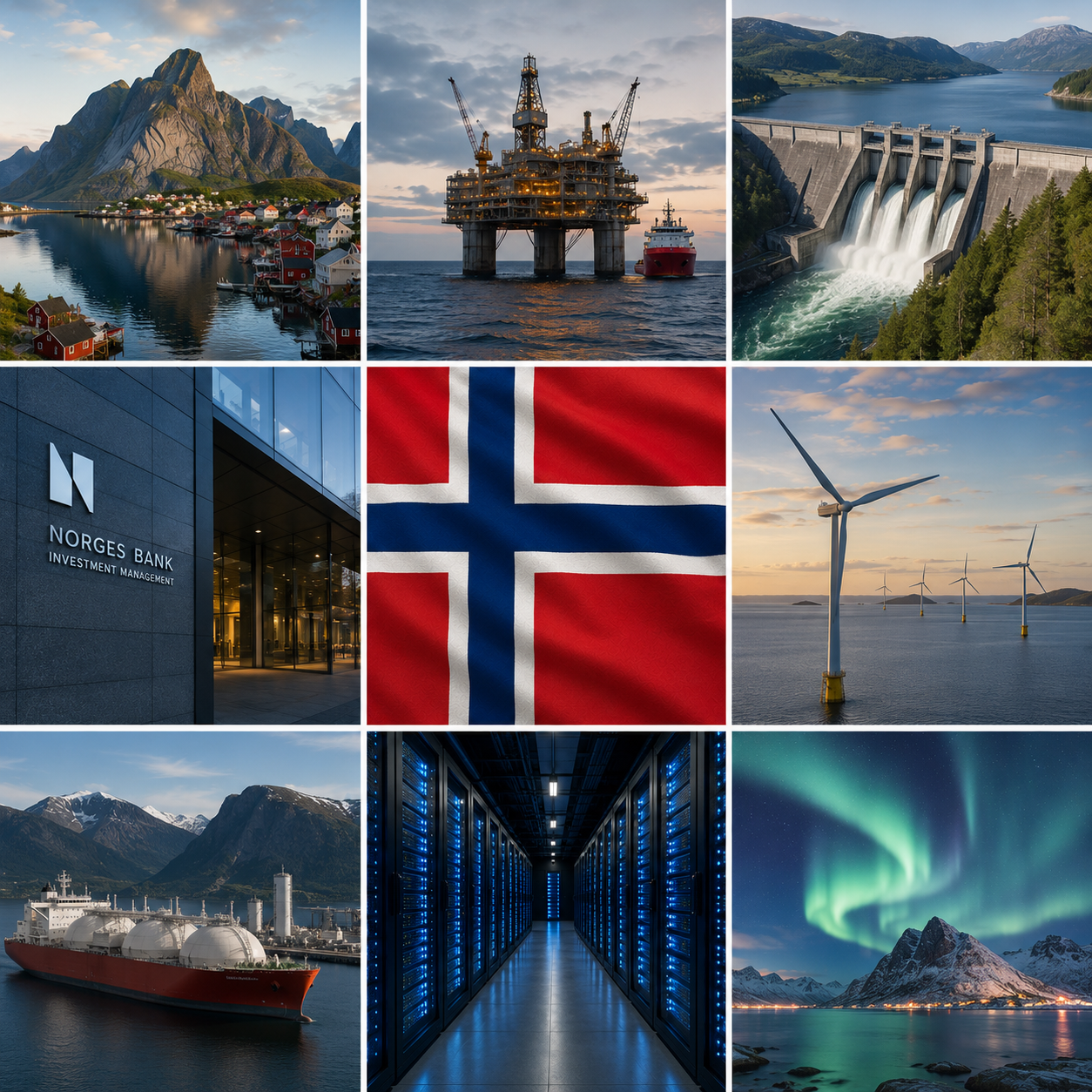
Norway is often associated with oil, gas and extraordinary national wealth. Yet its deeper achievement may lie elsewhere. Through long-term planning, strong institutions and one of the world’s largest sovereign wealth funds, Norway has demonstrated how resource wealth can be transformed into resilience for future generations.
Society & Culture
Understanding the people, values and cultural forces behind Europe’s transformation.
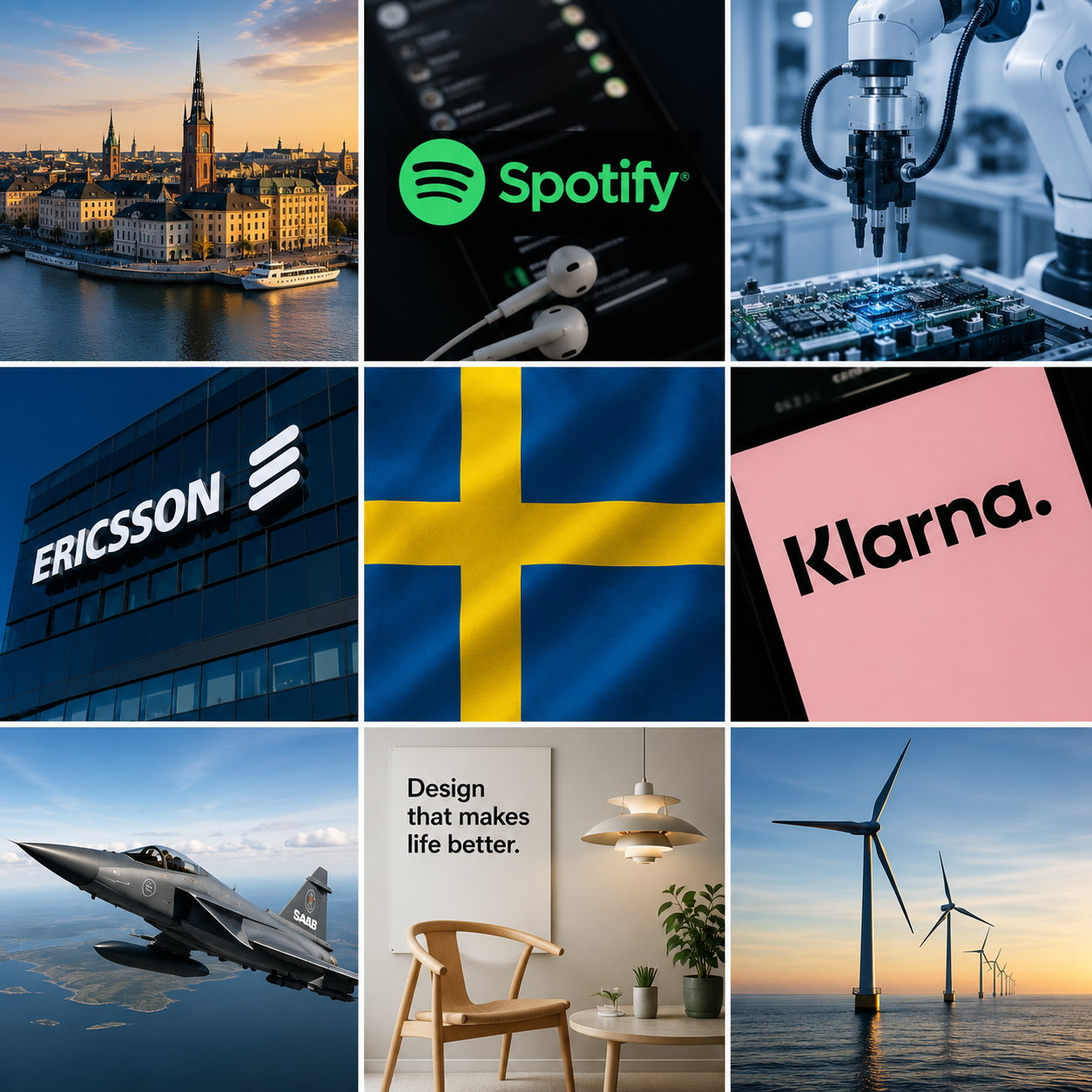
Sweden is often recognised for companies such as IKEA, Ericsson, Spotify, Klarna and Saab. Yet the country’s deeper strength lies in something broader: an innovation ecosystem built upon education, research, trust and long-term investment in human capital. Sweden demonstrates that innovation is not simply an economic activity—it is a societal capability.

Across Europe, organisations are using theatre, dance and creative expression to help young people develop confidence, communication skills and a stronger sense of self. Through the example of fABULEUS, this article explores why creativity remains an important part of youth development in a rapidly changing world.

Most people think of loneliness as a personal problem. Yet organisations such as Mental Health Europe and the European Public Health Alliance increasingly see it as a broader societal challenge. As Europe becomes more digital and interconnected, questions about social connection, wellbeing and community are moving higher on the policy agenda.
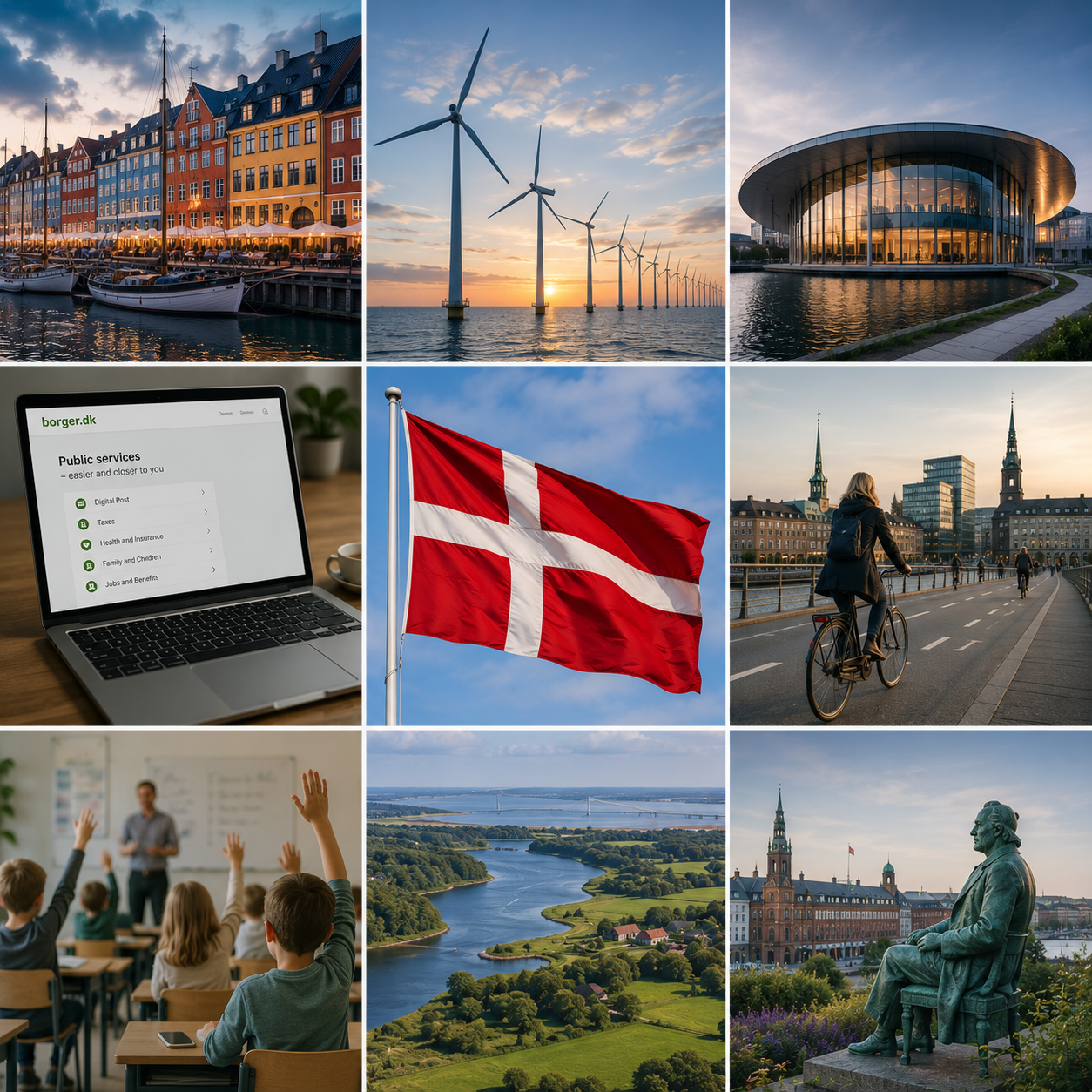
In a world shaped by disruption and rapid change, Denmark offers a different model of strength. Combining labour market flexibility, social security, digital governance and long-term pragmatism, the country has built institutions designed not to resist change, but to adapt to it.

Many people share a quiet, persistent feeling: not that technology is becoming too complex, but that everything keeps changing faster than they can reasonably keep up. As Europe accelerates its digital transformation, a deeper question is emerging. Can societies adapt as quickly as the systems they create?
