
Luxembourg is one of Europe’s smallest countries, yet its influence extends far beyond its borders. Through finance, international institutions, satellite communications and strategic specialisation, the country demonstrates how expertise and indispensability can create influence beyond scale.
Society & Culture
Understanding the people, values and cultural forces behind Europe’s transformation.

The Netherlands has built its prosperity on connectivity. From ports and airports to digital networks and advanced technology ecosystems, the country functions as one of Europe’s most interconnected economic systems. Yet in a fragmenting world, the foundations of that model are increasingly being tested.
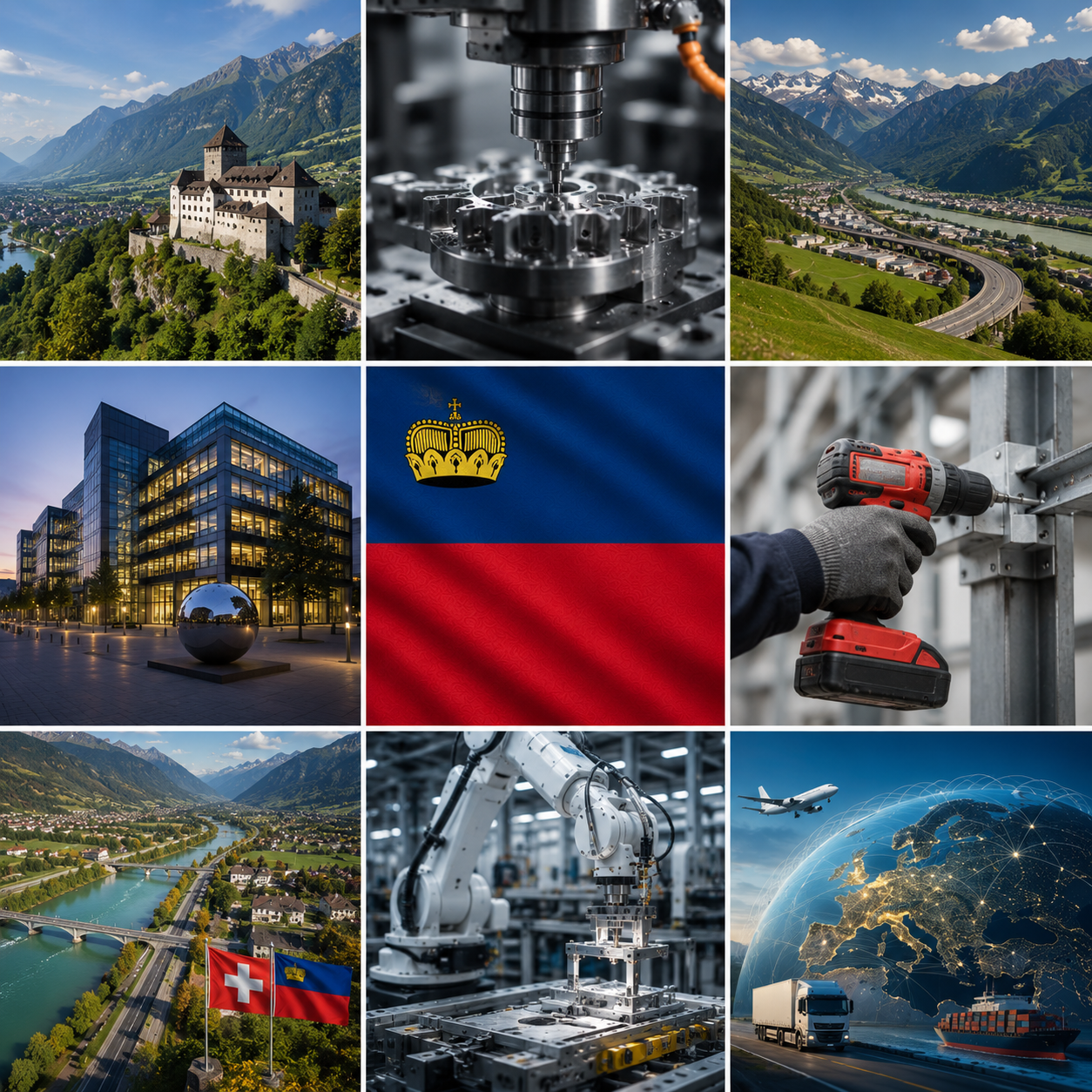
Liechtenstein is one of Europe’s smallest states, yet one of its most productive economies. Through specialization, precision engineering and global connectivity, the principality demonstrates how economic influence can emerge from density, focus and indispensability rather than scale alone.

Switzerland has built one of the world’s most innovative economies through research, precision engineering, finance and education. Its experience raises a broader European question: how can a country remain deeply integrated while preserving strategic independence in an increasingly interconnected world?
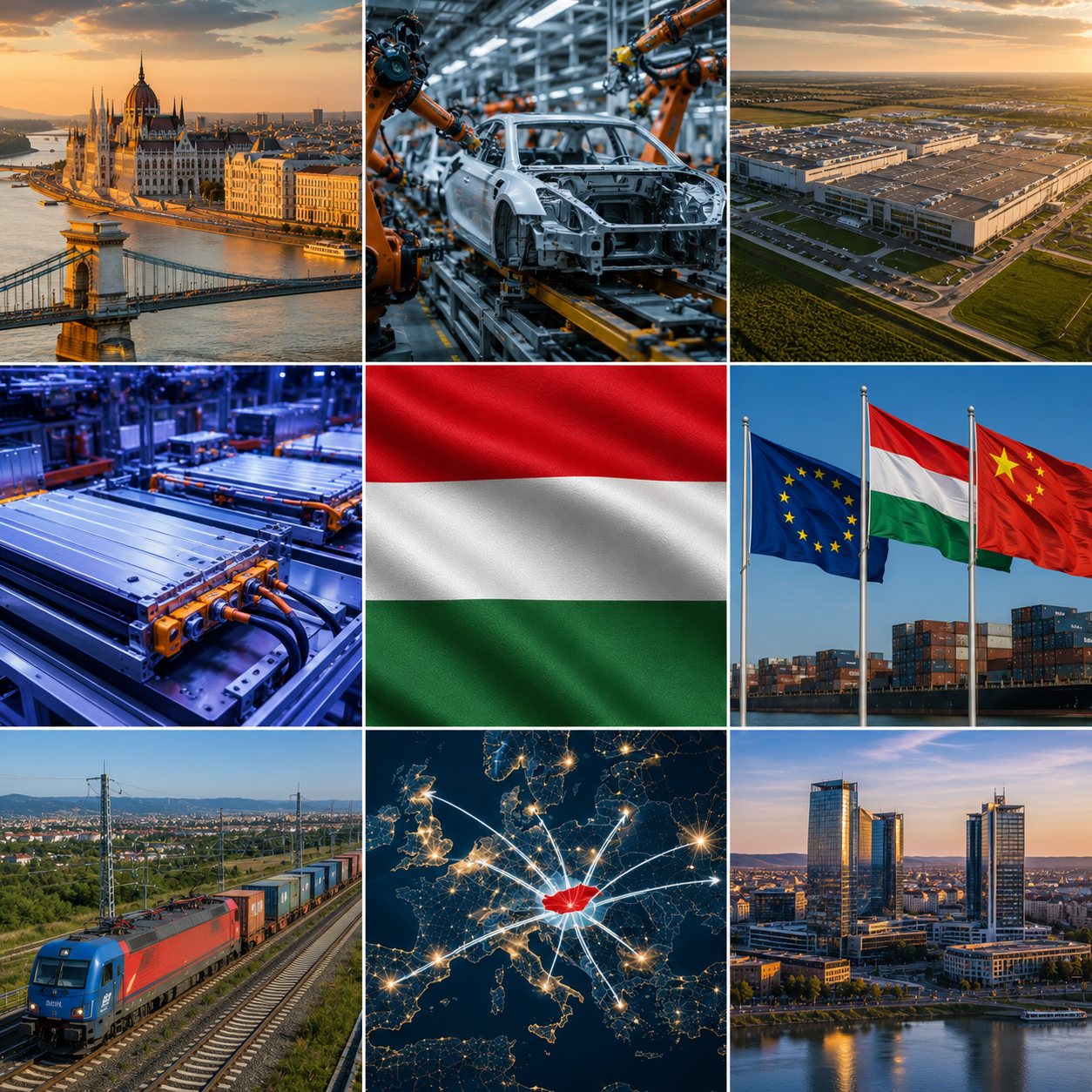
Hungary has become one of Europe’s most strategically positioned economies, connecting German industry, Asian investment and the continent’s battery transition. Its economic trajectory offers a glimpse into the increasingly complex relationship between industrial competitiveness, technological sovereignty and geopolitical strategy.

Austria occupies a unique position within Central Europe. Through infrastructure, finance, engineering and regional connectivity, the country functions as a critical coordination hub linking Western Europe with the industrial economies of Central and South-Eastern Europe.
