The Coalition Survived. Can It Change How It Governs?

After a tax bill split the Dutch minority coalition, Prime Minister Rob Jetten wants clearer rules for negotiating with Parliament
The annual tax bill passed the Dutch lower house by 76 votes to 74. The VVD voted against it, despite governing alongside D66 and CDA in Jetten’s minority coalition. Five days later, the three parties say they have repaired their relationship and VVD senators intend to support the bill. The crisis has eased. Has the way they govern changed?
Five questions reveal what the coalition has settled and what it still needs to work out.
Read MoreWhat Will Make Customers Choose Photonics?

Better chips and faster sensors offer remarkable possibilities. But what makes photonics worth buying?
Integrated photonics is opening new possibilities for artificial intelligence, autonomous systems, industrial automation and healthcare. Yet technological progress does not automatically create demand. At PIC Summit Europe 2026 in Eindhoven, presentations from MicroVision, SICK and Philips highlighted a central challenge: turning promising technology into solutions that customers need, trust and are willing to pay for.
The distinction is important. Photonics may deliver better performance, but customers ultimately judge the value of the complete solution.
Five questions about the commercial future of photonics.
Read MoreCan Europe Build Seven AI Gigafactories?
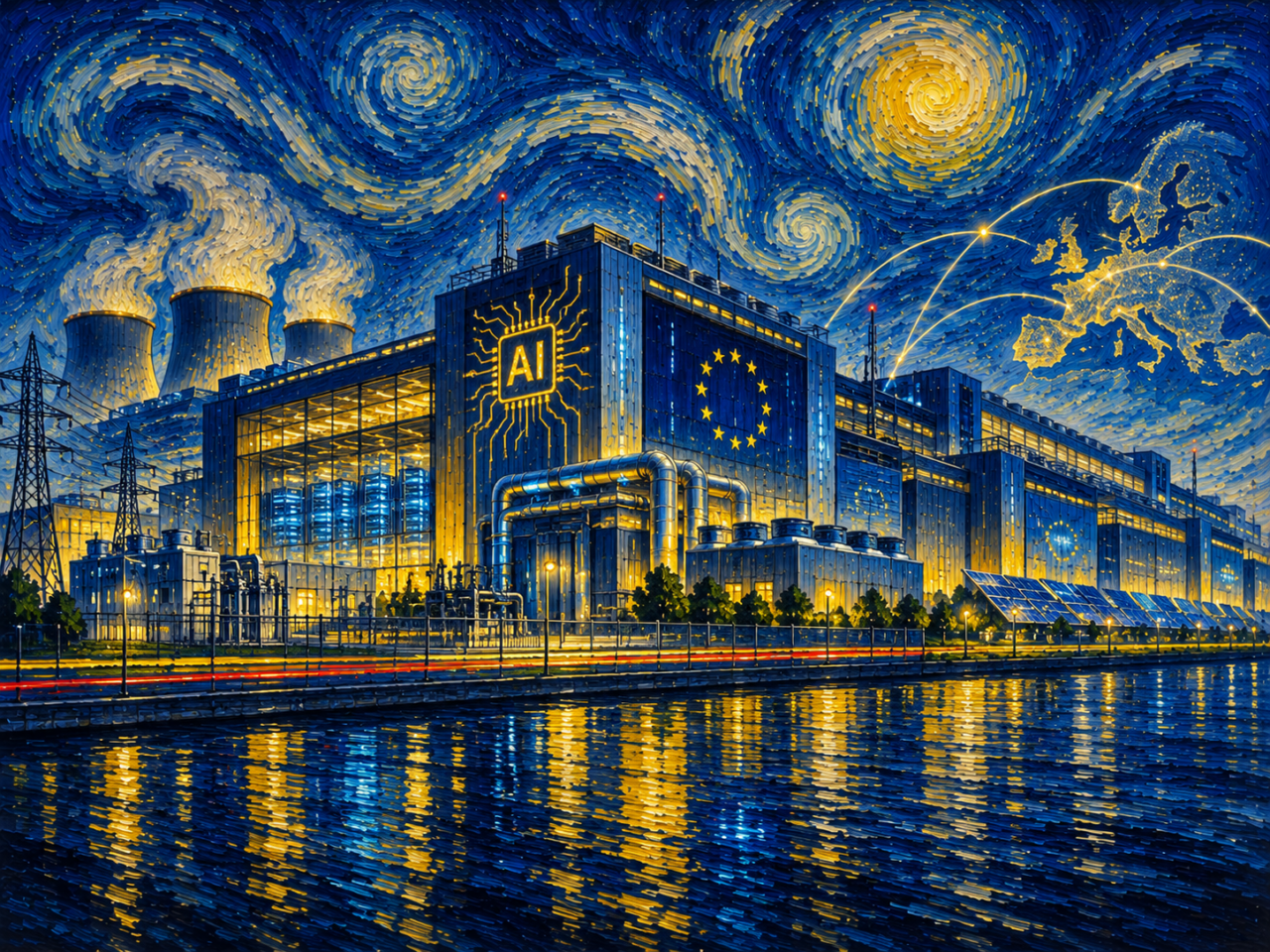
Europe wants to build up to seven AI Gigafactories. But can electricity, water, engineers, chips, permits and capital come together to turn that ambition into reality?
Europe plans to invest billions in AI Gigafactories to strengthen its computing capacity and reduce dependence on infrastructure outside the continent. The European Commission expects up to €10 billion in public support to help attract at least €20 billion in private investment. But turning investment plans into working infrastructure is another challenge.
In November 2026, EuroHPC confirmed an extension of the application deadline for four medium-scale Gigafactories to February 2027. Member States need more time to complete budget procedures and secure financial commitments. The deadline for three larger facilities remains 3 December 2026.
Even before construction begins, financial coordination is proving demanding. And funding is only one part of the challenge.
Read MoreSociety & Culture
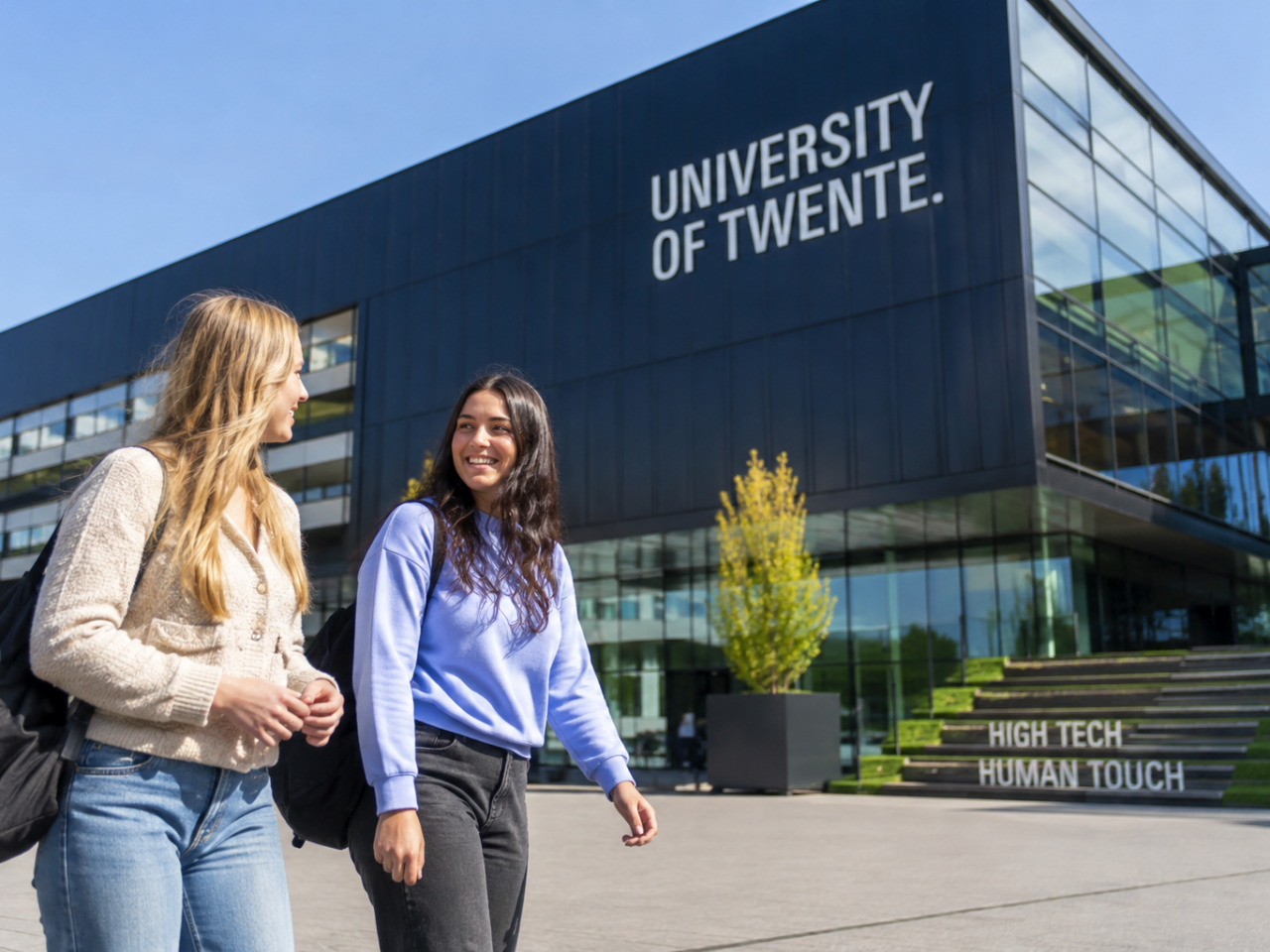
University of Twente – High Tech Human Touch
Saturday, August 1, 2026
Can smaller universities become strategic assets? The University of Twente demonstrates that innovation is not defined by scale alone, but by the ability to integrate technology, entrepreneurship and society into a distinctive model of European excellence.

Europe Doesn’t Need Another Silicon Valley
Friday, July 31, 2026
Europe’s strength may not lie in replicating Silicon Valley, but in connecting its specialised innovation ecosystems. From Brainport and Dresden to Paris-Saclay and the Baltic States, Europe’s future competitiveness increasingly depends on collaboration across complementary centres of scientific and industrial excellence.
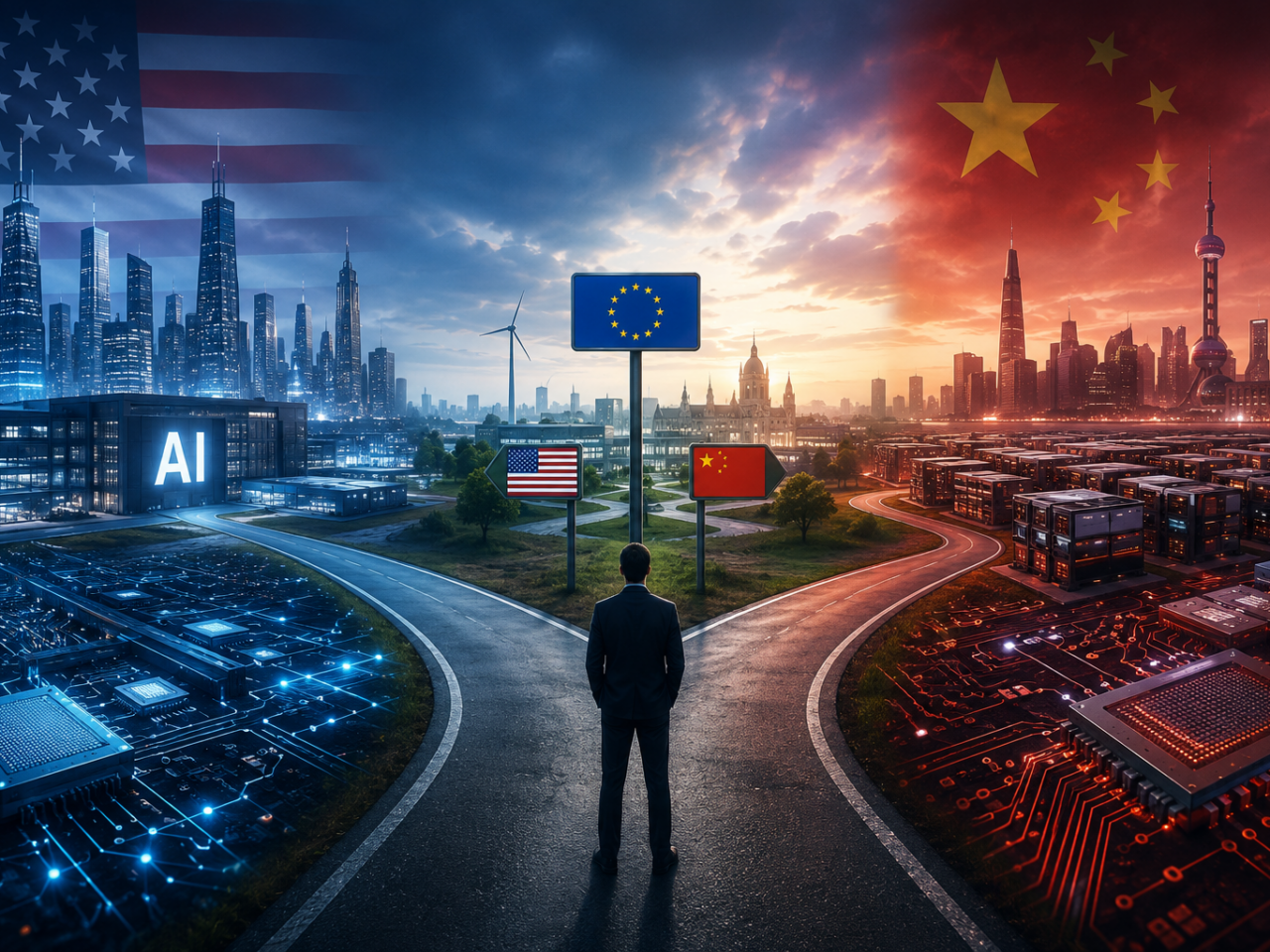
The Cost of Sovereignty
Thursday, July 30, 2026
Meta is investing hundreds of billions in AI infrastructure. China is making artificial intelligence increasingly affordable. As these two strategies collide, Europe may face its greatest technological challenge yet: can digital sovereignty survive the economics of everyday choice?
TU Eindhoven – The Brainport University
Wednesday, July 29, 2026
Innovation depends on more than scientific excellence. It depends on how effectively knowledge circulates between universities, industry and society. TU Eindhoven demonstrates how regional ecosystems can transform education into Europe’s long-term technological capacity.
