Europe’s Tech Boom Has an Ownership Problem
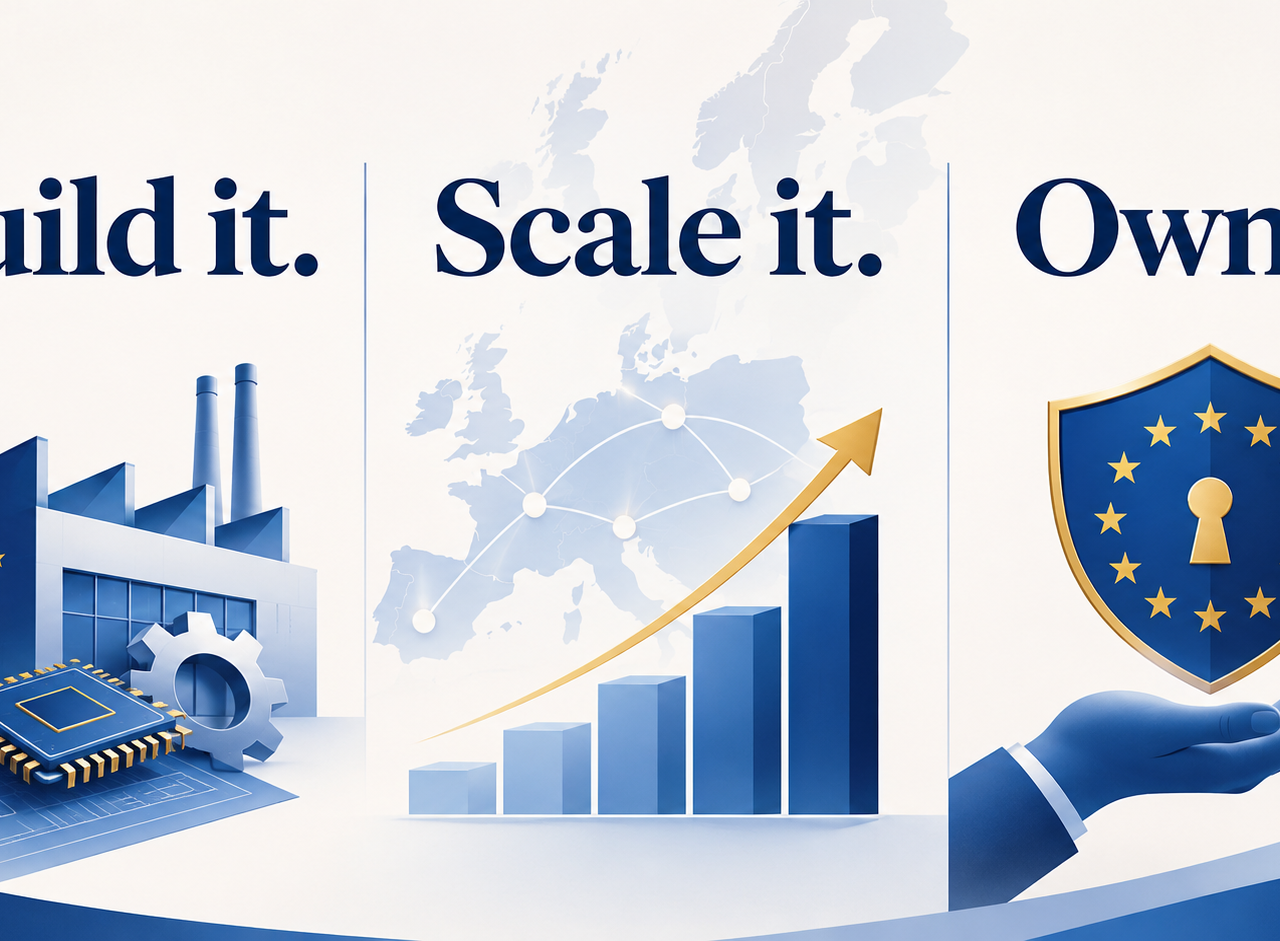
Europe can build technology champions. Can it retain their value?
European technology investment is forecast to reach $81 billion in 2026, while the continent produces an estimated 40,000 new founders. Both are signs of renewed momentum. Yet Atomico’s latest State of European Tech report also exposes an uneven financing market, limited AI computing capacity and a question that reaches beyond venture capital: who ultimately benefits when European innovation succeeds?
Europe’s technology industry is entering a new phase of expansion. Investment is recovering, company valuations are rising and increasingly ambitious businesses are attracting billion-dollar financing rounds. After several difficult years, confidence appears to be returning to the European technology ecosystem.
But the headline figures tell only part of the story. The deeper question is no longer simply whether Europe can produce globally competitive technology companies. It is whether the continent has developed the financial, industrial and institutional structures needed to support their growth and retain the benefits of their success.
Published on 18 November, Atomico’s State of European Tech 2026 carries the theme Build it. Scale it. Own it. Its findings offer a revealing starting point for examining five structural tensions shaping Europe’s technological future.
Read MoreABN AMRO Warns Businesses About AI. But What About the Bank Itself?

The Dutch bank warns that companies underestimate AI-driven competition. Its own transformation raises a deeper question about the future of European banking.
ABN AMRO is warning Dutch businesses that they underestimate AI’s competitive consequences. Only one in six expects it to bring price pressure, lost market share or fewer customers. Yet the lender issuing that warning is also reorganising its own operations around AI. The more revealing question is not whether the bank is adopting the technology, but who ultimately captures its value.
The bank offers an interesting case study because it occupies three positions simultaneously: it advises businesses on technological change, undergoes that change itself and finances companies exposed to its consequences. Applying its own economic reasoning to those three roles reveals a broader challenge for European banking.
Read MoreEurope’s AI Gigafactory Race: Who Will Control the Continent’s Computing Future?
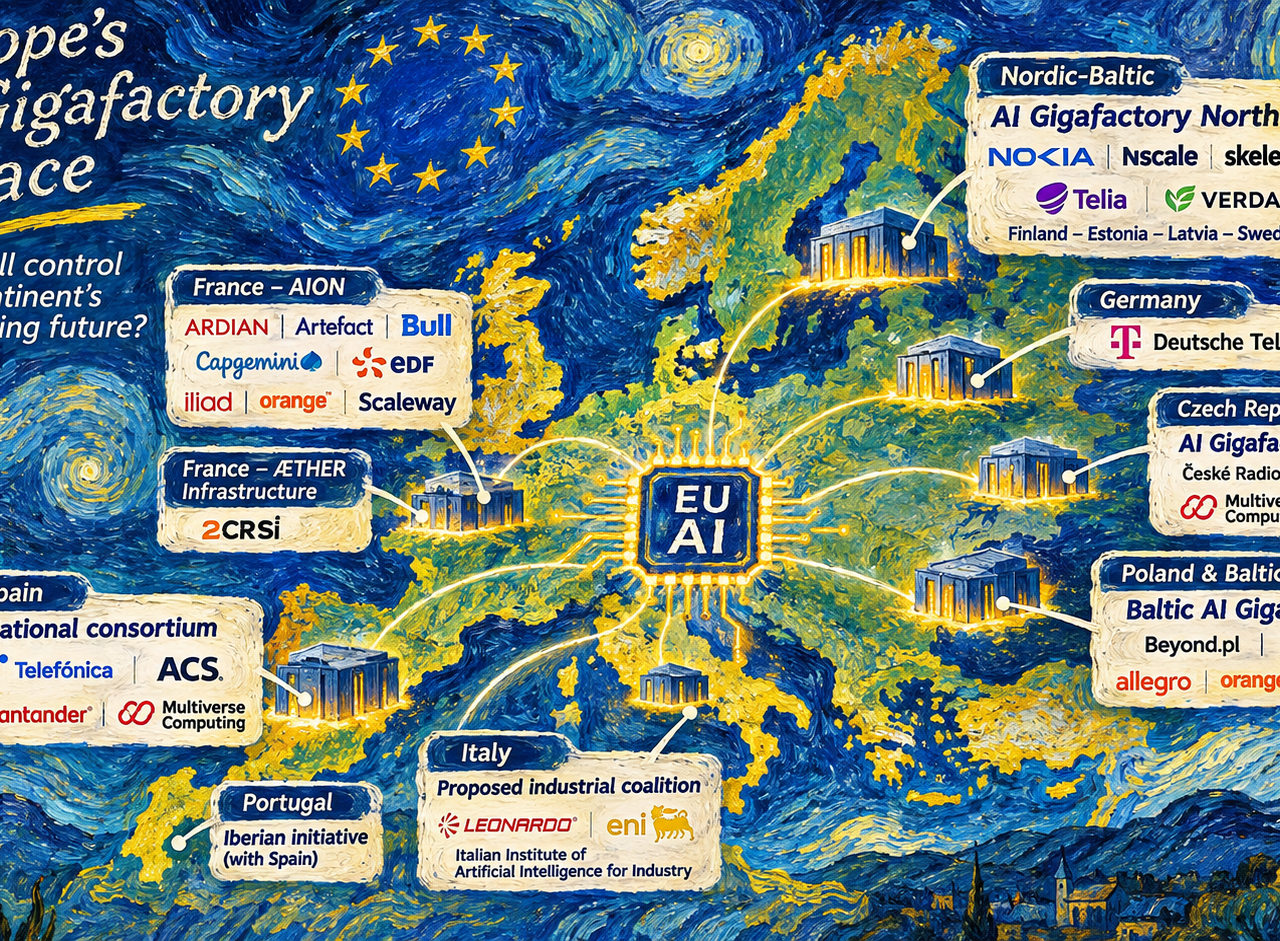
Europe’s industrial coalitions compete for AI infrastructure, technological sovereignty and economic control
As Nokia joins the race for Europe’s AI gigafactories, competing coalitions across the continent are bringing together technology, energy, telecommunications and capital. But building European computing capacity raises a deeper question: who will control the infrastructure, the technology and the economic value it creates?
On 16 November, Nokia and four partners unveiled plans to connect AI computing facilities across Finland, Estonia, Latvia and Sweden. Their consortium enters a European competition expected to mobilise more than €30 billion for up to seven AI gigafactories. The announcement reveals a broader shift: Europe’s AI ambitions are becoming a contest between industrial coalitions.
The question is no longer simply whether Europe can build these facilities. It is increasingly about which partnerships can bring together the technology, infrastructure, financing and customers needed to operate them.
Read MoreSociety & Culture

Human Rights and Technology
Sunday, August 9, 2026
Europe has built strong digital rights, but technology is evolving faster than the institutions designed to protect them. As AI, biometrics and platforms reshape power, the challenge is ensuring democratic protection can keep pace.
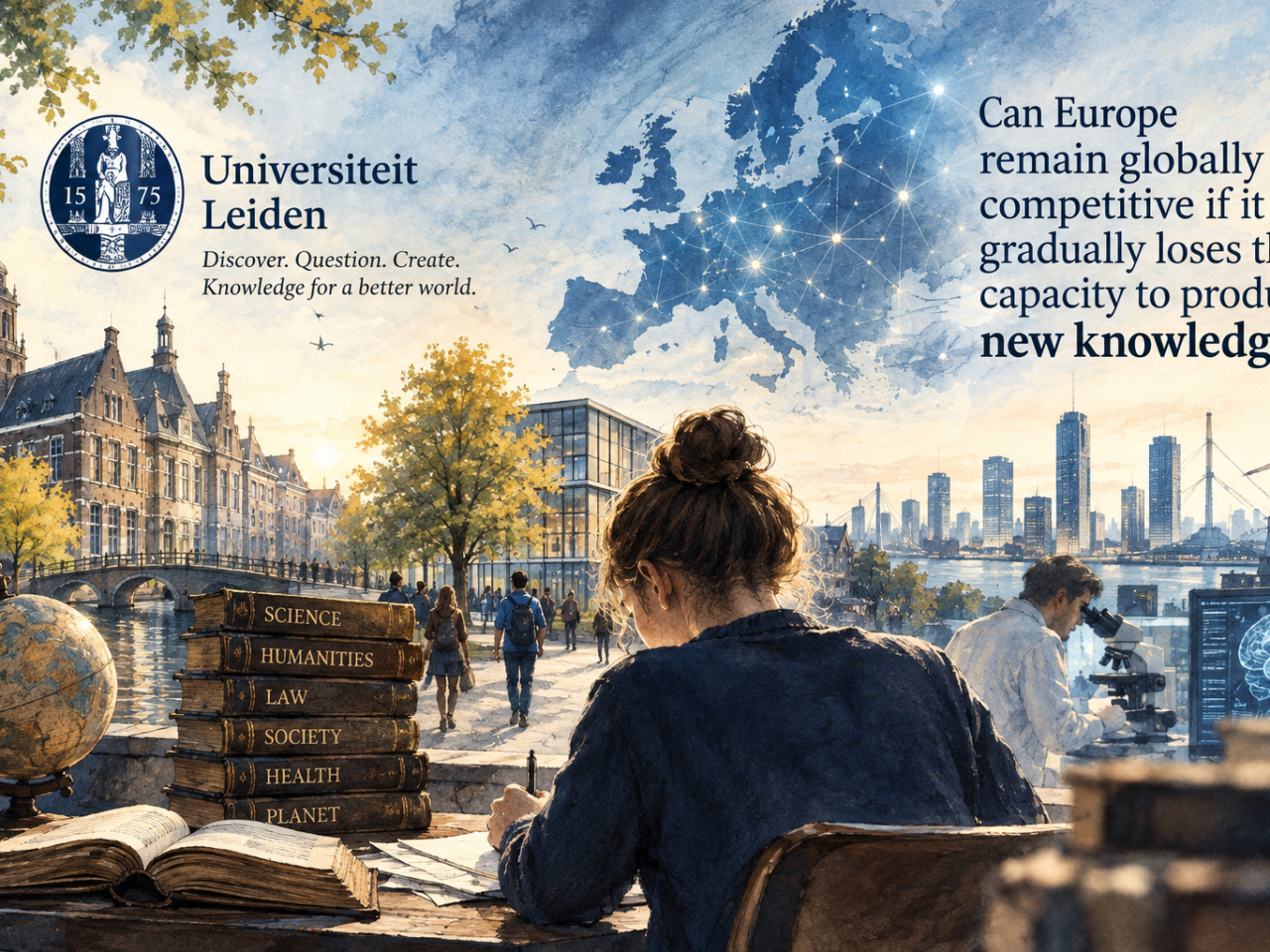
Leiden University – Tradition and Knowledge Production
Friday, August 7, 2026
Leiden University demonstrates that the future of Europe depends not only on applying knowledge, but on continually creating it. As artificial intelligence transforms access to information, the production of reliable new knowledge may become one of Europe’s most strategic capabilities.

Wageningen University & Research
Monday, August 3, 2026
Wageningen University & Research has evolved far beyond agriculture. By integrating biology, artificial intelligence, robotics and environmental science, it is helping shape the resilient food systems upon which Europe’s future health, security and sustainability increasingly depend.

Human Rights and Migration
Saturday, August 1, 2026
Migration challenges democracies to reconcile universal human rights with the practical realities of governance, institutional capacity and public trust. The question is not whether values matter, but how they can be translated into sustainable and legitimate public policy.
